Oregon Permit Requirements Checklist - Interactive Tool
Get Oregon mobile food facility permit requirements by county. Health department contacts, classification & a step-by-step checklist for your mobile kitchen.
How We Built The Oregon Mobile Food Facility Permit Tool (2026)
Navigating mobile kitchen permit requirements in Oregon can be overwhelming. With 36 counties, each with unique regulations, and four distinct mobile food unit classifications (Class I-IV), operators need a clear path to compliance. That's why we built a comprehensive, interactive permit assessment tool that simplifies this complex process.
In this article, we'll explain how we constructed the the Oregon Mobile Food Facility Permit Tool, the methodology behind its class determination logic, and how it delivers personalized, county-specific results to food truck operators across Oregon.
⚠️ Important Disclaimer
Regulations and requirements can vary significantly by location and may change over time. This tool is based on available information as of 2026 and follows the official Oregon mobile food unit guidelines published by the Oregon Health Authority. Always verify current requirements directly with your local county health department and regulatory authorities before making operational decisions. This tool provides general guidance and should not replace professional legal or regulatory advice.
Tool Overview & Objectives
The Oregon Mobile Food Facility Permit Tool was designed to solve a critical pain point: helping mobile food operators quickly identify their required permits, compliance requirements, and county-specific contacts without spending hours researching regulations across multiple government websites.
Core Objectives
The tool aims to:
- Accurately classify operations into Class I, II, III, or IV based on menu type and operational characteristics
- Provide county-specific guidance with accurate contact information for all 36 Oregon counties
- Generate comprehensive permit checklists based on class and county selection
- Present complex regulatory information in an accessible, step-by-step format
- Collect user information to provide personalized results
Class Determination Logic
The heart of the tool is its class determination system, which maps menu types to Oregon's four mobile food unit classifications.
The Classification System
Oregon classifies mobile food units into four categories, each with progressively more stringent requirements:
Class I: Pre-Packaged Foods Only
This is the simplest classification. Operations in this class serve only pre-packaged foods with no food preparation or cooking. Examples include chips, canned sodas, and wrapped sandwiches. This classification requires minimal equipment and permits.
Class II: Hot or Cold Display Foods (Unpackaged)
Operations in this class hold and display unpackaged foods for service. There's no preparation on the unit, just holding and serving. Examples include hot dogs in a warmer or salads in a cold display. This classification requires a water system and handwashing station.
Class III: Prepared/Assembled Foods
This class covers operations that prepare and assemble food on the unit. However, no cooking of raw animal products is allowed. Examples include sandwiches made on the unit, espresso drinks, and smoothies. This classification requires a dishwashing solution, either through an on-unit sink or a commissary arrangement.
Class IV: Cooked Foods Including Raw Animal Products
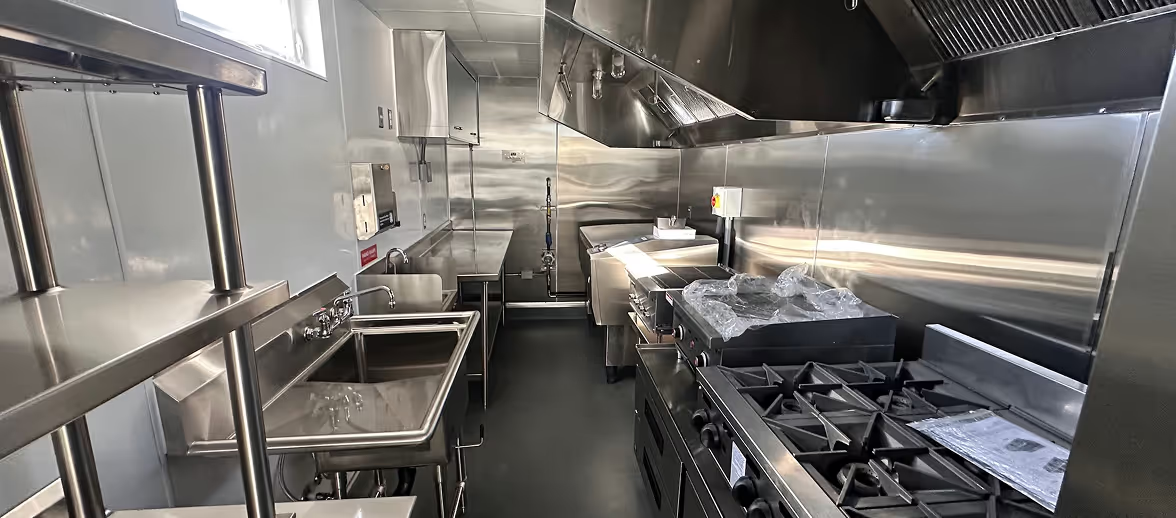
This is the most complex classification. Operations in this class perform full cooking operations from raw ingredients. Examples include burgers, chicken, fish, and eggs cooked from raw. This classification requires full equipment including cooking facilities, ventilation systems, and comprehensive permits.
How Classification Works
The tool determines classification through a menu selection process. Users select the option that best describes their operation:
- Pre-packaged foods only → Class I
- Hot or cold display foods (unpackaged) → Class II
- Prepared/assembled foods → Class III
- Cooked foods including raw animal products → Class IV
This direct mapping ensures accuracy and aligns with Oregon's regulatory framework as defined in Oregon Revised Statute Chapter 624. The tool then uses this classification to generate appropriate requirements, temperature guidelines, and compliance checklists.
County-Specific Data Structure
One of the tool's most valuable features is its comprehensive database of all 36 Oregon counties. Each county entry includes health department contacts, phone numbers, email addresses, and website links.
The database contains complete contact information for every county, allowing the tool to dynamically populate the correct regulatory authority information based on user selection. This ensures operators have direct access to the correct contacts for their specific location.
⚠️ Important Note: Contact information and requirements can change. County health departments may update phone numbers, email addresses, or regulatory processes. We recommend verifying contact information directly with the county before submitting permit applications.
Compliance Requirements Engine
The tool dynamically generates compliance requirements based on the determined class. Each class has specific requirements for equipment, facilities, and operational procedures.
Requirements Table
For each class, the tool generates a comprehensive requirements table covering:
- Water System: Potable water requirements and capacity specifications
- Wastewater: Gray water and black water disposal requirements
- Handwashing: Sink specifications and location requirements
- Food Preparation: Surface materials and preparation area requirements
- Cooking Equipment: Ventilation, fire suppression, and equipment specifications (for applicable classes)
- Storage: Refrigeration, dry storage, and temperature monitoring requirements
- Permits: Required permits and certifications, including Oregon food handler certification for all staff (required within 30 days of hire, $10 fee, valid for 3 years)
Checklist Generation
The complete permit checklist is dynamically generated based on the determined class, selected county, and any optional operational features selected. This ensures users receive a personalized, actionable checklist specific to their operation.
Why This Approach Works
The tool's methodology combines regulatory accuracy with user-friendly presentation. By asking simple questions about menu type and location, the tool can provide complex, personalized guidance that would otherwise require extensive research across multiple government websites.
The classification system directly maps to Oregon's regulatory framework, ensuring accuracy. The comprehensive county database eliminates the need for users to search for contact information across 36 different county websites. The dynamic checklist generation ensures relevance—users only see requirements that apply to their specific operation.
Conclusion
The Oregon Mobile Food Facility Permit Tool represents a comprehensive solution to a complex regulatory challenge. By combining accurate class detemination logic, extensive county-specific data, and an intuitive user interface, the tool helps mobile food operators navigate Oregon's permit requirements efficiently.
For mobile kitchen operators in Oregon, this tool provides a starting point for understanding requirements. However, it should always be supplemented with direct communication with county health departments and professional regulatory advice when needed.
⚠️ Final Reminder
Rules and regulations can change depending on your location and over time. This tool is based on information available as of 2026 and provides general guidance. Always verify current requirements with your local county health department and consult with regulatory professionals before making operational decisions or submitting permit applications.

Tell us about your kitchen needs and request a quote.
.png)
Turnkey mobile kitchen
Proudly made in-house in the USA
Commercial grade kitchen equipment
Code-compliant
Trusted by Industry Leaders