.gif)
.avif)
Nearly 60% of commercial kitchen renovation projects exceed their initial budget by 25% or more, according to industry surveys. These cost overruns aren't just financial setbacks—they often signal deeper operational problems that can disrupt service for months and damage guest satisfaction. Whether you're managing a hotel kitchen upgrade, country club expansion, or restaurant remodel, the same critical mistakes appear repeatedly across the hospitality industry. This article examines the most frequent commercial kitchen renovation mistakes we encounter, providing actionable insights to help you avoid costly delays, budget overruns, and operational disruptions during your next project.
Critical Planning Oversights That Derail Projects
Inadequate Pre-Construction Assessment
The foundation of every failed commercial kitchen renovation project lies in rushed or incomplete initial planning. Operators frequently skip thorough facility assessments, leading to costly discoveries mid-project. Hidden structural deficiencies, outdated electrical systems, and plumbing inadequacies only surface once demolition begins.
Example: A resort kitchen renovation revealed corroded gas lines requiring complete replacement, adding $40,000 and six weeks to the project timeline.
Professional assessments should include electrical load calculations, plumbing capacity evaluations, and structural integrity reviews. The FDA Food Code guidelines mandate specific infrastructure requirements that older facilities often fail to meet without significant upgrades.
Operational Continuity Blindness
Perhaps the most devastating oversight is failing to secure temporary kitchen solutions before construction begins. Hotels, resorts, and country clubs cannot simply suspend food service for months without severe financial and reputational consequences.
Guest expectations remain constant regardless of renovation status. Wedding venues lose bookings, hotel restaurants forfeit revenue, and member satisfaction plummets when dining options disappear unexpectedly.
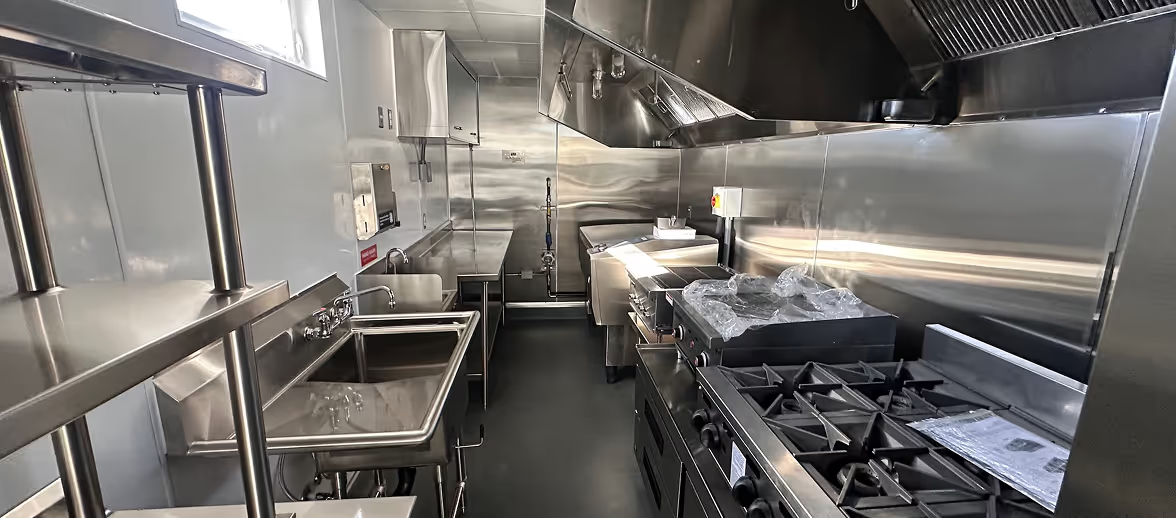
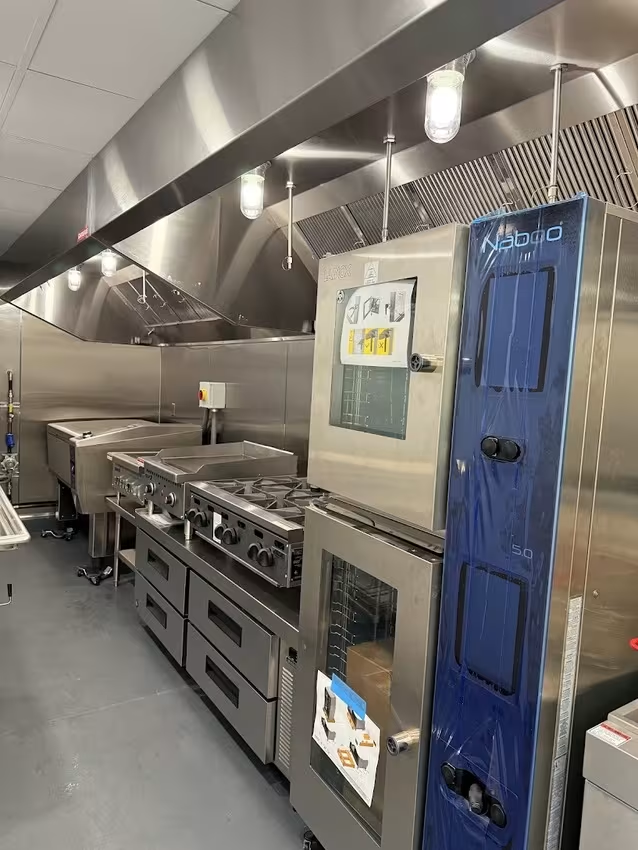
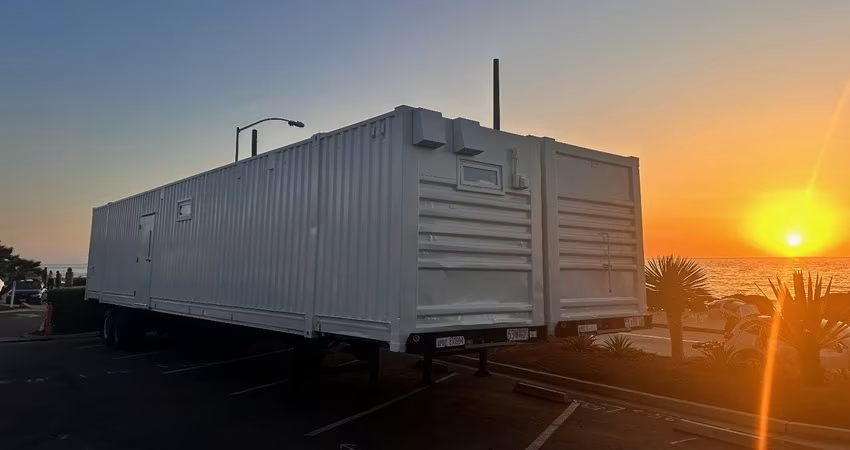
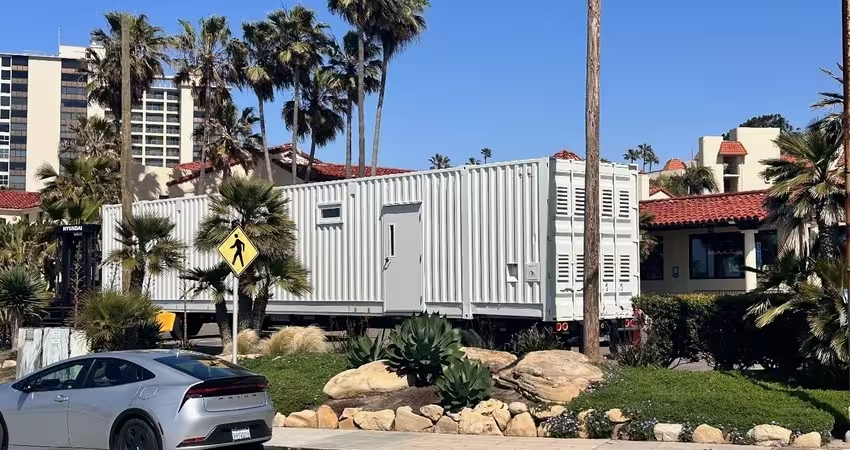
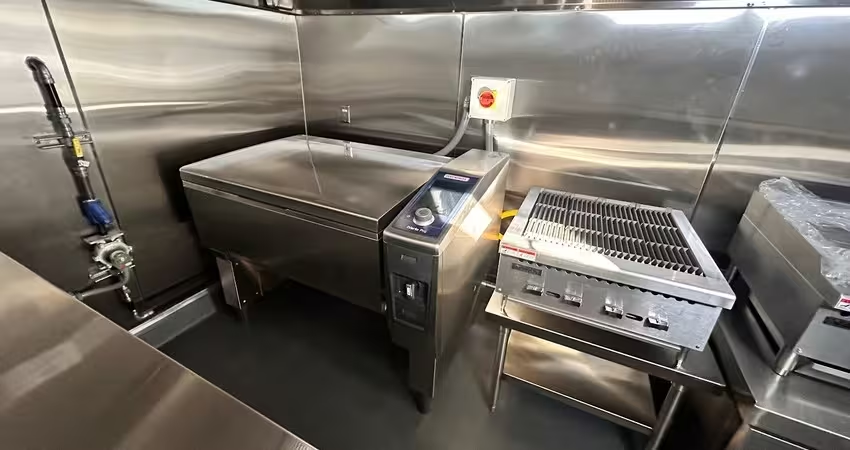
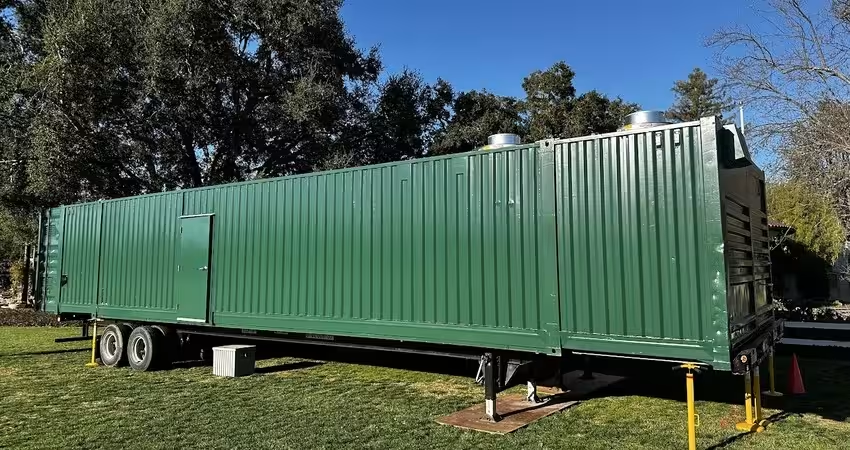
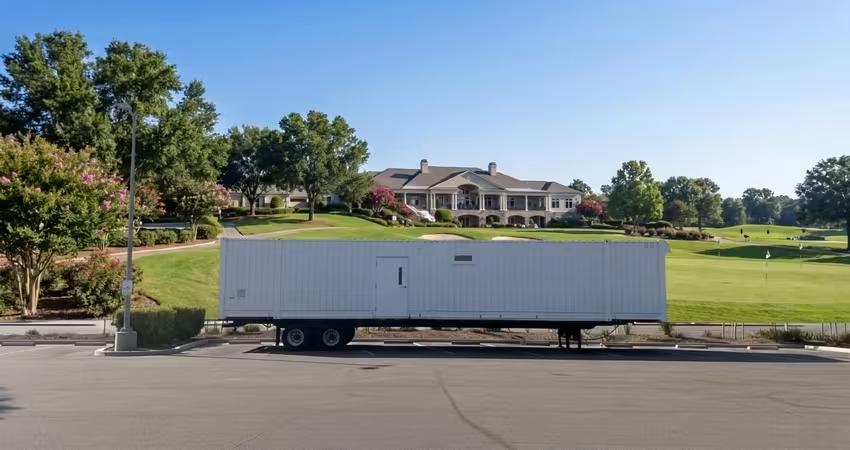
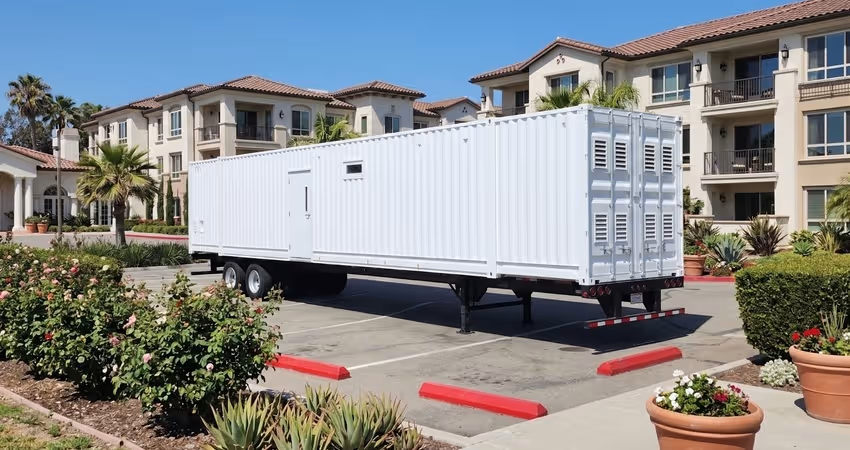
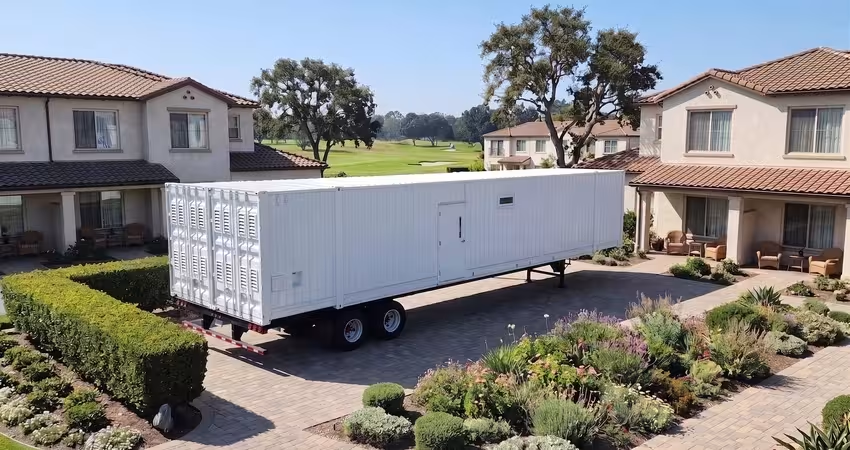
Tip: Successful hospitality operators integrate mobile kitchen rental solutions into renovation planning from day one, ensuring seamless service continuity throughout construction phases.
Regulatory Compliance Failures
Permit Acquisition Delays
Regulatory approval processes consume far more time than most operators anticipate. Commercial kitchen renovations typically require building permits, health department clearances, fire safety approvals, and specialized ventilation permits. Each agency operates on independent timelines with varying documentation requirements.
Understanding renovation permit requirements early prevents project delays and ensures compliance throughout construction. The NFPA 96 ventilation requirements alone involve complex calculations and specialized contractor certifications.
Note: Permit processing can extend 8-12 weeks in major metropolitan areas. Factor this timeline into your project schedule before setting construction start dates.
Fire Safety and Ventilation Oversights
Commercial kitchen ventilation systems must balance exhaust capacity with makeup air requirements while maintaining fire suppression coverage. Many renovations fail because operators underestimate the complexity of these integrated systems.
Equipment upgrades frequently trigger ventilation modifications. Installing higher-output cooking equipment without corresponding hood and exhaust upgrades creates code violations and operational hazards. Fire marshals routinely reject final inspections due to inadequate suppression system coverage.

Equipment Selection and Installation Errors
Specification Mismatches
Selecting equipment based solely on price rather than operational requirements creates long-term operational problems. NSF equipment certification standards establish baseline performance criteria, but hospitality operations require heavy-duty specifications for sustained high-volume service.
Lead times for commercial kitchen equipment have extended significantly. Premium ranges, walk-in refrigeration systems, and specialized ventilation components now require 12-20 weeks for delivery. Delays in equipment arrival halt entire project timelines.
Example: A hotel kitchen renovation stalled for eight weeks waiting for a custom ventilation system, forcing extended reliance on temporary cooking arrangements and guest service compromises.
Utility Infrastructure Inadequacy
Upgrading cooking equipment without evaluating electrical, gas, and water supply capacity creates installation bottlenecks. Modern commercial equipment draws substantially more power than older units, often requiring electrical service upgrades and panel modifications.
Gas line sizing calculations must account for peak demand across all connected appliances. Inadequate supply pressure reduces equipment performance and creates safety hazards during high-volume service periods.
Project Management and Communication Breakdowns
Stakeholder Coordination Failures
Commercial kitchen renovations involve multiple specialized contractors, equipment vendors, regulatory inspectors, and facility managers. Poor communication between these parties multiplies errors and extends timelines unnecessarily.
Tip: Establish weekly project meetings with all key stakeholders and document decisions in writing. Change orders should include cost implications and timeline adjustments before approval.
The National Restaurant Association industry data shows that projects with structured communication protocols complete 23% faster than those relying on ad-hoc coordination methods.
Staff Input Exclusion
Executive chefs and kitchen staff possess invaluable operational knowledge about workflow patterns, equipment preferences, and daily operational challenges. Excluding this expertise from renovation planning creates functional layouts that look impressive but operate inefficiently.
Your culinary team understands which prep configurations create bottlenecks, where additional storage would improve efficiency, and how equipment placement affects service speed. Incorporating this knowledge into design decisions prevents costly post-renovation modifications.
Strategic Decision-Making Mistakes
Renovation Versus Rebuild Misjudgments
Determining whether to renovate existing facilities or rebuild entirely requires careful analysis of infrastructure conditions, operational requirements, and long-term goals. Many operators choose renovation to minimize upfront costs but end up spending more due to hidden complications and compromise solutions.
The renovation versus rebuild analysis should evaluate structural integrity, utility capacity, code compliance gaps, and operational efficiency potential. When infrastructure costs exceed 60-70% of new construction expenses, rebuilding often provides better long-term value.
Timeline Strategy Errors
Choosing between phased versus full shutdown renovation strategies significantly impacts both project costs and operational continuity. Phased approaches extend total construction time but maintain partial service capability throughout the process.
Full shutdown renovations complete faster but require comprehensive temporary arrangements to maintain guest service standards. The optimal approach depends on facility layout, seasonal demand patterns, and available alternatives for food service continuation.
Note: Hospitality operations should prioritize maintaining guest service during hotel renovations over construction convenience to protect revenue and reputation.
Budget Management and Cost Control
Contingency Reserve Inadequacy
Renovation projects consistently uncover unexpected challenges requiring immediate resolution. Structural repairs, code compliance upgrades, and equipment compatibility issues cannot be deferred without project delays. Operators who fail to budget 20-25% contingency reserves face difficult compromises between quality and financial constraints.
Example: A country club kitchen renovation discovered asbestos insulation requiring specialized removal, adding $25,000 and four weeks to the project timeline.
Hidden Infrastructure Costs
Electrical system upgrades, plumbing modifications, and HVAC improvements frequently exceed initial estimates once actual conditions are revealed. Older buildings often require extensive utility work to support modern commercial kitchen equipment demands.
The commercial kitchen design best practices emphasize infrastructure evaluation before finalizing renovation budgets to prevent costly surprises during construction phases.
Timing and Seasonal Considerations
Peak Season Scheduling Conflicts
Many hospitality operators recognize signs your kitchen needs renovation but delay action until the problem becomes critical. Waiting until peak operating seasons forces rushed timelines or service disruptions during high-revenue periods.
Smart renovation scheduling considers seasonal demand patterns, special events, and staff availability. Projects initiated during slower periods provide buffer time for unexpected delays without impacting peak revenue opportunities.
Tip: Review your comprehensive renovation planning guide to understand optimal timing for your specific operation type and market conditions.
People Also Ask (FAQ)
What is the most common mistake in commercial kitchen renovations?
The most common mistake is inadequate planning for operational continuity during construction. Many facilities underestimate the impact of kitchen downtime on their business operations. Temporary kitchen solutions should be secured early in the planning process to maintain service levels throughout the renovation period.
How much should you budget for unexpected costs in a kitchen renovation?
Industry experts recommend budgeting an additional 15-25% beyond your initial renovation estimate for unexpected costs. Hidden infrastructure issues, code compliance requirements, and equipment compatibility problems are the primary drivers of budget overruns. Proper renovation planning includes thorough pre-construction assessments to minimize surprises.
When should you renovate versus rebuild a commercial kitchen?
Renovation typically makes sense when structural elements and major utilities are in good condition, while rebuilding becomes necessary when infrastructure costs exceed 60-70% of new construction. The decision between renovation and rebuilding depends on factors including building age, code compliance requirements, and operational efficiency goals.
What permits are typically required for commercial kitchen renovations?
Most commercial kitchen renovations require building permits, health department approvals, fire safety permits, and potentially zoning variances depending on scope. Electrical and plumbing work often requires separate permits and licensed contractors. Understanding permit requirements early prevents costly delays and ensures code compliance throughout the project.
Conclusion
These critical renovation mistakes share a common thread: inadequate upfront planning and unrealistic expectations about project complexity. Successful hospitality operators invest in thorough assessments, maintain operational continuity, and budget appropriately for contingencies throughout the renovation process.
Protect your revenue and guest satisfaction by securing professional mobile kitchen solutions or schedule a consultation to discuss your specific renovation requirements.

Testimonial

"What is standing out when you look at the mobile kitchen operation is the efficiency that we can really achieve because it's built for that."
Tell us about your kitchen needs and request a quote.
.png)
Turnkey mobile kitchen
Proudly made in-house in the USA
Commercial grade kitchen equipment
Code-compliant
Trusted by Industry Leaders