.gif)

A staggering 73% of restaurant renovations go over budget, with unplanned shutdowns being the primary culprit. The decision between renovating in phases while maintaining operations versus implementing a full shutdown presents one of the most challenging dilemmas facing hospitality executives today. Each approach carries significant financial implications, operational complexities, and customer experience considerations that can make or break your renovation project's success. This comprehensive analysis examines the critical factors that determine which kitchen renovation vs shutdown strategy aligns best with your facility's unique circumstances, operational requirements, and business objectives.
Phased Renovation Strategy: Operational Continuity
Phased renovation maintains operational workflow by segmenting work areas. Your kitchen renovation vs shutdown decision often hinges on whether you can sustain service levels while construction progresses through designated zones.
The systematic approach divides renovation scope into manageable segments:
- Cold storage and prep areas
- Hot line cooking equipment
- Dishwashing and sanitation stations
- Ventilation and utility systems
Each phase maintains functionality in adjacent areas while contractors focus on isolated sections. This sequencing requires precise coordination with comprehensive renovation planning guide principles.
Tip: Schedule intensive work during overnight hours to minimize operational interference during peak service periods.

Financial Impact Analysis
Revenue preservation drives most phased renovation decisions. National Restaurant Association industry reports document how operational continuity offsets construction premiums for hospitality venues.
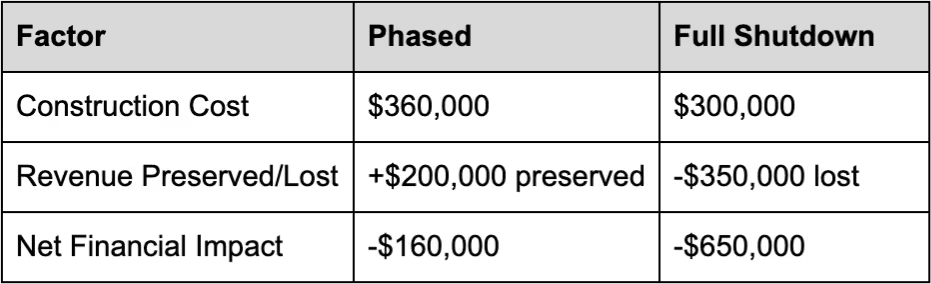
Construction costs increase 15-30% above shutdown scenarios due to:
- Extended contractor schedules
- Temporary barrier installations
- Restricted access coordination
- Staged material deliveries
However, maintaining revenue streams typically recovers these premiums within weeks of project completion.
Timeline Considerations
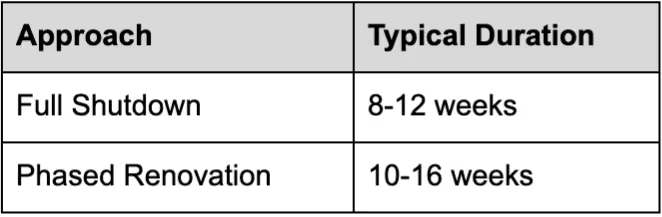
Phased projects extend 40-60% beyond shutdown equivalents. An eight-week full renovation becomes twelve to fourteen weeks when phased. The extended duration requires careful assessment of signs your kitchen needs renovation to ensure timing aligns with operational capacity.
Note: Extended timelines can strain staff morale and guest patience, requiring proactive communication strategies.
Full Shutdown Approach: Maximum Construction Efficiency
Complete shutdowns provide unrestricted contractor access, enabling optimal workflow and compressed timelines. This kitchen renovation vs shutdown approach suits extensive projects requiring structural modifications or complete equipment replacement.
Construction Advantages
Shutdown renovations deliver several operational benefits:
- Uninterrupted contractor scheduling
- Simultaneous system installations
- Comprehensive quality control
- Reduced safety compliance complexity
Projects requiring NFPA 96 ventilation standards upgrades often necessitate shutdown periods for proper integration and testing.
Revenue Loss Calculations
Shutdown periods create immediate revenue cessation while fixed expenses continue. A typical twelve-week closure for a $75,000 weekly revenue operation results in $900,000 lost income.
Additional costs compound the financial impact:
- Staff retention or replacement expenses
- Customer reacquisition marketing
- Competitive market share erosion
- Supplier relationship maintenance
Example: A country club closing for ten weeks during peak season may lose members permanently to competing facilities offering uninterrupted service.
Temporary Kitchen Solutions: Bridging Operational Gaps
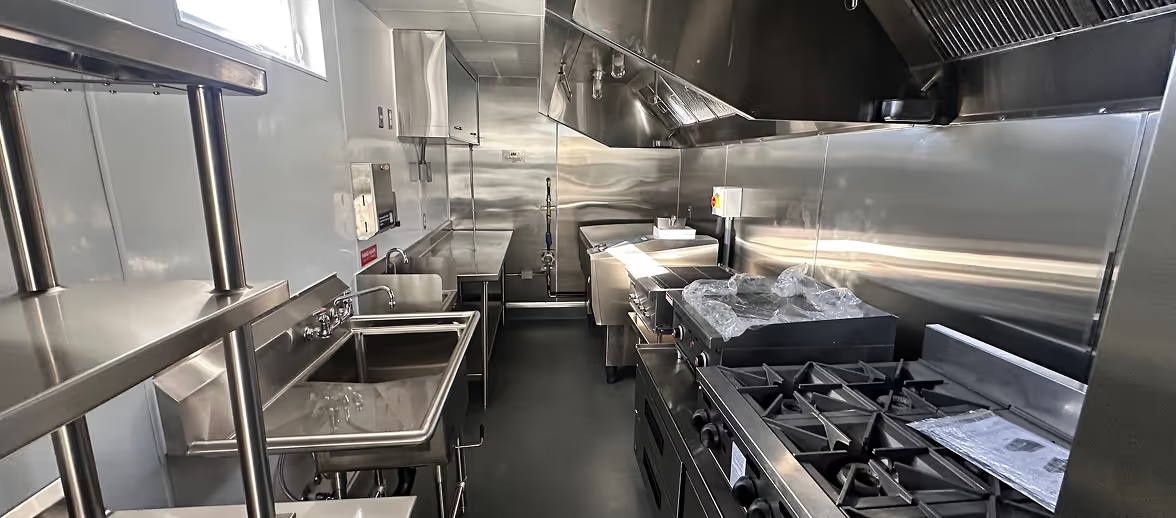
Mobile kitchen rental solutions transform the kitchen renovation vs shutdown equation by eliminating forced service interruptions regardless of construction approach.
Supporting Phased Projects
Mobile units supplement reduced capacity during critical renovation phases. When prep areas undergo renovation, mobile kitchens maintain production volumes without overwhelming remaining operational zones.
Benefits include:
- Consistent menu offerings throughout renovation phases
- Staff workflow continuity
- Guest satisfaction maintenance
- Reduced internal operational stress
Integration with temporary kitchen solutions requires site assessment for utility connections and space allocation.
Enabling Complete Shutdowns
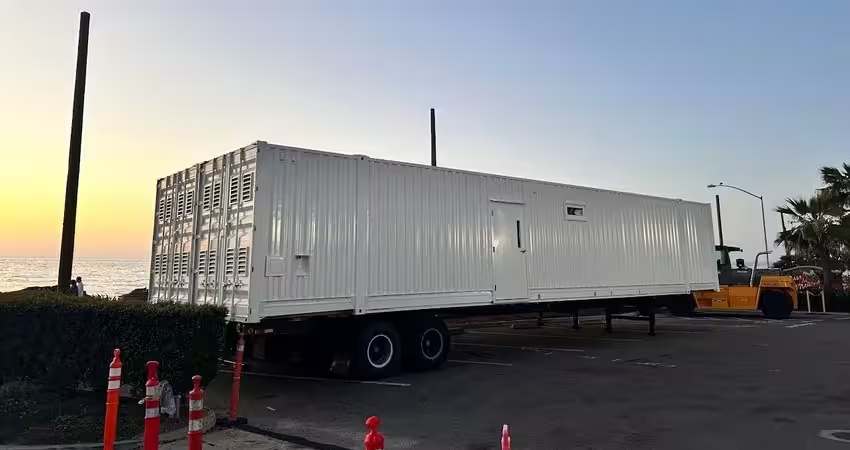
For shutdown renovations, mobile kitchens provide complete operational replacement. Contractors gain unrestricted permanent kitchen access while food service continues without interruption.
This approach delivers optimal renovation conditions while preserving revenue streams. Protecting guest experience during hotel renovations becomes achievable through professional-grade temporary facilities.
Tip: Deploy mobile kitchens 2-3 days before construction begins to ensure smooth operational transitions and staff familiarization.
Regulatory and Safety Factors
Construction approaches must comply with health department requirements and safety protocols. FDA food safety requirements during construction mandate specific contamination prevention measures for phased projects.
Phased renovations require:
- Physical barriers between construction and food service areas
- Dedicated contractor access routes
- Enhanced cleaning and sanitization protocols
- Air filtration system modifications
Shutdown projects eliminate these compliance complexities but require comprehensive renovation permit requirements coordination for reopening approvals.
Strategic Decision Framework
Selecting the optimal renovation approach requires systematic evaluation of operational constraints, financial capacity, and business objectives. The renovate versus rebuild decision framework provides structured assessment criteria.
Operational Assessment
Evaluate current kitchen layout flexibility for phased work. Kitchens with distinct zones separated by natural barriers suit phased approaches better than open layouts requiring extensive temporary partitioning.
Consider seasonal business patterns. Peak revenue periods should influence timing decisions regardless of chosen approach.
Financial Impact Modeling
Calculate total project costs including:
- Direct construction expenses
- Revenue loss during disruption
- Staff retention or replacement costs
- Customer reacquisition investments
- Temporary solution expenses
Avoiding common renovation mistakes requires comprehensive cost modeling beyond initial construction estimates.

Risk Assessment
Phased projects carry execution risks from extended timelines and operational complexity. Shutdown approaches risk market position loss and staff displacement. FSR Magazine operational insights highlight how renovation strategy impacts long-term business performance.
Note: Consider competitive landscape dynamics when planning closure periods, as competitors may capitalize on temporary service disruptions.
People Also Ask (FAQ)
How long does a typical commercial kitchen renovation take?
Most commercial kitchen renovations take 4-12 weeks depending on scope, with phased projects extending 6-18 months. Complex renovations involving structural changes, major equipment upgrades, or permit complications can extend significantly longer. Planning timelines carefully and securing temporary kitchen solutions helps minimize operational disruptions during extended renovation periods.
Can you keep a restaurant open during kitchen renovation?
Yes, many restaurants maintain operations during renovation through phased approaches, temporary kitchen setups, or limited menu service. Success depends on available space, renovation scope, and customer expectations. Mobile kitchen rentals often provide the most effective solution for maintaining full service capabilities while renovating the permanent kitchen.
What are the main costs of shutting down during renovation?
Shutdown costs include lost revenue, continued fixed expenses like rent and insurance, potential staff turnover, and customer acquisition costs upon reopening. Industry studies show revenue loss during closure can exceed 150-200% of renovation costs. Hospitality operations face additional risks including damaged guest relationships and competitive market share loss during extended closures.
Which renovation approach is more cost-effective?
Phased renovations typically cost 15-30% more upfront but avoid massive revenue losses from closure. Full shutdowns offer lower construction costs and faster completion but risk significant income loss and market position damage. The total cost analysis must include lost revenue, staff retention, and customer recovery expenses to determine true cost-effectiveness.
Conclusion
The kitchen renovation vs shutdown decision fundamentally impacts your operation's financial performance and competitive position. Successful projects align renovation strategy with business objectives, operational constraints, and market timing while accounting for total costs beyond construction expenses.
Evaluate your specific requirements and explore professional temporary kitchen solutions or discuss your renovation strategy with mobile kitchen specialists.




Testimonial

"What is standing out when you look at the mobile kitchen operation is the efficiency that we can really achieve because it's built for that."
Tell us about your kitchen needs and request a quote.
.png)
Turnkey mobile kitchen
Proudly made in-house in the USA
Commercial grade kitchen equipment
Code-compliant
Trusted by Industry Leaders