.gif)
When a commercial kitchen goes offline, revenue follows. Studies show that full-service restaurants experiencing major operational disruptions face an average 36% drop in sales — a figure that becomes existential when profit margins sit at just 5–6%. For hotels, resorts, and country clubs, the stakes are even higher: a single compromised season can damage guest relationships that took years to build.
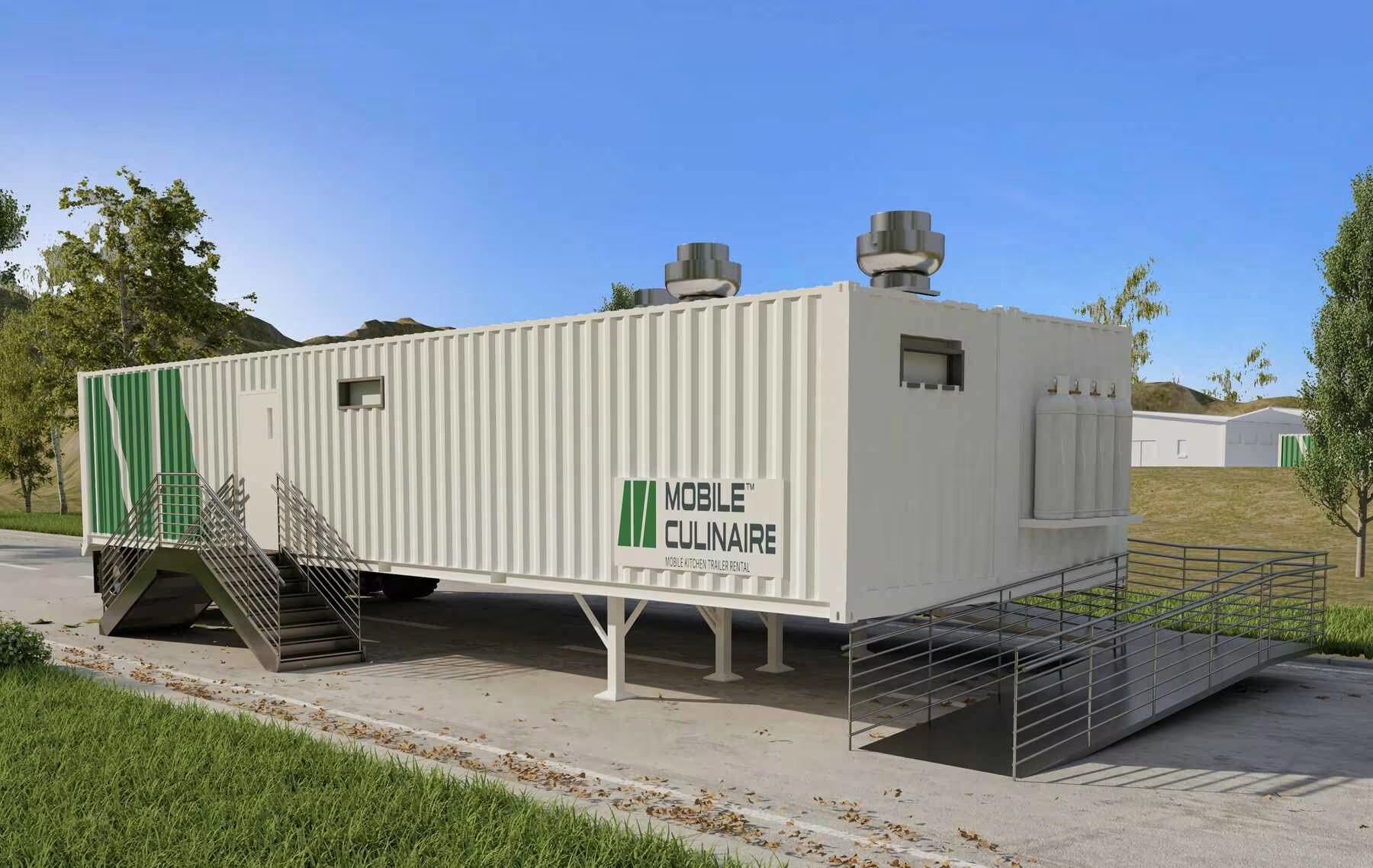
Mobile kitchen trailer rentals exist precisely for these moments. Fully equipped, code-compliant, and deployable within days, they allow hospitality operators to maintain service continuity during renovations, expansions, emergencies, or peak-season surges — without the cost or timeline of permanent construction.
This article explains what makes a mobile kitchen rental the most practical temporary kitchen solution available, and what to look for when choosing a provider.
Understanding Temporary Kitchen Solutions
A temporary kitchen serves as a bridge solution during planned or unexpected disruptions to your primary food service facility. National Restaurant Association research indicates that kitchen downtime costs hospitality operations an average of $3,000-$12,000 per day in lost revenue and fixed expenses. Professional mobile kitchen trailers eliminate this financial drain by maintaining full operational capacity.
These purpose-built units feature commercial-grade equipment meeting FDA Food Code requirements and NSF certified food equipment standards. Unlike hastily assembled alternatives, professional temporary kitchens maintain the same production capacity, food safety protocols, and service quality as permanent installations.

Key Components of Professional Temporary Kitchen Rentals
Essential Equipment and Infrastructure
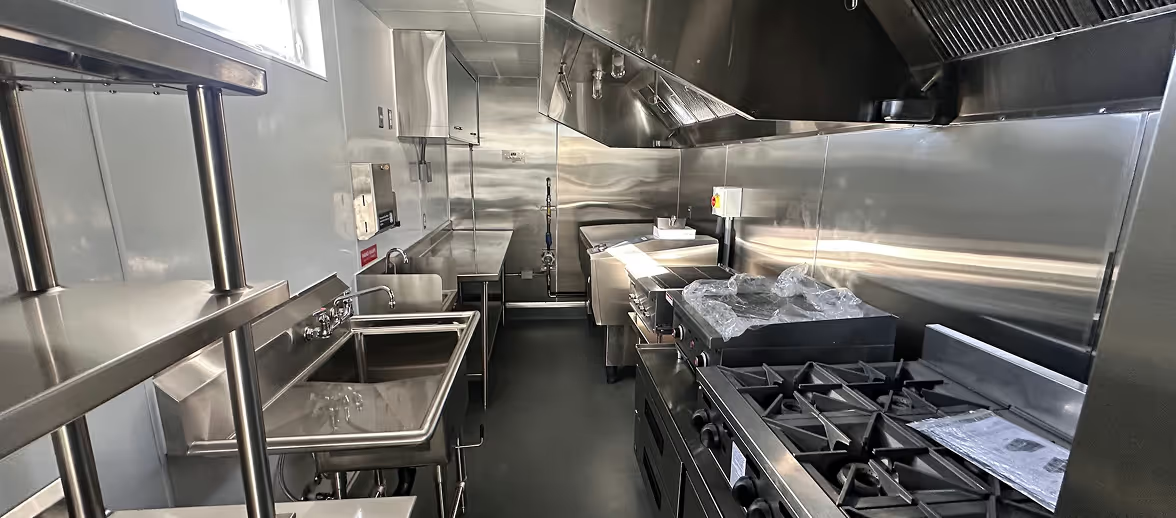
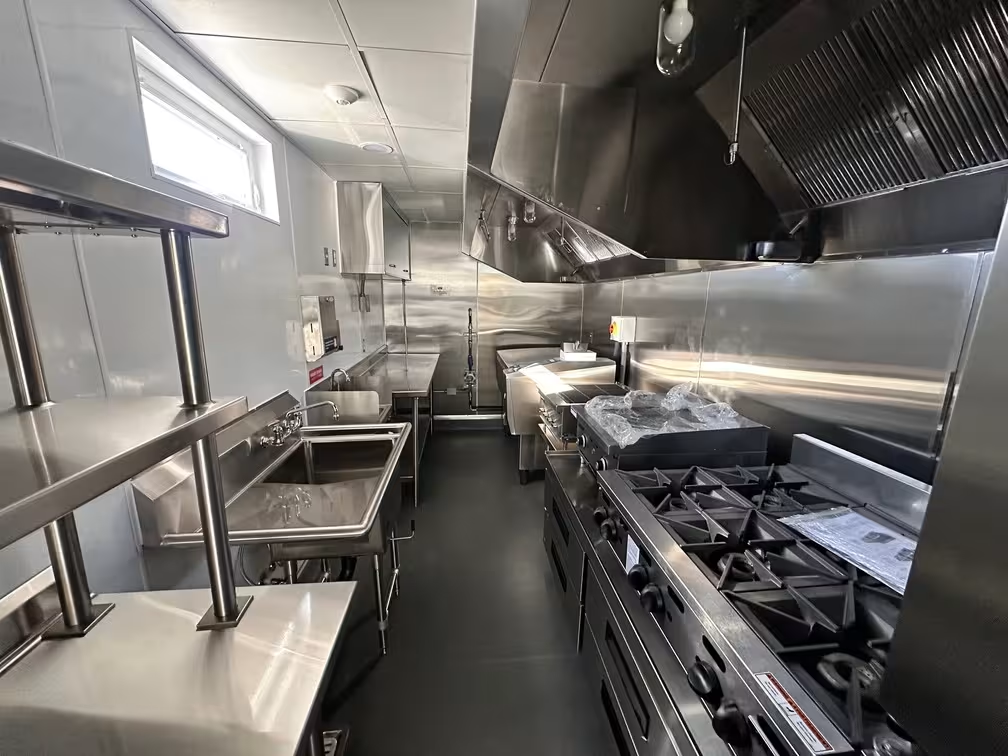
Professional mobile kitchen rentals include comprehensive cooking stations, walk-in refrigeration, food preparation areas, and three-compartment sinks. Advanced ventilation systems comply with NFPA 96 ventilation standards, ensuring proper air quality and fire safety. Electrical systems provide adequate power distribution for simultaneous equipment operation without circuit overloads.
Tip: Review the complete interior layout guide to understand how professional units maximize workflow efficiency in compact spaces.
Utility Integration and Site Requirements
Professional installations require 480V three-phase electrical service, potable water connections, and wastewater discharge systems. Gas connections support high-BTU cooking equipment, while grease management systems handle waste disposal according to environmental regulations. Site preparation typically involves level concrete pads and utility access within 100 feet of the unit placement.
Note: The delivery and setup process coordinates these utility connections with local contractors to ensure code compliance and operational readiness.

Strategic Applications for Temporary Kitchen Solutions
Renovation and Construction Projects
Kitchen renovations in hospitality facilities often encounter delays due to permit approvals, equipment lead times, and construction complications. Renovation timeline planning should account for these variables by securing temporary kitchen capacity before construction begins. This proactive approach protects revenue streams and maintains guest satisfaction throughout the renovation period.
Temporary kitchens particularly benefit hotels and resorts where maintaining guest experience during renovations directly impacts occupancy rates and brand reputation. Professional mobile units seamlessly integrate with existing service protocols, ensuring uninterrupted meal service.
Example: A luxury resort upgrading its main kitchen maintained full banquet and restaurant service using a dual-unit mobile kitchen configuration throughout a six-month renovation project.
Emergency Response and Equipment Failures
Unexpected equipment failures, fire damage, or natural disasters require immediate temporary kitchen deployment. QSR Magazine operations insights emphasize rapid response capabilities as crucial for minimizing operational disruptions. Professional rental providers maintain inventory specifically for emergency deployments, often achieving same-day or next-day installation.
Critical infrastructure failures like HVAC system breakdowns or major plumbing issues can trigger health department closures. Signs your kitchen needs renovation often appear gradually, but temporary kitchens provide immediate relief while permanent repairs proceed.
Financial Considerations and ROI Analysis
Cost Structure and Budgeting
Temporary kitchen rental costs encompass monthly equipment fees, delivery and setup charges, utility connections, and permit expenses. Professional units range from $8,000-$15,000 monthly for standard configurations, with larger or specialized units commanding premium rates. Calculate your mobile kitchen ROI by comparing rental costs against potential revenue losses from kitchen shutdowns.
Note: Hidden costs of kitchen shutdowns include staff layoffs, contract penalties, and customer acquisition expenses that often exceed temporary kitchen rental fees.
Insurance and Risk Management
Comprehensive liability coverage protects against equipment damage, food safety incidents, and third-party claims during temporary kitchen operations. Professional rental agreements typically include equipment insurance, while operators maintain general liability and product liability coverage. Risk assessment should consider location-specific hazards and operational complexity when selecting coverage levels.
Regulatory Compliance and Permitting
Temporary kitchen installations require coordination between health departments, fire marshals, and zoning authorities. Essential permits and approvals vary by jurisdiction but commonly include temporary use permits, food service licenses, and fire safety inspections.
Professional rental providers assist with permit applications and provide documentation demonstrating code compliance. Mobile Culinaire's mobile kitchen solutions include pre-approved plans and specifications that streamline the approval process with regulatory agencies.
Tip: Submit permit applications 4-6 weeks before planned installation to allow adequate processing time and address any regulatory requirements.
People Also Ask (FAQ)
What is included in a temporary kitchen rental?
A professional temporary kitchen rental includes commercial-grade cooking equipment, refrigeration systems, food prep areas, dishwashing stations, and ventilation systems. Most rentals also provide utility hookups, safety equipment, and basic smallwares. Understanding the complete interior layout helps you evaluate if a unit meets your operational needs.
How long does it take to set up a mobile kitchen trailer?
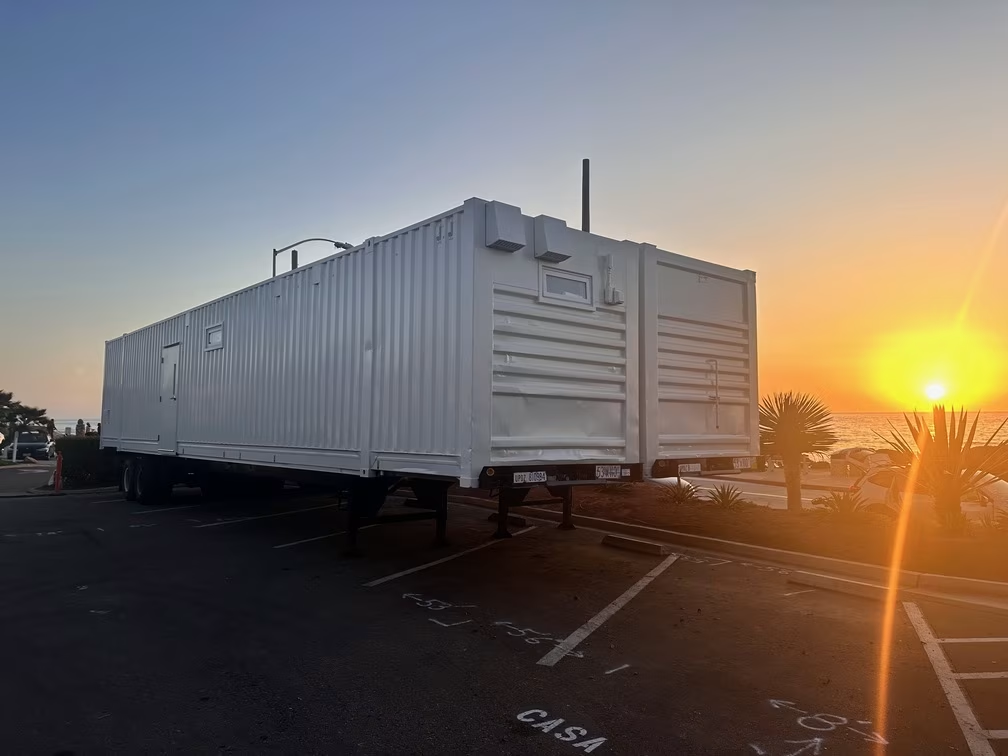
Professional mobile kitchen trailer setup typically takes 1-2 days, including delivery, positioning, utility connections, and equipment testing. The timeline depends on site preparation, permit requirements, and utility availability. The delivery and setup process involves coordination between your team and the rental provider to ensure seamless installation.
Do I need special permits for a temporary kitchen?
Yes, temporary kitchens typically require health department permits, fire safety approvals, and sometimes zoning or temporary use permits. Requirements vary by location and rental duration. Essential permits for mobile kitchen trailers should be secured well before your planned installation date.
How much does a temporary kitchen rental cost?
Temporary kitchen rental costs range from $3,000 to $15,000 per month depending on size, equipment specifications, and rental duration. Additional costs include delivery, setup, utilities, and permits. Calculating the ROI of mobile kitchen rentals helps justify the investment against potential revenue losses from kitchen downtime.
Conclusion
Professional temporary kitchen solutions provide essential operational continuity during renovations, emergencies, and facility expansions. Strategic planning and professional rental partnerships minimize disruptions while maintaining service quality and regulatory compliance.
Secure your operational continuity with purpose-built temporary kitchen solutions or discuss your specific requirements with our mobile kitchen specialists.

Testimonial

"What is standing out when you look at the mobile kitchen operation is the efficiency that we can really achieve because it's built for that."
Tell us about your kitchen needs and request a quote.
.png)
Turnkey mobile kitchen
Proudly made in-house in the USA
Commercial grade kitchen equipment
Code-compliant
Trusted by Industry Leaders