.gif)
Did you know that 73% of commercial kitchen renovations take longer than originally planned, often leaving hospitality businesses scrambling to maintain food service operations? Kitchen renovations are essential for staying competitive, meeting health codes, and improving efficiency, but they present a critical challenge: how do you continue serving guests when your primary kitchen is out of commission? Whether you're upgrading equipment, expanding capacity, or modernizing outdated systems, maintaining uninterrupted food service during your temporary kitchen renovation requires careful planning and the right solutions. This guide explores proven strategies to keep your operation running smoothly while your permanent kitchen undergoes transformation.
Commercial kitchen closures during renovations create immediate revenue hemorrhaging. For hospitality properties, each day offline represents approximately $1,900 in lost food and beverage sales according to National Restaurant Association renovation data. A four-month renovation can eliminate $500,000 to $1.5 million in F&B revenue for a 200-room hotel, while simultaneously damaging guest satisfaction scores that influence future bookings.
Mobile Kitchen Solutions for Temporary Kitchen Renovation
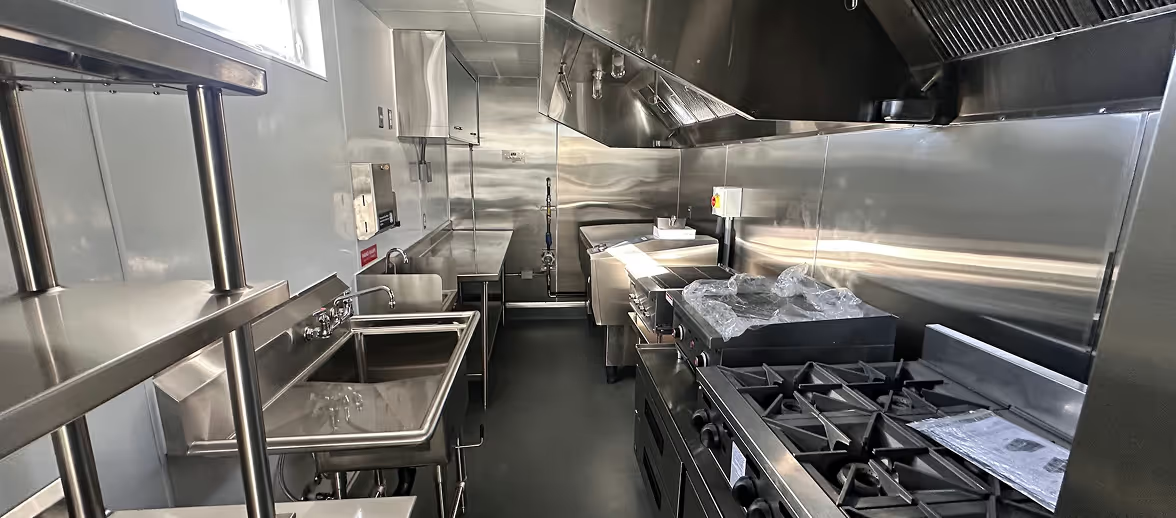
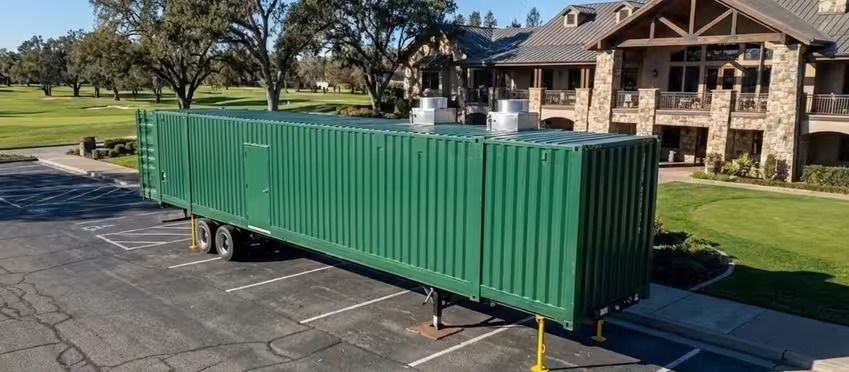
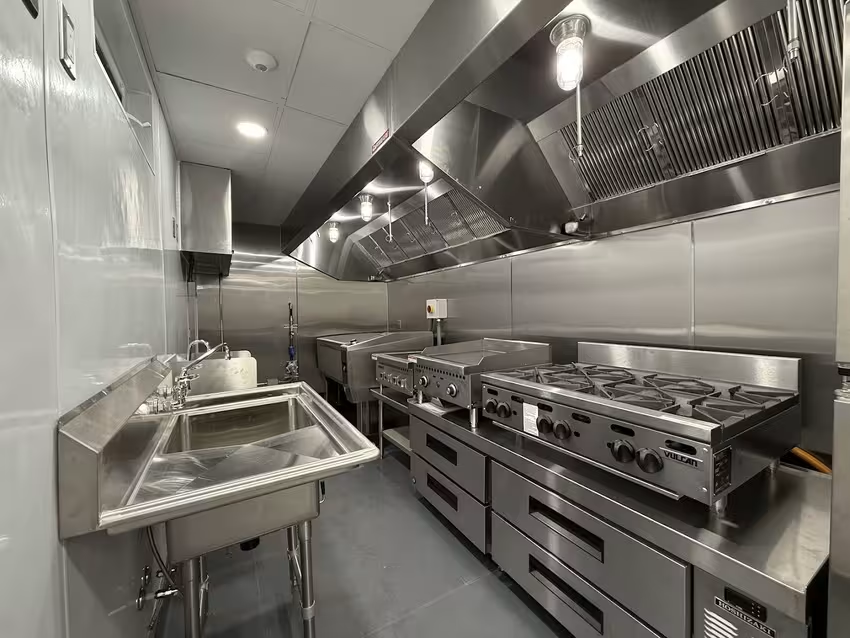
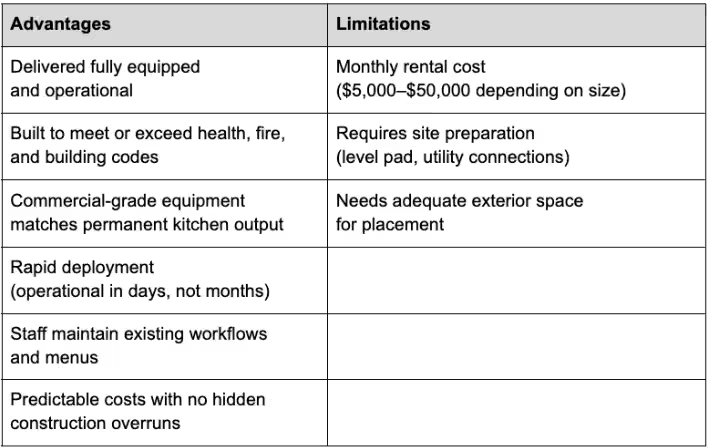
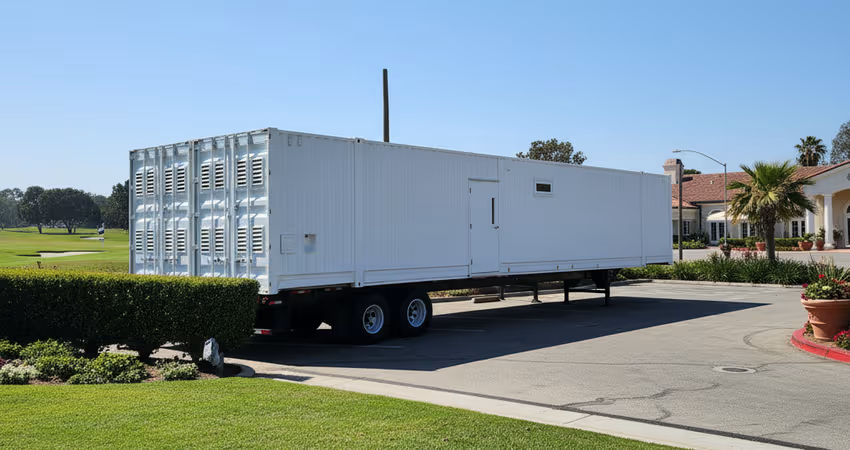
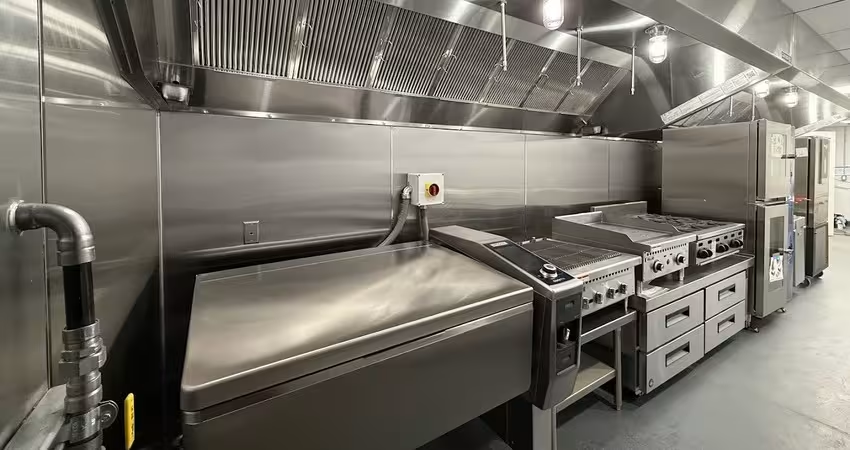
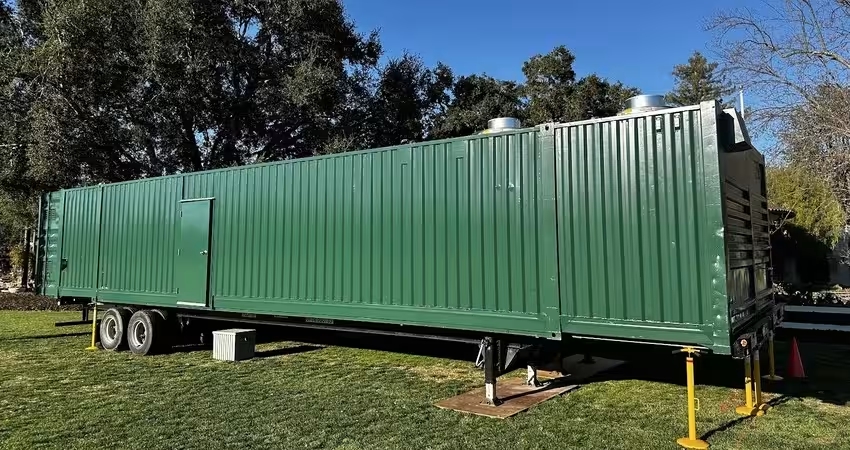
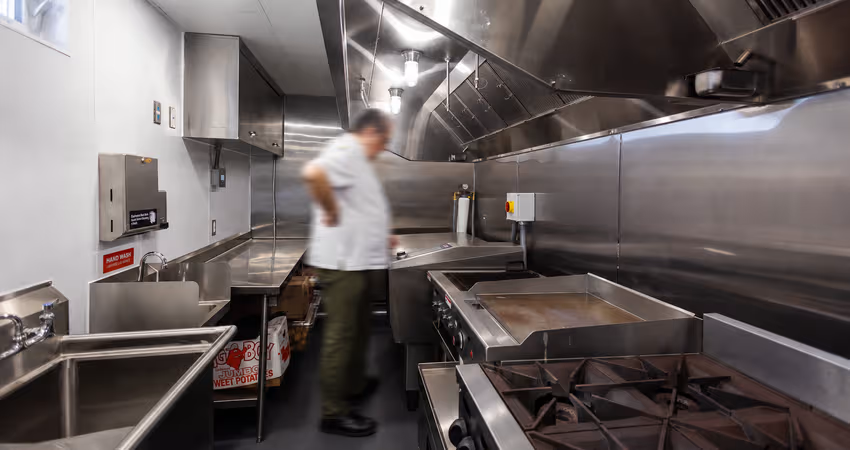
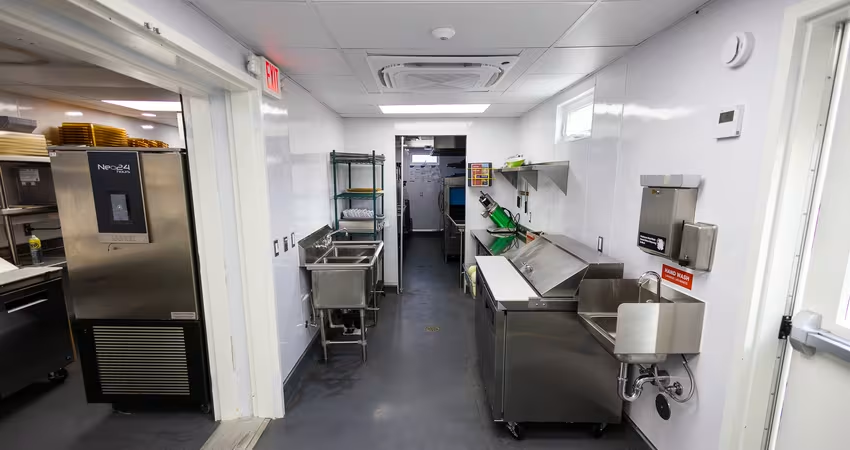
Professional mobile kitchen rentals represent the most comprehensive solution for maintaining full production capacity during extended renovations. These purpose-built units arrive complete with commercial cooking equipment, refrigeration systems, ventilation, and fire suppression that meet FDA Food Code requirements.
Mobile kitchens eliminate the operational compromises inherent in other temporary solutions:
- Full menu preservation maintains guest satisfaction
- Commercial-grade equipment ensures consistent food quality
- Code-compliant systems prevent regulatory issues
- Professional installation minimizes setup time
Note: Unlike retrofitted trailers, purpose-built mobile kitchens feature engineered ventilation systems designed for commercial food production volumes and comply with NFPA 96 ventilation standards from initial construction.
Alternative Approaches and Their Limitations
Reduced Menu Operations
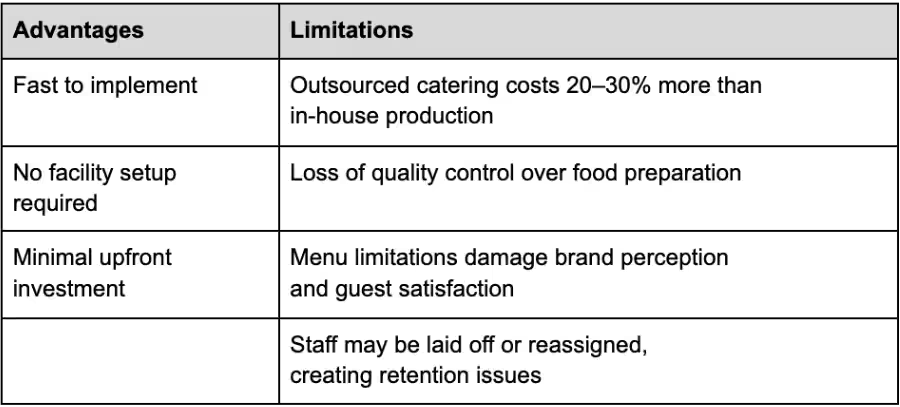
Some properties attempt to maintain service using portable cooking equipment and drastically simplified menus. This approach works for properties with low F&B dependency but creates significant risks for premium hospitality brands where dining quality directly impacts brand perception.
Tip: Reduced menu operations become particularly problematic for member-driven properties like country clubs, where consistent dining experiences are fundamental to member satisfaction and retention.
Off-Site Catering Partnerships
Contracting external caterers provides immediate coverage but introduces quality control challenges and eliminates signature menu items that differentiate your property. Food cost percentages typically increase 15-25% due to vendor markups and delivery logistics.
Phased Renovation Strategies
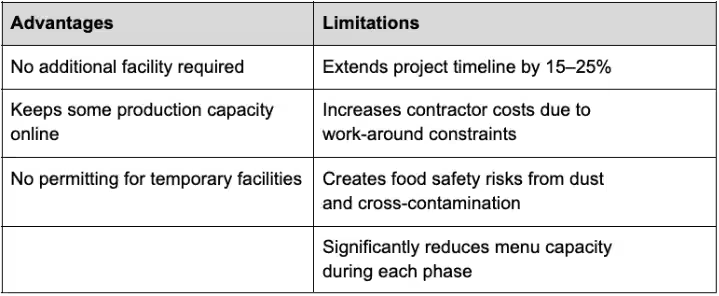
Phased construction maintains partial kitchen operations by renovating sections sequentially. While minimizing service disruption, this approach extends total renovation timelines by 15-25% and requires strict containment protocols to prevent dust migration into active cooking areas.
Example: A hotel renovating its main kitchen in phases must install negative air pressure barriers between construction zones and active cooking areas to maintain NSF equipment certification standards in operational sections.

Site Preparation and Utility Requirements
Successful temporary kitchen renovation projects require proper site preparation before mobile kitchen deployment. Essential infrastructure includes a level placement area (concrete, asphalt, or compacted gravel), adequate electrical service, and utility access points.
Understanding mobile kitchen power requirements prevents installation delays. Most commercial mobile kitchens require 200-400 amp electrical service, natural gas or propane connections, fresh water supply, and waste drainage systems.
Water supply considerations include both incoming fresh water and grease trap drainage for warewashing operations. Properties must verify that existing infrastructure can support commercial kitchen volumes or arrange temporary utility upgrades.
Regulatory Compliance and Permitting
Permit requirements for mobile kitchens vary by jurisdiction but typically include temporary food service permits, fire safety approvals, and electrical inspections. Most health departments require 48-hour advance notification before temporary kitchen operations commence.
Key compliance areas include:
- Health department temporary establishment permits
- Fire safety and suppression system approvals
- ADA accessibility compliance for temporary structures
- Electrical and plumbing permits for utility connections
Engaging with regulatory authorities early in the planning process prevents approval delays when your temporary solution is most urgently needed. Professional mobile kitchen providers typically assist with permit applications and ensure units meet local code requirements.
Cost Analysis and Financial Planning
When evaluating renting versus building temporary solutions, consider total cost of ownership rather than initial monthly fees. Mobile kitchen rentals typically cost $8,000-$25,000 monthly depending on size and equipment specifications.
Hidden costs that inflate project budgets include:
- Lost revenue from reduced production capacity
- Staff overtime during operational transitions
- Emergency repairs on improvised equipment setups
- Extended renovation timelines adding contractor costs
Tip: Calculate revenue impact across the full renovation period when comparing solutions. A higher monthly rental cost often delivers superior ROI when it maintains full revenue streams that other approaches compromise.
Implementation Timeline and Project Management
Start planning your temporary kitchen strategy 8-12 weeks before renovation begins. The mobile kitchen deployment process typically requires 2-3 weeks from contract signing to operational status.
Critical planning phases include:
- Site assessment and utility verification
- Permit application submission
- Staff training on temporary equipment
- Guest communication strategy development
Properties that recognize the signs your kitchen needs renovation can begin temporary solution planning while finalizing renovation specifications, ensuring seamless operational continuity.
Staff Training and Operational Continuity
Brief kitchen managers and executive chefs on temporary equipment configurations before installation. With 49% of hotel properties reporting understaffing according to industry surveys, retaining experienced kitchen staff through renovation periods becomes critical for maintaining service standards.
Train staff on any workflow modifications or equipment differences before the operational transition, not during it. This prevents service disruptions during the initial weeks when guests are most likely to notice changes.
Note: Professional mobile kitchen providers often include operational training as part of their deployment service, ensuring your team can maximize temporary equipment efficiency from day one.
People Also Ask (FAQ)
How long do commercial kitchen renovations typically take?
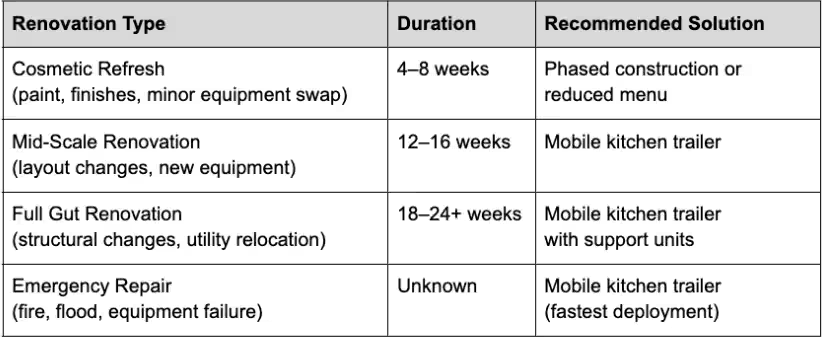
Commercial kitchen renovations typically take 6-16 weeks depending on scope, with major renovations averaging 12 weeks. Simple equipment upgrades may complete in 4-6 weeks, while full kitchen overhauls including plumbing, electrical, and structural changes can extend to 20+ weeks. Planning your renovation timeline carefully helps minimize operational disruption and ensures temporary kitchen solutions align with your project schedule.
What are the main options for temporary kitchen solutions during renovation?
The primary temporary kitchen options include mobile kitchen rentals, off-site catering partnerships, limited menu operations using portable equipment, or temporary kitchen installations in alternate spaces. Mobile kitchen rentals offer the most comprehensive solution, providing full commercial-grade equipment and maintaining your existing menu and service standards. Professional mobile kitchens can be deployed quickly and provide the reliability needed for extended renovation periods.
How much does it cost to rent a mobile kitchen during renovation?
Mobile kitchen rental costs during renovation typically range from $8,000-$25,000 per month, depending on kitchen size, equipment specifications, and rental duration. This investment often pays for itself by maintaining revenue streams that would otherwise be lost during renovation downtime. Extended rental periods usually qualify for volume discounts, and the cost should be weighed against potential revenue loss from kitchen closure.
Do mobile kitchens require special permits or inspections during renovation use?
Yes, mobile kitchens typically require temporary use permits from local health departments and may need additional inspections before operation. Most reputable mobile kitchen providers assist with permit applications and ensure units meet local health codes and fire safety requirements. Understanding permit requirements early in your planning process prevents delays when your temporary kitchen solution is most needed.
Conclusion
Successful temporary kitchen renovation strategies balance operational continuity with project efficiency. Mobile kitchen rentals provide the most comprehensive solution for maintaining full production capacity and service standards during extended renovation periods.
Protect your revenue streams during renovation with purpose-built mobile kitchen solutions or discuss your specific project requirements with our renovation specialists.

%20(1).avif)
Testimonial

"What is standing out when you look at the mobile kitchen operation is the efficiency that we can really achieve because it's built for that."
Tell us about your kitchen needs and request a quote.
.png)
Turnkey mobile kitchen
Proudly made in-house in the USA
Commercial grade kitchen equipment
Code-compliant
Trusted by Industry Leaders