.gif)
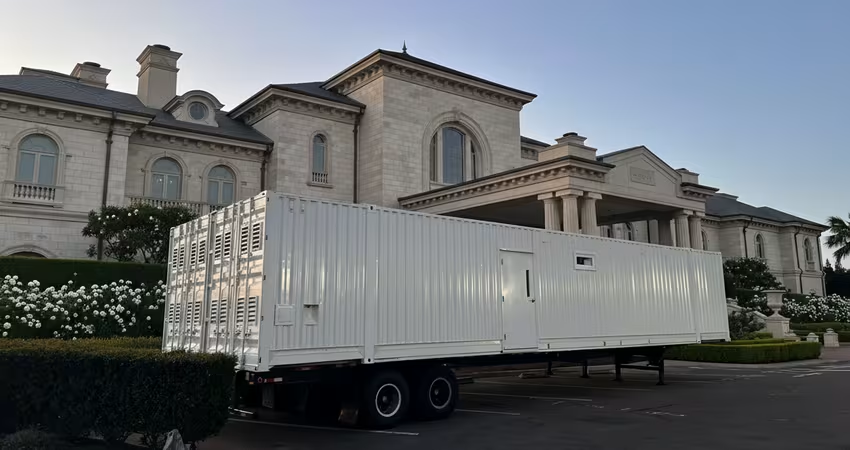
A 200-guest plated wedding inquiry lands in your inbox. The bride loves your restored barn. The budget is real. Then comes the question that ends the conversation: "What kitchen does the caterer work out of?" Your answer — a converted tack room with two outlets and a utility sink — costs you the booking.
For event venues without permanent commercial kitchens, this scene repeats every booking season. A mobile kitchen rental for event venues changes the answer. Purpose-built modular units bring full commercial cooking capacity to any site for a weekend, a season, or a multi-year lease — letting blank-canvas spaces compete for the catered events they currently turn away. This article walks through when it makes sense, how the economics work, and what to evaluate before renting.
Why Event Venues Without Kitchens Leave Revenue on the Table
The U.S. wedding and events market is one of the largest hospitality sub-segments in the country, and food drives a meaningful share of every event budget. According to The Knot 2026 Real Weddings Study, the average wedding now costs $34,200, and catering accounts for roughly 24% of that budget — about $8,200 per wedding before alcohol and rentals. Per-guest catering averages around $80 nationally, climbing well above $120 in major metros.
Now consider the venue's position. When a venue can't host catered F&B, it forfeits the bookings that pay the most. Couples and corporate planners filter venues by kitchen capability before they ever request a tour. Rural barns, urban warehouses, wineries, historic mansions, and outdoor estate venues — the fastest-growing segments of the events market — are exactly the spaces that lack commercial cooking infrastructure.
Note: Venues that can support full plated dinners typically command 30–60% higher booking fees than venues limited to drop-off catering or warming-only setups.
The hidden cost isn't just lost catering revenue (which the venue rarely captures directly). It's the lost venue rental every time a couple chooses a competitor that can host hot service.
What “No Kitchen” Actually Costs in Lost Bookings
For a venue running 30 weekends a year, even a 25% inquiry-to-booking conversion gap from missing kitchen infrastructure translates to:
- 8–10 lost premium bookings per season
- $40,000–$120,000+ in forfeited venue fees (depending on regional pricing)
- Reduced average booking value across the calendar (only off-peak or low-budget couples remain)
A temporary kitchen for event venue use closes that gap without the capital outlay of building a permanent one.
What Counts as a Mobile Kitchen Rental for Event Venues
Not every "mobile kitchen" qualifies for the demands of catered event service. The category spans everything from food trucks to retrofitted construction trailers to purpose-built modular units. For event venue operators, the distinction matters.
Purpose-Built Modular Units vs. Retrofitted Trailers
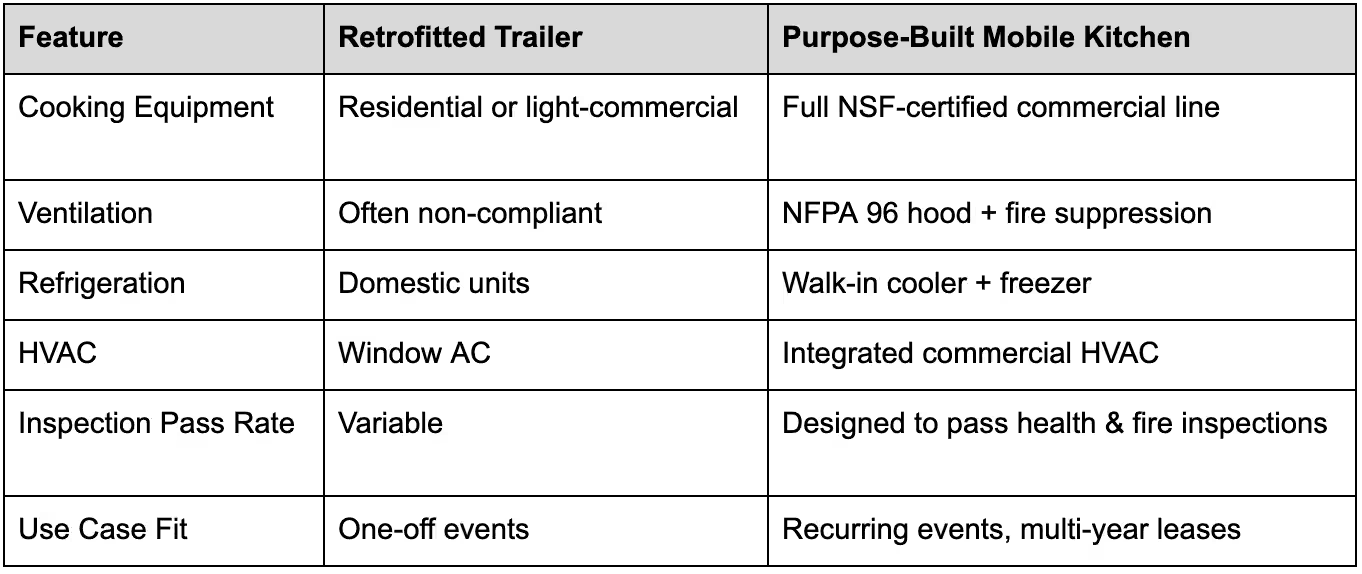
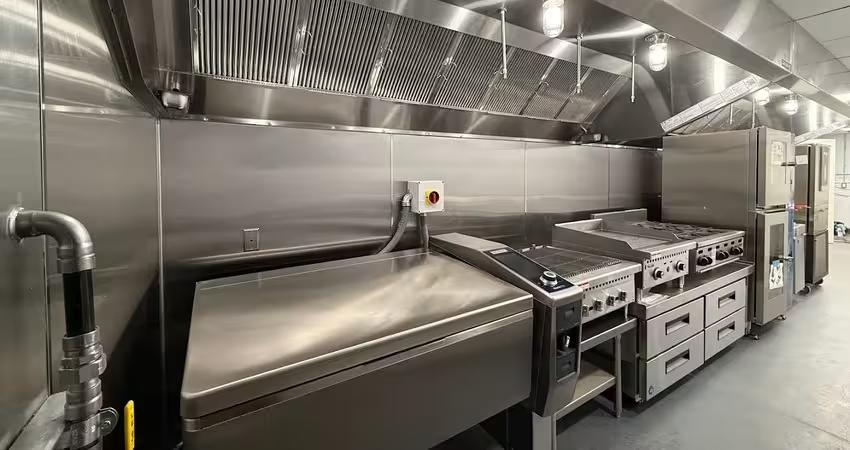
A retrofitted trailer is a recreational or utility chassis converted after the fact with consumer-grade equipment. A purpose-built mobile kitchen is engineered from the ground up as a commercial facility on a transportable chassis — the same way Mobile Culinaire designs and manufactures its modular units. The difference shows up in three places: equipment grade, code compliance, and longevity under continuous use.
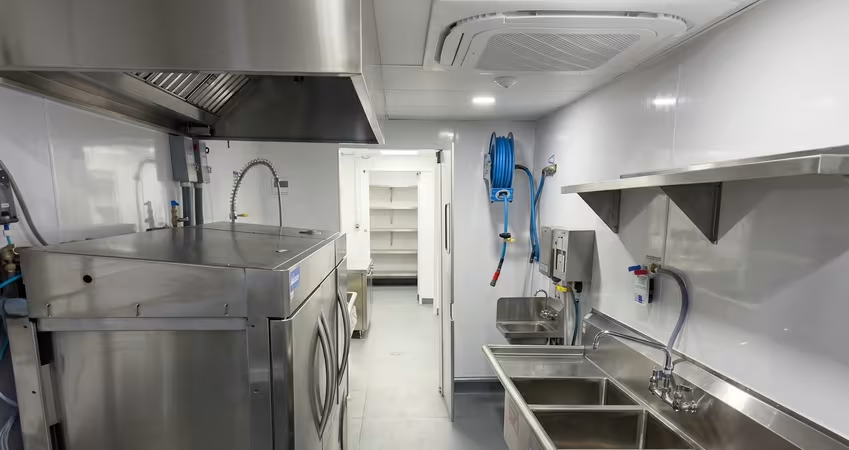
Core Capabilities a Venue-Grade Unit Must Include
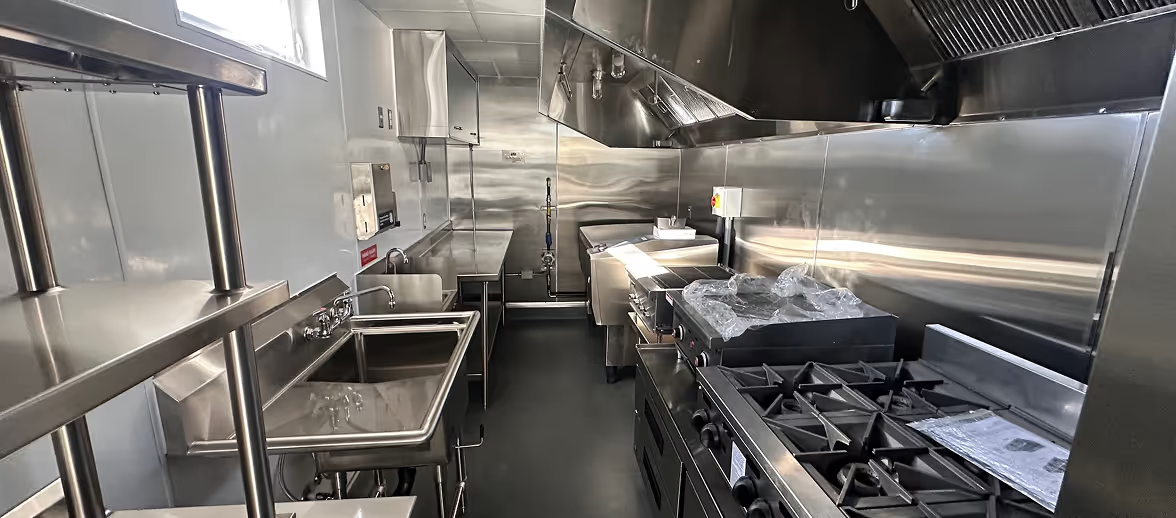
A mobile commercial kitchen for events that supports plated catered service should provide, at minimum:
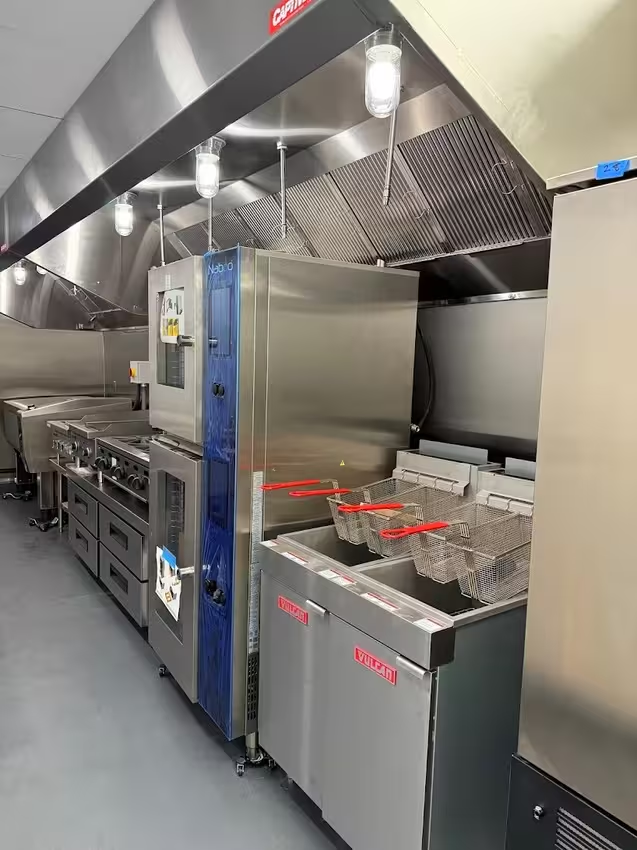
- A full hot line: ranges, ovens, fryers, griddles, or combi ovens sized to the venue's typical event capacity
- Dedicated cold storage: walk-in cooler and freezer
- Three-compartment sink and handwash station (per FDA Food Code requirements)
- Code-compliant exhaust hood with built-in fire suppression
- HVAC capable of maintaining safe working temperatures for staff
- Ample prep counter space and dry storage
- Pre-installed utility hookups for water, power, gas, and waste
Tip: Ask any rental provider for documentation showing their units have passed third-party inspection against NFPA, NSF, and FDA standards. A reputable provider will produce it on request.
When a Mobile Kitchen Rental Makes Strategic Sense
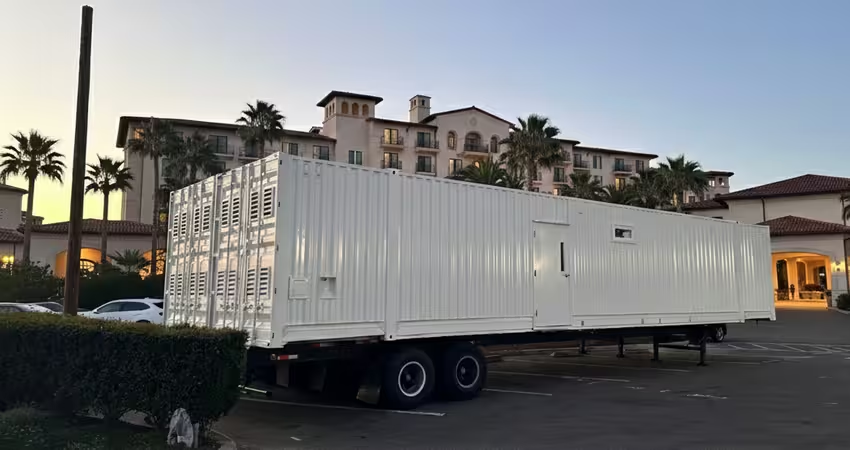
Mobile kitchens aren't only an emergency tool. For event venues, they're a planning tool. Four scenarios stand out.
1. Blank-Canvas Venues (barns, warehouses, historic buildings)
Restored barns, converted warehouses, museums, and historic estate venues are the fastest-growing categories in the wedding and corporate event market. Most were never designed for commercial cooking. A mobile kitchen rental for event venues lets these properties host plated dinners, multi-course tastings, and brand activations without altering the historic structure or running into building-code permitting challenges tied to permanent kitchen build-outs.
2. Outdoor and Destination Venues Without Infrastructure
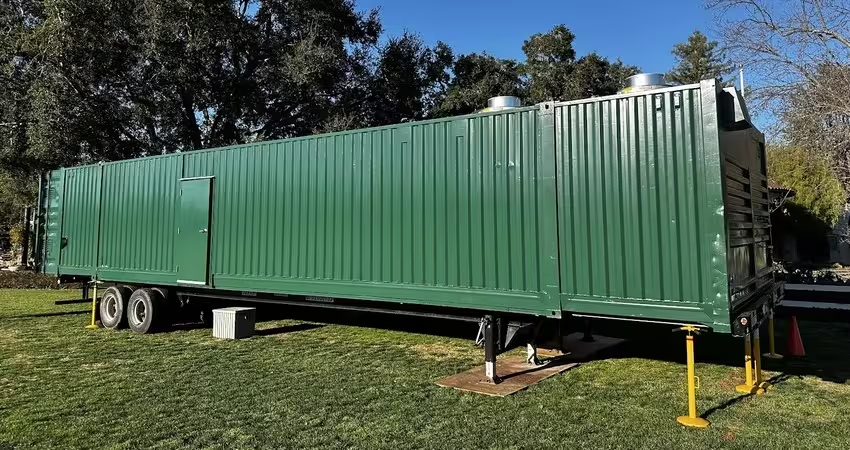
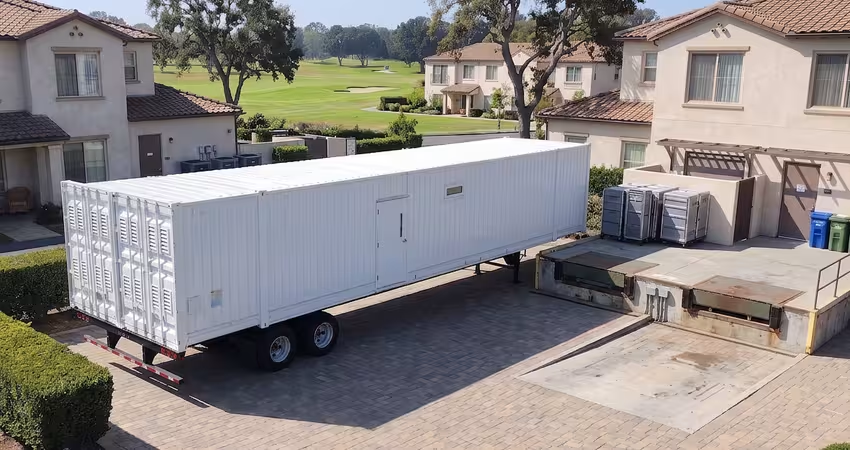
Vineyards, ranches, beachfront estates, and forest venues often have power and water but no commercial kitchen. A self-contained mobile unit can be positioned discreetly behind a service line, connected to on-site utilities (or augmented with generators and water tanks), and removed when the event ends.
3. Venues With Prep-Only or Warming Kitchens
Many older venues have a "kitchen" — but it's a warming galley with a few outlets and a sink, suitable for re-plating drop-off catering and nothing more. Adding a mobile unit on event days expands the venue's catering capability from drop-off to full-service plated, immediately repositioning what kinds of events the venue can quote.
4. Seasonal Venues Scaling F&B During Peak Months
Wineries, summer resorts, and outdoor entertainment venues often have permanent kitchens that handle daily operations but can't support large private events on top of regular service. A mobile unit added for peak season provides parallel production capacity. This kind of overflow use is well-documented across hospitality and event applications.
The Business Case: Rental vs. Building a Permanent Kitchen
For a venue operator considering F&B capability, the question is rarely whether to add a kitchen — it's how. The economics of mobile kitchen rental compared to permanent build-out are straightforward.
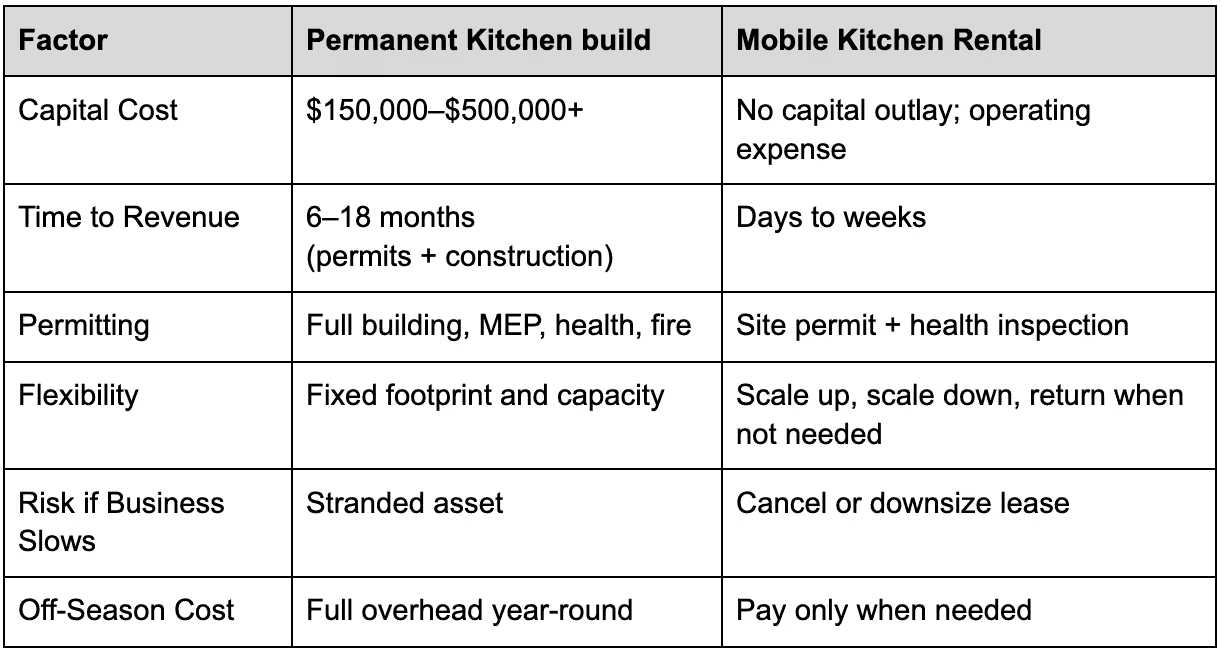
A deeper breakdown of the rent-vs-own decision for commercial kitchens covers the financial logic in more detail, but the headline is clear: for venues that don't need 365-day production, renting almost always wins.
Note: The strongest case for a permanent build is when the venue runs daily food service (a restaurant attached to a winery, for example). For event-only F&B, rental economics are hard to beat.
What Venue Operators Need to Evaluate Before Renting
Renting a mobile commercial kitchen for events is a procurement decision, not a panic buy. A short pre-rental checklist saves money and avoids day-of surprises.
Site Readiness
- Delivery access: Can a trailer reach the placement site without damaging landscaping or hardscape?
- Surface: Is the placement pad level and load-bearing?
- Utilities: What power, water, gas, and waste connections are available within reach?
- Sightlines: Can the unit be positioned out of guest view?
Permits & Code Compliance
Local health departments and fire marshals will inspect the unit before each major event, even if the rental provider has supplied compliance documentation. Confirm the provider supplies inspection-ready paperwork and that the unit meets local codes. The FDA Food Code sets the federal baseline; state and county rules layer on top.
Service Flow & Guest Experience
The kitchen has to integrate with the catering team's workflow — pickup point, plate-up area, runner path to the dining space. Walk the route before the event.
Lease Term & Seasonal Contracting
Venues with predictable booking calendars often save by negotiating seasonal or annual contracts rather than per-event rentals. Recurring use unlocks lower per-event rates and guarantees unit availability during peak months.
Tip: If your venue books 15+ events per year requiring hot service, ask any rental provider for a seasonal lease quote — not just a per-event price. The math shifts quickly in your favor.
How a Mobile Kitchen Rental Changes a Venue's F&B Positioning
The shift isn't operational. It's strategic.
A venue that can host full plated catered service moves from being a space rental to being a full-service event host. That changes:
- Which caterers will work the venue. Premium caterers refuse venues without proper kitchens. Adding one expands the preferred-vendor list immediately.
- Which planners recommend the venue. Wedding planners and corporate event firms filter venues by kitchen capability before they ever shortlist.
- Average booking value. Plated dinners command higher per-guest spend than buffets or drop-off catering, and venues that support them quote higher base rental fees.
- Inquiry-to-booking conversion. Removing the "no kitchen" objection from the sales conversation directly improves close rates.
For venue operators, the question isn't whether to rent. It's how quickly the rental pays for itself in incremental bookings — and for most venues that turn away even a handful of catered events per season, the answer is: very quickly. Mobile Culinaire's events use case page highlights how purpose-built units integrate into venue operations of every size, from intimate estates to high-volume festival sites.
See What's Possible for Your Venue
Event venues across the country have used purpose-built mobile kitchens to host catered weddings, corporate galas, and multi-day brand activations — without breaking ground on a permanent build, without losing premium bookings, and without compromising on service quality. Explore Mobile Culinaire's project portfolio to see how venues like yours have unlocked new F&B revenue, or contact our team about a unit configured for your venue's calendar.
People Also Ask (FAQ)
Can you have a wedding or event at a venue with no kitchen?
Yes. Venues without permanent kitchens regularly host plated dinners, weddings, and corporate galas using a mobile kitchen rental. A purpose-built unit delivers full commercial cooking, refrigeration, and prep capacity on-site, allowing caterers to execute hot, multi-course service that off-site catering or warming-only setups can't match. The key is renting a unit built to commercial code (NFPA 96, NSF, FDA) rather than improvising with food trucks or warming equipment.
How much does it cost to rent a mobile kitchen for an event venue?
Pricing varies by unit size, equipment package, and rental term. Short-term event rentals are typically priced per event or weekend, while seasonal or recurring rentals run on monthly leases that bring per-event costs down significantly for venues with consistent calendars. Compared to building a permanent kitchen ($150K–$500K+), the capital savings are substantial — and the venue avoids construction permits, downtime, and long-term overhead.
What's the difference between a food truck and a mobile kitchen rental for an event venue?
A food truck is built for vendor-style retail service, with limited prep space, single-vendor capacity, and no infrastructure for plated catered service. A mobile commercial kitchen for events is a purpose-built commercial kitchen on a modular chassis — full-size cooking lines, walk-in cold storage, three-compartment sinks, NFPA-compliant ventilation, and the layout to support a catering team executing a multi-course meal for hundreds of guests. Different tools for different jobs.

%20(1).avif)
Testimonial
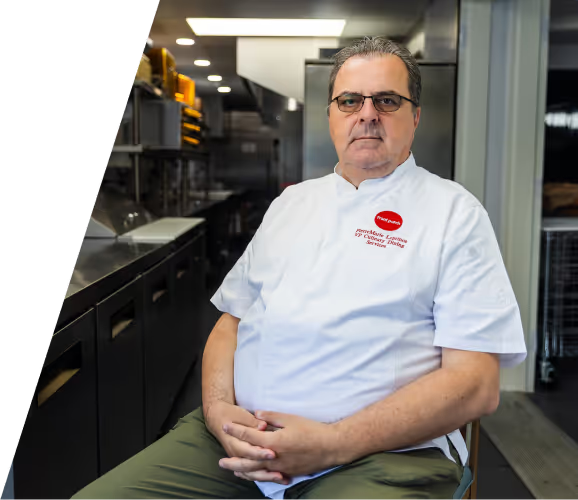
"What is standing out when you look at the mobile kitchen operation is the efficiency that we can really achieve because it's built for that."
Tell us about your kitchen needs and request a quote.
.png)
Turnkey mobile kitchen
Proudly made in-house in the USA
Commercial grade kitchen equipment
Code-compliant
Trusted by Industry Leaders