.gif)
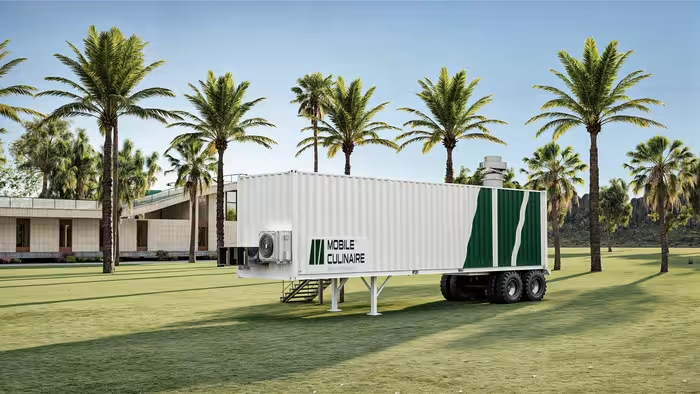
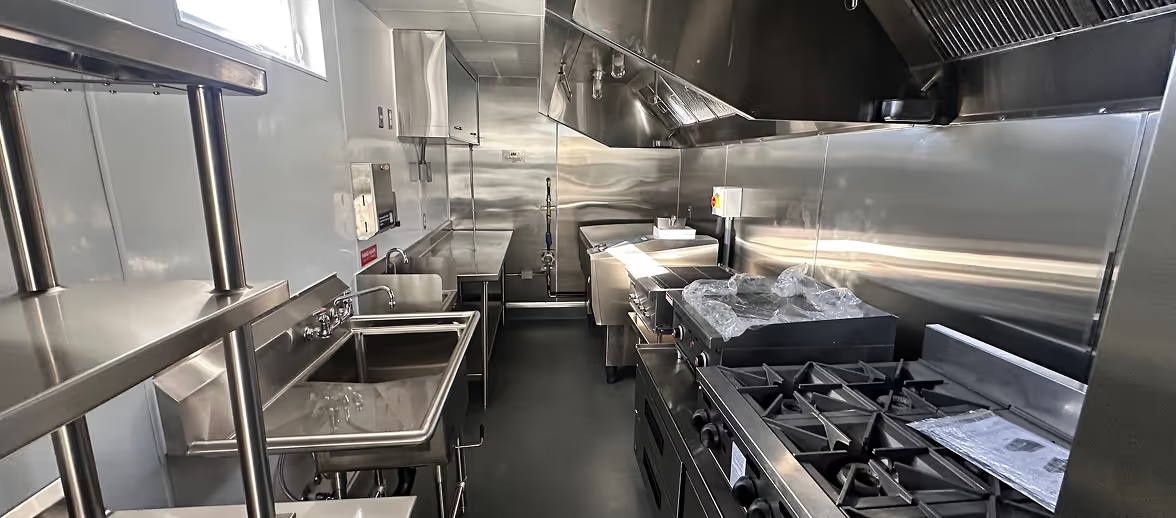
Did you know that operating a mobile kitchen trailer without proper permits can result in fines up to $10,000 and immediate shutdown orders? For hospitality operations relying on temporary kitchen solutions during renovations or special events, understanding mobile kitchen trailer permit requirements is critical to maintaining uninterrupted service. From health department approvals to fire safety certifications, each jurisdiction has specific regulations governing mobile food service operations. Whether you're a hotel maintaining guest service during kitchen renovations or a country club hosting outdoor events, securing the right permits protects your operation and ensures compliance. This guide outlines the essential permits required for mobile kitchen trailers and provides actionable steps to navigate the approval process efficiently.
Mobile Kitchen Trailer Permit Categories
The mobile kitchen trailer permit framework operates across three regulatory tiers: federal standards, state implementation, and local enforcement. Each level addresses distinct operational aspects while creating interconnected compliance requirements.
Federal agencies establish baseline requirements through FDA mobile food unit guidelines and USDA food safety regulations that apply nationwide. State authorities adapt these standards to local conditions while maintaining federal compliance. Local jurisdictions implement specific permitting procedures that vary significantly between municipalities.
Note: Understanding this hierarchy helps operators identify the appropriate agencies for each permit type and avoid duplicate applications that delay approval timelines.
Fire safety compliance follows NFPA 96 ventilation standards consistently across jurisdictions, while health department interpretations create more variability in food safety requirements.

Mandatory Operating Permits
Business Foundation Permits
Every mobile kitchen operation requires proper business establishment before operational permits become available. This foundation includes Federal EIN registration, state business entity formation, and local business licensing.
- Federal tax identification through IRS EIN application
- State business registration with Secretary of State
- Municipal business license from city clerk offices
- Sales tax permits for revenue reporting
Tip: Complete business registration 4-6 weeks before operational permit applications, as most agencies verify active business status during review processes.
Annual fees typically range $75-$300 depending on jurisdiction size and business classification. Some areas offer expedited processing for additional fees when project timelines require faster approvals.
Health Department Authorization
Health permits represent the most comprehensive regulatory evaluation for mobile food operations. Inspectors verify equipment specifications, sanitation protocols, and food safety procedures against local health codes derived from federal standards.
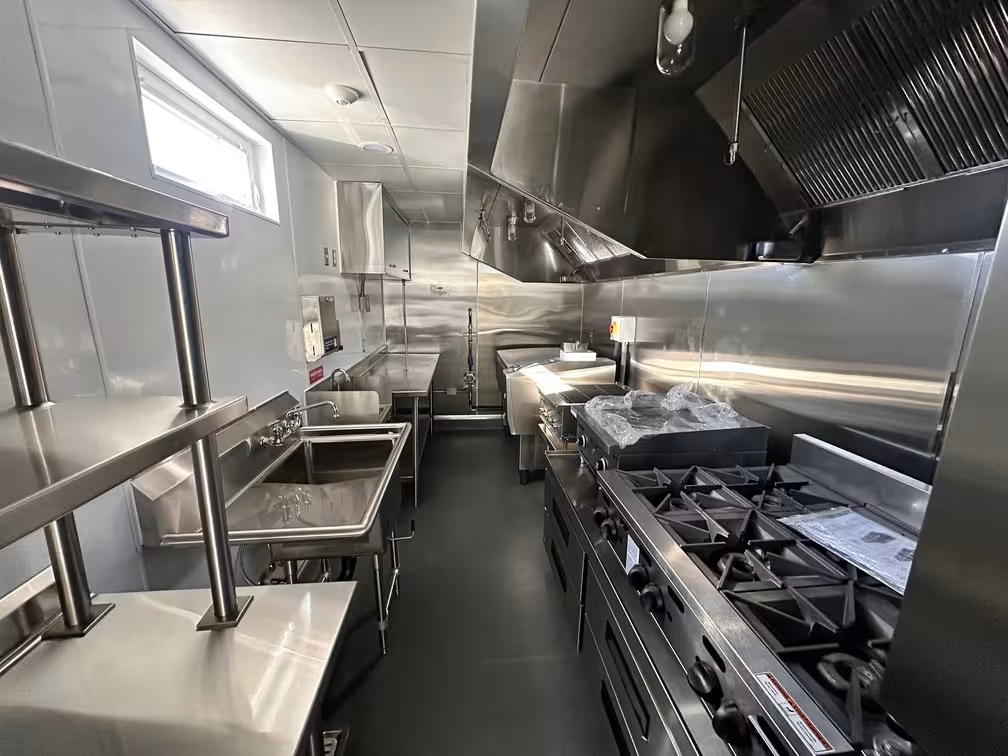
Essential inspection elements include refrigeration systems maintaining 38-41°F temperatures, hot holding equipment reaching 140°F minimum, complete warewashing stations with sanitizer, and potable water systems with backflow prevention.
The NSF mobile food service standards provide equipment certification criteria that health inspectors verify during approval evaluations. Professional mobile kitchen solutions incorporate these specifications from initial design, enabling streamlined health department approvals.
Example: Miami-Dade County requires detailed plumbing diagrams, complete equipment specifications, and proof of commissary agreements before scheduling initial health inspections.

Fire Safety Certifications
Fire department approvals address life safety concerns related to cooking equipment, fuel systems, and emergency procedures. All commercial cooking appliances require proper ventilation and automatic suppression systems.
Critical inspection criteria include Type I exhaust hoods with UL 710 certification, automatic fire suppression systems meeting UL 300 standards, propane storage with emergency shutoffs, and adequate egress planning for occupant safety.
Note: Fire inspections typically precede health department reviews, as ventilation and suppression systems must be operational before food safety evaluations can occur.
Maintenance requirements include annual suppression system inspections, semi-annual hood cleaning, and quarterly propane system checks. National Restaurant Association compliance resources provide industry-specific guidance for ongoing fire safety maintenance.
Transportation Compliance
Vehicle registration establishes legal road operation authority through Department of Motor Vehicles licensing. Commercial classification depends on trailer weight, towing capacity, and intended usage patterns.
- Commercial vehicle registration with proper weight classification
- DOT compliance for units exceeding federal weight limits
- Commercial insurance meeting state minimum requirements
- Safety inspection certification for roadworthiness
Tip: Trailers exceeding 26,000 pounds require commercial driver licensing in most states, adding training and testing requirements to operational timelines.

Site-Specific Permit Requirements
Zoning Compliance Authorization
Municipal zoning permits control operational locations within city boundaries based on land use compatibility and traffic impact considerations. These approvals address noise restrictions, parking requirements, and proximity regulations to existing restaurants.
Common limitations include 300-foot minimum distances from brick-and-mortar establishments, designated operating hours in residential zones, approved utility connection points, and compliance with Americans with Disabilities Act requirements.
Understanding mobile kitchen trailer specifications helps operators identify locations with adequate infrastructure support for electrical, water, and wastewater connections required by zoning permits.
Example: Austin, Texas maintains interactive zoning maps showing pre-approved locations for mobile vendors, streamlining site selection and permit applications for qualified operators.
Temporary Event Authorizations
Special event permits enable mobile kitchen operations at festivals, weddings, farmers markets, and corporate gatherings. These temporary authorizations often require expedited inspection schedules and additional insurance documentation.
Event-specific requirements include proof of commissary access even for single-day operations, temporary utility connections meeting electrical codes, waste disposal contracts with licensed haulers, and emergency contact procedures for health officials.
Many venues coordinate group permitting for multiple vendors while requiring individual health certifications from each operator. The private club mobile kitchen solutions process demonstrates how temporary permits support high-end hospitality operations during facility renovations.

Essential Supporting Documentation
Commissary Kitchen Agreements
Commissary relationships provide essential support services that many jurisdictions require for mobile vendor licensing. Even fully equipped trailers may need commissary access for regulatory compliance regarding food preparation and equipment maintenance.
Required commissary services typically include commercial food preparation space, three-compartment warewashing facilities, adequate refrigeration and freezer storage, and approved wastewater disposal systems meeting environmental regulations.
Note: Health departments often require notarized commissary agreements specifying available services before issuing mobile vendor permits, regardless of trailer self-sufficiency capabilities.
Monthly commissary costs range $300-$800 depending on location and service levels. Common mobile kitchen applications in hospitality often utilize existing facility infrastructure to meet commissary requirements cost-effectively.
Environmental Compliance Permits
Environmental permits address wastewater management, grease disposal, and fuel handling procedures that protect local water resources. All graywater from mobile operations requires disposal through approved sanitary systems.
- Wastewater discharge permits specifying approved disposal methods
- Grease trap cleaning contracts with licensed waste haulers
- Fuel storage compliance for propane and generator systems
- Stormwater protection plans for outdoor operations
Coastal areas may impose additional marine protection requirements for operations near sensitive waterways. The mobile kitchen delivery and setup process includes environmental compliance verification to ensure proper permit coverage.

Strategic Permit Timeline Planning
Successful mobile kitchen trailer permit acquisition requires coordinated scheduling across multiple agencies to minimize delays. Health department inspections typically represent the longest approval timeline, often requiring 3-5 weeks from complete application submission to final approval.
Fire safety inspections can proceed simultaneously with health reviews when equipment installations are complete and properly documented. Business licensing and vehicle registration can advance independently but should be completed early to support subsequent permit applications requiring proof of business status.
Tip: Initiate the permitting process 8-10 weeks before planned operational launch to accommodate potential delays, required modifications, or re-inspections that extend approval timelines.
The renovation project timeline planning process demonstrates how permit coordination impacts overall project schedules, particularly for hospitality operations maintaining service during facility improvements.
Operators serving multiple jurisdictions should prioritize permits in their primary market first, then expand to secondary locations once initial approvals establish operational precedent and demonstrate regulatory compliance capabilities.
Maximizing Compliance Efficiency
Professional permit management extends beyond regulatory compliance to support operational efficiency and market access. Valid permits enable participation in premium events, corporate contracts, and institutional opportunities requiring verified regulatory standing.
Insurance carriers provide favorable rates for fully permitted operations with documented safety records. Hotel kitchen renovation strategies often rely on compliant mobile kitchens to maintain service quality during facility upgrades.
Example: Luxury resorts require comprehensive permit documentation before approving mobile kitchen vendors, making compliance a competitive advantage for accessing high-value hospitality contracts.
Purpose-built units from experienced providers understand regional permit variations and include compliance features that accelerate approval processes. This expertise proves particularly valuable for permanent kitchen renovation permits where mobile solutions provide interim service capabilities.
People Also Ask (FAQ)
What permits are required to operate a mobile kitchen trailer?
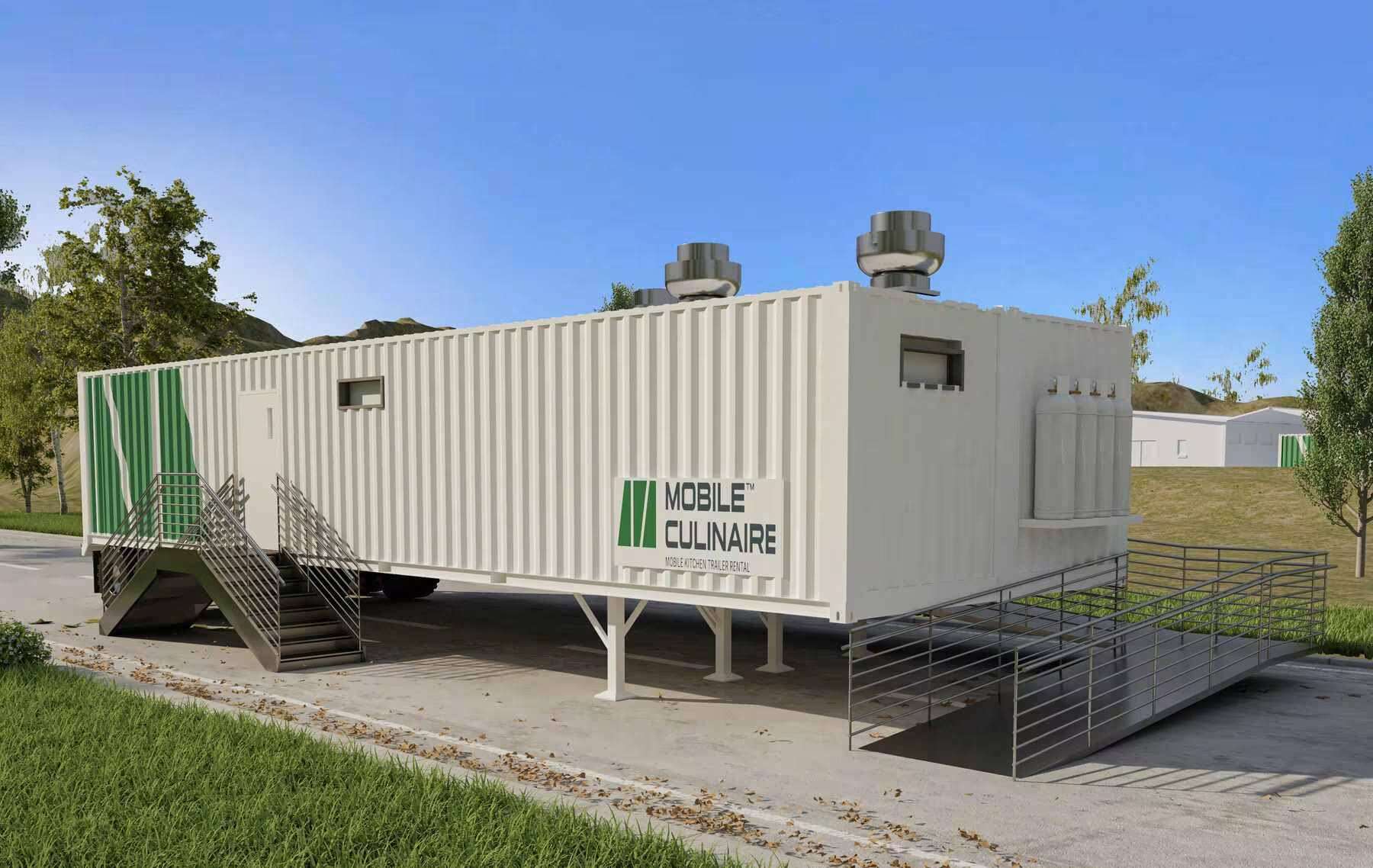
Mobile kitchen trailers typically require several permits including a mobile food vendor permit from the health department, business license, fire department approval, and zoning compliance permit. Additional permits may include wastewater discharge permits and electrical permits depending on the trailer's setup and location. The specific requirements vary by state and local jurisdiction, making it essential to consult with local authorities early in the planning process.
How long does it take to get permits for a mobile kitchen trailer?
Permit processing times vary significantly by jurisdiction but typically range from 2-8 weeks for standard approvals. Health department permits often take the longest, requiring inspections and documentation review. Fire department approvals may be faster if proper safety systems are documented. Planning your renovation timeline should account for these permit processing periods to avoid operational delays.
Do mobile kitchen trailers need different permits than permanent kitchens?
Yes, mobile kitchen trailers require specialized permits that differ from permanent commercial kitchens. While both need health department approvals, mobile units require additional permits for mobility, temporary placement, and utility connections. Mobile kitchens must also comply with transportation regulations and may need permits for each location where they operate. Understanding permanent kitchen permit requirements helps highlight these key differences.
Can I operate a mobile kitchen trailer on private property without permits?
No, permits are typically required regardless of whether the mobile kitchen operates on public or private property. Health department permits, business licenses, and zoning approvals are usually mandatory for any commercial food service operation. Private property may have additional restrictions or require special use permits. Even when renting mobile kitchens for private club renovations, proper permitting ensures compliance and protects your operation from legal issues.
Conclusion
Securing comprehensive permits for mobile kitchen trailer operations requires strategic coordination across multiple regulatory agencies and careful timeline management. Success depends on understanding jurisdiction-specific requirements, maintaining compliant equipment specifications, and engaging with authorities early in the planning process.
Navigate complex regulatory requirements with purpose-built mobile kitchen solutions designed for streamlined permit approval and consult with regulatory compliance experts who understand jurisdiction-specific permitting processes.

Testimonial

"What is standing out when you look at the mobile kitchen operation is the efficiency that we can really achieve because it's built for that."
Tell us about your kitchen needs and request a quote.
.png)
Turnkey mobile kitchen
Proudly made in-house in the USA
Commercial grade kitchen equipment
Code-compliant
Trusted by Industry Leaders