.gif)
%20(1).avif)
Over 87% of foodborne illness outbreaks in commercial food service can be traced back to temperature control violations and poor sanitation practices. When hospitality operations transition to mobile kitchens during renovations or expansions, maintaining the same rigorous health and safety standards becomes critical—not just for regulatory compliance, but for protecting your reputation and guest safety. Mobile kitchens must navigate complex federal, state, and local health codes while operating in temporary configurations that present unique challenges. This comprehensive guide examines how purpose-built mobile kitchens comply with health and safety regulations, from FDA food codes to local health department requirements, ensuring your operation maintains the highest standards throughout your project.
Regulatory Foundation for Mobile Kitchens Health and Safety Regulations
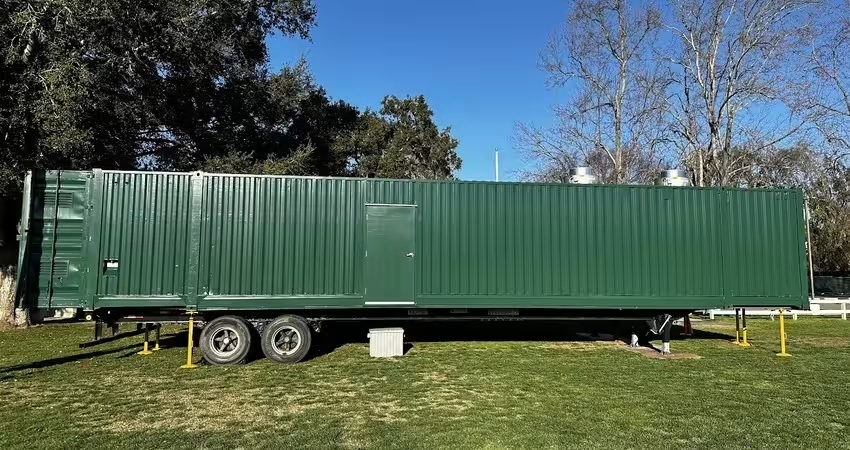
Commercial mobile kitchens operate under a multi-tiered regulatory framework combining federal guidelines, state implementations, and local enforcement. The FDA Food Code 2022 serves as the national baseline for food safety standards, while state health departments customize these requirements for mobile food establishments. Local authorities having jurisdiction (AHJs) enforce specific permits, inspections, and operational conditions.
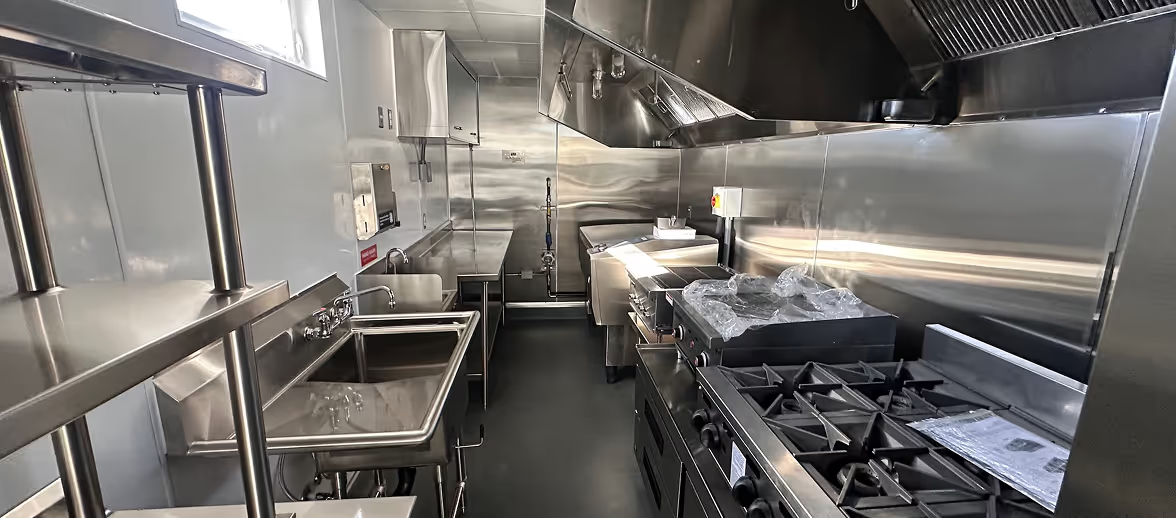
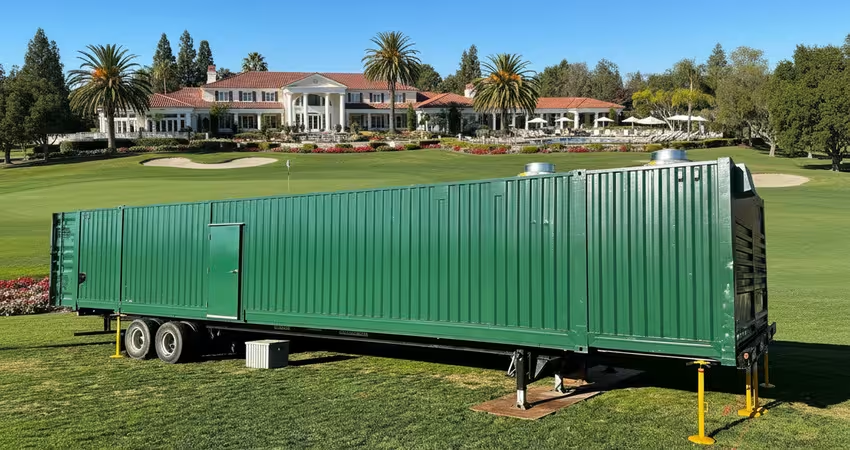
Mobile kitchens health and safety regulations classify these units as Mobile Food Establishments (MFEs), subject to nearly identical standards as permanent commercial kitchens. Additional requirements address mobility-specific concerns including fuel systems, utility connections, structural stability, and emergency access.
Note: Understanding commercial kitchen renovation permits helps operators navigate the complex approval process for temporary food service operations.
Key Regulatory Authorities
- Federal Level: FDA Food Code establishes food safety baselines for employee health, sanitation, temperature control, and hazard analysis
- State Level: Health departments adapt federal guidelines and define mobile-specific requirements for water capacity, waste handling, and operator certifications
- Local Level: Fire marshals, building officials, and health inspectors enforce permits, zoning restrictions, and operational compliance
The NFPA 96 Standard for Ventilation Control governs exhaust systems and fire protection for commercial cooking equipment, while NSF commercial foodservice equipment standards ensure sanitation-critical components meet industry requirements.
Food Safety Infrastructure Requirements
Professional mobile kitchens must incorporate specific infrastructure elements to support food safety protocols mandated by health codes.

Temperature Control Systems
Time/temperature control for safety (TCS) foods require precise monitoring throughout storage, preparation, and service. Health departments enforce strict temperature thresholds:
- Cold holding: 41°F (5°C) or below
- Hot holding: 135°F (57°C) or above
- Frozen storage: 0°F (-18°C) or below
Commercial-grade refrigeration and freezer units must maintain temperatures during peak demand and frequent access. Digital monitoring systems provide continuous logging capabilities that inspectors increasingly require for verification during routine inspections.
Tip: Automated temperature alerts prevent costly product loss and help maintain continuous compliance documentation required by most health departments.
Sanitation Infrastructure
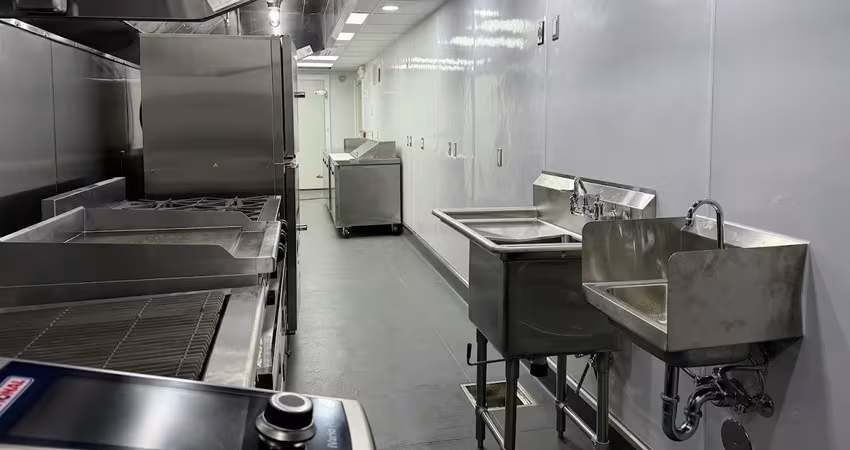
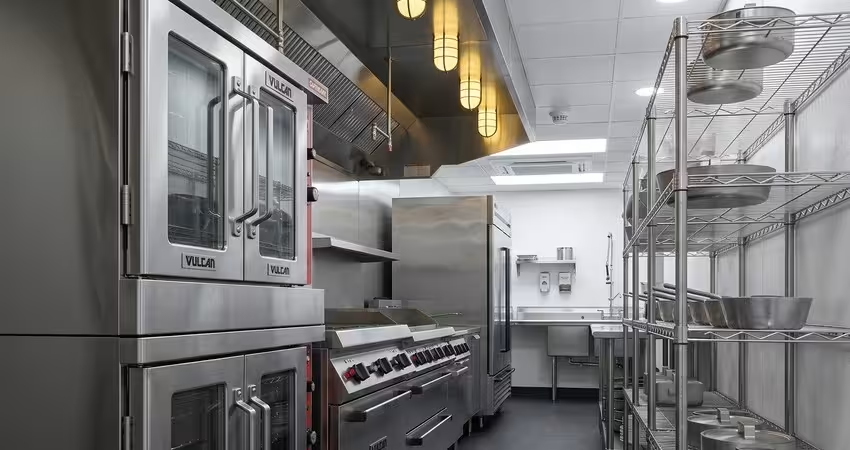
Every compliant mobile kitchen requires dedicated sanitation facilities including:
- Handwashing station: Accessible from all food prep areas with soap dispensers, single-use towels, and posted hygiene reminders
- Three-compartment warewashing sink: Sized for the largest utensil with adequate drainboard space for air-drying
- Utility sink: Separate facility for cleaning mops, equipment, and maintenance activities
Water systems must provide adequate hot water capacity for simultaneous handwashing and dishwashing operations without temperature degradation. The EPA public water system regulations establish quality standards for potable water supplies used in food service operations.
Cross-contamination prevention requires designated storage areas, color-coded preparation tools, and approved sanitizing solutions maintained at proper concentrations throughout service periods.
Fire Protection and Ventilation Compliance
Commercial cooking operations generating grease-laden vapors trigger comprehensive fire safety requirements under local fire codes and national standards.
Exhaust Hood Systems
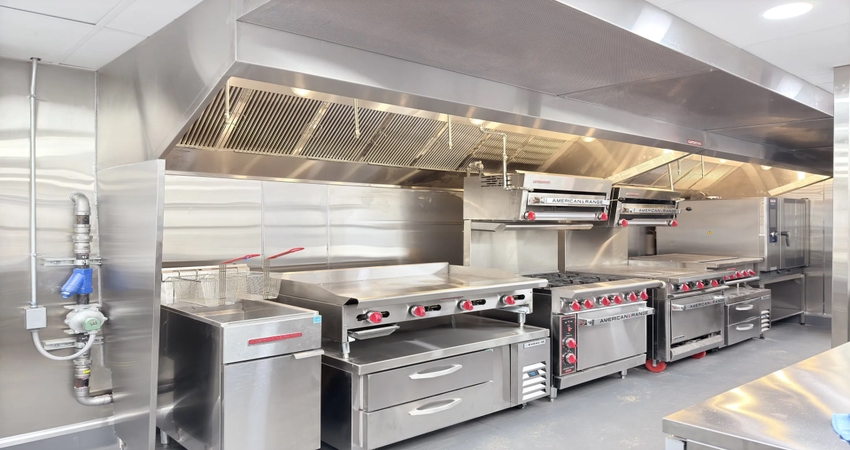
Type I exhaust hoods must capture and contain grease-laden vapors from all commercial cooking equipment including fryers, griddles, ranges, and broilers. Hood systems require:
- Listed grease filters with proper mesh specifications
- Grease-tight ductwork extending to exterior termination
- Access panels enabling thorough cleaning and inspection
- Proper clearances from combustible materials per manufacturer specifications
Regular cleaning schedules depend on cooking volume and fuel type, with service documentation maintained on-site for inspector verification.
Fire Suppression Integration
UL 300-compliant wet-chemical suppression systems protect all cooking equipment under Type I hoods. System design must match exact appliance configurations, with nozzle placement covering all potential ignition sources. Any equipment changes require system re-evaluation and re-certification to maintain compliance.
Example: Adding a small countertop fryer to an existing cook line requires suppression system modification and re-inspection, even if the fryer seems insignificant compared to larger equipment.
Staff training on manual activation procedures and post-discharge protocols ensures effective emergency response when automatic systems deploy.
Fuel System Safety
LP-gas and compressed natural gas systems fall under International Fire Code Section 319 requirements for mobile food preparation vehicles. Key compliance areas include:
- Maximum cylinder quantities and approved mounting configurations
- Separation distances from ignition sources and ventilation intakes
- Protection from physical damage and excessive heat exposure
- Proper relief valve orientation away from personnel areas
Regular inspection of flexible connectors, pressure regulators, and emergency shutoff controls helps prevent gas leaks and ensures system integrity throughout operations.
Inspection Procedures and Documentation
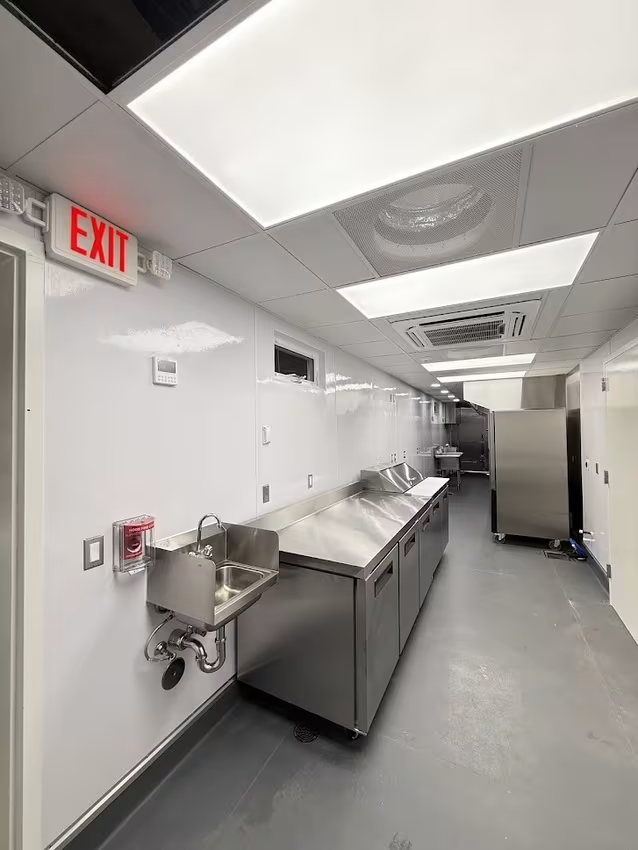
Health department inspections evaluate operational readiness, equipment compliance, and staff training before approving mobile kitchen deployments.
Pre-Operational Inspections
Initial inspections verify proper installation of all required systems including plumbing connections, electrical installations, fire protection equipment, and ventilation performance. Inspectors check equipment certifications, water quality test results, and staff health policies before issuing operational permits.
The mobile kitchen setup and delivery process includes comprehensive safety checks and system verification to ensure inspection readiness upon arrival.
Ongoing Compliance Documentation
Operators must maintain current records including:
- Temperature logs for all refrigeration and hot-holding equipment
- Cleaning and sanitizing schedules with chemical concentration verification
- Fire suppression system inspection tags and maintenance records
- Staff training certificates and health screening documentation
- Water quality testing results and backflow prevention device certifications
Note: Digital documentation systems streamline record-keeping and provide immediate access during surprise inspections or audit situations.
Specialized Considerations for Different Operations
Various food service sectors face unique regulatory requirements when implementing mobile kitchen solutions during operational transitions.

Healthcare and Institutional Facilities
Healthcare facilities using mobile kitchens during renovations must address additional requirements including dietary department oversight, allergen management protocols, and therapeutic diet preparation capabilities. Patient safety considerations often require enhanced documentation and specialized staff certifications beyond standard food service requirements.
Hotel and Resort Operations
Mobile kitchen solutions for hospitality must maintain luxury service standards while meeting all health code requirements. Guest-facing operations require additional considerations for noise control, aesthetic integration, and service flow optimization without compromising safety protocols.
Understanding maintaining food service during renovations helps hospitality operators plan compliance strategies that protect both operational continuity and guest satisfaction.
Multi-Unit Food Service Operations
Who uses mobile kitchens spans diverse industries including corporate dining, educational institutions, and event venues, each with specific regulatory considerations. Large-scale operations may require additional permits, enhanced waste management systems, and coordinated inspection schedules across multiple jurisdictions.
Avoiding common kitchen renovation mistakes includes selecting properly engineered mobile solutions that meet all applicable health and safety standards from project initiation.
Best Practices for Sustained Compliance
Maintaining consistent compliance requires systematic approaches to daily operations, staff training, and preventive maintenance throughout mobile kitchen deployments.
Staff Training and Certification
Food safety certification programs ensure staff understand critical control points, proper sanitation procedures, and emergency response protocols. Regular training updates address regulatory changes and reinforce best practices for mobile kitchen environments.
The CDC food safety guidelines for food service provide comprehensive guidance for preventing foodborne illness through proper handling, cooking, and storage procedures.
Preventive Maintenance Programs
Scheduled maintenance prevents equipment failures that could compromise food safety or trigger compliance violations. Regular calibration of temperature monitoring devices, cleaning of ventilation systems, and inspection of fire protection equipment maintains operational readiness.
Tip: Preventive maintenance logs serve as valuable documentation during inspections and help identify potential issues before they become compliance problems.
Industry resources including National Restaurant Association food safety resources provide updated guidance on emerging regulations and industry best practices for mobile food service operations.
How Purpose-Built Mobile Kitchens Address Compliance Challenges
Professional purpose-built mobile kitchens incorporate compliance requirements into their fundamental design, distinguishing them from retrofitted trailers or basic food trucks that may struggle to meet comprehensive health and safety standards.
Engineered solutions address space constraints through optimized mobile kitchen equipment and layout that maintains required clearances, workflow efficiency, and inspection accessibility. Commercial-grade utilities support peak demand requirements while integrated safety systems provide comprehensive protection.
Example: Purpose-built units feature properly sized grease traps, adequate ventilation capacity, and integrated fire suppression coverage that retrofitted units often cannot accommodate within their structural limitations.
Documentation packages include equipment certifications, installation specifications, and operational procedures that streamline permitting processes and support successful inspections across diverse jurisdictions.
People Also Ask (FAQ)
What health codes apply to mobile kitchens?
Mobile kitchens must comply with FDA Food Code requirements, state health department regulations, and local health codes where they operate. These include temperature control standards, water quality requirements, waste disposal protocols, and ventilation specifications. Proper permits and inspections are required before operations can begin in most jurisdictions.
How do mobile kitchens maintain food safety during transport?
Professional mobile kitchens use refrigerated transport systems, sealed food storage containers, and temperature monitoring devices to maintain cold chain integrity. All perishable items are stored at proper temperatures throughout transport and setup. The delivery and setup process includes comprehensive safety checks before food service operations begin.
Are mobile kitchens inspected by health departments?
Yes, mobile kitchens typically undergo health department inspections before operation, similar to permanent commercial kitchens. Inspectors verify proper equipment installation, water and waste connections, temperature controls, and sanitation procedures. Some jurisdictions require additional permits for temporary food service operations beyond standard mobile unit permits.
What safety equipment is required in mobile kitchens?
Mobile kitchens must include fire suppression systems, adequate ventilation, emergency shut-offs for gas and electrical systems, and proper lighting for food preparation areas. Professional mobile kitchen units are engineered with safety systems that meet or exceed NFPA and local fire code requirements for commercial food service operations.
Conclusion
Mobile kitchens health and safety regulations require the same rigorous compliance standards as permanent commercial kitchens, with additional considerations for mobility and compact design. Success depends on proper engineering, comprehensive documentation, and disciplined operational procedures rather than facility type.
Professional mobile kitchen solutions provide the infrastructure, documentation, and support necessary for consistent regulatory compliance across diverse jurisdictions. Contact our mobile kitchen specialists or request a compliance consultation to ensure your temporary food service operations meet all applicable health and safety requirements.

Testimonial

"What is standing out when you look at the mobile kitchen operation is the efficiency that we can really achieve because it's built for that."
Tell us about your kitchen needs and request a quote.
.png)
Turnkey mobile kitchen
Proudly made in-house in the USA
Commercial grade kitchen equipment
Code-compliant
Trusted by Industry Leaders