.gif)
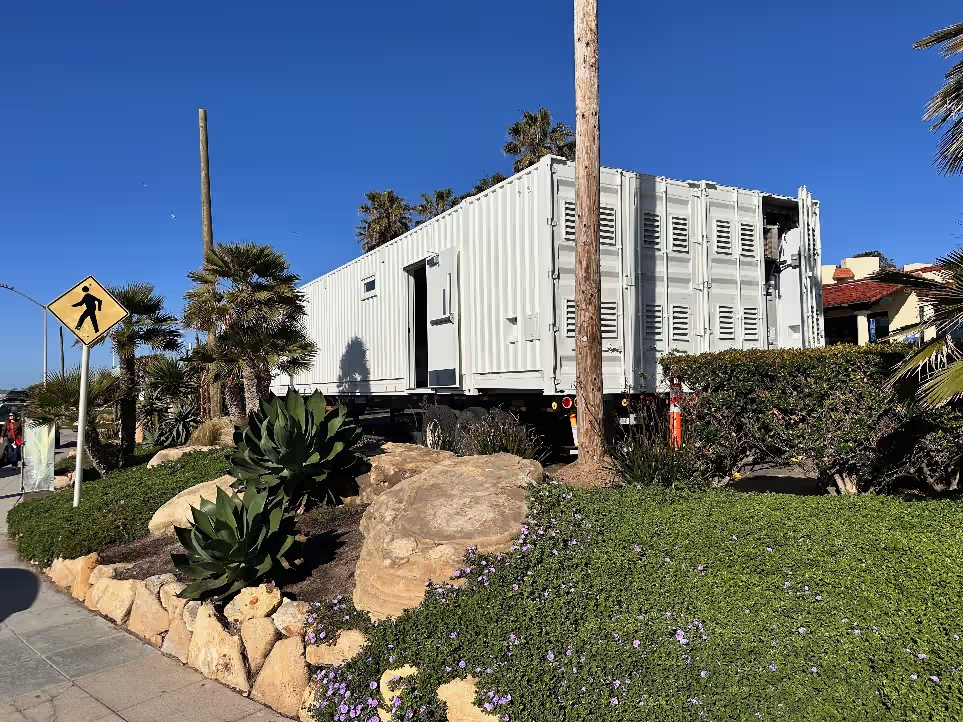
Nearly 70% of temporary kitchen trailer deployments encounter significant operational failures within their first year of service. These failures aren't just inconvenient—they can shut down entire food service operations, cost thousands in lost revenue, and damage hard-earned reputations. For hospitality executives managing renovations, expansions, or emergency situations, understanding why kitchen trailers fail is critical to avoiding costly mistakes. This article examines the most common failure points in temporary kitchen solutions, from structural inadequacies and equipment breakdowns to regulatory compliance issues, and reveals what separates reliable mobile kitchen solutions from the problematic trailers that plague the industry.
The Primary Causes of Kitchen Trailer Failures
Inadequate Electrical Infrastructure
Most kitchen trailer failures stem from undersized electrical systems that can't handle commercial cooking demands. Retrofitted cargo trailers often feature residential-grade wiring and inadequate power distribution, leading to frequent breaker trips and equipment shutdowns during peak service periods.
Note: The UL safety alert for mobile food units specifically addresses electrical hazards in improperly converted trailers, emphasizing the importance of commercial-grade electrical systems.
Generators sized incorrectly for actual load demands create additional problems. Many operators underestimate the power requirements for simultaneous equipment operation, resulting in frequent outages that disrupt service and damage equipment through voltage fluctuations.

Ventilation System Failures
Poor ventilation design represents another critical failure point in kitchen trailer operations. Many retrofitted units lack proper hood systems that meet NFPA 96 ventilation standards, resulting in inadequate grease capture and fire suppression coverage.
Inadequate airflow creates dangerous working conditions, excessive heat buildup, and grease accumulation that poses fire risks. Health departments frequently cite ventilation violations during inspections, leading to immediate shutdowns until corrections are made.
Tip: Proper ventilation systems require professional engineering calculations based on actual cooking equipment BTU output and cooking methods, not generic specifications.
Substandard Equipment Installation
Equipment failures plague many kitchen trailer operations due to improper installation and non-commercial grade components. Refrigeration units without adequate capacity fail during high-demand periods, while improperly mounted appliances suffer damage from road vibration and trailer movement.
Many operators choose residential or light-duty commercial equipment to reduce costs, only to face constant repairs and replacements. Equipment that lacks NSF commercial equipment standards certification often fails health inspections and creates food safety risks.
Water systems present additional challenges, with inadequate pressure, insufficient hot water capacity, and poorly designed waste handling systems causing operational disruptions and compliance violations.
Regulatory Compliance Challenges
Health Department Requirements
Many kitchen trailer failures occur when units cannot pass mandatory health inspections. Common violations include inadequate handwashing facilities, missing temperature monitoring equipment, and insufficient food storage systems that fail to meet FDA Food Code requirements.
Improper food handling surfaces, inadequate sanitization systems, and poor waste management create immediate health risks that inspectors cannot overlook. Understanding commercial kitchen permits and compliance requirements before deployment prevents costly delays and rework.
- Blocked or improperly equipped handwashing stations
- Missing or uncalibrated thermometers
- Incorrect sanitizer concentrations
- Temperature control violations for food storage
- Pest control deficiencies
Example: Recent inspection reports show that over 60% of mobile food unit failures involve handwashing station violations, which are entirely preventable with proper planning and setup procedures.
Fire Safety Code Violations
Fire safety represents a critical compliance area where many kitchen trailer operations fail. Inadequate fire suppression systems, improper fuel storage, and non-compliant ventilation create immediate safety hazards that fire marshals cannot approve.
Operators often overlook specific requirements for propane storage, electrical grounding, and emergency shutoff procedures. The CDC environmental assessment guidelines emphasize the importance of proper setup procedures to prevent food safety incidents and regulatory violations.
Note: Fire suppression systems must match the specific cooking equipment installed, with wet-chemical systems required for most commercial cooking applications under modern safety standards.
Financial Impact and Hidden Costs
Revenue Loss During Downtime
Equipment failures and compliance issues create immediate revenue losses that many operators underestimate. A single day of downtime during peak season can eliminate weeks of profit, while extended outages for repairs or regulatory corrections devastate cash flow.
The National Restaurant Association industry report indicates that foodservice operations typically operate on margins of 3-5%, making them extremely vulnerable to unexpected disruptions and repair costs.
Understanding the hidden costs of kitchen shutdowns helps operators prepare for the true financial impact of trailer failures and plan appropriate contingencies.
Tip: Build a financial buffer equivalent to 2-3 weeks of operating expenses to weather equipment failures and compliance delays without compromising business viability.
Emergency Repair and Replacement Costs
Failed equipment in remote locations creates expensive emergency service calls and temporary replacement costs. Many kitchen trailer operators discover that standard warranties don't cover mobile applications or damage from road vibration and frequent setup changes.
Compliance violations often require immediate corrections before operations can resume, leading to expedited parts orders, overtime labor charges, and lost revenue during the correction period. These cascading costs can quickly exceed the original equipment investment.
Avoiding Common Pitfalls
Choosing Quality Over Initial Cost
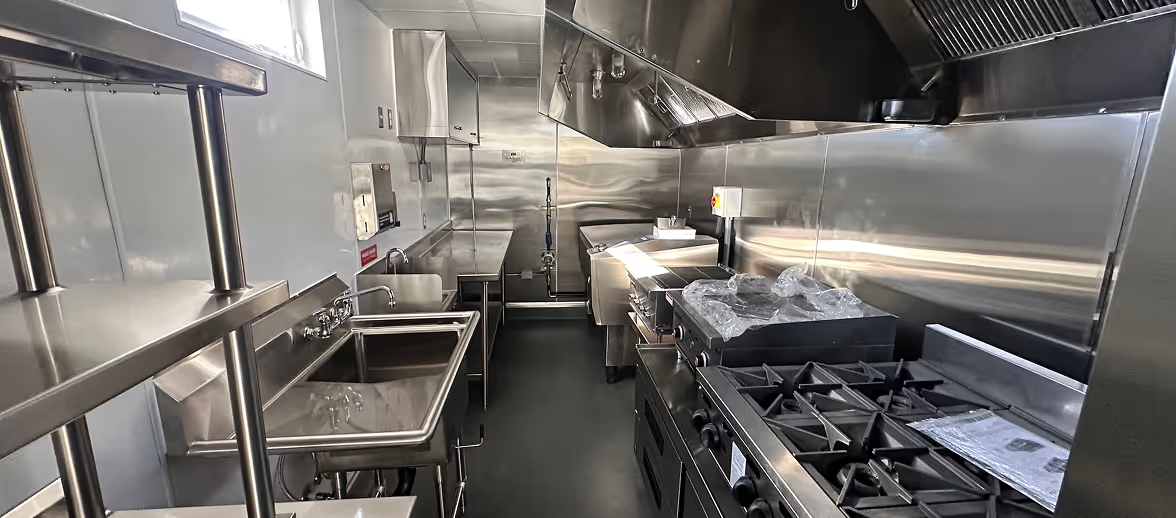
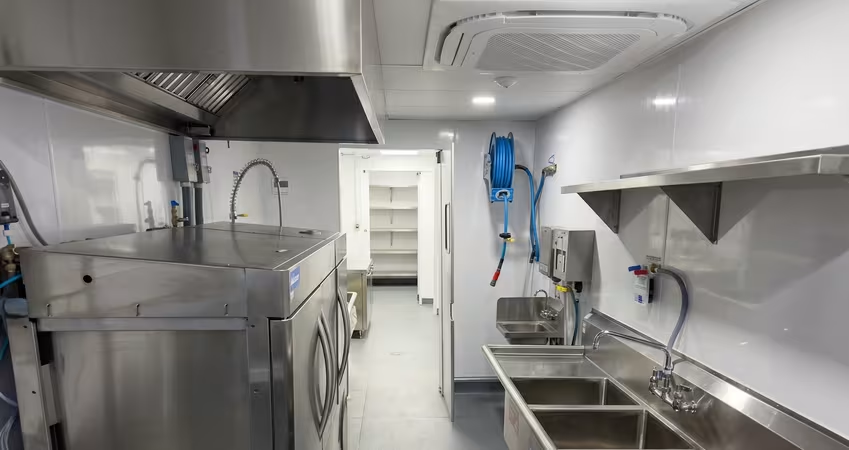
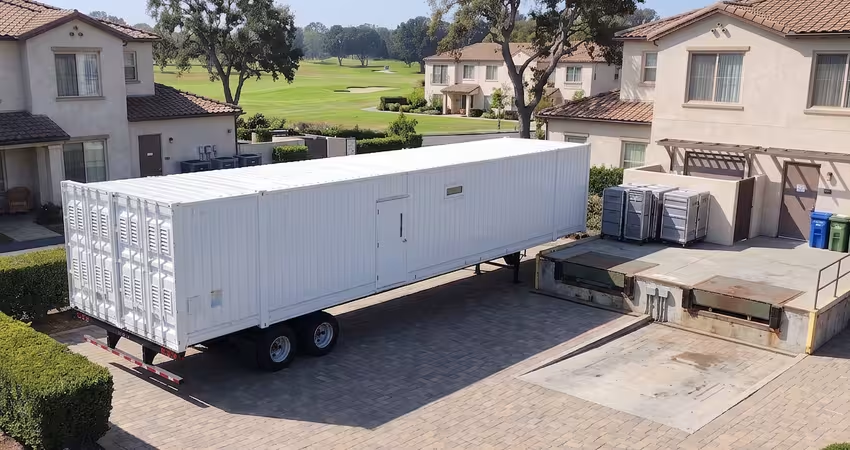
The temptation to minimize upfront costs by choosing retrofitted cargo trailers or substandard equipment creates expensive long-term problems. Purpose-built mobile kitchens engineered specifically for commercial food service eliminate most common failure modes through proper design and quality components.
Professional design addresses electrical capacity, ventilation requirements, equipment mounting, and regulatory compliance from the ground up rather than attempting to retrofit inadequate structures. This approach reduces failure rates and ensures reliable operations.
Learning what's inside a quality mobile kitchen helps operators distinguish between professional solutions and problematic conversions that create ongoing headaches.
Professional Installation and Setup
Many failures occur during initial setup when operators attempt to handle complex installations without proper expertise. Electrical connections, gas line installations, and ventilation system commissioning require professional knowledge to ensure safe and compliant operations.
A professional delivery and setup process includes system testing, compliance verification, and operator training that prevents common startup problems and ensures smooth operations from day one.
- Electrical system testing and load verification
- Gas system pressure testing and leak detection
- Ventilation system airflow measurement
- Fire suppression system commissioning
- Water system pressure and temperature testing

Preventive Maintenance Programs
Regular maintenance prevents small issues from becoming major failures. Many kitchen trailer operators neglect routine servicing until equipment fails, creating expensive emergency repairs and extended downtime.
Establishing maintenance schedules for all critical systems, including refrigeration, ventilation, electrical, and plumbing components, extends equipment life and maintains reliable operations. Professional maintenance providers understand the unique challenges of mobile kitchen equipment and can address issues before they cause failures.
Note: Maintenance requirements for mobile kitchens often exceed those for stationary installations due to vibration, temperature cycling, and frequent setup changes that stress equipment and connections.
When Professional Mobile Kitchen Rentals Make Sense
Renovation and Construction Projects
Kitchen renovations create extended service disruptions that damage guest experience and eliminate revenue streams. Professional mobile kitchen rentals provide fully operational facilities that maintain service quality while permanent kitchens undergo improvements.
Understanding protecting guest experience during renovations demonstrates how quality mobile kitchens preserve hospitality standards and prevent revenue losses during construction periods.
Hotels, resorts, and other hospitality operations benefit from rental solutions that eliminate the risks associated with purchasing, maintaining, and operating temporary kitchen facilities. This approach allows focus on core business operations while ensuring continuous food service capability.
Seasonal and Event-Based Operations
Many food service operations experience seasonal demand fluctuations that make permanent capacity expansion uneconomical. Mobile kitchen rentals provide flexible capacity that matches demand cycles without long-term capital commitments.
Event venues, catering operations, and seasonal businesses can access commercial-grade kitchen facilities only when needed, improving profitability and reducing the risks associated with owning specialized equipment that sees limited use.
The ROI of quality mobile kitchen rentals often exceeds ownership scenarios when utilization rates are considered over multi-year periods, particularly for specialized applications.
Emergency Response and Disaster Recovery
Natural disasters, equipment failures, and facility damage require immediate kitchen replacement to maintain operations and preserve business continuity. Quality mobile kitchen providers offer rapid deployment capabilities that restore service within days rather than weeks or months.
Understanding which operations benefit most from mobile solutions helps decision-makers evaluate rental versus purchase options. Common mobile kitchen users include healthcare facilities, educational institutions, hospitality operators, and emergency response organizations that require reliable backup capabilities.
Professional mobile kitchen rentals eliminate the complexity of equipment selection, regulatory compliance, maintenance, and operation while providing guaranteed performance and support throughout the rental period.
Success Factors for Reliable Operations
Proper Sizing and Configuration
Many kitchen trailer failures result from inadequate capacity planning that doesn't account for actual operational requirements. Proper sizing requires detailed analysis of menu complexity, service volume, and peak demand periods to ensure adequate equipment capacity.
Workflow design significantly impacts operational efficiency and staff safety. Professional kitchen designers understand traffic patterns, equipment relationships, and space optimization that maximize productivity while meeting regulatory requirements.
Understanding why hotels choose mobile kitchens reveals the importance of matching kitchen capabilities to actual operational needs rather than generic specifications.
Quality Assurance and Support
Successful kitchen trailer operations require ongoing support for maintenance, repairs, and operational questions. Many failures occur when operators lack access to qualified service providers or technical support during critical periods.
Professional mobile kitchen providers offer comprehensive support that includes preventive maintenance, emergency repairs, operator training, and regulatory compliance assistance. This level of support significantly reduces failure rates and ensures consistent operations.
Tip: Evaluate potential providers based on their support capabilities, response times, and local service network rather than focusing solely on initial rental rates or purchase prices.
People Also Ask (FAQ)
What are the most common reasons kitchen trailers break down?
The most frequent kitchen trailer failures stem from inadequate electrical systems, poor ventilation design, and substandard equipment installation. Many trailers are hastily retrofitted from cargo units rather than purpose-built for commercial food service, leading to overloaded circuits, insufficient airflow, and equipment that can't handle commercial demands. Understanding proper mobile kitchen design is essential for avoiding these pitfalls.
How do I avoid choosing a problematic kitchen trailer rental?
Focus on providers who manufacture purpose-built units rather than retrofitted cargo trailers, verify their compliance certifications, and request references from similar operations. Ask specific questions about electrical capacity, ventilation systems, and equipment specifications. A professional delivery and setup process is also a strong indicator of a reliable provider.
What permits and inspections do kitchen trailers need to pass?
Kitchen trailers must meet local health department requirements, fire safety codes, and often require temporary use permits from municipal authorities. Many trailer failures occur when units can't pass these inspections due to inadequate ventilation, improper electrical work, or substandard construction. Understanding commercial kitchen permits helps ensure compliance from the start.
Are kitchen trailers suitable for high-volume commercial operations?
Standard retrofitted trailers often fail under commercial demands due to inadequate power systems, insufficient equipment capacity, and poor workflow design. Purpose-built mobile kitchens can successfully handle high-volume operations when properly engineered for commercial use. The ROI analysis shows that investing in quality mobile kitchen solutions pays off for demanding hospitality operations.
Conclusion
Kitchen trailer failures typically result from fundamental design flaws, inadequate equipment, and compliance shortcuts rather than operational issues. Understanding these failure modes helps hospitality professionals avoid costly mistakes and service disruptions that damage guest satisfaction and revenue streams.
Success requires choosing properly engineered solutions that prioritize reliability over initial cost savings. Explore our purpose-built mobile kitchen solutions or discuss your specific requirements with our team.

%20(1).avif)
Testimonial

"What is standing out when you look at the mobile kitchen operation is the efficiency that we can really achieve because it's built for that."
Tell us about your kitchen needs and request a quote.
.png)
Turnkey mobile kitchen
Proudly made in-house in the USA
Commercial grade kitchen equipment
Code-compliant
Trusted by Industry Leaders