.gif)
Over 70% of senior living communities in the United States are operating with kitchen facilities that are more than 20 years old, creating significant challenges for resident satisfaction and operational efficiency. For administrators and food service directors, the prospect of a senior living renovation often brings concerns about meal service disruption, resident displacement, and maintaining quality care standards during construction. This comprehensive guide explores proven strategies for renovating senior living kitchens and dining facilities without compromising daily operations or resident experience. You'll discover how to plan phased renovations, implement temporary kitchen solutions, and maintain compliance with healthcare food service regulations throughout the renovation process.
Understanding the Critical Nature of Senior Living Kitchen Upgrades
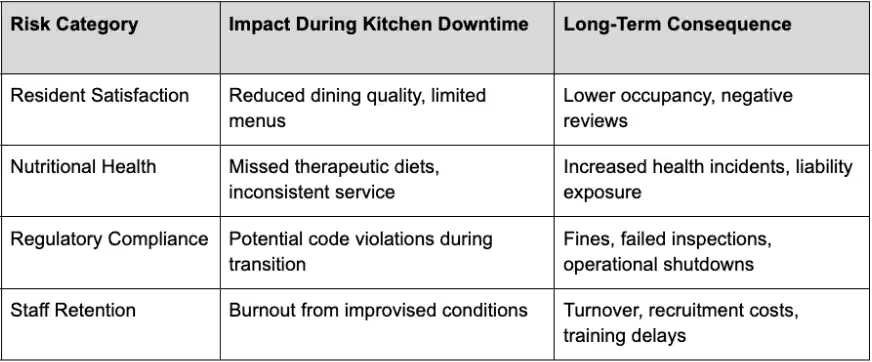
Senior living renovation projects differ fundamentally from standard commercial kitchen improvements. Residents cannot relocate during construction like hotel guests, nor can they dine elsewhere during service interruptions. Each meal represents a medical necessity for many residents with specialized dietary requirements.
Current market conditions intensify renovation urgency. The National Investment Center for Seniors Housing reports that communities built during the 1990s expansion are reaching critical infrastructure replacement cycles. Aging kitchen systems create operational inefficiencies, increased maintenance costs, and resident satisfaction challenges.
Note: Healthcare facility kitchens must comply with CMS food service requirements for nursing homes, which classify elderly residents as a highly susceptible population requiring enhanced food safety protocols.
Essential Pre-Renovation Planning for Meal Service Continuity
Successful senior living kitchen renovations require comprehensive operational planning beginning 12-16 weeks before construction. This extended timeline ensures proper permitting, staff training, and resident communication while maintaining regulatory compliance throughout the transition.
Analyzing Current Kitchen Operations and Capacity Needs
Document existing meal production volumes, dietary program requirements, and daily service schedules. Most senior communities serve 200-500 meals daily across multiple dietary modifications including pureed textures, low-sodium preparations, and diabetic-friendly options. Your temporary kitchen solutions during renovation must accommodate this full scope without reduction.
Evaluate current staffing workflows and equipment dependencies. Kitchen teams develop muscle memory around specific layouts and equipment placement. Temporary solutions that closely mirror existing workflows minimize training time and service disruption.
Regulatory Compliance During Construction
Healthcare facility kitchens operate under strict oversight from multiple agencies. The FDA Food Code guidelines mandate enhanced controls for vulnerable populations, while NFPA 101 Life Safety Code requirements govern fire safety systems in occupied healthcare buildings.
Coordinate with local health departments early in the planning process. Many jurisdictions require separate permits and inspections for temporary kitchen installations, adding 3-6 weeks to project timelines if not properly scheduled.
Temporary Kitchen Solutions: Evaluating Your Options
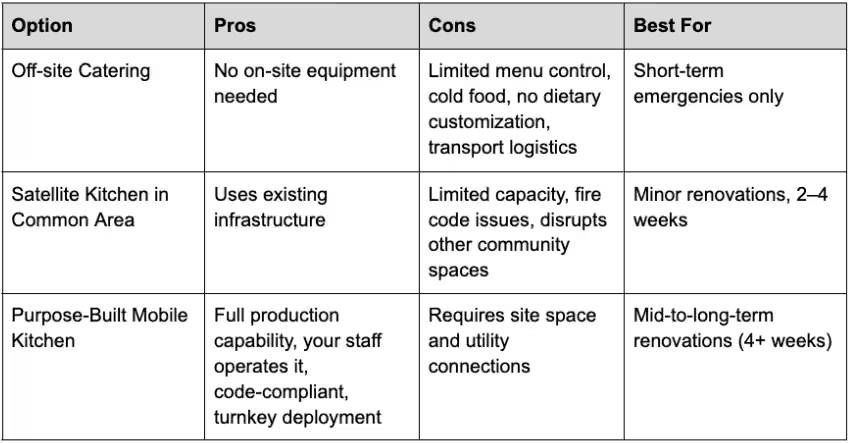
Three primary approaches exist for maintaining food service during senior living kitchen renovations: partial kitchen operation, external catering partnerships, and dedicated temporary kitchen installations. Each carries distinct advantages and limitations for healthcare environments.
Phased Renovation vs. Complete Kitchen Replacement
Phased construction allows continued operation of portions of the existing kitchen while renovating adjacent areas. This approach works for cosmetic updates or equipment replacement but becomes problematic when mechanical systems require overhaul.
Tip: Phased renovations involving electrical, plumbing, or HVAC modifications often create safety hazards and extend project timelines by 40-60% compared to complete shutdown approaches.
Complete renovation with temporary facilities offers greater construction efficiency and safety compliance. Our comprehensive renovation planning guide details the factors that determine which approach best serves your specific situation.
Mobile Kitchen Installations for Healthcare Facilities
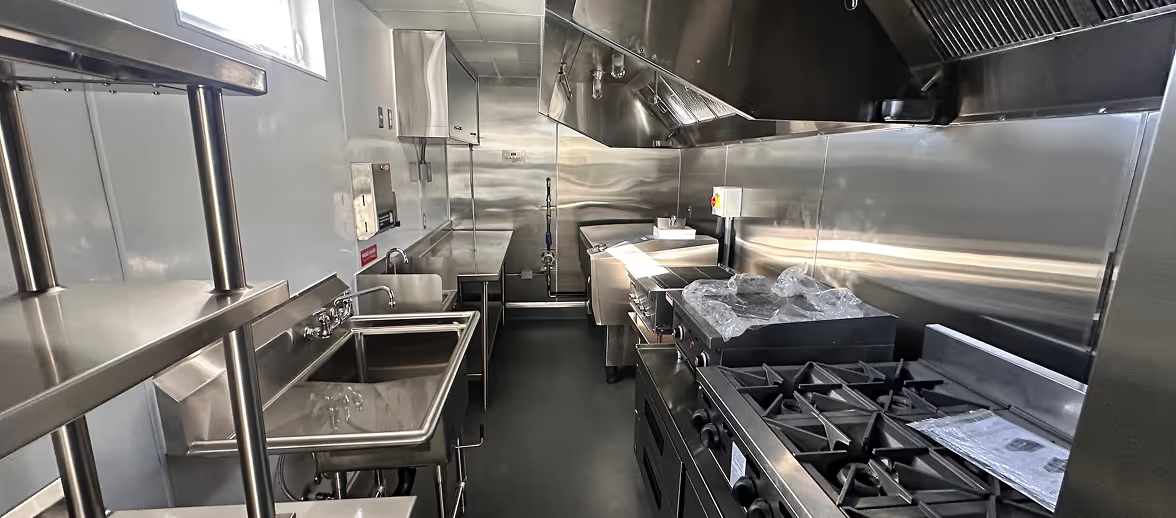
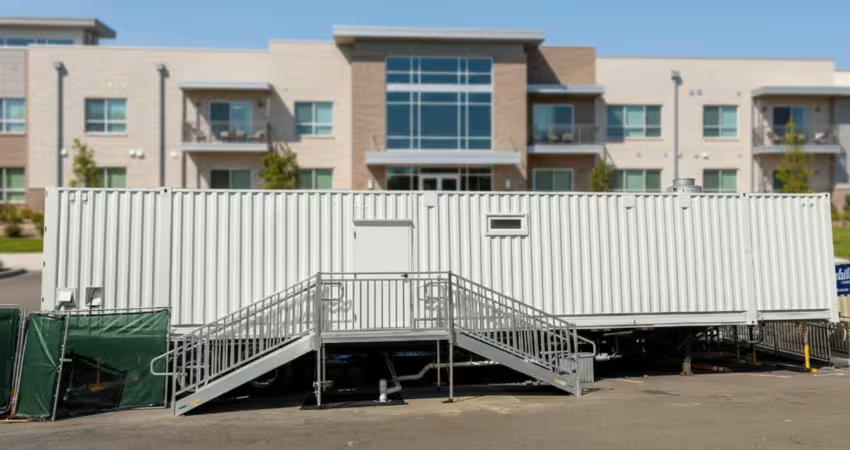
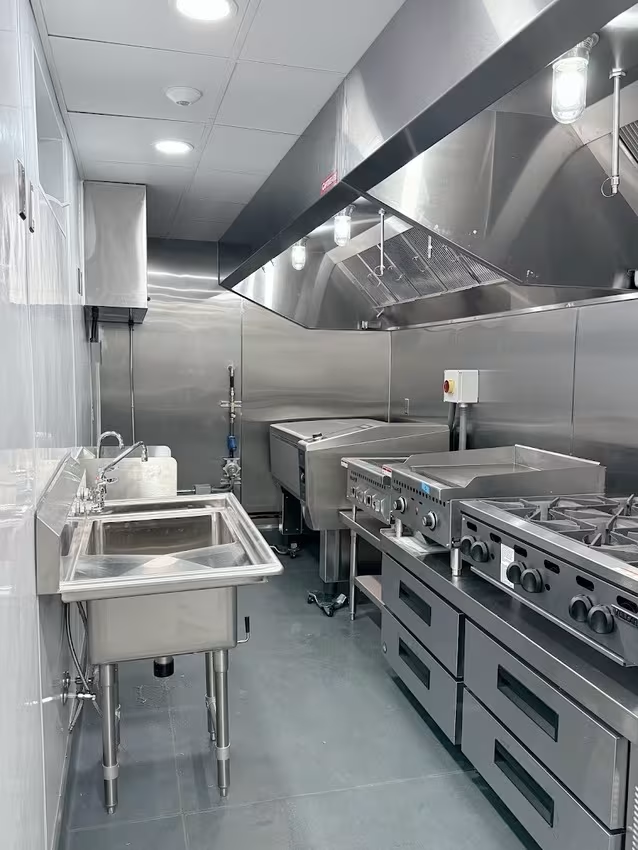
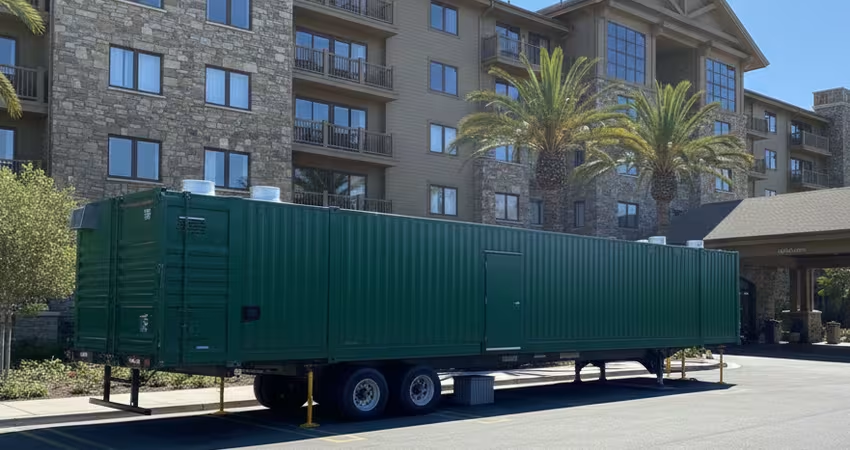
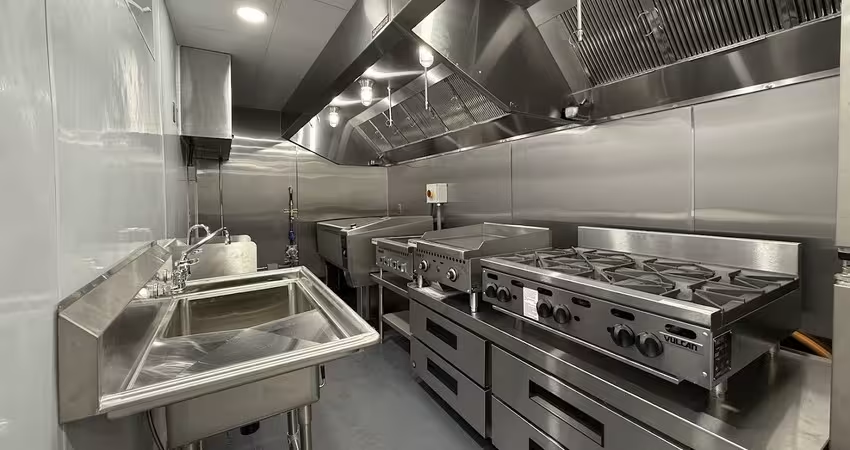
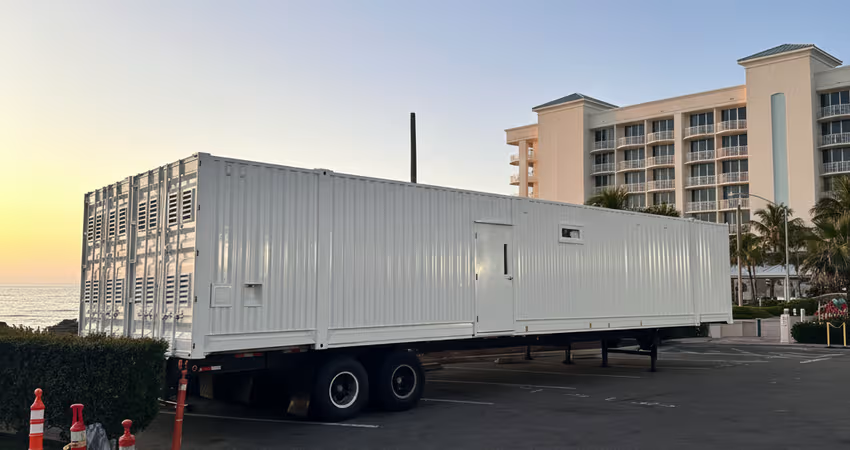
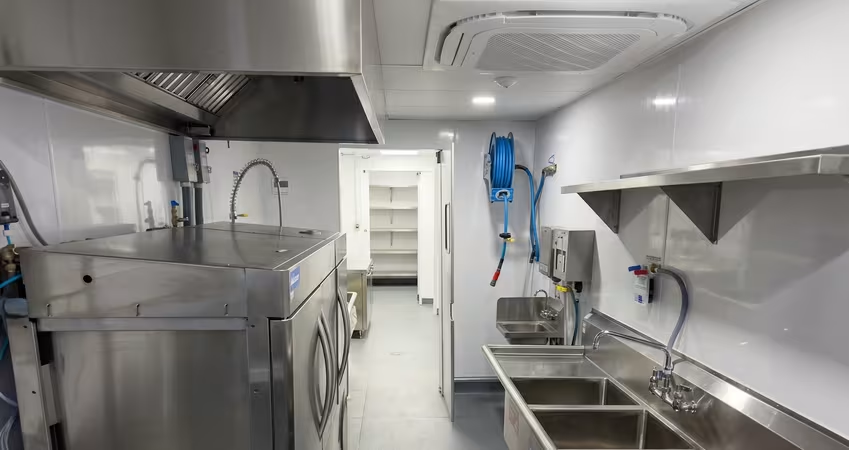
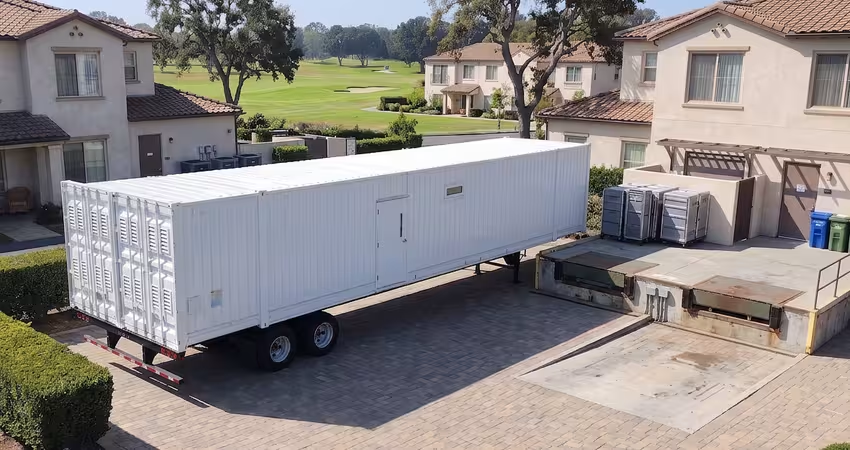
Mobile kitchen rental solutions provide the most comprehensive temporary food service capability for senior living renovations. Purpose-built units include commercial-grade cooking equipment, refrigeration systems, and dishwashing capabilities that match permanent kitchen standards.
Unlike retrofitted trailers or food trucks, professional mobile kitchens arrive with pre-installed fire suppression systems, adequate ventilation, and sufficient electrical capacity for high-volume food production. These features ensure compliance with healthcare facility regulations from day one of operation.
Example: A 120-bed assisted living community in Oregon maintained full meal service during a 16-week kitchen renovation using connected mobile kitchen modules that provided 1,200 square feet of production space, walk-in cooler/freezer storage, and specialized equipment for texture-modified diets.
Infrastructure Requirements for Temporary Kitchen Operations
Temporary kitchen success depends heavily on proper site preparation and utility connections. Healthcare facilities must verify that temporary installations meet accessibility requirements and emergency egress standards before beginning operations.
Electrical and Utility Connections
Commercial mobile kitchens require substantial electrical capacity - typically 200-400 amps depending on equipment configuration. Review mobile kitchen power requirements early in planning to identify necessary electrical panel upgrades or temporary service installations.
Water supply considerations for mobile kitchens include both fresh water supply and wastewater disposal connections. Healthcare facilities often have existing utility infrastructure that can accommodate temporary connections without major modifications.
Permitting and Regulatory Approval
The mobile kitchen permitting process for healthcare facilities involves multiple approval stages. Health departments must inspect and approve temporary installations before service begins, while building departments verify compliance with accessibility and fire safety codes.
Work with experienced temporary kitchen providers who understand healthcare facility requirements and can guide permit applications through appropriate channels efficiently.
Managing Resident Communication and Expectations
Transparent communication prevents anxiety and maintains trust during renovation disruptions. Residents and families need clear information about timeline, service changes, and quality assurance measures well before construction begins.
Developing a Communication Strategy
Begin resident notifications 8-10 weeks before renovation start dates. Provide detailed explanations of renovation benefits, temporary arrangements, and commitment to maintaining meal quality and dietary accommodations throughout the project.
Designate specific staff members as primary contacts for renovation-related questions. Regular updates through newsletters, resident meetings, and family communications help maintain confidence in facility management capabilities.
Note: American Health Care Association resources provide communication templates and best practices specifically designed for senior living facility renovations and resident relations.
Maintaining Dining Program Quality Standards
Continue signature dining events, holiday meals, and special dietary accommodations during renovation periods. Residents judge renovation success largely on whether their daily routines and preferred meals remain available.
Consider introducing preview tastings of new menu items that the renovated kitchen will enable. This approach transforms construction inconvenience into anticipation for improved dining experiences.
Budget Considerations and Cost Management
Senior living kitchen renovations typically cost $150-300 per square foot depending on scope and equipment specifications. Temporary kitchen solutions add 8-15% to total project costs but prevent revenue losses from resident dissatisfaction and potential move-outs.
Analyzing Renovation Investment Returns
Updated kitchen facilities directly impact resident satisfaction scores, which correlate strongly with occupancy rates and referral generation. Communities with outdated dining programs face increasing difficulty attracting new residents in competitive markets.
The cost comparison between renting and building temporary facilities demonstrates that professional mobile kitchen rentals cost significantly less than constructing temporary kitchen spaces on-site while providing superior operational capability.
Tip: Factor temporary kitchen costs into renovation budgets from initial planning stages rather than treating them as unexpected expenses. Early budgeting enables better temporary solution selection and reduces financial stress during construction.
People Also Ask (FAQ)
How long does a typical senior living kitchen renovation take?
Most senior living kitchen renovations take 3-6 months depending on scope and complexity. Phased renovations can extend this timeline but allow continued meal service. Temporary kitchen solutions enable facilities to maintain normal operations throughout the entire renovation period.
What are the biggest challenges when renovating a senior living kitchen?
The primary challenges include maintaining uninterrupted meal service for residents, meeting healthcare food safety regulations during construction, and managing noise and dust in residential areas. Proper planning with temporary facilities and phased construction schedules can address these concerns effectively.
Do senior living facilities need special permits for kitchen renovations?
Yes, senior living kitchen renovations typically require health department permits, building permits, and may need approval from state licensing agencies. The facility must maintain food service licenses throughout renovation and ensure all work meets healthcare facility standards and ADA compliance requirements.
How can senior living facilities maintain meal service during renovation?
Facilities can maintain meal service through temporary kitchen setups, partnerships with nearby facilities, or mobile kitchen rentals. Professional renovation planning should include detailed meal service continuity strategies to ensure residents receive proper nutrition without interruption.
Conclusion
Senior living kitchen renovations require specialized planning that prioritizes resident care continuity above construction convenience. Success depends on comprehensive pre-planning, regulatory compliance, and temporary solutions that maintain full operational capability throughout construction periods.
Professional mobile kitchen rental solutions designed specifically for healthcare facilities and expert consultation on renovation planning strategies ensure your community maintains exceptional dining standards while building the modern kitchen your residents deserve.

%20(1).avif)
Testimonial

"What is standing out when you look at the mobile kitchen operation is the efficiency that we can really achieve because it's built for that."
Tell us about your kitchen needs and request a quote.
.png)
Turnkey mobile kitchen
Proudly made in-house in the USA
Commercial grade kitchen equipment
Code-compliant
Trusted by Industry Leaders