.gif)
Nearly 73% of hotel guests expect uninterrupted dining services during their stay, yet most properties delay essential kitchen renovations to avoid operational disruptions. This creates a dangerous cycle where aging equipment increases breakdown risks and outdated facilities compromise food safety standards. The hospitality industry faces a critical challenge: how to modernize commercial kitchens without sacrificing the seamless guest experience that drives loyalty and revenue. Smart hoteliers are discovering proven strategies that maintain full food service operations during even the most extensive kitchen renovations, protecting both guest satisfaction and bottom-line performance throughout the renovation process.
Strategic Planning for Zero-Interruption Renovations
Successful kitchen renovation guest experience protection begins with comprehensive project timing. Properties must coordinate construction schedules with occupancy patterns, group bookings, and regulatory approval timelines to minimize guest exposure to disruptions.
Note: Review the past three years of occupancy data to identify consistent low-demand periods lasting 90-120 days for major renovations.
Critical timing elements include:
- Equipment procurement lead times spanning 12-16 weeks for specialized commercial appliances
- Permit processing requiring 4-8 weeks depending on local jurisdiction complexity
- Health department inspection schedules that can extend reopening by two weeks if corrections are needed
- Coordination with contracted events and guaranteed group dining commitments
The project team structure differs significantly from standard commercial renovations. Hotel properties require specialists who understand 24/7 operational demands and guest-facing service continuity. Essential team members include a general contractor experienced in occupied building construction, an FCSI-certified foodservice designer, and early engagement with temporary kitchen solutions providers.
Revenue Protection Through Service Continuity
Food and beverage operations generate 25-40% of total hotel revenue, making kitchen downtime a significant financial threat. A 300-room property averaging $3 million in annual F&B sales faces potential losses of $750,000 during a four-month renovation without proper contingency planning.
The hotel renovation best practices framework emphasizes maintaining guest-facing services while construction progresses behind the scenes. This requires either sophisticated phased construction approaches or comprehensive temporary kitchen deployment.
Example: A luxury resort in Florida maintained full banquet operations for a 400-person wedding during peak kitchen renovation by deploying a mobile kitchen unit three weeks before construction began.
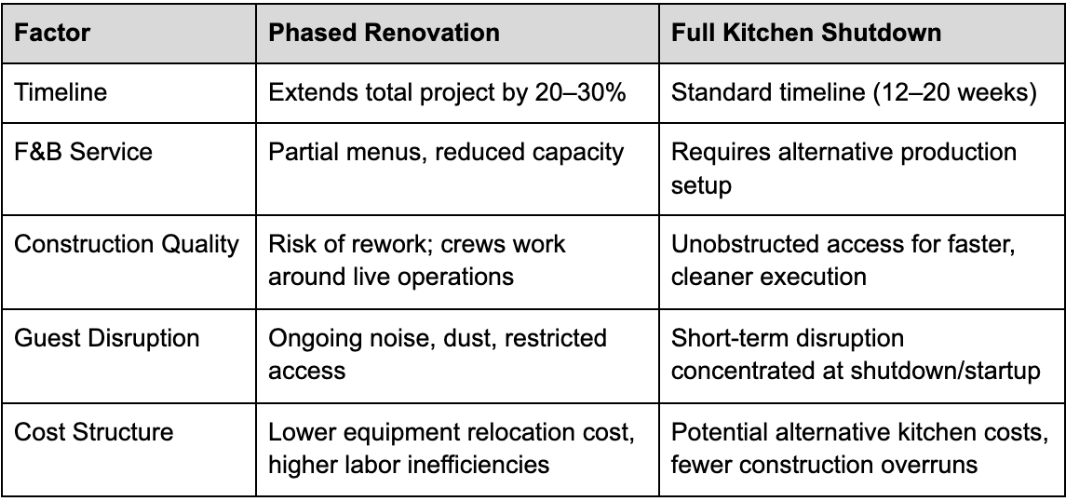
Properties comparing phased versus complete shutdown approaches must evaluate factors including:
- Construction timeline efficiency versus operational complexity
- Staff productivity in partially functional versus fully equipped temporary facilities
- Guest satisfaction risks from reduced menu options versus temporary relocation
- Total project costs including extended construction periods and temporary solutions
Mobile Kitchen Integration for Hotels
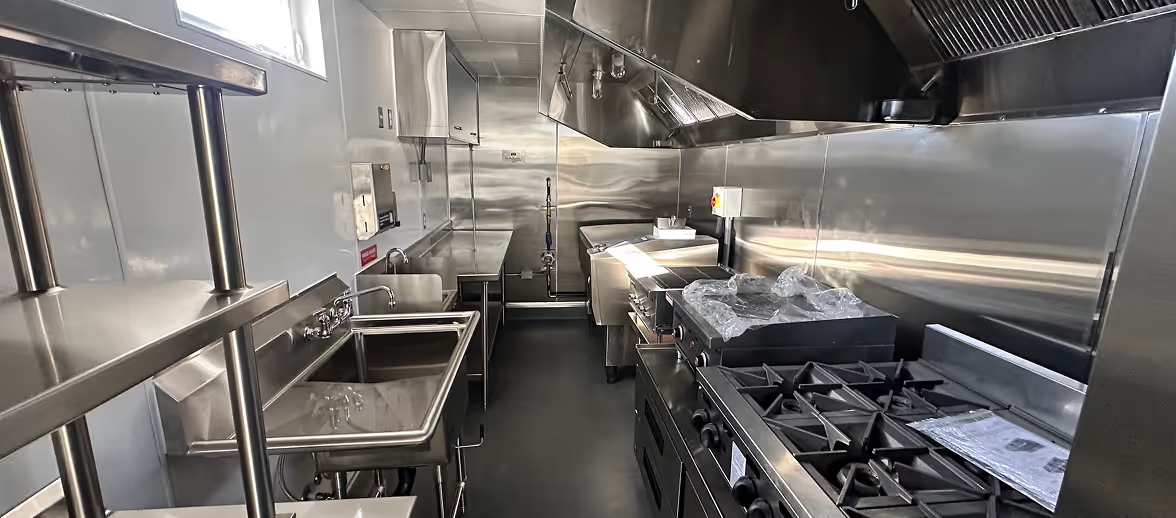
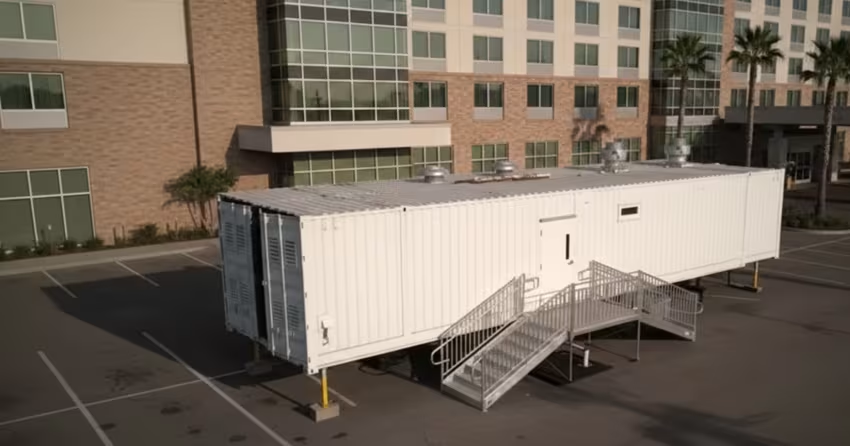
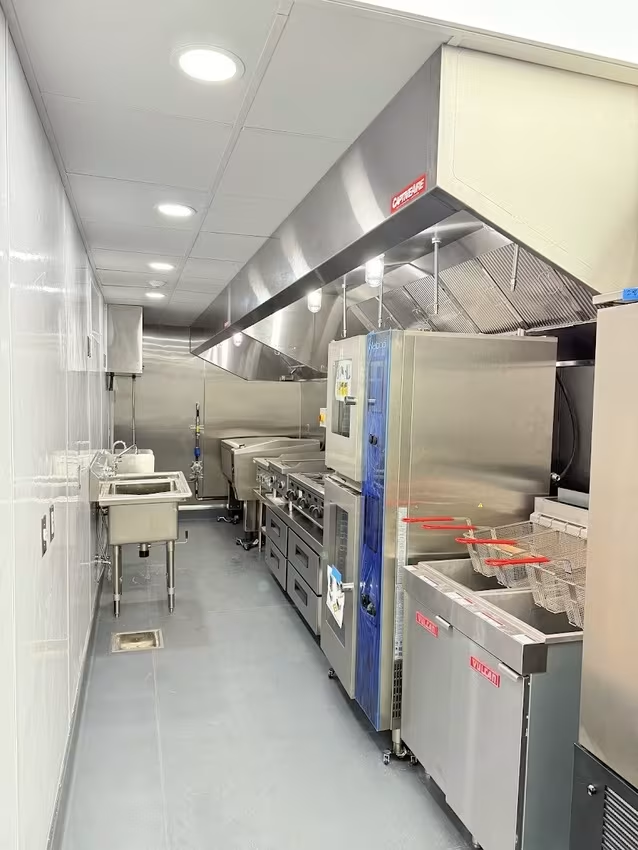
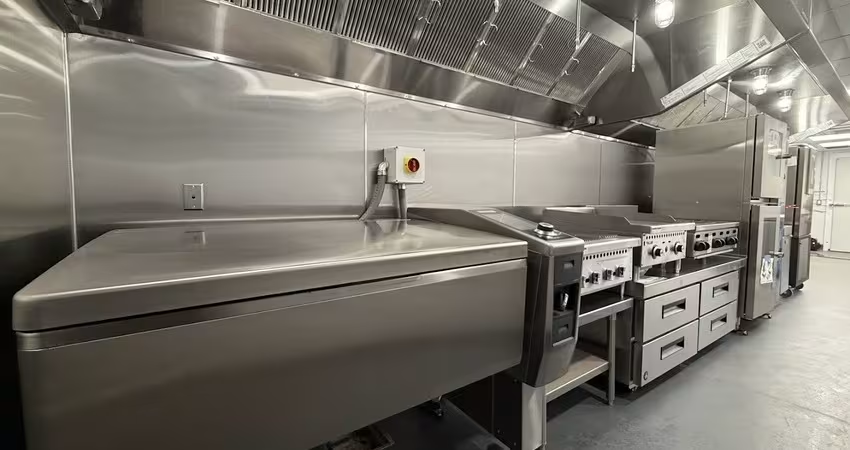
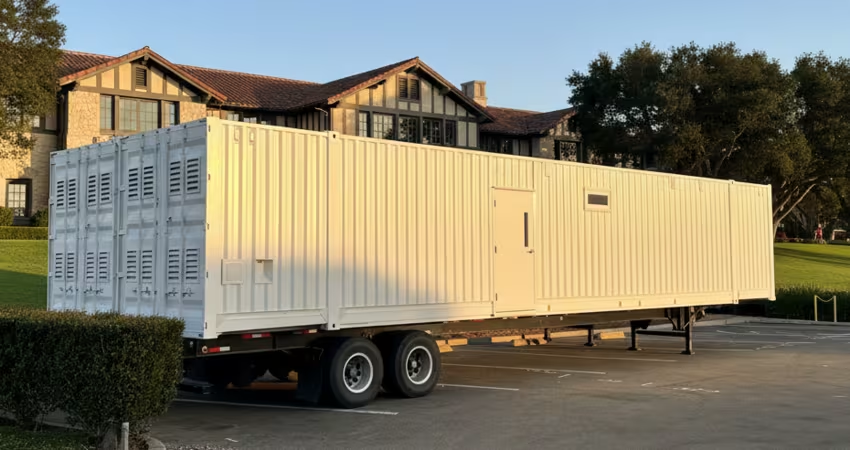
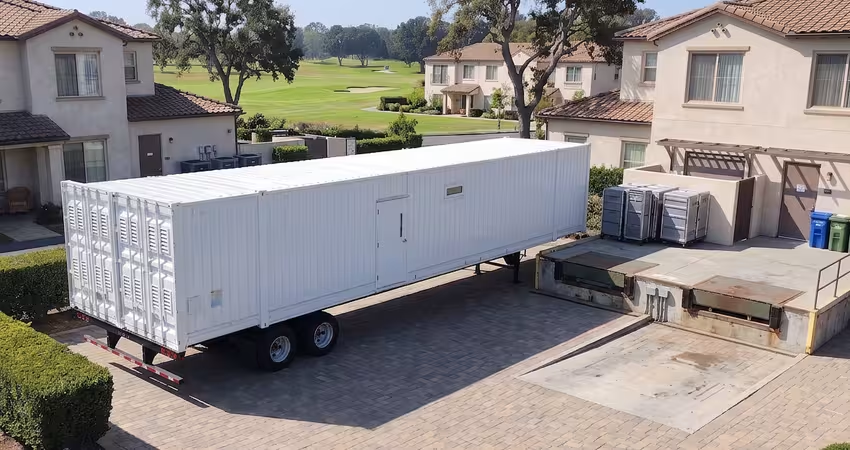
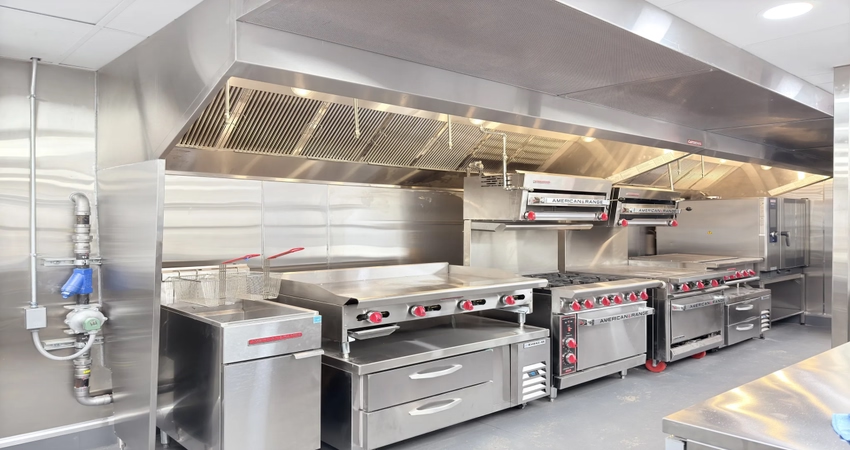
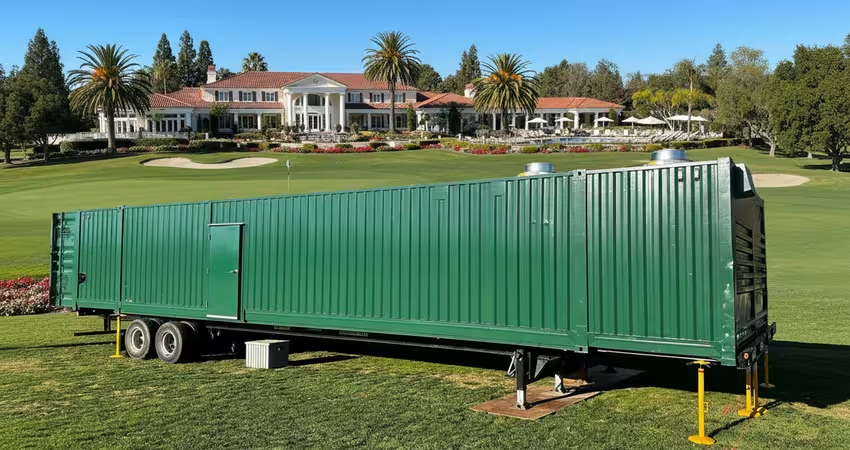
Professional professional mobile kitchen rental provides the most comprehensive solution for maintaining full operational capacity during renovations. Purpose-built units designed for hospitality applications include complete commercial cooking lines, walk-in refrigeration, dishwashing stations, and climate control systems.
These installations maintain compliance with FDA Food Code requirements and NFPA 96 ventilation requirements through pre-engineered systems that streamline health department approvals.
Key advantages of mobile kitchen solutions for hotels include:
- Rapid deployment within 48-72 hours of permanent kitchen shutdown
- Full menu capability maintenance without compromising food quality standards
- Seamless integration with existing service staff workflows and procedures
- Complete regulatory compliance eliminating permitting delays or inspection failures
Tip: Schedule mobile kitchen site surveys 8-10 weeks before renovation start dates to ensure proper utility connections and positioning for efficient service flow.
Staff Management and Operational Excellence
Kitchen staff retention during renovations requires proactive management strategies. Skilled culinary professionals will seek employment elsewhere when faced with reduced hours, uncomfortable working conditions, or uncertainty about project timelines.
Effective approaches include transitioning entire kitchen teams to temporary facilities rather than reducing headcount, involving executive chefs in temporary kitchen layout planning, and utilizing downtime for professional development including ServSafe certifications and menu innovation sessions.
Avoiding common renovation mistakes protects both operational efficiency and team morale. Critical errors include underestimating renovation permit requirements that extend timelines and failing to coordinate construction schedules with existing catering commitments.
Note: Cross-training programs during renovation periods increase staff versatility and improve long-term operational flexibility when the new kitchen opens.
Guest Communication and Experience Management
Transparent communication protects hotel reputation during construction periods. Guests respond positively to advance notice about renovations when paired with assurances that service quality remains unchanged.
Effective communication strategies include pre-arrival notification in booking confirmations emphasizing continued dining availability, professional signage at F&B outlets explaining temporary arrangements, and staff training on renovation talking points that position improvements as guest experience investments.
Example: Properties using positive messaging such as "We're upgrading our kitchen to serve you better" generate higher satisfaction scores than those emphasizing construction inconvenience.
Real-time review monitoring becomes critical during renovation periods. Negative feedback about construction noise or limited menu options can impact booking decisions for months after project completion. Successful hotels implement 24-hour response protocols for renovation-related reviews and weekly guest satisfaction tracking to identify emerging issues.
Marketing opportunities emerge from renovation projects when positioned strategically. Social media content showcasing construction progress, behind-the-scenes equipment installation, and chef preparation for expanded menu capabilities creates anticipation for the improved facility.

Quality Assurance and Regulatory Compliance
Maintaining food safety standards during kitchen transitions requires enhanced protocols beyond normal operations. Temporary facilities must meet identical FDA Food Code requirements as permanent installations, including proper temperature control, sanitation procedures, and staff hygiene standards.
Implementation includes daily temperature log verification, additional hand washing station placement, and modified workflow patterns that maintain HACCP compliance throughout the temporary period.
Understanding when to act on signs your kitchen needs renovation enables proactive project planning that minimizes emergency shutdowns and guest service disruptions.
Industry insights from hotel restaurant renovation strategies demonstrate that properties investing in comprehensive planning achieve 20-30% shorter renovation timelines and maintain higher guest satisfaction scores throughout construction periods.
Tip: Schedule health department pre-inspections of temporary facilities before permanent kitchen shutdown to identify and resolve any compliance issues proactively.

Budget Planning and ROI Optimization
Renovation budgeting must include service continuity costs alongside construction and equipment expenses. While temporary kitchen rental represents additional expense, the revenue protection and reputation preservation typically justify the investment.
Properties calculating total project ROI should compare temporary kitchen costs against potential F&B revenue losses, negative review impact on future bookings, and staff replacement costs from team attrition during extended service disruptions.
Successful case studies highlighted in restaurant renovation without closure demonstrate that hotels maintaining full service throughout renovations achieve faster revenue recovery and stronger guest loyalty upon project completion.
Comprehensive planning using a complete kitchen renovation guide ensures all operational, financial, and regulatory considerations receive appropriate attention during project development.
People Also Ask (FAQ)
How long does a typical hotel kitchen renovation take?
Most hotel kitchen renovations take 3-6 months depending on scope and complexity. Major renovations involving structural changes can extend to 8-12 months. Planning with temporary kitchen solutions ensures continuous food service throughout the entire renovation timeline.
What are the biggest risks to guest experience during kitchen renovation?
The primary risks include complete dining closure, limited menu options, noise disruption, and compromised food quality from makeshift kitchen setups. Properties without proper planning often face guest complaints, negative reviews, and significant revenue loss. Professional mobile kitchen solutions eliminate these risks by maintaining full operational capacity.
Should hotels renovate in phases or shut down completely?
The choice depends on your property's layout, guest expectations, and revenue priorities. Phased renovations minimize disruption but extend timelines and increase complexity. Complete shutdowns allow faster completion but require alternative food service solutions. Each approach has distinct advantages that must align with your operational strategy.
How can hotels maintain food service during kitchen renovation?
Hotels can maintain full food service using professional mobile kitchen rentals, partnering with nearby restaurants, or setting up temporary cooking facilities. Mobile kitchens offer the most comprehensive solution, providing complete commercial kitchen functionality without compromising menu quality or service standards during renovation periods.
Conclusion
Hotel kitchen renovations require careful orchestration between construction timelines, guest expectations, and operational continuity. Properties that maintain full food service throughout renovation periods protect both immediate revenue and long-term reputation while achieving their facility upgrade objectives.
Planning your renovation project with comprehensive service continuity strategies ensures guest satisfaction remains intact throughout construction. Explore purpose-built mobile kitchen solutions for hotel renovations or discuss your specific project requirements with our hospitality specialists.

Testimonial

"What is standing out when you look at the mobile kitchen operation is the efficiency that we can really achieve because it's built for that."
Tell us about your kitchen needs and request a quote.
.png)
Turnkey mobile kitchen
Proudly made in-house in the USA
Commercial grade kitchen equipment
Code-compliant
Trusted by Industry Leaders