.gif)
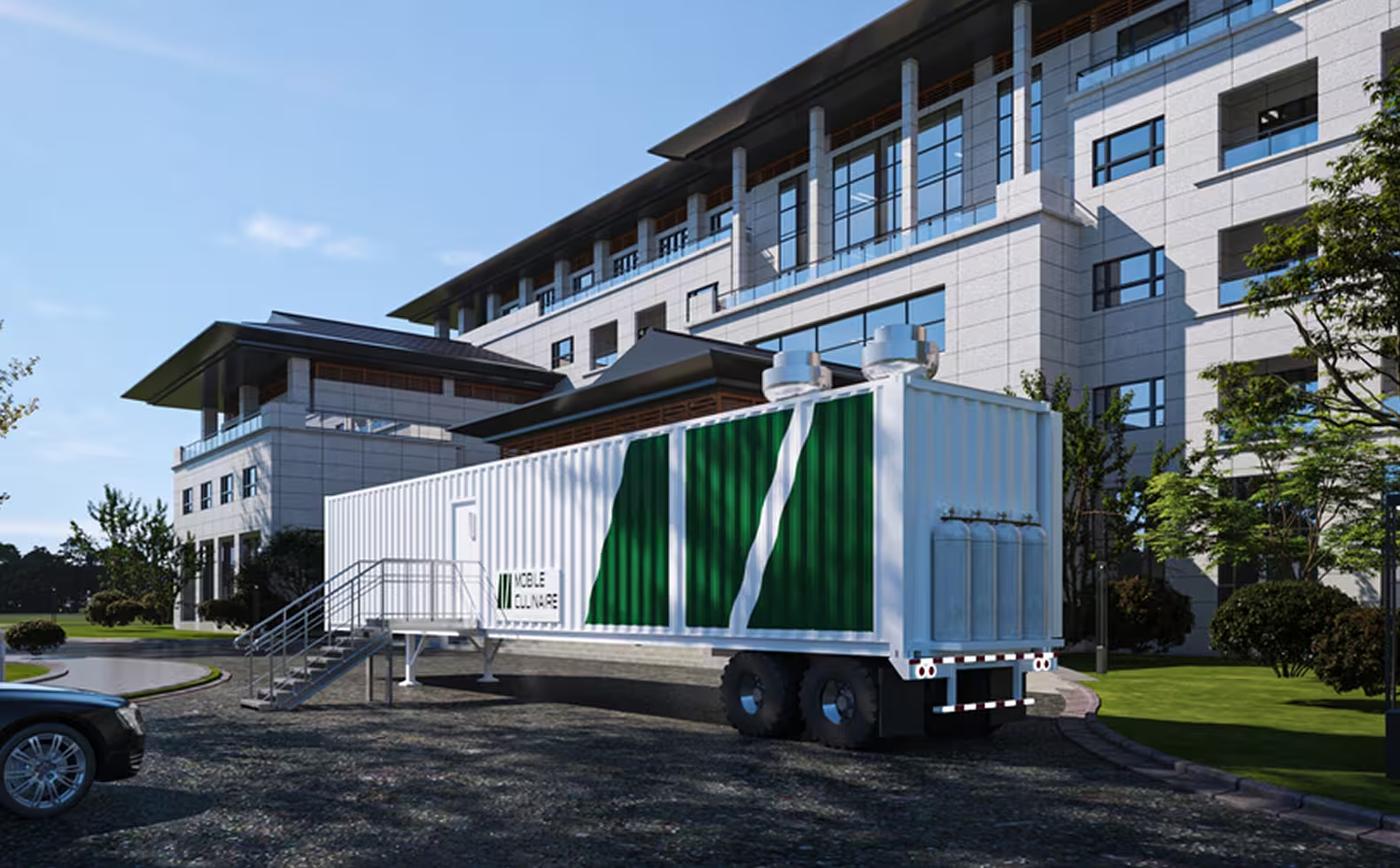
When the San Antonio River Walk's flagship hotel announced a $50 million kitchen renovation right before peak tourist season, the general manager faced a daunting reality: six months of downtime could cost over $2 million in lost revenue. Instead of shuttering operations, they deployed a mobile kitchen trailer. The result? Zero service interruption, enhanced guest satisfaction scores, and proof that hospitality leaders are rethinking how to maintain excellence during facility upgrades. Mobile kitchen trailers have evolved from simple food trucks into sophisticated temporary solutions that match permanent kitchen capabilities while offering unmatched flexibility for hotels, resorts, and event venues facing renovations, expansions, or seasonal demands.
The Evolution of Mobile Kitchen Trailers in Hospitality
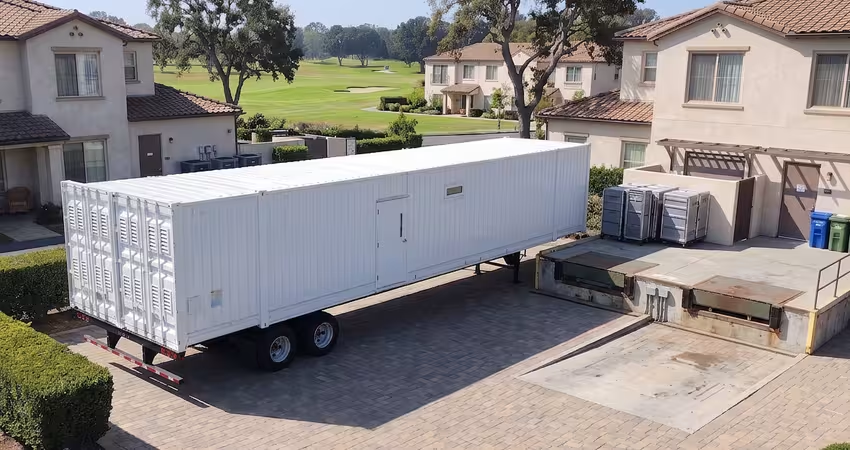
Modern mobile kitchen trailers represent a fundamental shift in temporary foodservice solutions. Unlike basic food trucks designed for street vending, today's mobile kitchen trailer units feature commercial-grade equipment, professional workflows, and full regulatory compliance. They deliver the same operational capacity as permanent installations while maintaining complete portability.
Note: The hospitality industry demands precise temperature control, sanitation standards, and equipment reliability that basic mobile units simply cannot provide.
These purpose-built units integrate seamlessly with existing hotel operations. Executive chefs can maintain their culinary standards, service teams continue their established procedures, and guests experience no degradation in quality. The American Hotel & Lodging Association recognizes mobile kitchens as essential infrastructure for operational continuity.
Critical Applications for Hotels and Resorts
Planned Renovation Projects
Strategic kitchen upgrades require months of construction. Hotels cannot simply close dining operations during these periods. Mobile kitchen rental solutions enable continuous service while permanent facilities undergo modernization.
Major renovations often involve installing new ventilation systems, upgrading electrical infrastructure, or reconfiguring layouts. Each phase creates specific challenges that mobile kitchens address through flexible positioning and complete self-sufficiency.
Emergency Equipment Failures
Critical equipment failures demand immediate response. Walk-in coolers, exhaust systems, or water heaters can fail without warning, potentially shutting down entire operations. Mobile kitchen trailers provide instant backup capacity while repairs proceed.
Tip: Establish relationships with mobile kitchen providers before emergencies occur to ensure rapid deployment when needed.
Seasonal Capacity Expansion
Peak seasons strain kitchen resources beyond design limits. Wedding seasons, holiday periods, or special events can overwhelm permanent facilities. Additional mobile units expand capacity without permanent construction costs.
Resort properties often experience demand spikes during specific months. Rather than maintaining oversized permanent kitchens year-round, mobile kitchens for special events provide cost-effective capacity scaling.

Technical Specifications and Compliance
Equipment Standards
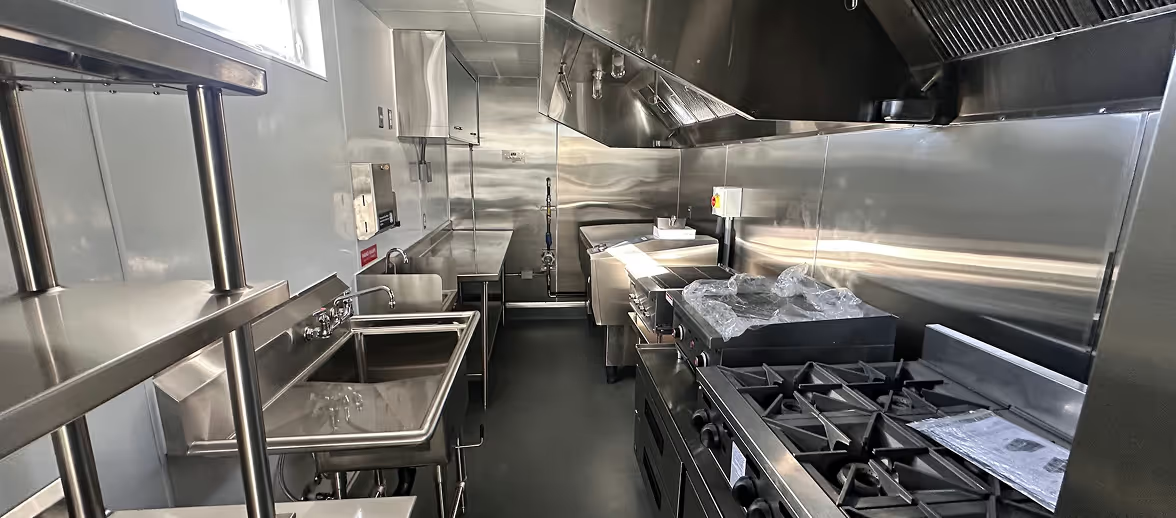
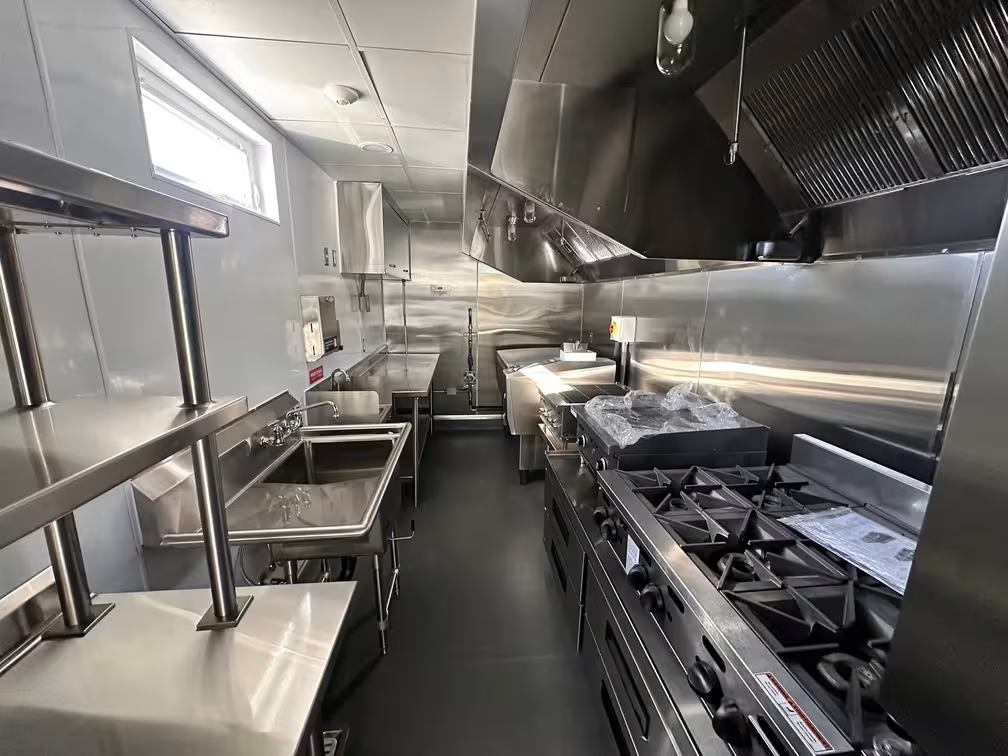
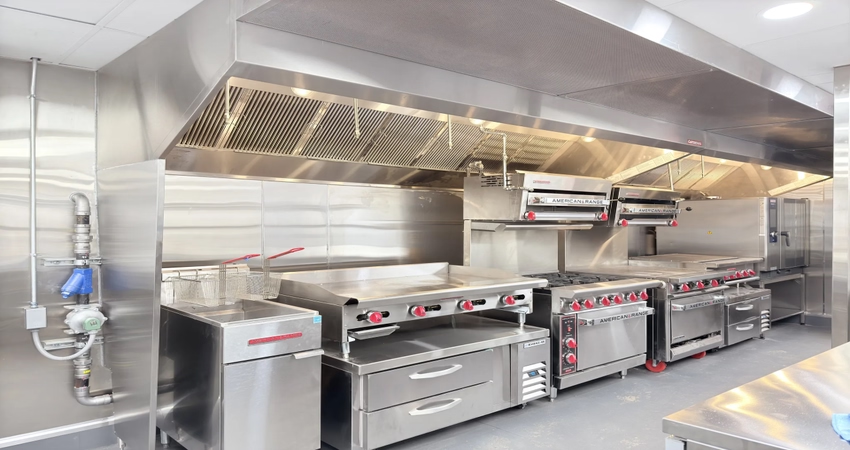
Professional mobile kitchen trailers match permanent kitchen capabilities through commercial-grade components. High-BTU ranges, convection ovens, blast chillers, and dishwashing systems meet NSF International equipment standards for commercial foodservice.
- Commercial refrigeration systems maintaining precise temperature zones
- Ventilation systems meeting NFPA 96 fire safety standards
- Three-compartment sinks with hot water sanitization
- Stainless steel prep surfaces with integrated drainage
- Fire suppression systems with automatic activation
Example: A luxury mountain resort used a dual-trailer configuration featuring separate hot and cold prep areas, allowing simultaneous banquet preparation and à la carte service.
Regulatory Compliance Framework
Mobile kitchen operations must satisfy identical regulations as permanent facilities. Health departments require compliance with FDA Food Code guidelines regarding food safety, storage temperatures, and sanitation procedures.
Understanding mobile kitchen permits and compliance requirements prevents operational delays. Local jurisdictions may require additional certifications beyond standard health permits.

Financial Impact and ROI Analysis
Revenue Protection During Downtime
Kitchen shutdowns create immediate revenue losses across multiple channels. Room service, banquet sales, restaurant operations, and catering contracts all generate zero income during closures. Mobile kitchens preserve these revenue streams throughout transition periods.
Note: The National Restaurant Association reports that foodservice represents up to 35% of total hotel revenue in full-service properties.
Consider the hidden costs of kitchen shutdowns beyond lost sales. Staff layoffs, contract penalties, and reputation damage compound financial impacts. Mobile kitchens eliminate these secondary costs while maintaining operational continuity.
Cost Comparison Analysis
Mobile kitchen rental costs vary based on size, equipment specifications, and deployment duration. Basic units start around $4,000 monthly, while comprehensive installations reach $12,000 or more. When compared to revenue losses during shutdowns, rental costs represent minimal investment.
Learn to calculate mobile kitchen ROI by comparing rental expenses against protected revenue streams. Most hospitality properties achieve positive returns within the first month of deployment.

Professional Deployment and Setup Process
Site Preparation Requirements
Successful mobile kitchen deployment begins with proper site assessment. Level foundations, utility access, and traffic flow patterns determine optimal positioning. Professional providers conduct thorough site surveys before equipment delivery.
Utility connections include electrical service (typically 100-200 amp), water supply, waste drainage, and natural gas or propane. Some locations require temporary utility installations, adding complexity to setup procedures.
Tip: Review the complete mobile kitchen delivery and setup process to understand timeline expectations and preparation requirements.
Integration with Existing Operations
Mobile kitchens must integrate seamlessly with established workflows. Staff training, inventory management, and service protocols require adjustment to accommodate temporary facilities. Successful properties treat mobile units as extensions of permanent operations rather than separate entities.
Understanding what's inside a mobile kitchen trailer helps operational teams adapt quickly to new environments while maintaining service standards.
Selecting the Right Mobile Kitchen Solution
Capacity and Configuration Planning
Proper sizing requires analyzing peak production requirements, menu complexity, and service volume. Undersized units create bottlenecks, while oversized configurations waste resources and increase costs.
Example: A conference hotel serving 500 covers daily selected a dual-trailer setup with dedicated prep and cooking zones, maintaining efficiency despite space constraints.
Consider future needs when selecting mobile kitchen configurations. Properties planning expansions or menu changes benefit from scalable designs that accommodate growth.
Duration and Contract Terms
Rental agreements vary significantly based on deployment duration. Short-term emergency deployments command premium rates, while extended renovations qualify for volume discounts. Flexible contracts accommodate schedule changes and scope modifications.
Some providers offer rent-to-own programs for properties with recurring mobile kitchen needs. These arrangements reduce long-term costs while building equity in specialized equipment.
Advanced Applications and Strategic Uses
Culinary Innovation and Testing
Progressive hospitality brands use mobile kitchens as innovation laboratories. New menu concepts, cooking techniques, or service styles receive testing in controlled environments before permanent implementation.
Note: Mobile kitchen design and construction principles emphasize flexibility to support various culinary approaches and operational styles.
Staff Development and Training
Mobile kitchen environments provide ideal settings for staff development programs. New hires practice procedures, experienced staff cross-train on different stations, and management evaluates performance in realistic conditions.
Training programs in mobile kitchens reduce disruption to primary operations while providing hands-on experience with professional equipment and workflows.
Remote Location Services
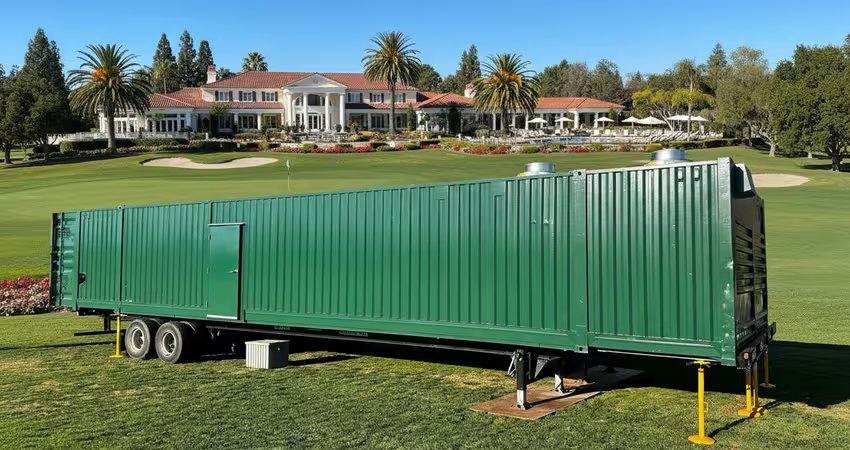
Properties with multiple venues or remote locations use mobile kitchens to expand service reach. Golf course clubhouses, spa facilities, or special event venues gain professional foodservice capabilities without permanent construction.
Strategic positioning of mobile units creates new revenue opportunities while serving existing guest populations more effectively.
Quality Assurance and Professional Standards
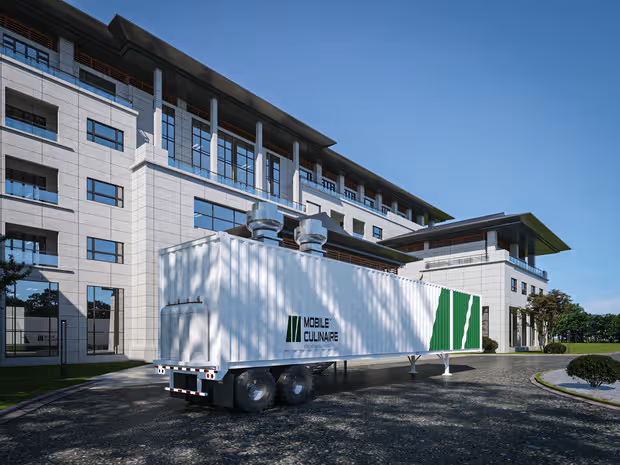
Mobile Culinaire's approach to mobile kitchen solutions emphasizes hospitality-grade quality throughout every aspect of design and deployment. Purpose-built units engineered specifically for rental operations deliver consistent performance across diverse applications.
Professional deployment teams handle permitting, site preparation, and staff orientation to ensure seamless integration with existing operations. Ongoing support maintains equipment performance and addresses operational challenges promptly.
Tip: Experienced providers understand hospitality operational requirements and design solutions that maintain guest experience standards throughout deployment periods.
Working with hotel kitchen renovation strategies ensures mobile kitchen deployment supports broader operational objectives while protecting guest satisfaction scores.
People Also Ask (FAQ)
What's the difference between a mobile kitchen trailer and a food truck?
A mobile kitchen trailer is primarily designed for temporary foodservice operations and is typically stationary once positioned, while food trucks are built for continuous mobility and street vending. Mobile kitchen trailers offer larger workspaces, commercial-grade equipment matching permanent kitchens, and full compliance with health department regulations. They're ideal for hotel renovations or extended operations where space and functionality are priorities over mobility.
How much does it cost to rent a mobile kitchen trailer?
Mobile kitchen trailer rentals typically start around $5,000 per month for smaller units and can reach $15,000+ for larger, fully-equipped trailers. The cost depends on size, equipment specifications, rental duration, and geographic location. When comparing to traditional commercial kitchen rentals at $15-40 per hour, mobile kitchens often provide better value for extended operations. For detailed cost analysis, see our guide on calculating mobile kitchen ROI.
What permits are required for mobile kitchen trailers?
Mobile kitchen trailers require health department permits, fire safety permits, zoning permits, and potentially commissary agreements depending on local regulations. Requirements vary by jurisdiction but typically include inspections for ventilation systems, fire suppression equipment, and sanitation standards. Working with experienced providers can streamline the permitting process. Learn more about essential permits for mobile kitchen trailers.
How long does it take to set up a mobile kitchen trailer?
Professional mobile kitchen setup typically takes 1-3 days depending on site conditions, utility connections, and permit requirements. The process includes positioning, connecting utilities (water, electric, gas), testing equipment, and final inspections. Experienced providers handle most logistics, minimizing disruption to your operations. Our comprehensive guide covers the complete delivery and setup process.

Testimonial
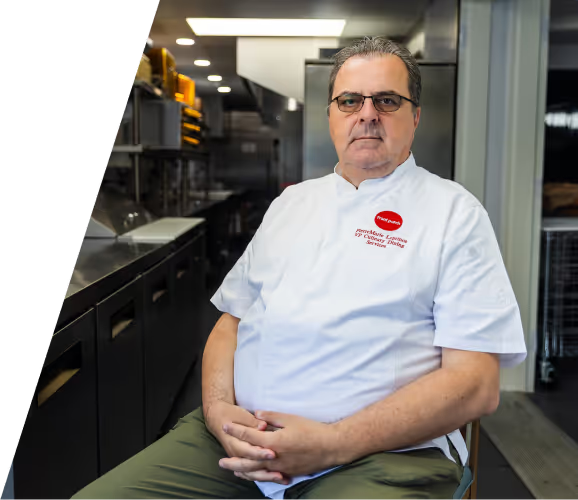
"What is standing out when you look at the mobile kitchen operation is the efficiency that we can really achieve because it's built for that."
Tell us about your kitchen needs and request a quote.
.png)
Turnkey mobile kitchen
Proudly made in-house in the USA
Commercial grade kitchen equipment
Code-compliant
Trusted by Industry Leaders