.gif)
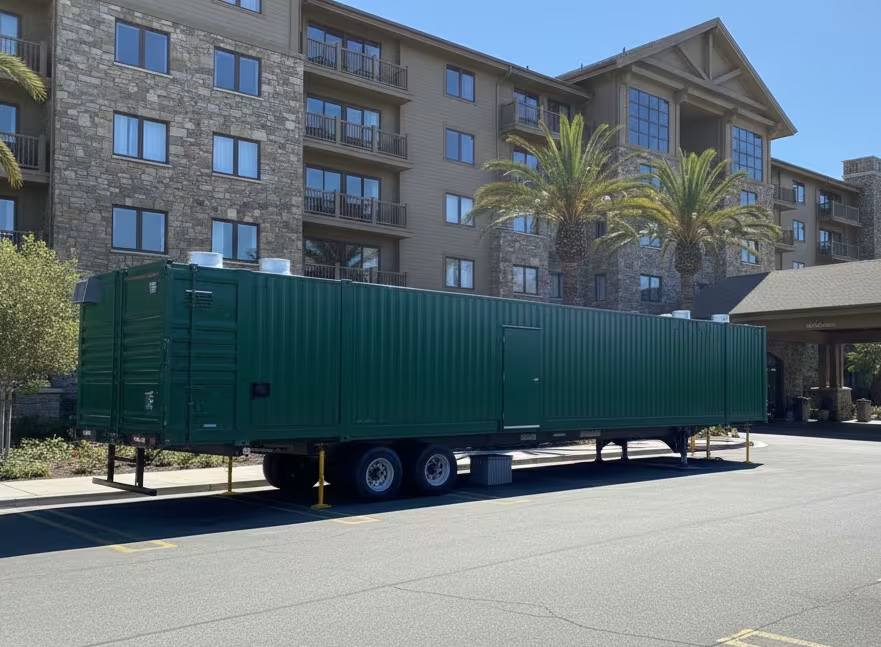
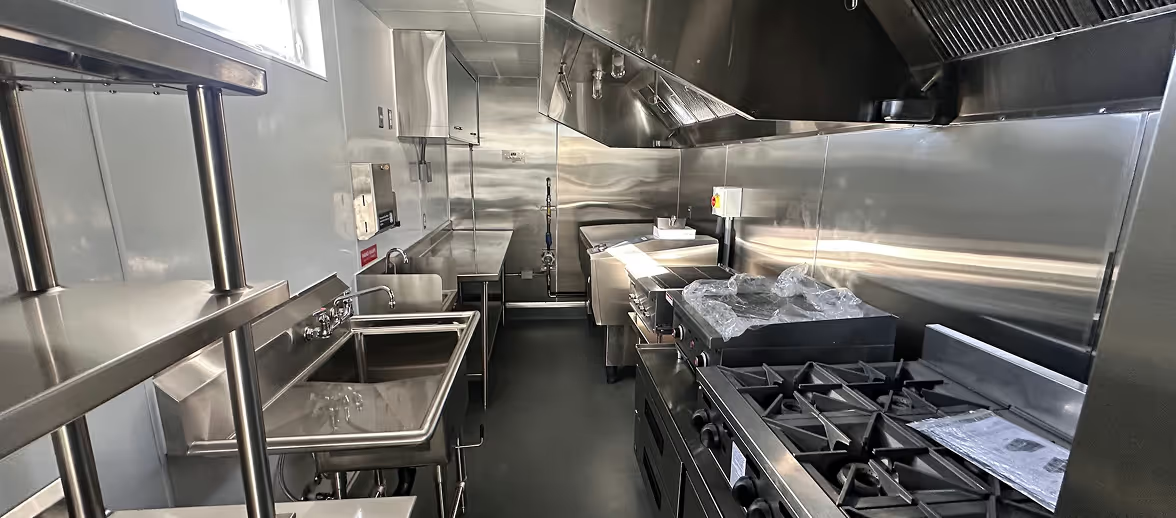
Peak season at a resort can mean a 300% increase in guest capacity, yet most resort kitchens are designed for average occupancy levels. When summer crowds arrive or special events book out your property, your kitchen becomes the bottleneck that limits revenue potential. Mobile kitchen rental resorts are discovering a strategic solution that transforms seasonal capacity constraints into competitive advantages. Instead of turning away bookings or compromising food quality during peak periods, forward-thinking resort operators are using purpose-built mobile kitchens to expand their culinary operations precisely when demand This guide explores how resorts leverage mobile kitchen rentals to capture maximum seasonal revenue without permanent infrastructure investments.
Strategic Deployment Scenarios for Resort Mobile Kitchen Rental
Resort operators deploy mobile kitchen rental units to address specific bottlenecks that emerge during high-occupancy periods. These scenarios require targeted solutions rather than generic capacity additions.
Wedding and Event Catering Expansion
Large outdoor ceremonies often demand simultaneous service for 400-600 guests within compressed timeframes. A mobile kitchen features and layout designed for banquet production includes convection ovens, steamers, and extensive hot-holding capacity. Proper staging areas near ceremony locations enable synchronized course delivery while maintaining temperature control throughout service.
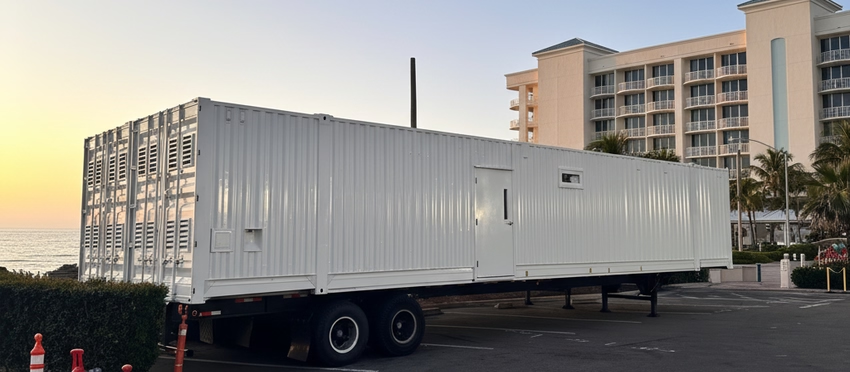
Example: A beachfront resort positions a mobile kitchen 50 yards from the reception venue, connecting via covered walkway to protect food during transport.
Pool and Beach Bar Volume Surges
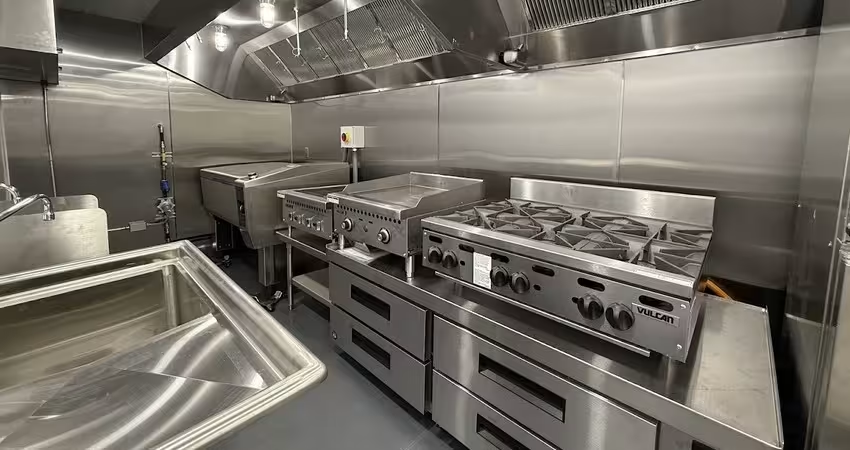
Peak pool hours create concentrated demand for grilled items and frozen beverages. Mobile units equipped with charbroilers, fryers, and pass-through windows handle high-volume casual dining without overwhelming the main kitchen's HVAC systems. Remote placement also reduces ambient heat in primary food preparation areas.
Corporate Group Buyouts
Conference bookings often require specialized breakfast production, boxed lunch programs, and reception catering beyond normal capacity. Who uses mobile kitchen rentals includes conference centers and corporate retreat facilities that rely on scalable food production solutions.
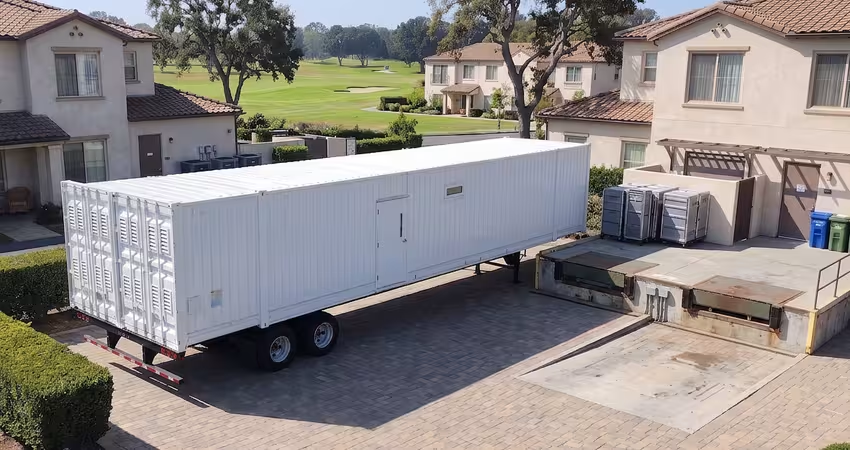
Tip: Position mobile prep kitchens near loading docks to streamline ingredient deliveries and waste removal during group events.
Operational Advantages Over Permanent Kitchen Expansion
Mobile kitchen rental resorts benefit from flexible capacity that aligns with seasonal demand patterns. This approach provides several operational advantages over fixed infrastructure investments.
Rapid Deployment Timeline
Traditional kitchen expansions require architectural planning, permit approval, and construction phases that can span 6-18 months. The delivery and setup process for mobile units typically completes within 48-72 hours, including utility connections and health department inspections.
Zero Guest Experience Disruption
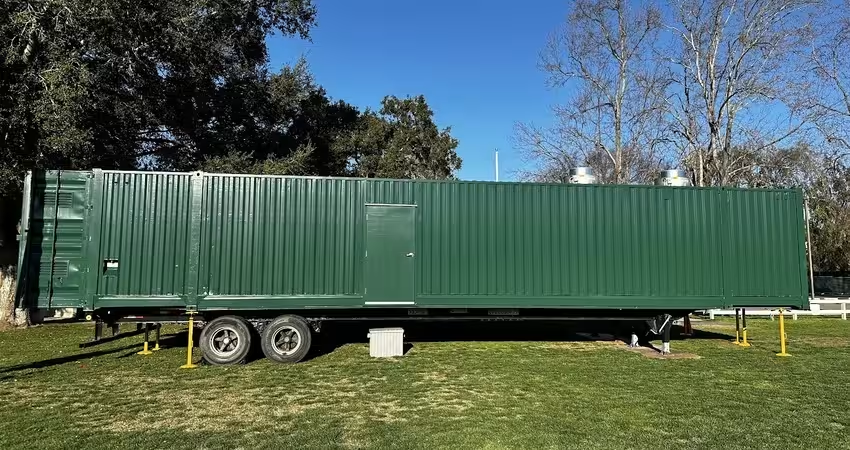
Construction activity near guest areas creates noise, dust, and access restrictions that compromise the resort experience. Mobile kitchens deploy without interior modifications, preserving the property's aesthetic and operational flow during peak revenue periods.
Note: Strategic placement behind service areas or existing buildings maintains sight line integrity while providing necessary production capacity.
Financial Risk Management
Seasonal demand fluctuations make permanent expansion financially risky. Resort operators can calculate mobile kitchen ROI based on incremental revenue captured during peak periods without long-term overhead commitments.
The rental model also eliminates depreciation, maintenance, and technology obsolescence risks associated with permanent kitchen equipment.
Compliance and Safety Standards for Resort Mobile Kitchens
Professional mobile kitchen installations must meet the same regulatory standards as permanent commercial kitchens. This includes commercial cooking safety standards and local health department requirements.
Ventilation and Fire Suppression Systems
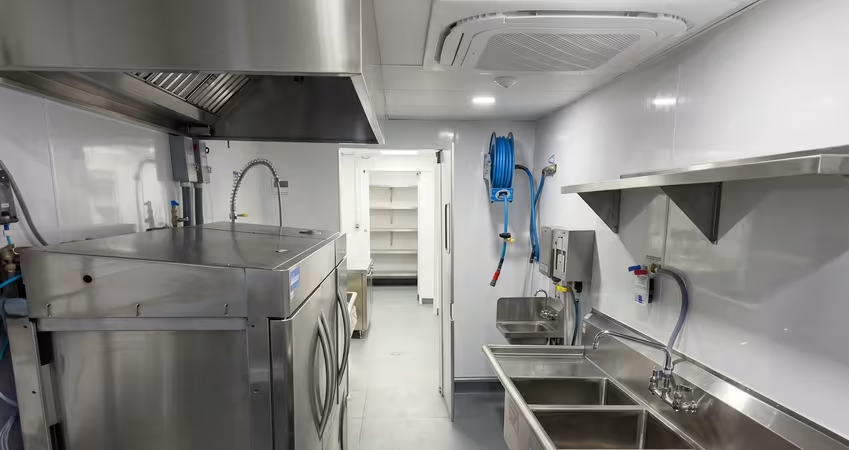
Purpose-built mobile kitchens feature NFPA 96-compliant ventilation hoods with integrated fire suppression systems. These units undergo factory testing and certification before deployment, ensuring immediate compliance upon installation.
Food Safety Protocol Integration
Mobile units maintain the same food safety management protocols as permanent facilities, including HACCP compliance, temperature monitoring, and sanitation procedures. Proper refrigeration systems maintain cold chain integrity during peak production periods.
Example: A luxury mountain resort uses mobile kitchens during ski season, maintaining wine storage at 55°F and walk-in cooler temperatures at 38°F throughout high-altitude winter conditions.
Staff Safety During Peak Operations
High-volume production periods often coincide with extreme weather conditions. Mobile kitchens help distribute heat-generating equipment away from main kitchen areas, supporting worker comfort and safety during demanding service periods.
Integration Strategies with Existing Resort Operations
Successful mobile kitchens for hotels and resorts require careful integration with existing food and beverage workflows.
Workflow Optimization
Mobile units should complement rather than complicate existing kitchen operations. This involves establishing clear production assignments, ingredient supply chains, and service coordination between permanent and temporary facilities.
Point-of-sale integration and kitchen display systems ensure seamless order management across multiple production areas.
Staffing Considerations
Resort operators often leverage seasonal staffing strategies to manage expanded kitchen capacity. Mobile kitchens provide additional workspace for temporary culinary staff while maintaining supervision and quality control standards.
Tip: Cross-train existing staff on mobile kitchen equipment before peak season to ensure smooth operational transitions.
Utility Infrastructure Planning
Successful mobile kitchen deployment requires adequate electrical, gas, water, and waste management connections. Professional providers handle site assessment and utility coordination to ensure code-compliant installations.
%2520(1).avif)
Revenue Optimization Through Strategic Capacity Planning
Resort operators use mobile kitchens as part of broader seasonal operations management strategies that maximize revenue during peak demand periods.
Event Booking Capacity
Expanded kitchen capacity enables resorts to accept larger events and multiple simultaneous bookings. This directly impacts hotel revenue management by eliminating kitchen constraints on group sales opportunities.
Mobile kitchens for special events support wedding receptions, corporate retreats, and seasonal festivals that generate premium catering revenue.
Menu Expansion Opportunities
Additional production capacity allows resorts to offer specialized cuisine, dietary accommodations, and premium menu items that require dedicated preparation space. This supports higher average check values and guest satisfaction scores.
Competitive Market Positioning
Resorts with flexible kitchen capacity can maintain service quality during peak periods while competitors may struggle with capacity constraints. This operational advantage translates to higher booking rates and market share during critical revenue periods.
Note: Mobile kitchen rental agreements should include provisions for extended rentals if peak season demand exceeds initial projections.
Partnership Approach with Mobile Kitchen Solutions
Mobile Culinaire specializes in purpose-built mobile kitchens designed specifically for hospitality environments. Our units feature commercial-grade equipment, professional layouts, and compliance certifications that meet luxury resort standards.
Customized Configuration Planning
Each mobile kitchen deployment begins with detailed capacity analysis and equipment specification. We work with resort culinary teams to ensure optimal workflow design and production capabilities for specific operational requirements.
Comprehensive Support Services
Our turnkey approach includes site preparation, utility connections, staff training, and ongoing technical support throughout the rental period. This eliminates operational complexity while ensuring consistent performance standards.
Resorts benefit from predictable deployment timelines and regulatory compliance support that protects against operational disruptions.
People Also Ask (FAQ)
How do resorts integrate mobile kitchens during peak season?
Resorts typically position mobile kitchens near existing kitchen facilities or outdoor event spaces, connecting them through covered walkways or service corridors. The setup process involves coordinating utilities, establishing seamless workflow between permanent and temporary kitchens, and training staff on the expanded capacity. Professional delivery and setup services ensure integration happens quickly without disrupting ongoing operations.
What's the cost difference between mobile kitchen rentals vs permanent expansion?
Mobile kitchen rentals typically cost 60-80% less than permanent kitchen expansion when factoring in construction, permits, and lost revenue during build-out. For seasonal use, the rental model eliminates the financial risk of year-round overhead for capacity only needed 3-6 months annually. ROI calculations often show mobile rentals pay for themselves within the first peak season through increased booking capacity and event revenue.
Can mobile kitchens handle luxury resort food quality standards?
Purpose-built mobile kitchens feature commercial-grade equipment identical to permanent installations, including convection ovens, char grills, blast chillers, and precise temperature controls. Unlike retrofitted trailers, these units are engineered specifically for high-volume food production with proper ventilation, workspace flow, and safety systems. Professional mobile kitchen interiors maintain the same food safety and quality standards expected at luxury hospitality properties.
How quickly can a resort deploy a mobile kitchen for unexpected demand?
With advance planning, mobile kitchens can be delivered and operational within 48-72 hours of request. The process includes site preparation, utility connections, equipment testing, and staff orientation. Experienced mobile kitchen providers work with resort operations teams to ensure seamless integration that minimizes disruption to guest services while maximizing the expanded capacity benefits.
Conclusion
Resort operators who leverage mobile kitchen rentals during peak seasons gain competitive advantages through flexible capacity management and revenue optimization. These purpose-built solutions address seasonal demand fluctuations without the financial commitment and operational disruption of permanent expansion projects.
Strategic deployment during high-occupancy periods enables resorts to maintain service quality while capturing incremental revenue from events and expanded dining programs. Transform your seasonal capacity challenges into profit opportunities with professional mobile kitchen rental solutions or discuss your specific operational requirements.

%20(1).avif)
Testimonial
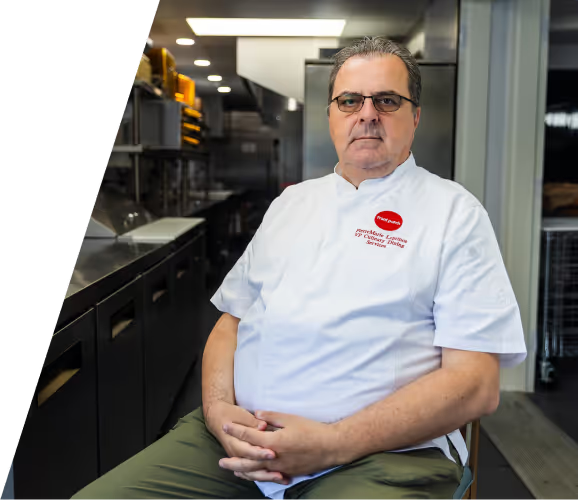
"What is standing out when you look at the mobile kitchen operation is the efficiency that we can really achieve because it's built for that."
Tell us about your kitchen needs and request a quote.
.png)
Turnkey mobile kitchen
Proudly made in-house in the USA
Commercial grade kitchen equipment
Code-compliant
Trusted by Industry Leaders