.gif)
Nearly 60% of commercial kitchens operate with equipment over 10 years old, yet many operators miss the subtle warning signs that indicate it's time for a major renovation. A failing commercial kitchen doesn't just impact food quality—it threatens compliance, increases operating costs, and can force unexpected closures during peak service periods. For hospitality executives managing hotels, resorts, and event venues, recognizing these renovation indicators early is crucial for maintaining operational excellence and guest satisfaction. This guide reveals the five critical signs that your commercial kitchen has reached the end of its productive lifecycle and requires immediate renovation planning.
1. Frequent Equipment Failures Signal End-of-Life Systems
When your maintenance logs show multiple breakdowns monthly across different systems, you're witnessing systemic equipment failure Commercial kitchen renovation signs become obvious when repair costs exceed 50% of replacement value annually.
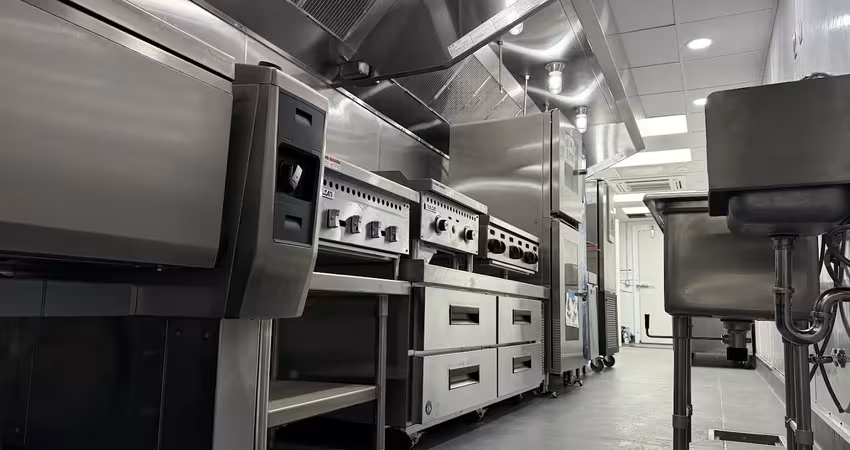
Critical equipment failure patterns include:
- Walk-in refrigeration units cycling inconsistently or struggling to maintain temperature
- Gas burners requiring repeated ignition attempts or failing to light
- Convection ovens with temperature drift beyond ±10°F tolerance
- Dishwasher pumps cavitating or spray arms clogging repeatedly
- Ice machines producing cloudy ice or shutting down unexpectedly
Note: Equipment designed for 8-15 year service life becomes unreliable after exceeding manufacturer specifications. Parts availability declines, and total cost of ownership spikes dramatically.
Food safety risks multiply when aging equipment operates outside design parameters. Temperature fluctuations in refrigeration push stored proteins into the FDA Food Code requirements danger zone (41°F–135°F), accelerating bacterial growth. Unreliable cooking equipment compromises consistent internal temperatures—a critical concern for operations serving hundreds of covers daily.
2. Workflow Bottlenecks Expose Layout Inadequacies
Kitchen layouts optimized for past operations may no longer support current menu complexity, volume, or service models. Commercial kitchen renovation becomes necessary when structural workflow problems emerge.
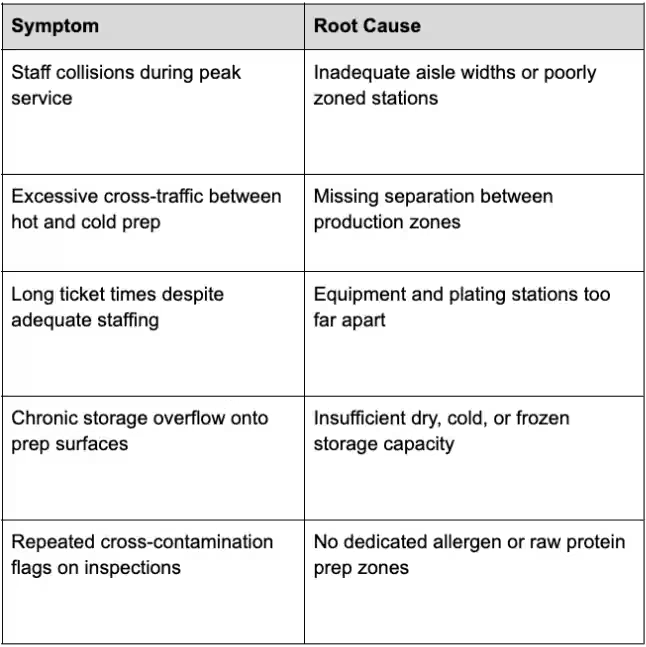
Observable workflow inefficiencies include:
- Cooks crossing paths frequently during service rushes
- Inadequate prep space forcing ingredients onto service stations
- Servers waiting excessive time at pickup windows
- Dishwashing creating bottlenecks due to poor proximity to dining areas
- Storage locations requiring multiple trips for single menu items
Hospitality operations evolve beyond original design parameters. Country clubs add banquet capabilities, hotels expand room service offerings, resorts increase seasonal capacity. When food production volume outgrows floor plan design, no amount of additional staffing resolves the fundamental space constraint.
Tip: Document peak-hour station utilization for two weeks before scoping renovation. This data reveals actual workflow problems versus assumed inefficiencies.
3. Health Code Compliance Issues Indicate Structural Problems
Declining inspection scores or narrow passing margins signal that your kitchen infrastructure no longer meets current regulatory standards. Modern NFPA 96 ventilation standards and updated codes often require structural modifications.
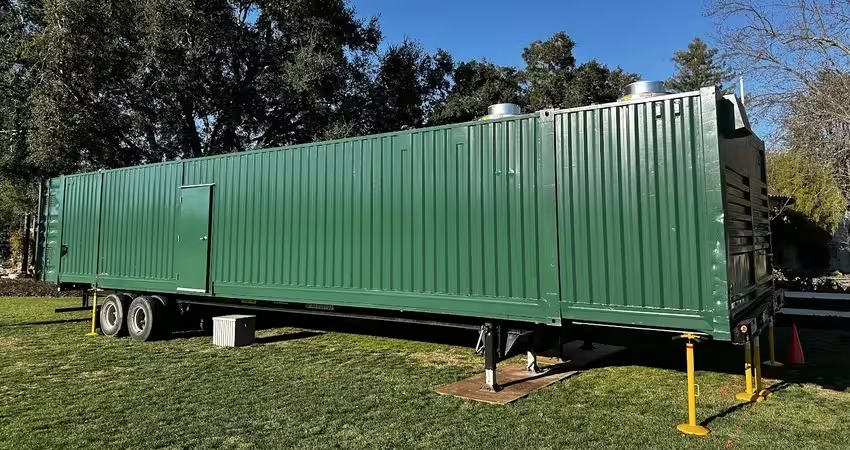
Common compliance gaps in aging kitchens:
- Exhaust hoods undersized for current equipment configurations
- Fire suppression systems lacking coverage for new station layouts
- Handwashing stations positioned beyond required proximity to food prep areas
- Grease interceptors undersized for current volume generating frequent overflows
- Floor drainage inadequate causing standing water violations
Regulatory evolution creates compliance gaps in older facilities. NSF commercial kitchen standards now include enhanced allergen management protocols, updated ventilation requirements, and stricter sanitation specifications that may necessitate plumbing relocation, hood replacement, or floor modifications.
Example: Many kitchens built before 2015 lack adequate handwashing stations within the 20-foot requirement from food preparation areas, requiring structural renovation to achieve compliance.
4. Rising Energy Costs Despite Stable Operations
Utility bills increasing while operational hours and volume remain constant indicate degrading equipment efficiency. Commercial kitchen renovation signs include energy consumption patterns that suggest systematic equipment deterioration.

Equipment efficiency degradation manifests through:
- Refrigeration compressors running longer cycles to maintain temperature
- Gas appliances consuming more fuel for identical heat output
- HVAC systems working harder to compensate for failing exhaust capture
- Water heating systems cycling more frequently due to insulation deterioration
The foodservice sector consumes 2.5 times more energy per square foot than other commercial operations. This intensity amplifies the cost impact of efficiency loss in hospitality kitchens operating multiple F&B outlets.
ENERGY STAR-certified equipment replacements deliver measurable returns. A complete kitchen upgrade with certified appliances typically saves $4,000 annually—savings that compound over 8-15 year equipment lifecycles according to EPA data.
Note: Request utility audits before finalizing renovation scope. Many providers offer free commercial assessments and rebates for efficient equipment upgrades.
5. Staff Turnover Exceeds Industry Benchmarks
Kitchen working conditions directly impact retention rates in an industry already experiencing 70-80% annual turnover according to National Restaurant Association industry data. Deteriorating environments accelerate culinary talent departure.
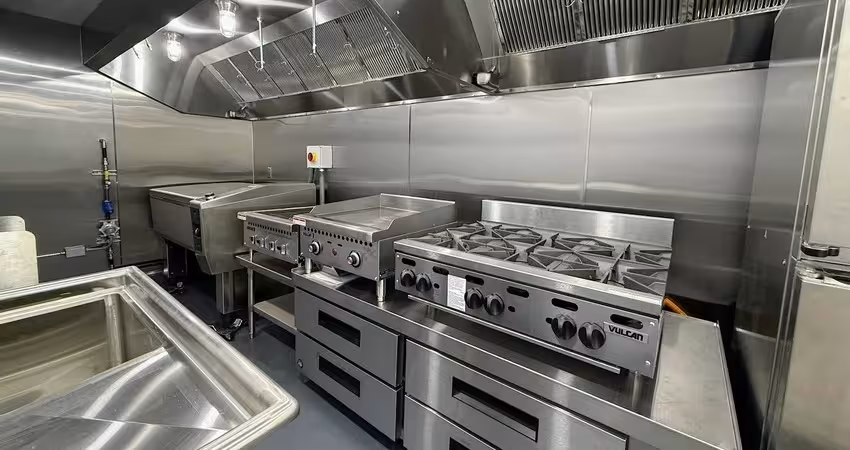
Environmental factors driving kitchen staff turnover:
- Inadequate ventilation creating excessive heat and humidity
- Poor lighting causing eye strain and safety concerns
- Cramped stations increasing collision risk and repetitive stress injuries
- Unreliable equipment frustrating skilled culinary professionals
- Insufficient storage forcing inefficient ingredient handling
Exit interviews citing working conditions over compensation indicate facility-driven attrition. Professional chefs seek environments with proper electrical system requirements, adequate water supply and plumbing considerations, and modern equipment that supports culinary excellence.
Replacing a single hospitality employee costs over $5,000 in recruiting, hiring, and training expenses. For kitchen teams of 15-20 staff, reducing turnover through facility improvements generates five-figure annual savings that partially offset renovation investment.
Tip: Survey kitchen staff about facility conditions during annual reviews. Their feedback often reveals renovation needs that operational metrics miss.
Strategic Renovation Planning and Operational Continuity
Recognizing renovation indicators requires immediate strategic planning to address deficiencies without disrupting revenue-generating operations. Comprehensive renovation planning guide resources help scope appropriate intervention levels, and a phase-by-phase view of where the weeks go shows how that scope translates into a schedule.
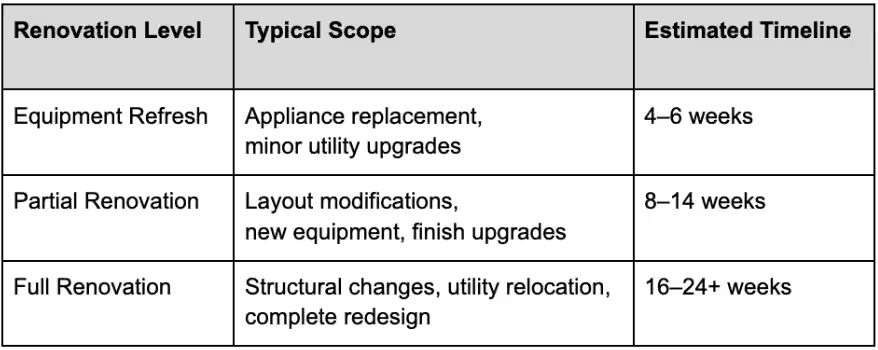
Renovation scope typically falls into three categories:
- Equipment replacement: Updating appliances while maintaining existing layout and infrastructure
- Partial renovation: Modifying specific zones with equipment, plumbing, or electrical upgrades
- Complete overhaul: Gutting and rebuilding with new layout, all systems, and equipment
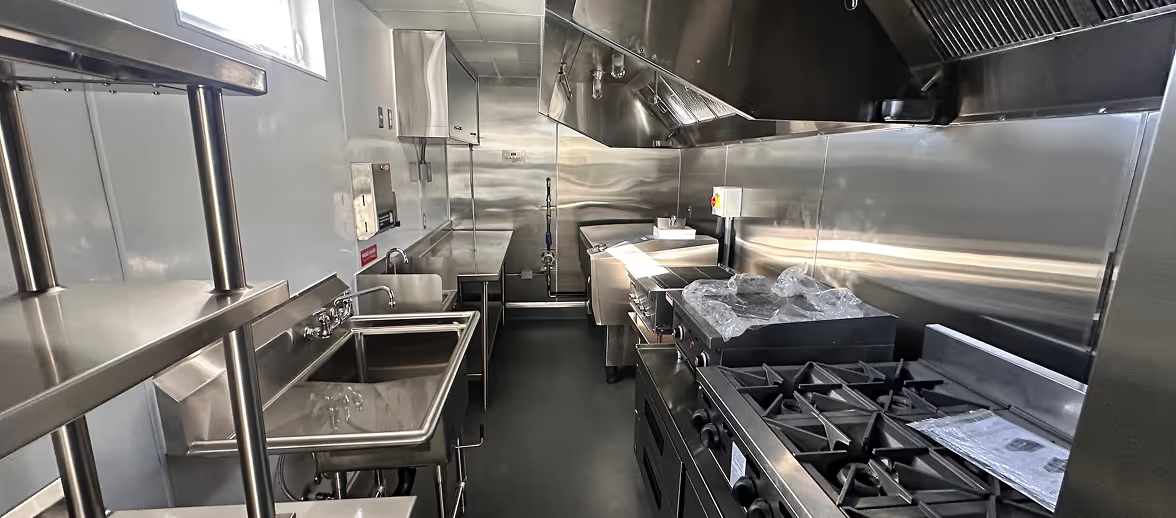
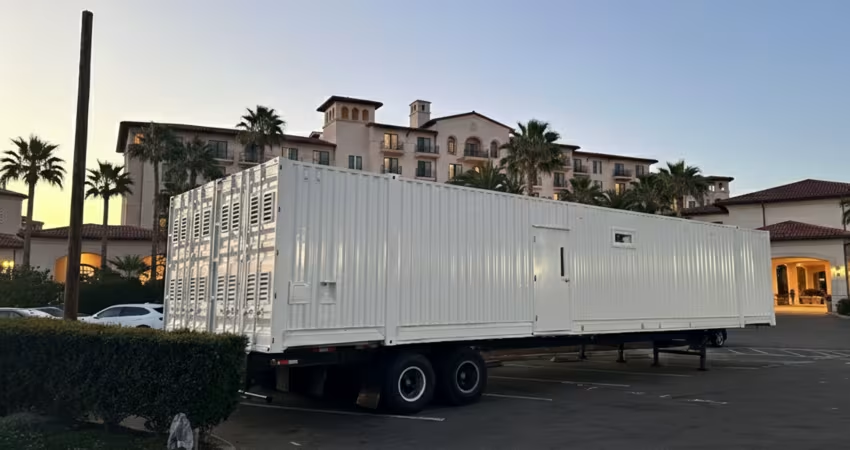
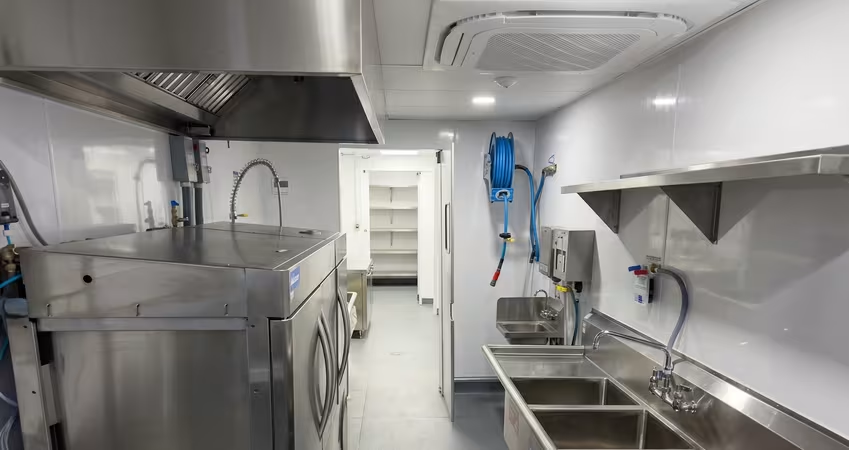
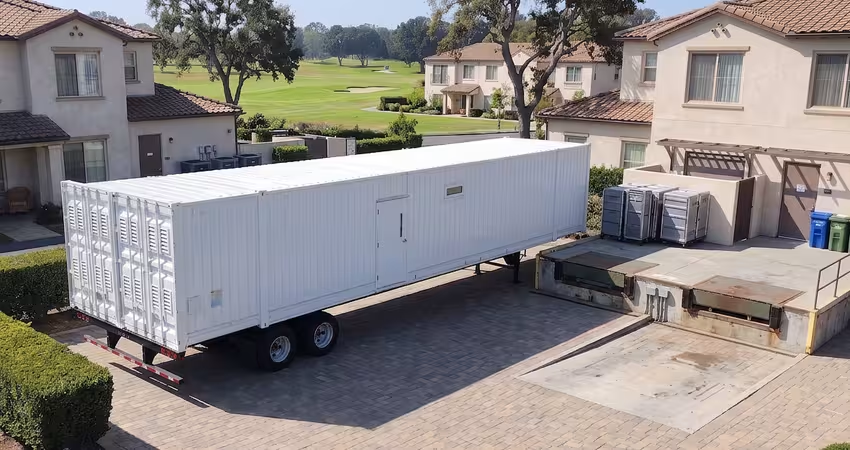
Hospitality operations cannot suspend food service during extensive renovations without compromising guest satisfaction and revenue streams. Purpose-built mobile kitchens provide complete operational continuity while permanent facilities undergo reconstruction.
Unlike retrofitted trailers, engineered mobile kitchen solutions deploy within 24-72 hours and maintain full compliance with health, fire, and safety regulations. These systems enable seamless service continuation during renovations that might otherwise require 8-16 week closures.
Example: Luxury resorts utilize mobile kitchen rentals for venues to maintain catering capabilities during kitchen renovations without disappointing event clients.
For detailed operational strategies, review temporary kitchen solutions during renovation approaches that minimize revenue disruption while ensuring guest satisfaction throughout construction phases.
Consider renting versus building kitchen facilities analysis when evaluating temporary versus permanent kitchen investments for your specific operational requirements.
Compliance and Safety Considerations
Modern commercial kitchens must meet evolving AHLA operational guidelines that address fire safety, accessibility, and operational efficiency standards. Aging facilities often fall short of current requirements without structural intervention.
Updated regulations affecting renovation planning include enhanced fire suppression coverage requirements, ADA accessibility compliance, and improved ventilation specifications that may necessitate significant infrastructure modifications beyond simple equipment replacement.
Professional consultation ensures renovation scope addresses both immediate operational needs and future regulatory compliance requirements, preventing costly retrofits shortly after project completion.
People Also Ask (FAQ)
How often should a commercial kitchen be renovated?
Most commercial kitchens require major renovation every 15-20 years, though high-volume operations may need updates every 10-15 years. The timeline depends on equipment usage, maintenance quality, and evolving health code requirements. Regular assessments help determine when a full renovation becomes more cost-effective than ongoing repairs.
What are the most expensive parts of a commercial kitchen renovation?
Equipment replacement typically accounts for 40-60% of renovation costs, followed by electrical and plumbing upgrades at 20-30%. HVAC system modifications, flooring replacement, and permit fees comprise the remaining expenses. A temporary kitchen solution during renovation can help offset lost revenue.
How long does a commercial kitchen renovation take?
Complete commercial kitchen renovations typically require 8-16 weeks, depending on scope and complexity. Planning and permitting add another 4-8 weeks before construction begins. Many operators use mobile kitchen rentals to maintain service during extended renovation periods without losing revenue or disappointing guests.
Can you keep a commercial kitchen operating during renovation?
Partial renovations may allow continued operation in unaffected areas, but major overhauls require complete kitchen closure. Temporary kitchen solutions provide the most effective way to maintain food service during comprehensive renovations. This approach prevents revenue loss while ensuring guest satisfaction throughout the renovation process.
Conclusion
Recognizing commercial kitchen renovation signs early prevents operational disruptions, compliance violations, and escalating repair costs that inevitably accompany delayed action. Strategic planning ensures renovations address root causes rather than symptoms while maintaining guest service standards throughout construction.
Professional mobile kitchen solutions eliminate the false choice between renovation timing and revenue protection, enabling immediate project initiation when renovation indicators emerge. Explore engineered mobile kitchen solutions that maintain full operational capability or schedule a consultation to discuss your specific renovation and temporary kitchen needs.

%20(1).avif)
Testimonial

"What is standing out when you look at the mobile kitchen operation is the efficiency that we can really achieve because it's built for that."
Tell us about your kitchen needs and request a quote.
.png)
Turnkey mobile kitchen
Proudly made in-house in the USA
Commercial grade kitchen equipment
Code-compliant
Trusted by Industry Leaders