.gif)
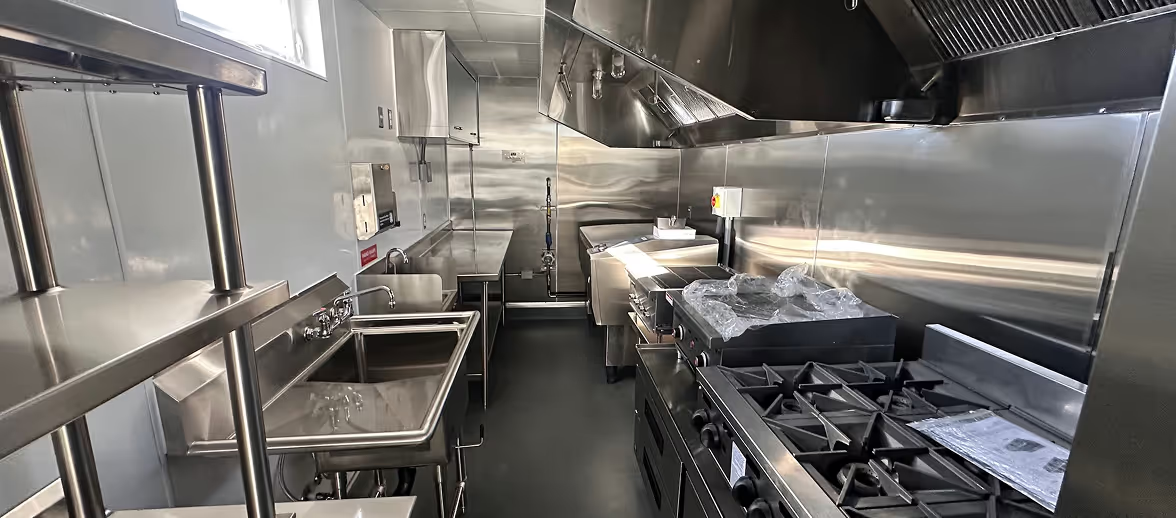
Did you know that 78% of commercial kitchen renovations exceed their planned timeline due to inadequate temporary foodservice arrangements? When your restaurant, hotel, or event venue faces a major kitchen renovation, maintaining operations while upgrading your culinary infrastructure becomes a complex logistical challenge. This comprehensive commercial kitchen renovation guide walks you through every phase of the process—from initial planning and budgeting to navigating permits, selecting contractors, and crucially, implementing temporary kitchen solutions that keep your business running. Whether you're upgrading a hotel kitchen or expanding restaurant facilities, this guide provides the strategic framework and practical insights you need to execute a successful renovation project.
Pre-Renovation Assessment and Planning
Identifying When to Renovate
Recognizing the right time for a commercial kitchen renovation prevents emergency shutdowns and allows strategic planning. Watch for frequent equipment failures, inefficient workflow patterns, and compliance issues with updated health codes. Understanding the signs your kitchen needs renovation enables proactive decision-making rather than reactive crisis management.
Note: The FDA retail food protection guidelines have evolved significantly, making outdated kitchen designs potential compliance liabilities.
Budget Development and Cost Control
Modern commercial kitchen renovations range from $75-$200 per square foot for equipment updates, reaching $300-$500 per square foot for complete overhauls. Equipment procurement consumes 35-45% of project budgets, with specialized items like combi ovens and walk-in refrigeration requiring extended lead times.
- Structural modifications and MEP upgrades
- Permit fees and inspection costs
- Equipment procurement and installation
- Temporary operational solutions
- Contingency reserves for unforeseen issues
Tip: Revenue loss during closure often equals or exceeds construction costs. Factor daily operational losses into your total project budget when evaluating renovation timing.
Design and Engineering Phase
Workflow Optimization and Layout Design
Effective kitchen design maximizes efficiency while meeting current NFPA 96 ventilation standards and accessibility requirements. Analyze existing traffic patterns, identify collision points, and design zones that separate preparation, cooking, and sanitation functions.
Modern hospitality operations benefit from flexible layouts accommodating multiple service periods and menu variations. Consider island configurations for open-kitchen concepts or linear workflows for high-volume production environments.
Equipment Selection and Procurement Strategy
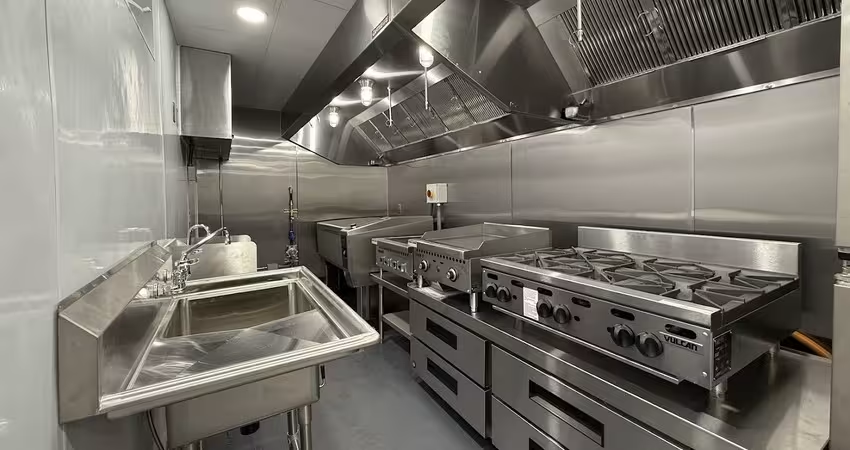
Choose equipment based on production volume, menu complexity, and energy efficiency requirements. NSF equipment certification standards ensure health department approval and long-term reliability. Prioritize energy-efficient models that reduce operating costs while meeting increased production demands.
Example: ENERGY STAR-certified convection ovens reduce energy consumption by 20-30% compared to standard models, providing measurable ROI through reduced utility costs.
Regulatory Compliance and Permitting
Permit Application Process
Submit permit applications early to avoid timeline delays. Most jurisdictions require 4-8 weeks for approval across multiple departments. Building permits address structural modifications, while electrical and plumbing permits cover utility infrastructure updates. Fire department approvals focus on hood systems and suppression equipment compliance.
Note: Consider permits for temporary kitchen installations if deploying interim foodservice solutions during construction.
Code Compliance and Inspection Preparation
Updated building codes emphasize accessibility, fire safety, and sanitation standards. National Restaurant Association research indicates that preparation reduces inspection failures by 60-70%. Coordinate with local authorities early to understand specific requirements and avoid costly revisions.
- Fire suppression system installation and testing
- Ventilation performance verification
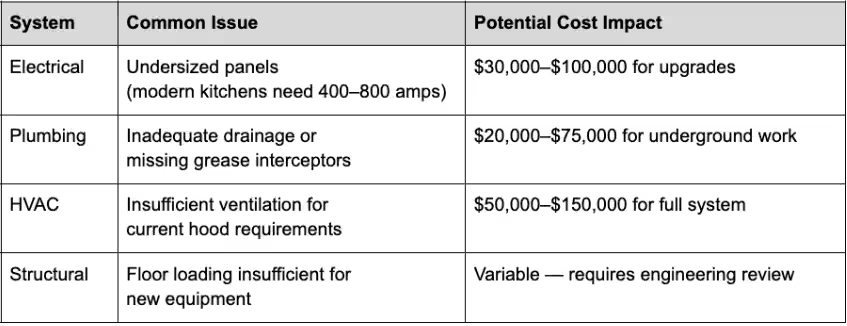
- Electrical panel capacity and safety compliance
- Plumbing and drainage system approval
- Final health department certification
Construction Management and Timeline Control
Project Phasing and Critical Path Planning
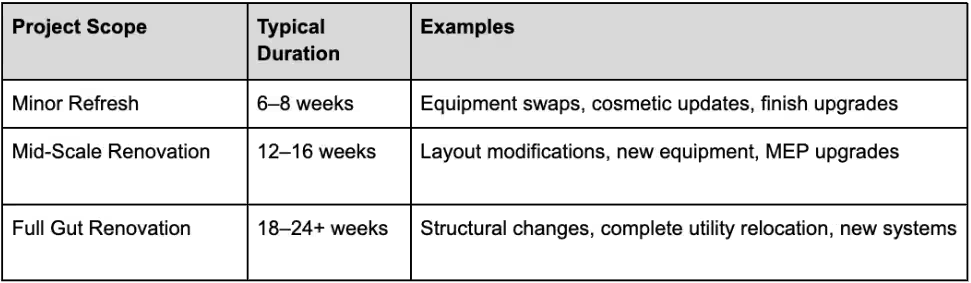
Successful commercial kitchen renovation requires sequential coordination of trades and inspections. Demolition precedes utility roughin, which must complete before equipment installation. Understanding these dependencies prevents schedule conflicts and costly rework, and our breakdown of how the phases sequence in practice sets out what has to finish before each stage can begin.
Most renovations follow this progression: permit approval → demolition → MEP roughin → framing and drywall → equipment installation → testing and commissioning → final inspections.
Quality Control and Progress Monitoring
Implement regular progress reviews to identify potential delays before they impact the critical path. Weekly contractor meetings, photo documentation, and milestone tracking maintain project momentum. Address issues immediately rather than allowing problems to compound.
Tip: Document all change orders and their impact on timeline and budget. Scope creep accounts for 25-30% of renovation overruns in commercial kitchen projects.
Operational Continuity During Construction
Temporary Kitchen Solutions
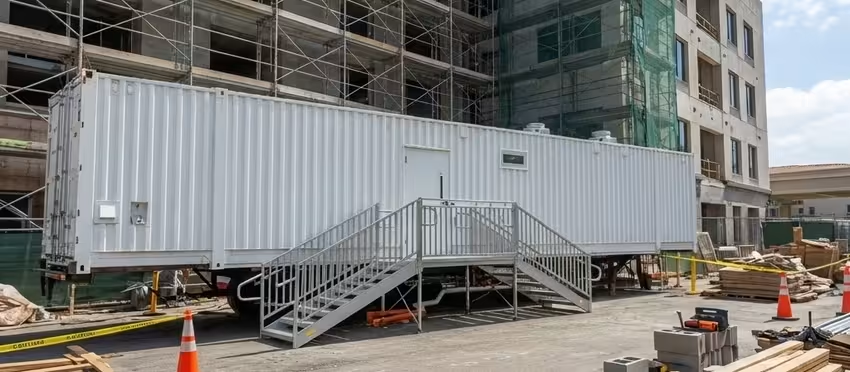
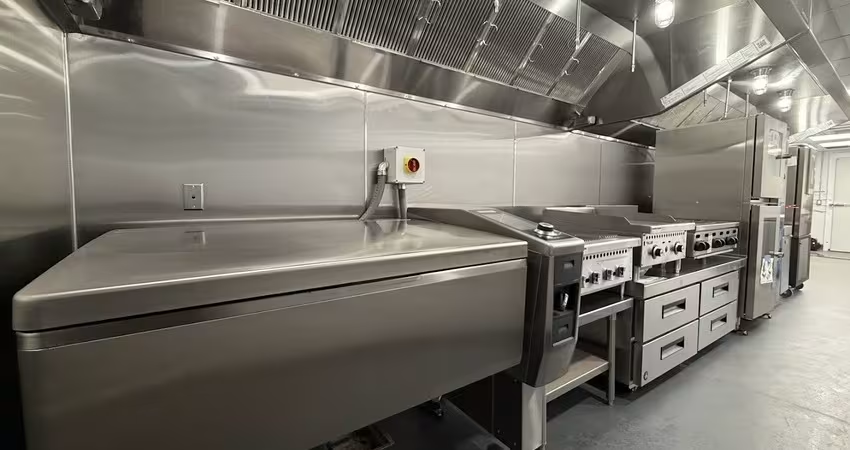
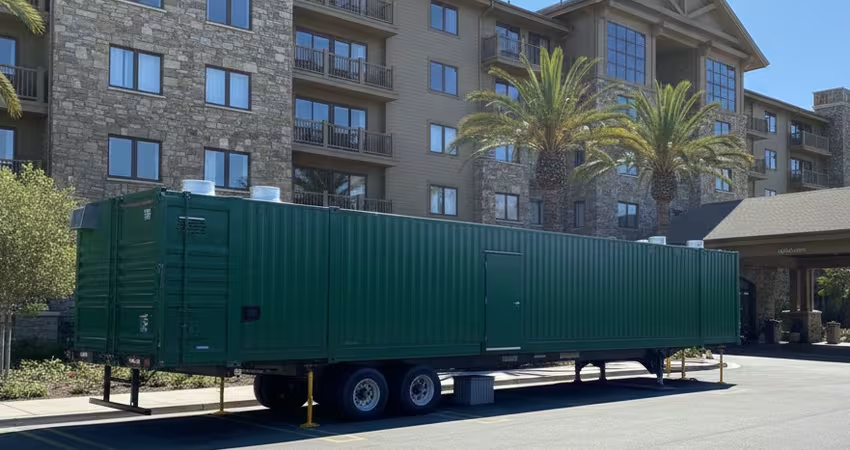
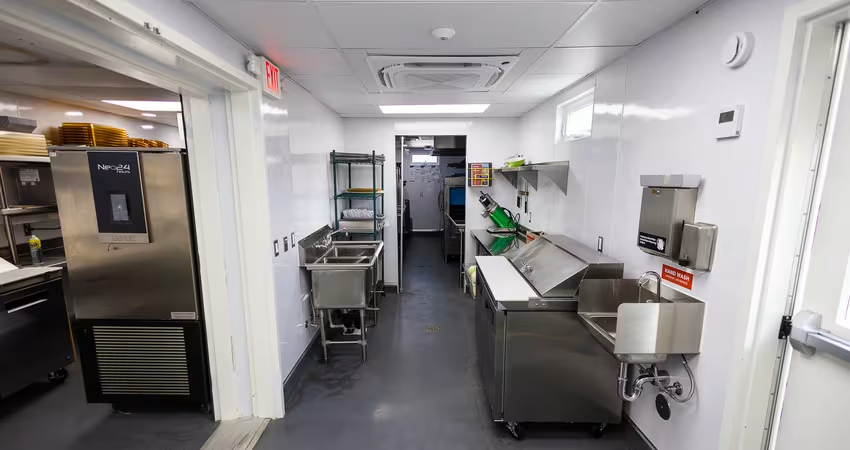
Maintaining foodservice during renovation requires strategic planning and professional mobile kitchen rental solutions. Purpose-built mobile kitchens provide full operational capability while construction proceeds unrestricted. This approach protects revenue streams and maintains guest satisfaction throughout the renovation period.
Evaluate renting versus building temporary facilities based on project duration and operational requirements. Professional mobile kitchens offer immediate deployment and proven compliance with health codes.
Utility and Infrastructure Planning
Coordinate mobile kitchen electrical planning and temporary water and utility connections before construction begins. Proper utility staging ensures seamless transition between permanent and temporary operations.

Post-Construction Optimization
Equipment Commissioning and Staff Training
Commission all equipment under full load conditions before reopening. Test ventilation performance, calibrate cooking equipment, and verify refrigeration temperatures meet food safety requirements. Staff training on new equipment and updated workflows prevents operational disruptions during initial service periods.
Conduct soft opening trials with limited service to identify workflow issues and equipment adjustments needed before full operations resume.
Performance Measurement and ROI Analysis
Monitor key performance indicators in the initial 90 days post-renovation. Track ticket times, energy consumption, labor efficiency, and customer satisfaction scores. Well-executed renovations typically demonstrate 15-25% improvement in operational efficiency and 20-30% reduction in energy costs.
Example: Updated ventilation systems compliant with current standards reduce energy consumption while improving kitchen comfort and air quality for staff productivity.
People Also Ask (FAQ)
How long does a typical commercial kitchen renovation take?
Most commercial kitchen renovations take 8-16 weeks depending on scope and complexity. Simple equipment upgrades may complete in 4-6 weeks, while full gut renovations can extend to 20+ weeks. During this extended downtime, many businesses utilize temporary kitchen solutions to maintain operations and revenue flow.
What permits are required for commercial kitchen renovation?
Commercial kitchen renovations typically require building permits, electrical permits, plumbing permits, and food service licensing updates. Fire department approvals may be needed for ventilation and suppression systems. The permit process can take 4-8 weeks, making early application critical to avoid project delays and extended closure periods.
How much does a commercial kitchen renovation cost?
Commercial kitchen renovation costs range from $75-$200 per square foot for equipment updates, up to $300-$500 per square foot for complete rebuilds. Budget 10-20% contingency for unexpected issues like structural modifications or code compliance upgrades. Consider temporary kitchen rental costs during the renovation period as part of your total project budget.
What are the signs that indicate a commercial kitchen needs renovation?
Key indicators include frequent equipment breakdowns, inefficient workflow patterns, outdated ventilation systems, and health code compliance issues. Recognizing these renovation warning signs early helps prevent emergency shutdowns and allows for proper planning of temporary kitchen arrangements during the upgrade process.
Conclusion
Strategic commercial kitchen renovation transforms operational efficiency while ensuring regulatory compliance and enhanced guest satisfaction. Proper planning, professional contractor selection, and effective temporary kitchen deployment minimize disruption while maximizing long-term returns on your infrastructure investment.
Explore comprehensive purpose-built mobile kitchen solutions or discuss your specific renovation timeline and operational requirements.

%20(1).avif)
Testimonial

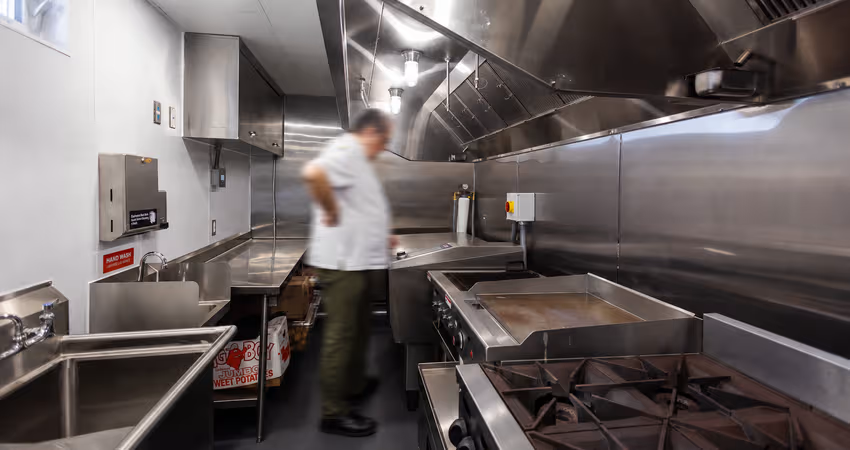
"What is standing out when you look at the mobile kitchen operation is the efficiency that we can really achieve because it's built for that."
Tell us about your kitchen needs and request a quote.
.png)
Turnkey mobile kitchen
Proudly made in-house in the USA
Commercial grade kitchen equipment
Code-compliant
Trusted by Industry Leaders