.gif)
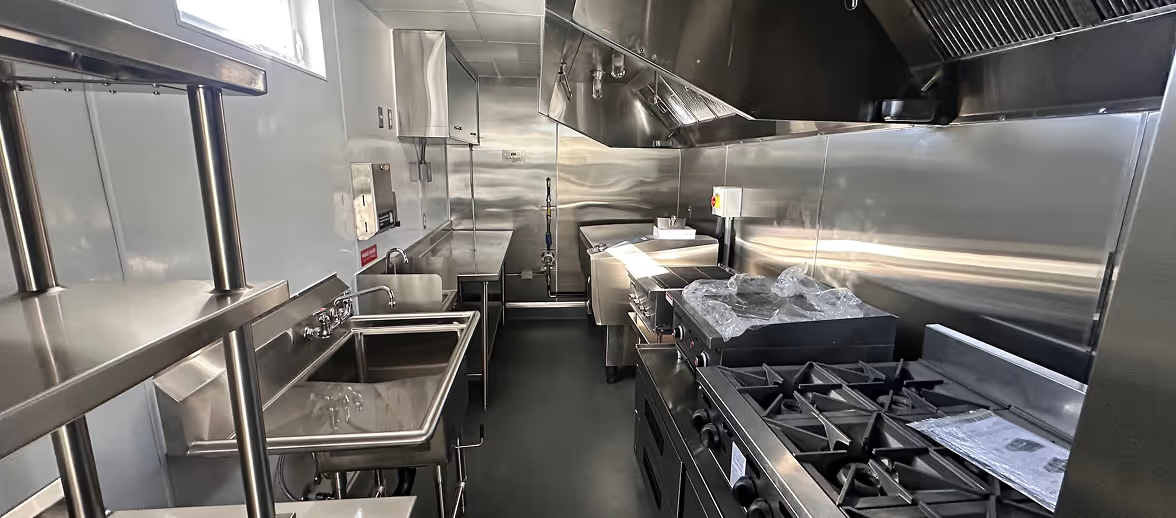
A kitchen fire shuts down operations indefinitely. A burst pipe floods your prep area during peak season. Your HVAC system fails during a health inspection. When mobile kitchen emergencies strike hospitality operations, every minute of downtime translates to lost revenue, disappointed guests, and potential reputation damage. Unlike other facility emergencies, kitchen disruptions affect your core revenue stream immediately—there's no workaround for feeding guests when your kitchen is compromised. This guide examines the most critical emergencies that require mobile kitchen deployment, helping operations managers understand when temporary kitchen solutions become essential for business continuity and guest satisfaction.
Equipment Breakdowns That Trigger Emergency Response
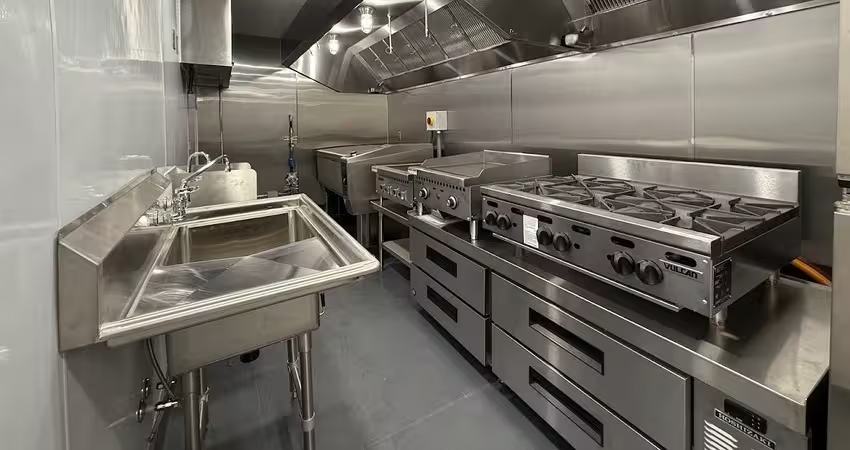
Critical equipment failures create immediate operational crises, often with no warning signs. Walk-in cooler compressor failures during peak season can destroy thousands of dollars in inventory within hours. When temperatures exceed FDA-mandated thresholds, entire food stocks require disposal regardless of visual condition.
HVAC system breakdowns present equally urgent scenarios. Commercial kitchens cannot legally operate without proper ventilation meeting NFPA 96 ventilation standards. Hood system repairs often require specialized parts with 2-4 week lead times, making temporary mobile kitchen solutions essential for maintaining operations.
Fire suppression system malfunctions mandate immediate kitchen closure until professional re-inspection confirms proper operation. Whether from accidental discharge or component failure, these incidents contaminate equipment surfaces and require comprehensive cleaning protocols before resuming service.
Tip: Establish emergency contacts with equipment vendors and mobile kitchen providers before failures occur—crisis situations demand rapid response that pre-planned relationships can deliver.
Natural Disaster Response and Infrastructure Collapse
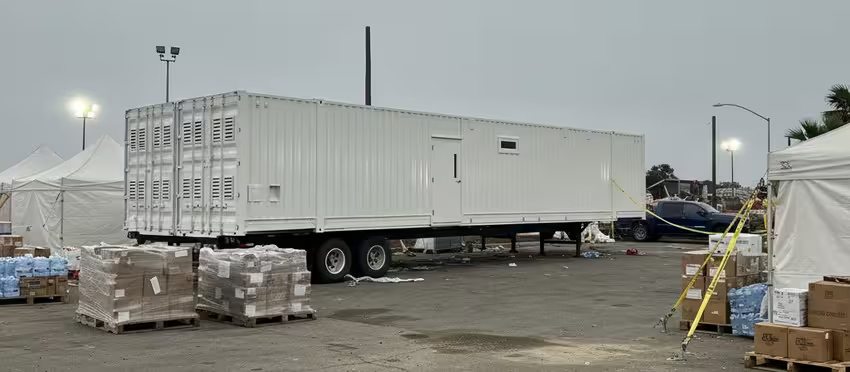
Weather emergencies represent the most visible category requiring emergency kitchen deployment. Hurricanes generate multiple failure modes simultaneously: power outages disable refrigeration, flooding contaminates prep areas, and structural damage compromises building integrity.
Water intrusion creates cascading problems extending far beyond visible damage. Electrical systems require complete replacement after flood exposure, while drywall and insulation harbor dangerous mold growth. FDA emergency food safety guidelines require thorough sanitization protocols before health departments approve reopening.
- Electrical system replacement: 3-6 weeks minimum
- Structural drying and mold remediation: 2-4 weeks
- Equipment inspection and certification: 1-2 weeks
- Health department re-approval: Variable timeline
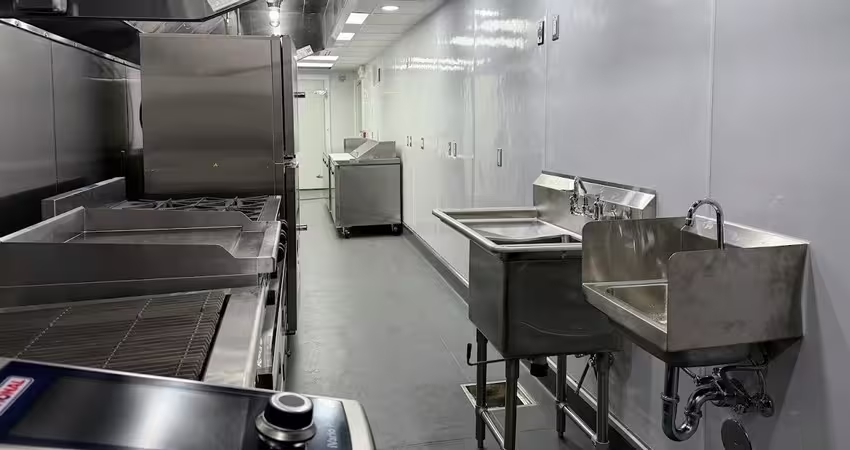
Utility infrastructure failures affect entire regions simultaneously. Municipal water main breaks eliminate the foundation of food safety protocols, while extended power outages create temperature control emergencies across multiple facilities. The mobile kitchen equipment and layout design addresses these scenarios with independent utility systems and backup power capability.
Fire-Related Kitchen Closures
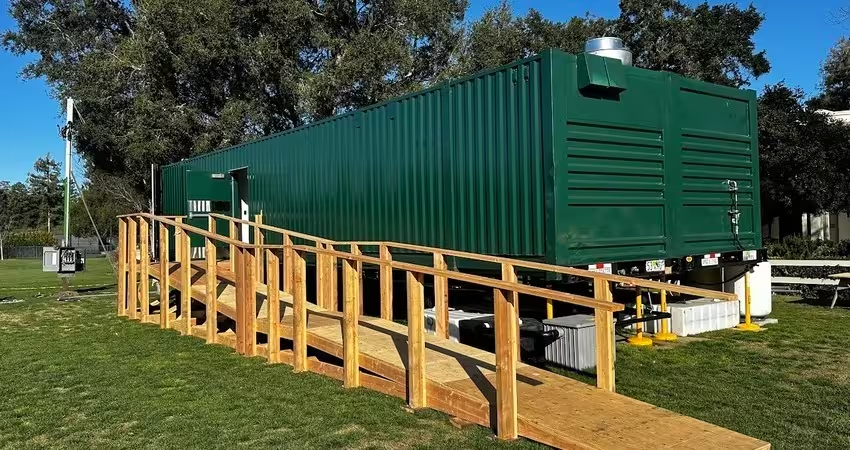
Grease fires trigger comprehensive facility shutdowns extending far beyond the fire's origin point. Sprinkler system activation creates water damage throughout the kitchen, while smoke contamination affects HVAC ductwork, ceiling tiles, and equipment surfaces across the entire facility.
Even minor fires require extensive remediation procedures. Professional cleaning companies must address smoke residue using specialized equipment and chemicals. All food contact surfaces need deep sanitization, while HVAC systems require duct cleaning and filter replacement throughout the building.
Example: A small grease flare-up in a hotel kitchen triggered sprinklers across three dining outlets. While the actual fire damage was minimal, water and smoke contamination forced a complete 5-week renovation during the property's peak wedding season.
Structural fires present even more complex scenarios. When flames compromise building elements, engineering assessments determine occupancy safety. These evaluations can take weeks, during which kitchen spaces remain inaccessible regardless of equipment condition.
Health Code Violations and Regulatory Closures
Health department closure orders create legally-mandated kitchen shutdowns that cannot be appealed or delayed. CDC disaster food service guidelines identify imminent health hazards requiring immediate facility closure until comprehensive remediation occurs.
Sewage backups represent the most serious category, contaminating floors, equipment bases, and storage areas with biohazardous materials. Professional remediation involves complete sanitization using hospital-grade disinfectants, followed by extensive documentation proving contamination elimination.
Severe pest infestations—particularly rodents in food storage areas Extermination alone doesn't satisfy health departments; facilities must demonstrate elimination of nesting areas, contamination sources, and entry points before reopening approval.
The cost-benefit analysis strongly favors mobile kitchen deployment during health code remediation. Revenue preservation during 3-8 week closure periods typically exceeds rental costs by substantial margins, particularly for hospitality mobile kitchen applications during peak seasons.
Renovation Projects That Become Emergency Situations
Planned renovations sometimes reveal hidden problems requiring immediate emergency response. Contractors discovering asbestos, structural damage, or major code violations can transform 6-week projects into 4-month emergencies without warning.
Asbestos discovery mandates complete work stoppage until certified abatement occurs. These procedures require specialized contractors, extensive containment protocols, and air quality monitoring that extends project timelines dramatically. Hotels facing holiday bookings or wedding commitments cannot absorb these delays without alternative kitchen facilities.
Utility infrastructure problems discovered during renovation create particularly challenging scenarios. Upgrading electrical service, replacing gas lines, or addressing plumbing code violations often requires permits and inspections with unpredictable timelines. Understanding permit requirements helps anticipate potential delays, but emergency mobile kitchen deployment provides operational insurance when timelines collapse.
Note: The hidden costs of kitchen downtime extend beyond lost revenue to include staff reassignment costs, guest service failures, and long-term reputation impacts that mobile kitchens effectively prevent.
Emergency Deployment Timeline and Coordination
Professional emergency deployment process typically achieves operational status within 24-72 hours for documented emergencies. This timeline assumes available fleet inventory, accessible site conditions, and coordinated permit processing through established health department relationships.
Site preparation requirements include:
- Level placement surface supporting 40,000+ pounds
- Electrical service capacity (200-400 amperage minimum)
- Water supply connection with adequate pressure
- Drainage access for wastewater management
- Propane or natural gas hookup capabilities
Business continuity planning should address mobile kitchen deployment scenarios before emergencies occur. Business continuity planning guidelines recommend establishing vendor relationships and understanding site requirements during normal operations when decision-making isn't complicated by crisis pressure.
Insurance considerations play crucial roles in emergency response decisions. Many commercial property policies include business interruption coverage for temporary facility costs following covered events. Restaurant industry impact data demonstrates that revenue losses from kitchen closures typically exceed mobile kitchen rental costs by substantial margins, making these deployments financially essential rather than optional expenses.
Large-scale disaster scenarios may require coordination with municipal emergency management agencies. Emergency feeding operations serve both immediate facility needs and broader community response requirements when disasters affect entire regions simultaneously.
People Also Ask (FAQ)
What types of kitchen emergencies require immediate mobile kitchen deployment?
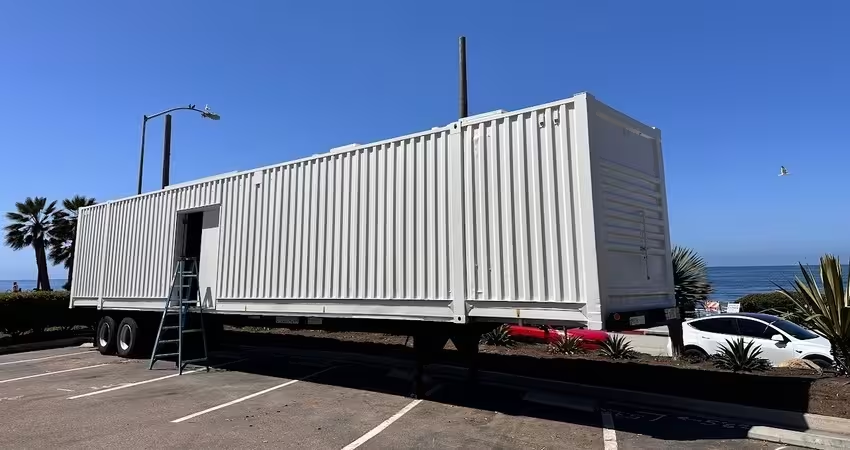
The most urgent emergencies include kitchen fires, major equipment failures, gas leaks, and water damage from burst pipes or flooding. These situations typically require immediate kitchen closure for safety reasons and can take weeks or months to fully remediate. Mobile kitchen trailers provide immediate operational continuity while permanent repairs are completed.
How quickly can a mobile kitchen be deployed during an emergency?
Emergency mobile kitchen deployment typically occurs within 24-72 hours depending on location and availability. The process includes site assessment, utility connections, and equipment setup. Professional delivery and setup services ensure rapid deployment with minimal disruption to your emergency response timeline.
Can mobile kitchens handle the same capacity as permanent kitchens during emergencies?
Modern mobile kitchens are engineered to match permanent kitchen capacity and functionality, featuring commercial-grade equipment, proper ventilation, and health department compliance. They're designed specifically for high-volume food service operations. The ROI analysis often shows mobile kitchens prevent far greater revenue losses than their rental costs during emergencies.
What permits are needed for emergency mobile kitchen installation?
Emergency mobile kitchen permits typically include temporary use permits, health department approvals, and utility connection permits. Many jurisdictions expedite emergency permits for businesses affected by disasters or critical equipment failures. Understanding permit requirements beforehand helps accelerate the emergency deployment process when time is critical.
Conclusion
Emergency kitchen situations demand immediate response to prevent devastating revenue losses and reputation damage. Whether facing natural disasters, equipment failures, fire damage, or health code violations, successful operators recognize that rapid mobile kitchen deployment preserves business continuity when permanent facilities become inoperable.
When emergencies threaten your kitchen operations, explore our comprehensive emergency-ready mobile kitchen fleet or speak with our emergency response specialists for immediate deployment assistance.

Testimonial

"What is standing out when you look at the mobile kitchen operation is the efficiency that we can really achieve because it's built for that."
Tell us about your kitchen needs and request a quote.
.png)
Turnkey mobile kitchen
Proudly made in-house in the USA
Commercial grade kitchen equipment
Code-compliant
Trusted by Industry Leaders