.gif)
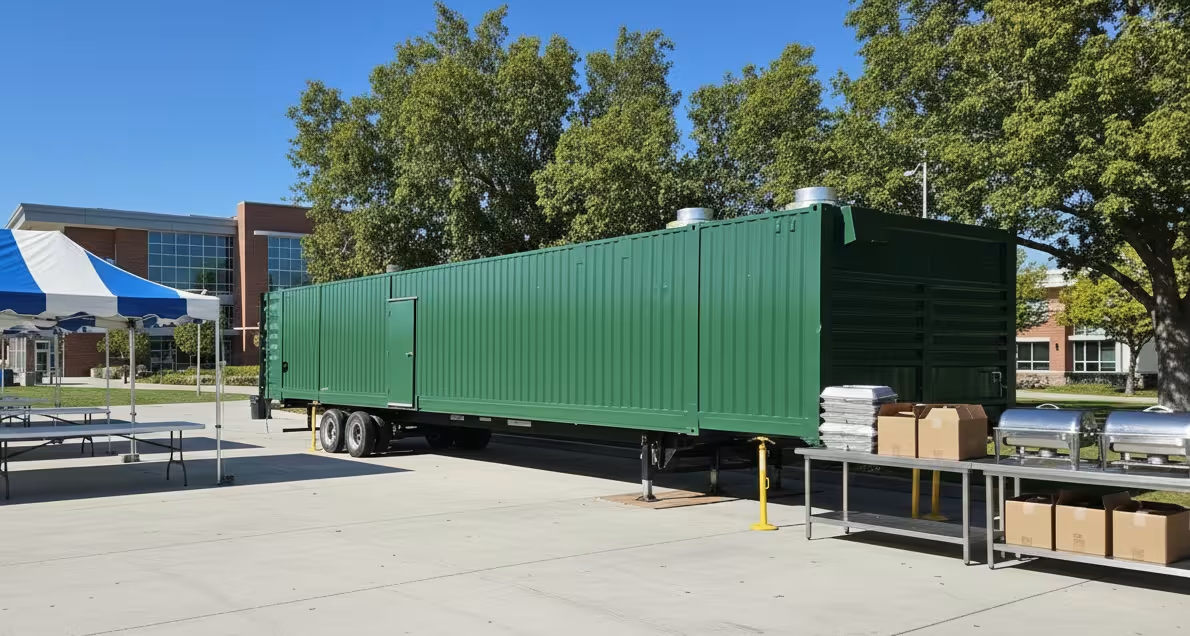
When disaster strikes, feeding displaced communities becomes a critical priority that can overwhelm existing food service infrastructure. Cities across the United States increasingly turn to mobile kitchen trailers as their emergency response solution, with FEMA deploying over 200 mobile feeding units during Hurricane Katrina alone. Unlike traditional emergency shelters that rely on basic food distribution, modern mobile kitchen trailers provide the capability to prepare fresh, hot meals for hundreds of people daily while maintaining health department standards. This comprehensive guide explores how municipal emergency management teams leverage mobile kitchen trailers to ensure food security during natural disasters, public health emergencies, and community crises.
Emergency Response Requirements for Municipal Food Service
Municipal emergency managers face complex challenges when disasters disrupt normal food distribution channels. The FEMA emergency work guidelines classify mass feeding operations as Category B emergency work, requiring immediate action to protect public health and safety during declared emergencies.
Mobile kitchen trailer emergency deployments must address multiple operational demands simultaneously. Cities need equipment that can serve displaced populations, emergency responders, and vulnerable residents while maintaining strict food safety protocols under challenging conditions.
The CDC food safety during disasters guidelines emphasize that emergency feeding operations cannot compromise sanitation standards, even when permanent facilities are unavailable. This requirement drives municipalities toward professional mobile kitchen solutions rather than improvised food service arrangements.
Note: Emergency declarations trigger specific federal funding mechanisms that can help cover mobile kitchen deployment costs, making professional equipment rentals financially viable for cash-strapped municipalities during crisis periods.
Coordination with National Disaster Relief Organizations
Municipal emergency management teams coordinate closely with organizations like the American Red Cross disaster response teams during large-scale incidents. Mobile kitchen trailers serve as force multipliers, allowing local governments to maintain independent feeding capacity while supporting broader relief operations.
This coordination becomes critical when multiple agencies operate in the same geographic area. Purpose-built mobile kitchens provide standardized capabilities that integrate seamlessly with federal and non-profit response protocols.

Technical Specifications for Emergency Mobile Kitchens
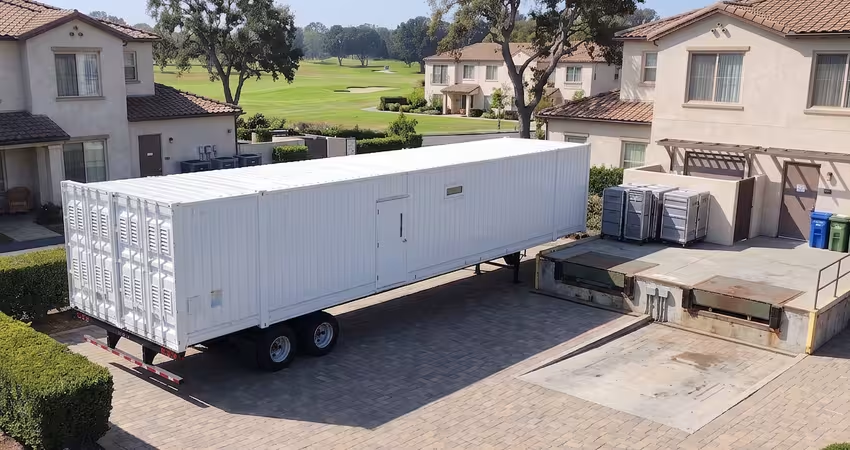
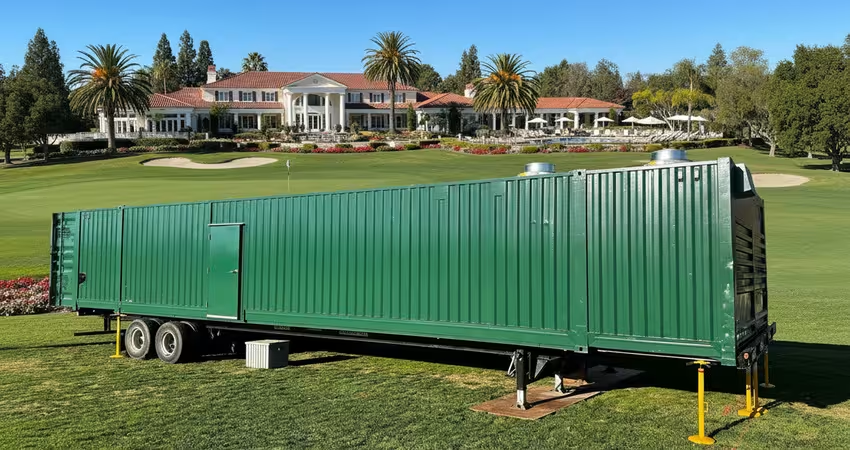
Emergency-grade mobile kitchen trailers incorporate specialized systems designed for rapid deployment and sustained operation under adverse conditions. Understanding these technical capabilities helps emergency planners select appropriate equipment for their specific needs.
Power and Utility Integration
Professional mobile kitchens connect to temporary power systems commonly deployed during emergencies. Units feature integrated electrical distribution panels that accommodate generator feeds, utility hookups, or hybrid power configurations based on site conditions.
Water supply systems include both pressurized connections for municipal feeds and gravity-fed options for tank truck supplies. Wastewater management incorporates holding tanks, pump-out capabilities, and connections to temporary septic systems.
Tip: Emergency managers should verify power and water capacity requirements during pre-event planning to ensure compatibility with available utility resources during actual deployments.
Food Production and Safety Systems
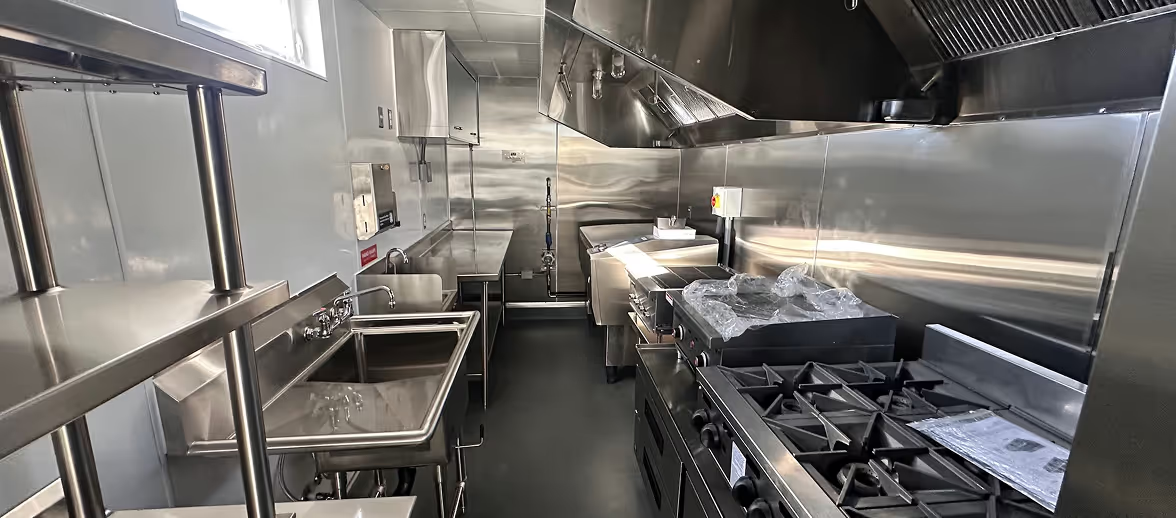
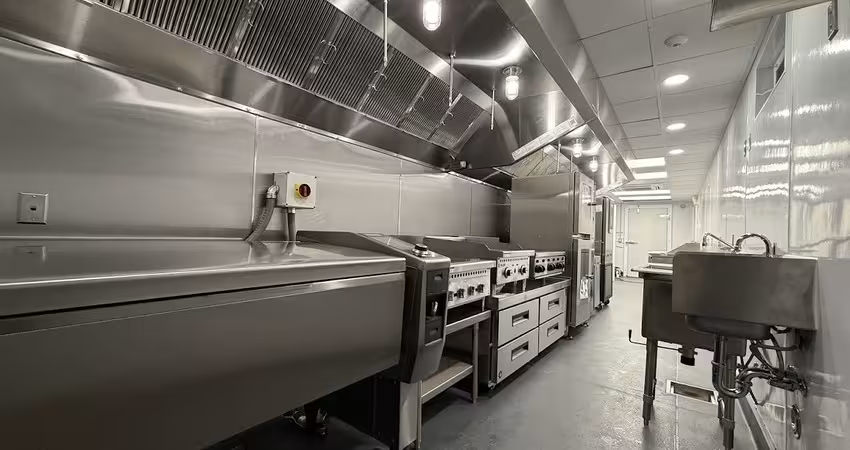
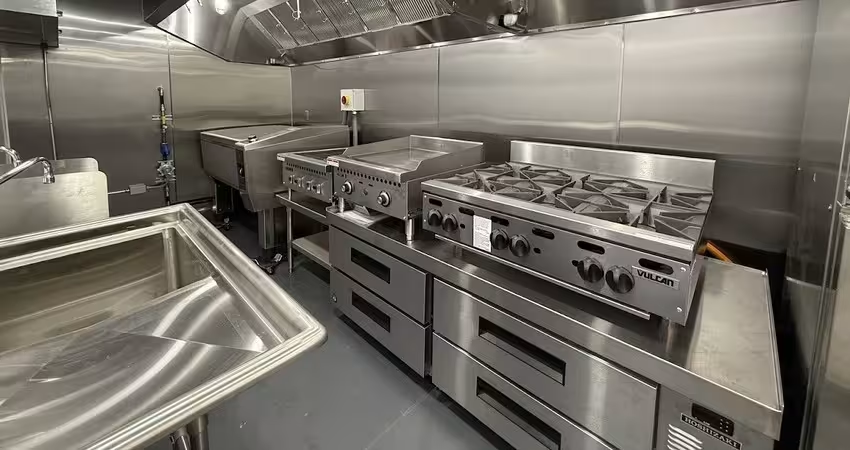
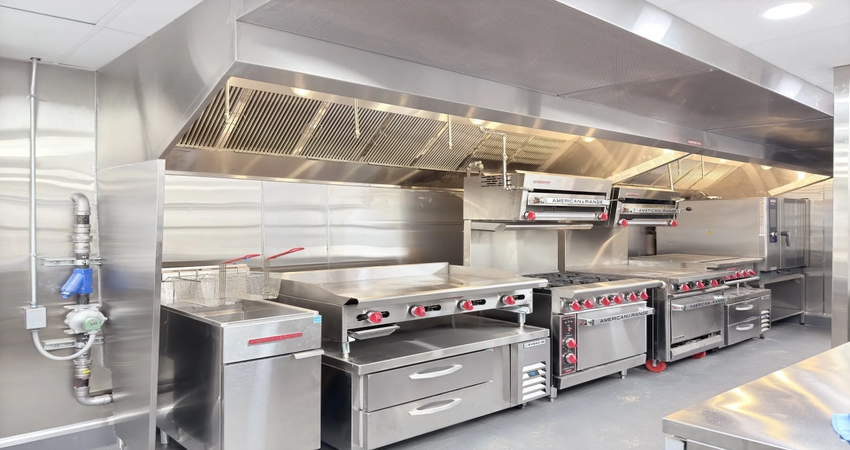
The complete mobile kitchen interior guide details equipment configurations that support high-volume meal production while maintaining food safety standards required by health departments during emergency operations.
Commercial-grade refrigeration systems maintain proper temperatures even when ambient conditions are extreme. Fire suppression systems meet NFPA fire safety standards for mobile units, providing protection for both equipment and personnel in emergency settings.
Ventilation systems remove heat, smoke, and cooking vapors while maintaining positive pressure to prevent contamination from external environmental hazards that may be present during disaster conditions.
Deployment Logistics and Timeline Considerations
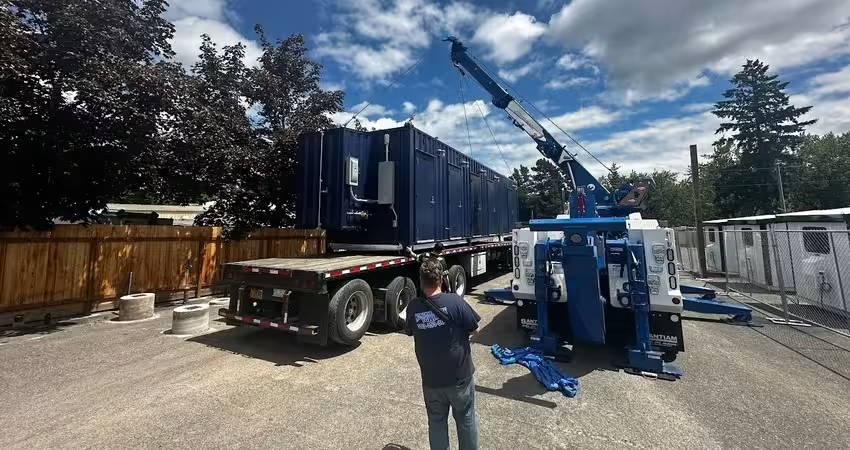
Successful mobile kitchen trailer emergency response depends on pre-planned logistics that account for transportation, site preparation, and activation timelines. The mobile kitchen delivery and setup process typically requires 24-48 hours from emergency declaration to operational status.
Site Selection and Preparation Requirements
Emergency deployment sites must provide level ground, utility access, and adequate space for food delivery, waste removal, and personnel movement. Sites should accommodate multiple trailers if scalability becomes necessary as incident scope expands.
Proximity to shelter locations, medical facilities, or command posts reduces meal transportation time and improves operational efficiency. Sites must also consider traffic flow, security, and potential evacuation routes if conditions deteriorate.
Example: During Hurricane Harvey, Houston deployed multiple mobile kitchens at convention centers, schools, and park facilities, positioning units based on shelter capacity and transportation access rather than traditional food service locations.
Staffing and Operational Protocols
Emergency feeding operations require experienced food service personnel who understand both commercial kitchen operations and disaster response protocols. Staff must maintain food safety standards while adapting to unique challenges presented by emergency conditions.
Municipal teams often coordinate with senior living facility solutions providers who have experience serving vulnerable populations that require special dietary considerations during emergency situations.
Budget Planning and Cost Justification Strategies
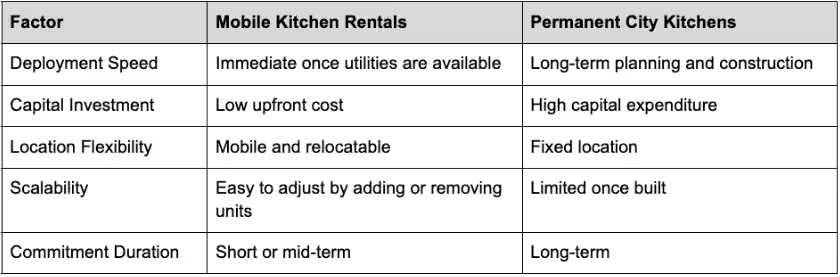
Emergency preparedness budgets must balance cost containment with operational readiness. Mobile kitchen rentals provide municipalities with predictable expenses that align with actual usage rather than fixed infrastructure costs that may go unused for extended periods.
The mobile kitchen rental ROI analysis methodology applies to emergency preparedness planning by comparing rental costs against the expense of building and maintaining permanent emergency feeding facilities.
FEMA Public Assistance funding may reimburse mobile kitchen rental costs when deployments meet federal emergency declaration criteria. This funding mechanism makes professional equipment financially viable even for smaller municipalities with limited emergency budgets.
Multi-Purpose Applications Beyond Emergency Response
Cities maximize their investment by incorporating mobile kitchens into non-emergency operations throughout the year. Temporary kitchen solutions support facility renovations, seasonal programs, and community events, spreading costs across multiple municipal departments and functions.
This multi-use approach helps justify equipment rental agreements by demonstrating value beyond disaster response scenarios. Mobile kitchen hospitality applications show how the same professional-grade equipment serves diverse municipal needs.
Note: Some cities negotiate annual service agreements that provide priority access during emergencies while allowing scheduled use for planned events throughout the year.
Integration with Comprehensive Emergency Planning
Mobile kitchen trailers function as components within broader emergency management frameworks. The emergency continuity planning guidance emphasizes the importance of integrating feeding operations with shelter management, medical care, and resource distribution systems.
Effective planning coordinates mobile kitchen deployment with transportation resources, security protocols, and communication systems to create comprehensive response capabilities that address community needs holistically rather than in isolation.
People Also Ask (FAQ)
How quickly can mobile kitchen trailers be deployed during emergencies?
Professional mobile kitchen trailers can typically be deployed within 24-48 hours of emergency declaration, depending on location and availability. The units arrive fully equipped and ready for immediate food production once connected to utilities. Understanding the delivery and setup process helps emergency managers plan more effectively for rapid deployment scenarios.
What capacity do emergency mobile kitchen trailers have for feeding large populations?
Emergency-grade mobile kitchen trailers can typically serve 500-2,000 meals per day, depending on unit size and menu complexity. Multiple units can be deployed together to scale capacity for larger disasters. The kitchens maintain commercial-grade equipment standards to ensure consistent food production even under challenging conditions.
Do mobile kitchen trailers meet health department requirements during emergencies?
Yes, professional mobile kitchen trailers are built to meet NSF and local health department standards, even during emergency deployments. They include proper ventilation, food storage, washing stations, and temperature control systems. Emergency health waivers may apply, but maintaining food safety remains critical to prevent secondary health crises in vulnerable populations.
How much does it cost cities to rent mobile kitchen trailers for emergency response?
Emergency mobile kitchen rental costs vary by duration, capacity, and deployment complexity, typically ranging from $8,000-$25,000 per month per unit. Many cities pre-negotiate emergency contracts to ensure rapid deployment at predetermined rates. Understanding rental ROI calculations helps emergency managers justify budget allocations for disaster preparedness.
Conclusion
Municipal emergency managers require reliable, scalable feeding solutions that can deploy rapidly when disasters overwhelm existing food service infrastructure. Professional mobile kitchen trailers provide the technical capabilities, regulatory compliance, and operational flexibility necessary to maintain community food security during crisis situations.
Explore comprehensive emergency-ready mobile kitchen configurations or discuss deployment planning with emergency preparedness specialists.

Testimonial

"What is standing out when you look at the mobile kitchen operation is the efficiency that we can really achieve because it's built for that."
Tell us about your kitchen needs and request a quote.
.png)
Turnkey mobile kitchen
Proudly made in-house in the USA
Commercial grade kitchen equipment
Code-compliant
Trusted by Industry Leaders