.gif)
Building a temporary kitchen for a single event can cost $50,000-$200,000 and take months to complete Smart event planners and venue managers are discovering that renting a purpose-built mobile kitchen delivers professional-grade food service capabilities at a fraction of the cost and timeline. Whether you're managing a multi-day corporate conference, wedding celebration, or seasonal festival, the kitchen rent vs build decision impacts your budget, timeline, and event success. This guide examines the practical and financial advantages of mobile kitchen rentals over temporary construction, helping you make an informed decision that maximizes your event's profitability while ensuring seamless food service operations.
Why Venue Operators Face Capacity Challenges
Event venues operate in feast-or-famine cycles. A country club might handle intimate dinners midweek, then face 400-guest weddings on weekends. Conference centers book intimate board meetings followed by 2,000-person corporate galas. Outdoor venues like vineyards and estates often have stunning locations but zero kitchen infrastructure.
When demand exceeds kitchen capacity, venue operators face a critical choice: expand or lose bookings. According to National Restaurant Association event catering research, the catering segment has grown 35% over the past five years as corporate events and social celebrations increase in scale and complexity.
Note: Seasonal venues face the added challenge of needing full commercial kitchen capacity for just 3-4 months annually, making permanent construction financially impractical.
The Real Cost of Kitchen Rent vs Build Analysis
Temporary kitchen construction involves far more than basic framing and equipment installation. The true expense includes:
- Architectural drawings and engineering plans ($5,000-$15,000)
- Building permits and utility connections ($3,000-$10,000)
- Commercial equipment purchase or lease ($40,000-$150,000)
- HVAC installation with proper ventilation ($15,000-$30,000)
- Fire suppression systems meeting NFPA 96 ventilation standards for commercial cooking ($8,000-$20,000)
- Post-event demolition and site restoration ($5,000-$15,000)
These costs total $75,000-$240,000 before unexpected delays or change orders. Detailed cost comparison between renting and building shows rental options typically cost 60-80% less than temporary construction.

Timeline Reality Check
Construction timelines consistently exceed initial estimates:
- Permit applications and approvals: 6-12 weeks
- Site preparation and utility installation: 2-4 weeks
- Structure construction and equipment installation: 4-8 weeks
- Health department inspections and corrections: 1-3 weeks
Total timeline: 13-27 weeks minimum. For venues booking events 8-12 weeks in advance, this timeline makes temporary construction impossible.
Example: A resort books a corporate retreat for September but doesn't secure kitchen expansion approval until July. Temporary construction would extend into November, missing the event entirely.
Mobile Kitchen Rental Advantages
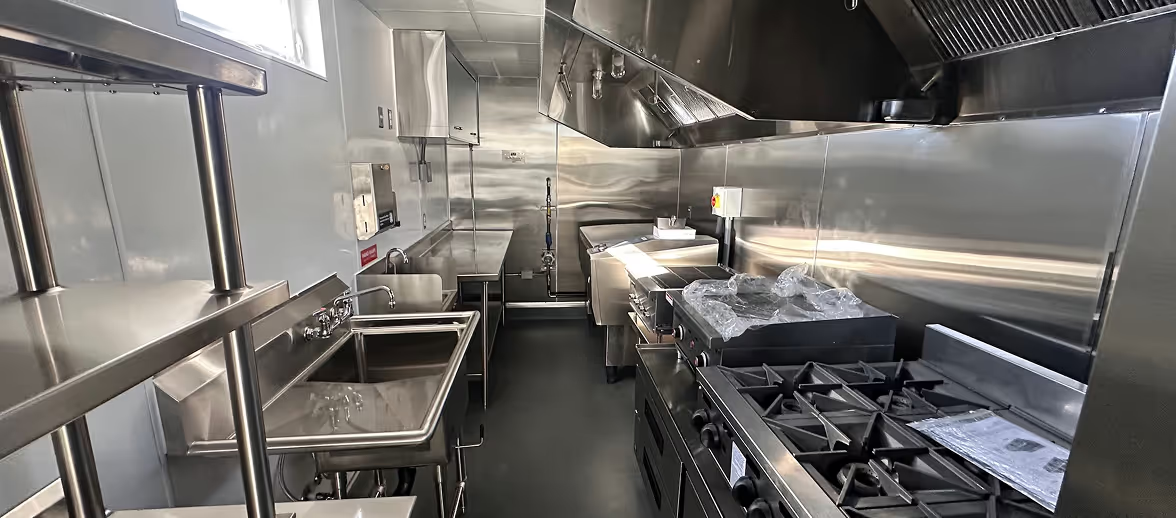
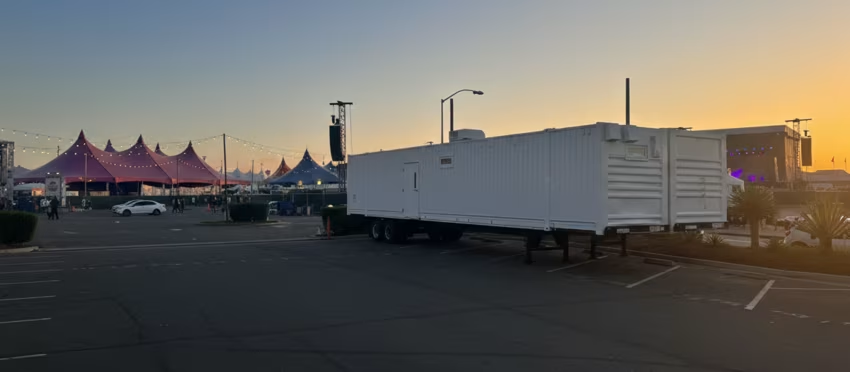
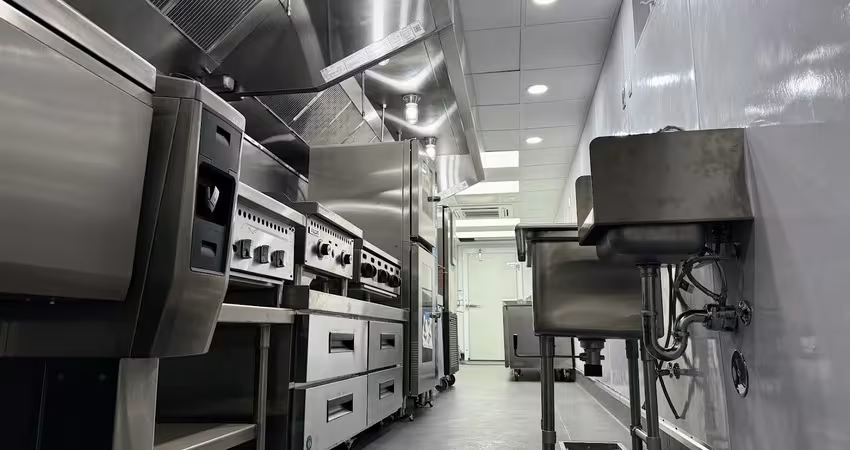
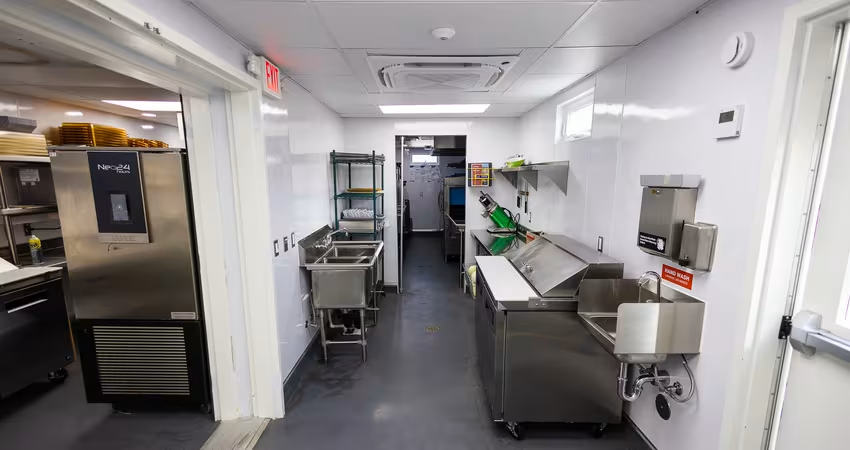
Professional mobile kitchen rental solutions eliminate construction timelines through pre-built, certified units. These aren't retrofitted food trucks—they're purpose-engineered commercial kitchens manufactured to match permanent facility standards.
Immediate Deployment Capabilities
Mobile kitchens deploy in 24-48 hours with proper site preparation. The mobile kitchen deployment process includes:
- Site delivery and positioning
- Utility connections (electrical, water, waste)
- Equipment testing and calibration
- Health department inspection scheduling
This rapid deployment allows venues to confirm bookings weeks before events rather than months, maximizing booking flexibility and revenue opportunities.
Built-In Compliance and Certification
Purpose-built mobile kitchens arrive with complete regulatory compliance:
- FDA Food Code for commercial food service compliance
- NSF commercial kitchen equipment certification standards for all appliances
- NFPA 96-compliant ventilation and fire suppression
- ADA accessibility features
The permit requirements for mobile kitchens typically involve only basic event permits rather than complex construction approvals. Mobile kitchen providers often coordinate permit applications as part of their turnkey service.
Tip: Verify that mobile kitchen providers carry comprehensive liability insurance and provide documentation of all safety certifications before signing rental agreements.
Operational Performance Comparison
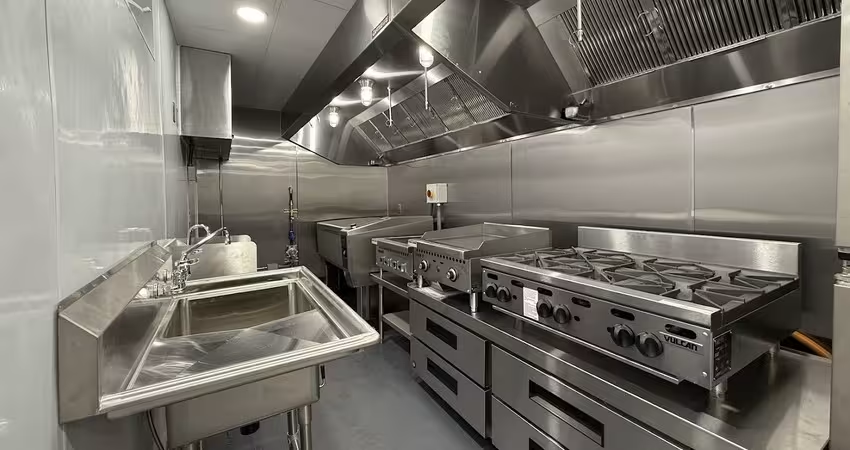
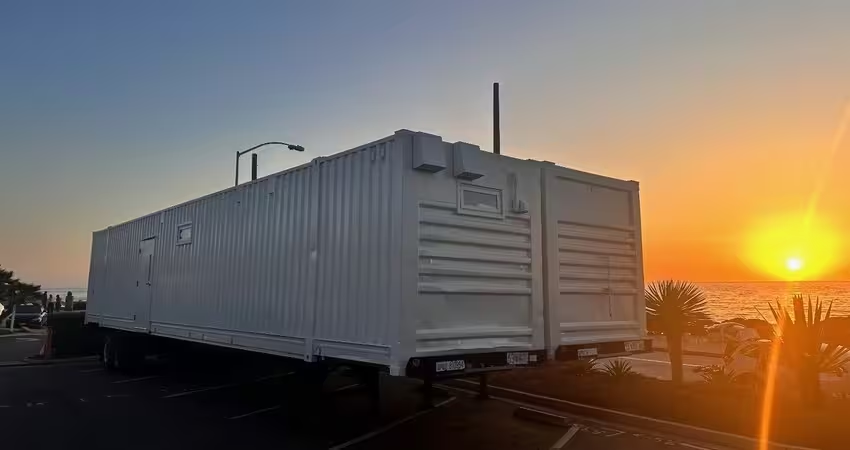
Modern mobile kitchens match or exceed temporary construction capabilities. Purpose-built units feature optimized workflow designs created by food service professionals, not general contractors adapting generic space.
Equipment and Layout Advantages
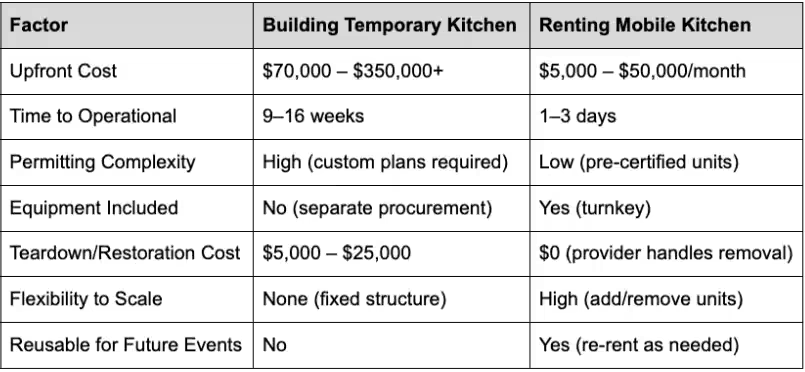
Commercial mobile kitchens include:
- Multi-station cooking lines with induction and gas capabilities
- Walk-in refrigeration and freezer units
- High-capacity dishwashing systems
- Separate prep and plating areas
- Temperature-controlled storage
These layouts mirror successful commercial kitchen designs, enabling kitchen staff to maintain familiar workflows and service standards. The comprehensive guide to mobile kitchen rentals for events details specific equipment configurations for different event scales.
Scalability for Variable Demand
Mobile kitchen rentals offer unmatched scalability. Single units handle intimate events of 100-200 guests, while multiple connected units support festivals and conferences serving thousands. This modularity eliminates the all-or-nothing commitment of permanent construction.
For seasonal venues, mobile kitchens versus catering tents provide enclosed, climate-controlled environments that extend outdoor event seasons into shoulder months.
Financial Analysis: Kitchen Rent vs Build ROI
For venues evaluating long-term financial impact, rental flexibility provides superior return on investment:
- Three-month wedding season: $15,000-$25,000 rental vs. $75,000+ construction
- Annual conference schedule: $40,000-$60,000 rental vs. $150,000+ permanent addition
- Outdoor venue seasonal operation: $20,000-$35,000 rental vs. $100,000+ building plus utilities
According to American Hotel & Lodging Association event food service guidelines, venues using mobile kitchen rentals report 25-40% higher profit margins on large events compared to outsourcing catering or limiting event scale due to kitchen constraints.
Hidden Construction Costs
Temporary construction includes expenses beyond initial estimates:
- Site restoration requirements after demolition
- Utility connection fees and deposits
- Extended insurance coverage during construction
- Lost revenue from unusable event space during building
- Change orders and permit revisions
These hidden costs often increase total project expenses by 30-50%. Mobile kitchen rentals include all setup, breakdown, and transportation in fixed pricing.
When Building Makes Strategic Sense
Temporary construction remains appropriate for specific scenarios:
- Permanent venue expansion with multi-year capital plans
- Integration requirements with existing building systems
- Local regulations prohibiting mobile units
- Venues with year-round high-volume event schedules
For short-term capacity needs, outdoor venues, or seasonal operations, mobile kitchen rentals provide superior financial and operational outcomes.
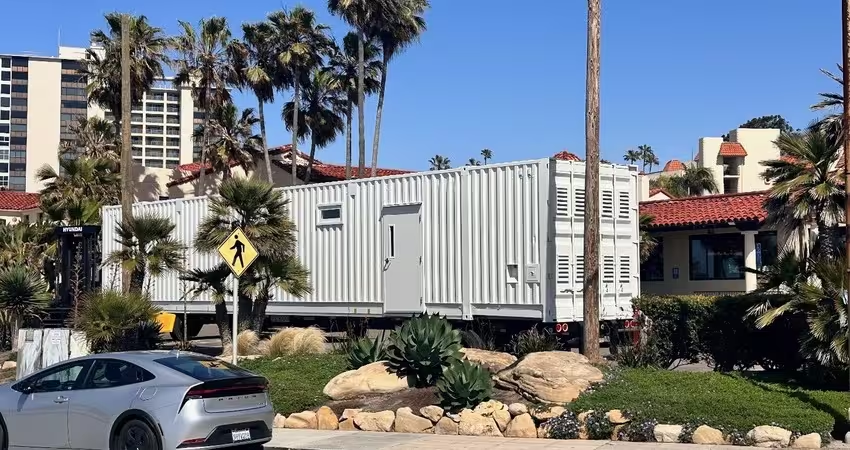
Note: Some municipalities restrict mobile kitchen placement in certain zoning districts. The site preparation requirements should be verified during initial venue assessment.
Understanding electrical requirements for mobile kitchens helps venues prepare appropriate utility connections without permanent infrastructure investment.
Strategic Decision Framework
Event venue operators should evaluate kitchen capacity solutions based on three criteria:
- Timeline urgency: Events booked within 12 weeks require rental solutions
- Usage frequency: Seasonal or occasional needs favor rentals; year-round operations may justify construction
- Capital availability: Rental preserves cash flow and eliminates construction financing requirements
For venues serving high-end clientele, mobile kitchens for conference center events maintain service quality standards while providing operational flexibility.
People Also Ask (FAQ)
How much does it cost to rent vs build a kitchen for an event?
Renting a mobile kitchen typically costs $3,000-$8,000 per week, while building a temporary kitchen can cost $50,000-$200,000 including permits, construction, equipment, and demolition. Rental costs are predictable and all-inclusive, covering delivery, setup, equipment, and support services. Building requires additional expenses for utilities, inspections, insurance, and post-event removal that can double initial estimates.
How long does it take to set up a rented mobile kitchen vs building one?
A professional mobile kitchen can be delivered and operational within 24-48 hours of arrival, while temporary kitchen construction typically requires 6-12 weeks including permits, construction, and inspections. The rental process eliminates construction delays and allows event planners to focus on other critical preparations. Last-minute event changes or weather delays won't impact mobile kitchen deployment like they would construction projects.
What permits are required for rented mobile kitchens vs built temporary kitchens?
Mobile kitchen rentals typically require only basic event permits since the units arrive pre-certified and health department approved. Temporary construction requires building permits, electrical permits, plumbing permits, and separate health department inspections that can take weeks to obtain. Mobile kitchen providers often handle permit coordination as part of their service, reducing administrative burden on event organizers.
Can a rented mobile kitchen handle the same volume as a built temporary kitchen?
Professional mobile kitchens are designed to match or exceed the capacity of most temporary kitchens, with full commercial-grade equipment and proper ventilation systems. Modern mobile units feature the same NSF-certified equipment found in permanent commercial kitchens, including multi-burner ranges, convection ovens, prep tables, and refrigeration. The key advantage is consistent performance and reliability compared to hastily assembled temporary setups.
Conclusion
The kitchen rent vs build decision for event venues consistently favors mobile kitchen rentals for temporary capacity needs. Rental solutions deliver commercial-grade capability in days rather than months, at 60-80% lower total cost than temporary construction. Purpose-built mobile kitchens provide certified compliance, scalable capacity, and operational flexibility that temporary builds cannot match.
Explore proven mobile kitchen solutions designed for event venues or schedule a consultation to evaluate your specific capacity requirements.

%20(1).avif)
Testimonial
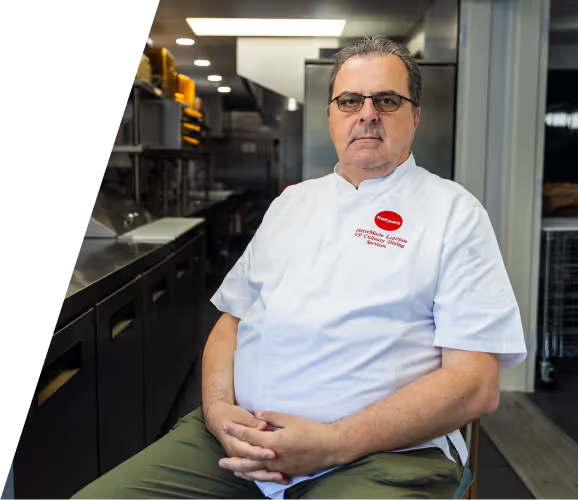
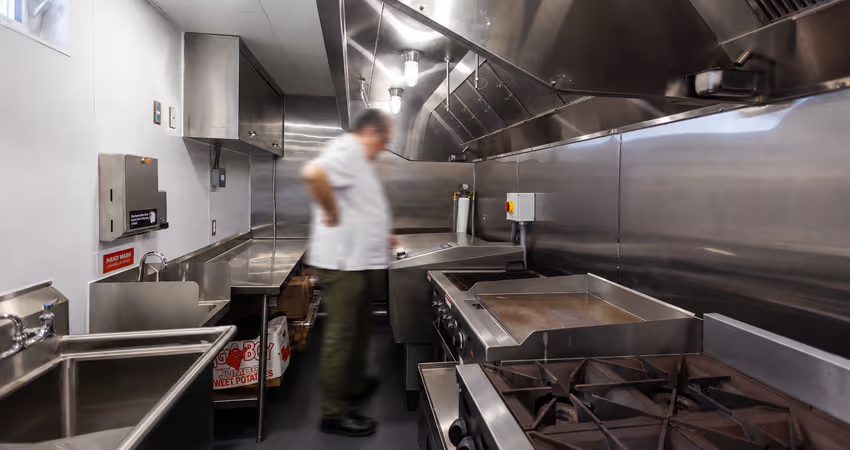
"What is standing out when you look at the mobile kitchen operation is the efficiency that we can really achieve because it's built for that."
Tell us about your kitchen needs and request a quote.
.png)
Turnkey mobile kitchen
Proudly made in-house in the USA
Commercial grade kitchen equipment
Code-compliant
Trusted by Industry Leaders