.gif)
.avif)
Most rental mobile kitchens are poorly designed retrofitted trailers that compromise your culinary operations when you need them most. While 78% of hospitality operators face kitchen downtime during renovations, the majority rely on makeshift solutions that can't match their operational standards. Purpose-built mobile kitchen design represents a fundamentally different approach—engineering commercial-grade functionality from the ground up rather than cramming equipment into converted spaces. This comprehensive guide explores how professional mobile kitchens are designed and built for rental use, covering everything from initial engineering specifications to final quality control processes. You'll discover the critical design principles that separate purpose-built units from retrofitted alternatives and understand why proper mobile kitchen design directly impacts your operational success.
Structural Engineering and Frame Construction
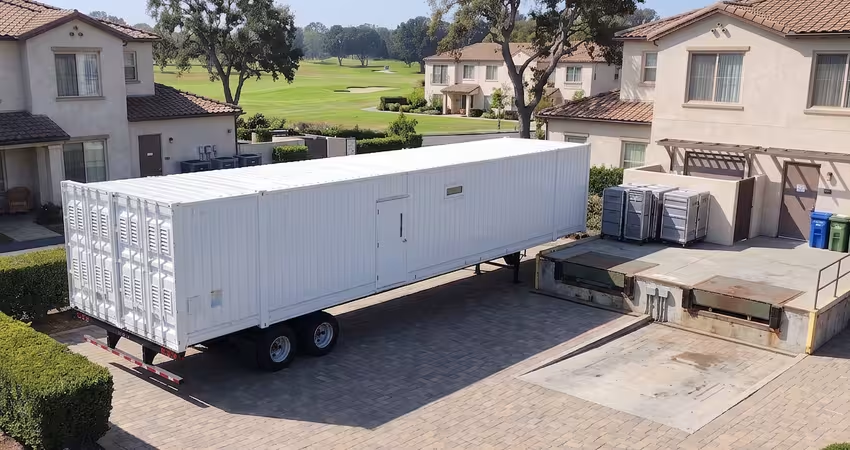
Professional mobile kitchen design begins with sophisticated engineering that accounts for dynamic transport forces and stationary operation requirements. Unlike standard trailers, purpose-built units feature heavy-duty steel framework engineered to handle concentrated equipment loads while maintaining structural integrity during repeated transport cycles.
Advanced welding techniques create seamless joints that resist fatigue stress from road vibrations. The chassis incorporates multiple load-bearing points that distribute weight evenly across axle configurations, preventing dangerous overloading conditions that could compromise safety during transport.
Note: Proper weight distribution calculations ensure compliance with UL commercial kitchen safety standards while maintaining legal transport weight limits across state lines.

Power Systems and Utility Integration
Commercial-grade electrical systems form the backbone of effective mobile kitchen design. Three-phase power distribution panels handle high-amperage equipment loads while maintaining stable voltage regulation throughout operation cycles. Load management systems prevent circuit overloads during peak cooking periods.
Utility connections integrate multiple service types through weather-resistant quick-connect systems:
- 480V electrical service for heavy equipment
- Natural gas or propane supply with leak detection
- Potable water with heated lines preventing freeze damage
- Greywater discharge systems with built-in traps
Automated monitoring systems track utility consumption and alert operators to potential issues before they impact service. This proactive approach minimizes downtime risks that could affect guest experience during facility renovations.
Ventilation and Fire Safety Systems
Advanced ventilation design accommodates variable environmental conditions while maintaining consistent performance standards. Variable-speed exhaust fans automatically adjust to cooking loads and external wind conditions, ensuring optimal capture velocities regardless of site orientation.
Fire suppression systems integrate directly with cooking equipment through automatic activation sensors. NFPA 96 ventilation standards govern system design, requiring specific exhaust rates and suppression agent distribution patterns throughout the cooking area.
Tip: Modular ductwork systems enable rapid installation and removal, reducing setup time while maintaining full safety compliance.
Equipment Selection and Layout Optimization
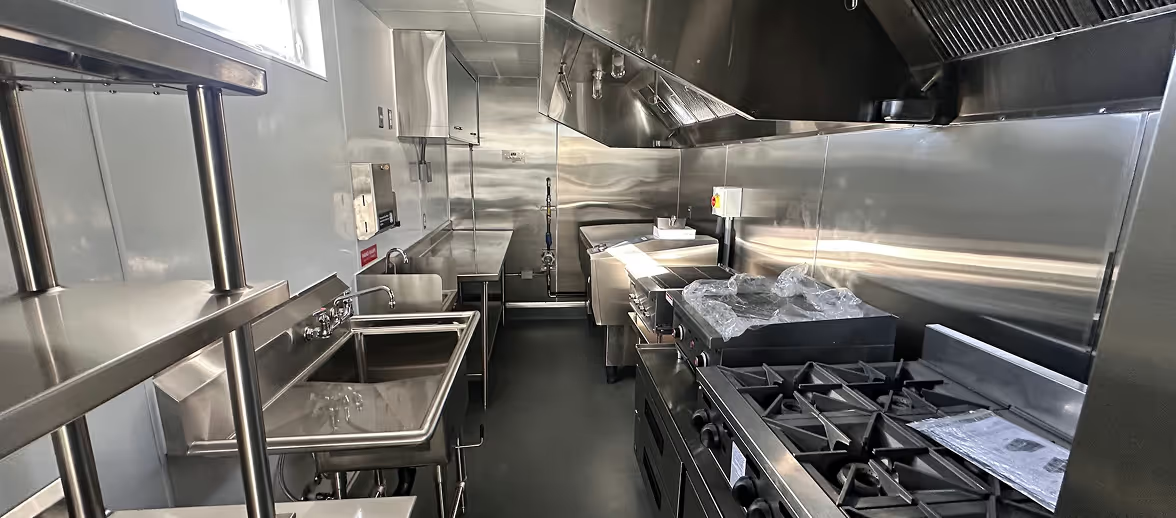
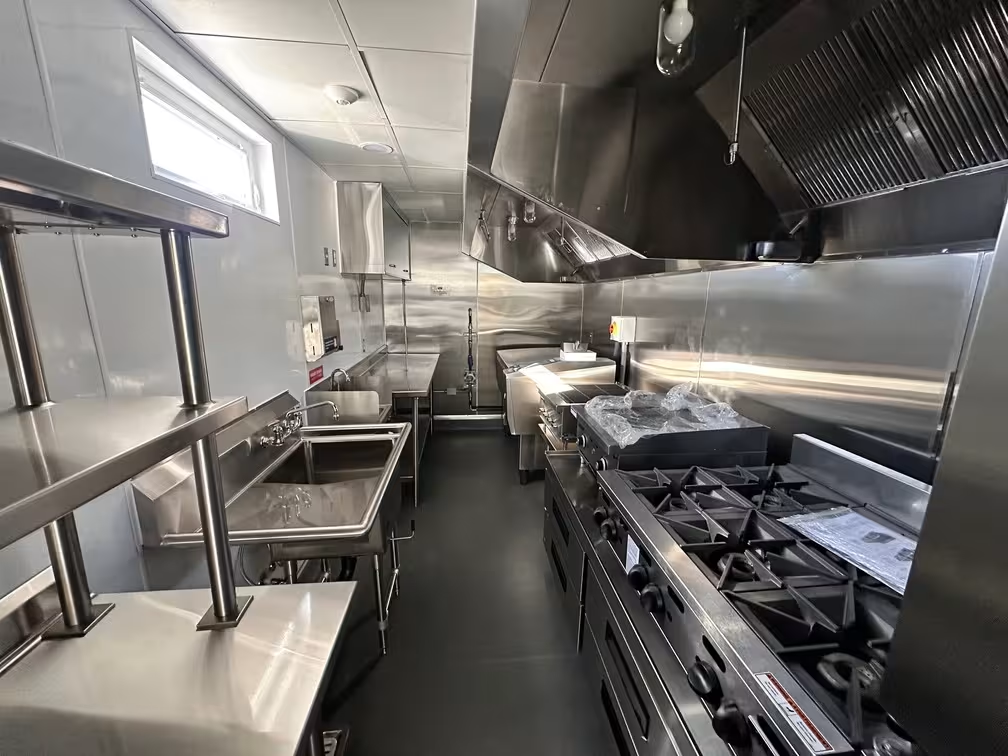
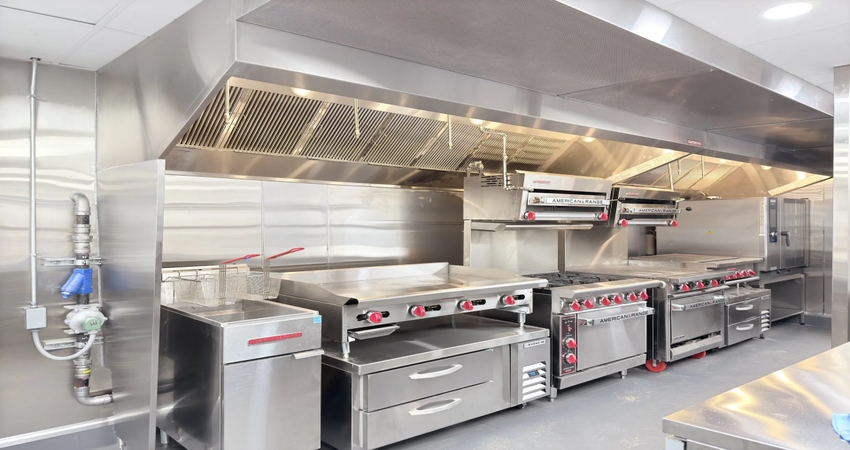
Strategic equipment placement maximizes operational efficiency within space constraints. Professional designers analyze menu requirements and service volumes to determine optimal appliance configurations. The mobile kitchen interior components must support seamless workflow patterns while accommodating staff movement during peak service periods.
Equipment mounting systems secure appliances during transport while allowing quick operational setup. Shock-absorbing mounts protect sensitive electronics and calibrated controls from road vibrations. Quick-disconnect fittings enable rapid utility connections without specialized tools.
Example: A convection oven mounted on spring-loaded brackets maintains precise temperature control during transport while securing firmly to prevent movement during operation.
Health Code Compliance and Certification
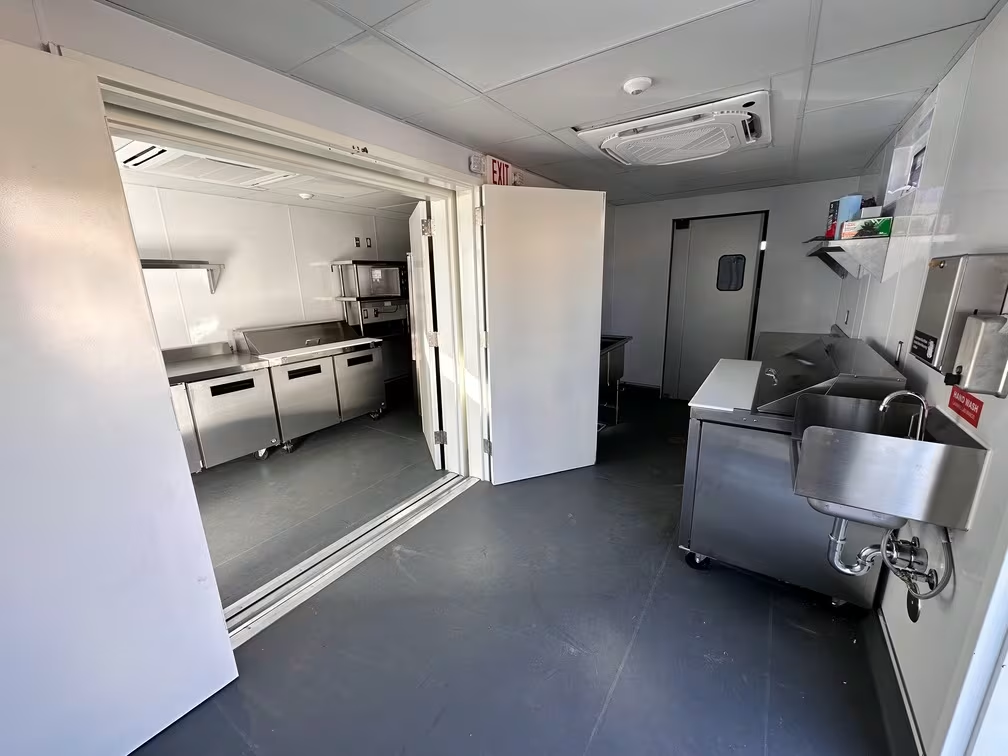
Regulatory compliance drives fundamental design decisions rather than afterthought modifications. FDA Food Code requirements establish minimum standards for equipment spacing, handwashing facilities, and temperature control systems that must be integrated from initial design phases.
Surface materials utilize food-grade stainless steel throughout work areas, providing seamless cleaning surfaces that resist bacterial growth. Floor drainage systems incorporate proper slope calculations ensuring effective waste removal without standing water accumulation.
Understanding commercial kitchen permitting requirements enables efficient approval processes across multiple jurisdictions. Pre-engineered designs address common regulatory concerns, streamlining inspection procedures.

Manufacturing Process and Quality Control
In-house manufacturing maintains strict quality standards impossible with outsourced fabrication. Certified technicians follow detailed assembly procedures that ensure consistent construction quality across all units. Each component undergoes individual testing before integration into complete systems.
Quality assurance protocols include pressure testing for plumbing systems, electrical load verification, and fire suppression activation sequences. NSF food equipment certification standards guide material selection and construction techniques throughout the manufacturing process.
Note: Computer-controlled cutting systems ensure precise component dimensions, eliminating fit-up issues that could compromise structural integrity or operational efficiency.
Deployment Strategies and Site Preparation
Successful installations require comprehensive site analysis addressing utility availability, access routes, and ground conditions. The delivery and setup process identifies potential obstacles before deployment, preventing delays during critical transition periods.
Site preparation specifications include level foundations, utility stub-outs, and adequate clearances for ventilation operation. Professional surveys prevent installation complications that could extend setup times beyond scheduled windows.
Coordination with ongoing operations ensures minimal disruption to existing services. This careful planning supports hospitality mobile kitchen applications where seamless transitions maintain guest satisfaction levels.

Industry Applications and Performance Standards
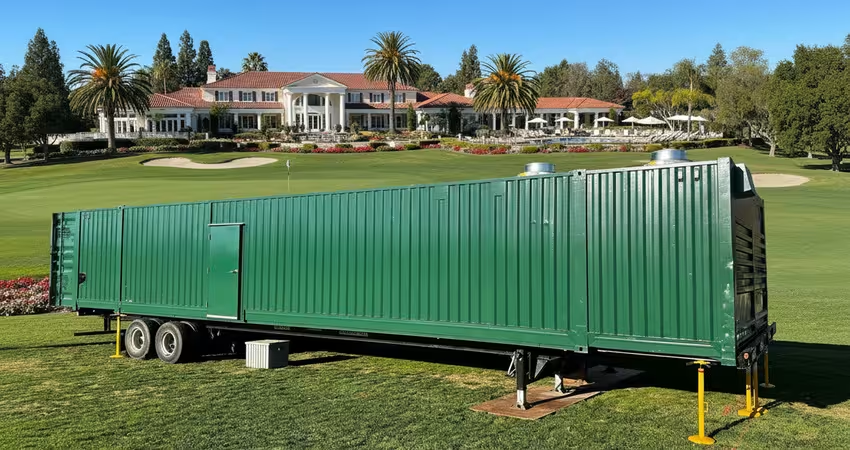
Different hospitality segments require specialized design approaches based on operational requirements and service standards. Common mobile kitchen users include luxury hotels, country clubs, and event venues, each demanding specific equipment configurations and workflow designs.
High-volume operations require robust equipment packages supporting complex menu preparation. Fine dining establishments need specialized cooking equipment maintaining precise temperature control for delicate preparations. National Restaurant Association industry report data confirms growing demand for flexible kitchen solutions across hospitality segments.
Performance benchmarks ensure mobile units match permanent facility capabilities for food quality and service speed. This consistency maintains brand standards throughout temporary service arrangements.
Financial Impact and Operational Benefits
Professional mobile kitchen investments generate measurable returns through continued revenue generation during facility downtime. Mobile kitchen ROI analysis demonstrates clear advantages over extended closure periods during renovation projects.
Rapid deployment capabilities provide significant timing advantages over permanent construction schedules. Mobile solutions activate within days while traditional renovations require months, preserving revenue streams throughout transition periods.
Tip: Comparing kitchen renovation timelines with mobile deployment schedules reveals substantial operational and financial benefits for hospitality operators.
People Also Ask (FAQ)
What makes a mobile kitchen design different from a regular trailer?
Purpose-built mobile kitchens are engineered from the ground up as commercial kitchen modules, not retrofitted trailers. They feature reinforced structural frames, commercial-grade ventilation systems, proper electrical load distribution, and NSF-certified equipment layouts. Unlike converted trailers, they're designed with optimal workflow patterns, adequate ceiling heights for ventilation, and proper weight distribution for safe transport while maintaining full kitchen functionality.
How are mobile kitchens designed to meet health code requirements?
Mobile kitchen design incorporates health code compliance from the initial engineering phase, including proper ventilation rates, hand-washing station placement, food storage temperature zones, and seamless surface materials. Each unit must meet local health department standards and often undergoes pre-certification inspections. Design elements like three-compartment sinks, adequate lighting levels, and proper drainage systems are integrated rather than retrofitted, ensuring regulatory compliance across different jurisdictions.
What kitchen equipment can fit in a mobile kitchen design?
Well-designed mobile kitchens can accommodate most commercial kitchen equipment including convection ovens, char-broilers, fryers, steamers, dishwashers, and refrigeration units. The key is proper load calculations, ventilation matching, and efficient space planning during the design phase. Equipment selection depends on power requirements, ventilation needs, and operational workflows, with some units featuring specialized equipment for specific applications like high-volume event catering or fine dining operations.
How long does it take to design and build a mobile kitchen?
Custom mobile kitchen design and manufacturing typically takes 12-16 weeks from initial specifications to delivery. This includes 2-3 weeks for design engineering, 2-4 weeks for permitting and approvals, and 8-10 weeks for manufacturing and quality testing. The timeline can vary based on equipment complexity, custom specifications, and local permitting requirements, but proper design planning helps avoid the common delays seen in kitchen renovation projects.
Conclusion
Professional mobile kitchen design requires sophisticated engineering that balances transportability with commercial-grade functionality. Purpose-built units deliver superior performance through integrated systems designed specifically for rental applications.
Discover engineered mobile kitchen rental solutions for your operational requirements or discuss custom design specifications with our engineering team.

Testimonial

"What is standing out when you look at the mobile kitchen operation is the efficiency that we can really achieve because it's built for that."
Tell us about your kitchen needs and request a quote.
.png)
Turnkey mobile kitchen
Proudly made in-house in the USA
Commercial grade kitchen equipment
Code-compliant
Trusted by Industry Leaders