.gif)
.jpeg)
How Mobile Kitchens Are Designed and Built for Rental Use
When kitchen disasters strike, the clock starts ticking immediately. According to the National Restaurant Association, commercial kitchen closures cost operators an average of $1,900 per day in lost revenue. For hospitality operations where guest satisfaction drives profitability, even brief service interruptions can damage reputation and bottom-line performance. This reality has driven explosive growth in mobile kitchen rentals—purpose-built solutions engineered specifically for temporary deployment without compromising operational standards.
.jpeg)
Strategic Design Philosophy for Rental Applications
Mobile kitchen design begins with understanding deployment realities. Unlike permanent installations, rental units must operate efficiently across diverse sites, weather conditions, and utility configurations. Engineers prioritize modular functionality that adapts to changing requirements without structural modifications.
Key design considerations include rapid setup protocols, standardized utility connections, and intuitive operational layouts. Each element serves dual purposes: maximizing kitchen efficiency while minimizing complexity during transitions between rental periods. This approach ensures consistent performance regardless of location or operator experience level.
%252520(1).jpeg)
Engineering for Durability and Mobility
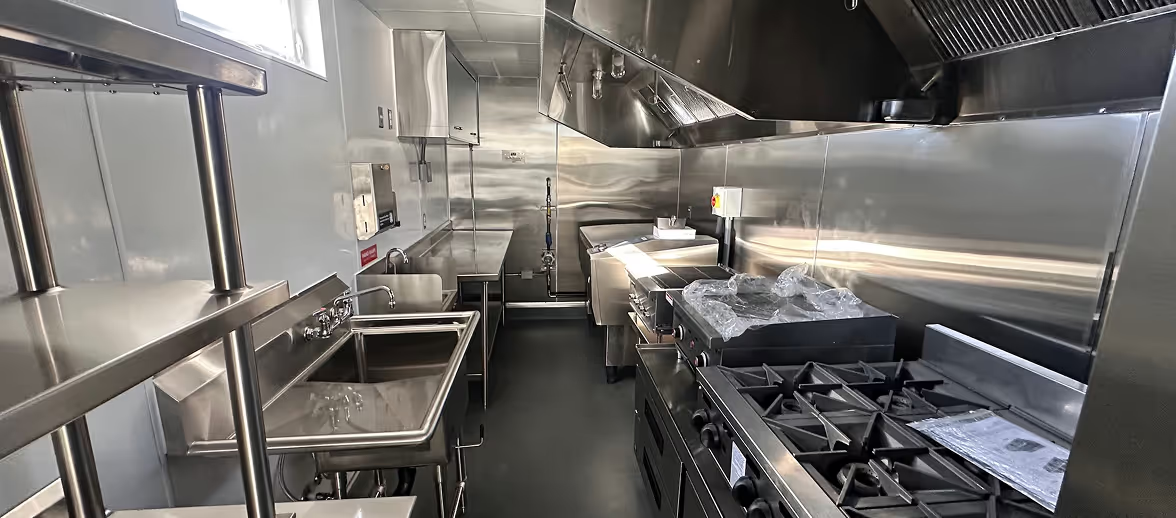
Construction materials define mobile kitchen longevity. Professional-grade units feature NSF-certified stainless steel construction, seamless flooring, and reinforced aluminum or steel frame systems. These specifications exceed typical food service requirements, accounting for transport stress and variable environmental conditions.
Structural engineering addresses unique challenges including road vibration, temperature fluctuations, and repeated setup procedures. Welded joints, impact-resistant panels, and shock-absorbing mounting systems protect critical equipment during transport while maintaining interior stability.
%252520(1).jpeg)
Integrated Utility Systems and Infrastructure
Self-contained utility design eliminates dependence on specialized site infrastructure. Electrical systems incorporate both shore power connections and onboard generation capabilities, supporting operations in remote locations or during utility disruptions.
Water management systems include fresh water storage, hot water generation, and greywater collection with integrated grease separation. Propane distribution networks power cooking equipment through certified regulators and safety shutoffs. These systems operate independently or interface with existing site utilities through standardized connections.
Compliance and Safety Integration
NSF/ANSI standards, particularly NSF/ANSI 2 for food equipment and NSF/ANSI 59 for mobile food operations, establish minimum requirements for materials, design, and performance. Rental units incorporate fire suppression systems, emergency ventilation, and ADA-compliant access to meet diverse regulatory requirements.
Built-in documentation systems include FDA Food Code compliance certificates, electrical inspection records, and equipment specification sheets. This approach streamlines permitting processes across jurisdictions.
.jpeg)
Manufacturing Process for Rental Fleet Consistency
Production standardization ensures predictable performance across rental inventory. Manufacturing facilities employ certified welders, electricians, and fabricators working under ISO 9001:2015 quality systems. Each unit undergoes comprehensive testing including load verification, ventilation performance, and electrical safety validation.
Component standardization reduces maintenance complexity while enabling rapid repairs during rental periods. Interchangeable parts, common hardware specifications, and standardized service procedures minimize downtime between deployments.
Quality Control and Testing Protocols
Pre-delivery testing includes full-load simulation of all systems—power, plumbing, ventilation, refrigeration, and fire suppression—under simulated operating conditions. This process identifies potential failures before field deployment, protecting both operational continuity and rental relationships.
Documentation packages include operational manuals, maintenance schedules, and troubleshooting guides tailored for temporary operators. Training materials support rapid staff orientation during deployment.
.jpeg)
Operational Efficiency Through Design
Workflow optimization addresses the constraints of mobile environments. Equipment placement follows ergonomic principles, reducing movement between stations while maintaining OSHA ergonomic guidelines. Strategic positioning of prep areas, cooking lines, and sanitation stations creates logical production flow.
Storage solutions maximize vertical space while ensuring secure transport of inventory and equipment. Adjustable shelving, integrated securing systems, and accessible organization reduce setup complexity and operational inefficiency.
Cleaning and Maintenance Considerations
Rental applications demand accelerated cleaning protocols between deployments. Smooth surface transitions, accessible drainage systems, and minimal crevices enable thorough sanitation. Removable components and service panels provide maintenance access without operational disruption.
CDC food safety protocols influence surface specifications, drainage design, and equipment accessibility to support rapid deep cleaning between rental periods.
.jpeg)
Technology Integration for Modern Operations
Modern mobile kitchens incorporate digital monitoring systems that track equipment performance, utility consumption, and maintenance requirements. Remote diagnostics enable preventive maintenance scheduling while minimizing operational interruptions.
Energy-efficient equipment and LED lighting reduce operational costs while supporting sustainability goals. ENERGY STAR certified equipment balances performance requirements with environmental responsibility.
Mobile Culinaire's Specialized Approach
Mobile Culinaire's rental units reflect over 400 deployments of experience in hospitality-focused applications. In-house manufacturing in Oregon enables precise quality control while supporting American craftsmanship. Each unit incorporates lessons learned from diverse operational environments—from luxury resort renovations to emergency response scenarios.
Engineering focus on hospitality requirements differentiates these units from generic food service trailers. High-capacity equipment, professional-grade ventilation, and refined interior finishes maintain brand standards during temporary deployments.
Comprehensive support services include custom layout consultation, permit coordination, and ongoing technical support throughout rental periods.
%252520(1).jpeg)
Strategic Value in Hospitality Operations
Professional mobile kitchen design enables seamless service continuity during planned renovations or unexpected disruptions. Rather than compromising guest experience, operators maintain full culinary capabilities through engineered temporary solutions.
The rental model provides access to professional-grade equipment without capital investment or long-term commitment. This flexibility supports strategic decision-making while preserving operational cash flow during facility transitions.
For operations requiring rapid deployment or seasonal capacity expansion, purpose-built rental units offer immediate solutions backed by comprehensive support infrastructure. This approach transforms potential operational crises into manageable transitions.
Explore Mobile Culinaire's hospitality-focused solutions or review our comprehensive rental guide for detailed planning resources. Contact our specialists to discuss specific operational requirements and deployment timelines.
People Also Ask (FAQ)
What materials are mobile kitchens typically built from?
Mobile kitchens feature steel or aluminum frame construction for structural integrity during transport. Interior surfaces utilize NSF-certified stainless steel for hygiene and durability. Insulated wall panels, non-slip flooring, and fire-rated materials ensure safety compliance and operational efficiency in diverse environments.
How do mobile kitchen trailers handle ventilation and HVAC?
Commercial-grade ventilation systems include exhaust hoods, grease filtration, and fire suppression to manage heat, smoke, and cooking byproducts. HVAC units provide climate control through rooftop or wall-mounted systems. Balanced intake and exhaust airflow maintains safe working conditions and food safety compliance.
What size mobile kitchen is ideal for high-volume service?
Units measuring 40-53 feet effectively support high-volume operations, typically serving 500-800 meals daily. Larger configurations provide expanded equipment capacity and workflow optimization for complex menus or extended service periods.
How quickly can mobile kitchens be operational after delivery?
Purpose-built rental units can achieve operational status within 2-4 hours of delivery with proper site preparation. This includes utility connections, equipment calibration, and safety system verification. Pre-planning site requirements accelerates deployment timelines significantly.
",
"meta_description": "Discover how mobile kitchens are strategically designed and built for rental use. Learn about engineering, materials, compliance, and operational efficiency in hospitality applications.",
"word_count": 865,
"internal_links": [
{"anchor": "custom layout consultation", "url": "https://www.mobileculinaire.com/mobile-kitchen", "context": "Links to main product page for readers interested in Mobile Culinaire's services"},
{"anchor": "permit coordination", "url": "https://www.mobileculinaire.com/resource-center/mobile-kitchen-rental-process", "context": "Provides detailed process information for readers planning rentals"},
{"anchor": "hospitality-focused solutions", "url": "https://www.mobileculinaire.com/resource-center/mobile-kitchen-rental-hotels", "context": "Relevant for hospitality readers seeking specialized applications"},
{"anchor": "comprehensive rental guide", "url": "https://www.mobileculinaire.com/resource-center/mobile-kitchens-rentals-guide", "context": "Offers broader planning resources for rental considerations"},
{"anchor": "Contact our specialists", "url": "https://www.mobileculinaire.com/contact", "context": "Clear call-to-action for readers ready to engage services"},
{"anchor": "Mobile Culinaire", "url": "https://www.mobileculinaire.com/", "context": "Brand recognition link for company information"}
],
"external_links": [
{"anchor": "FDA Food Code", "url": "https://www.fda.gov/food/fda-food-code/food-code-2022", "source_type": "government", "source_name": "FDA"},
{"anchor": "OSHA ergonomic guidelines", "url": "https://www.osha.gov/ergonomics", "source_type": "government", "source_name": "OSHA"},
{"anchor": "CDC food safety protocols", "url": "https://www.cdc.gov/foodsafety/communication/clean-separate-cook-chill.html", "source_type": "government", "source_name": "CDC"},
{"anchor": "ENERGY STAR certified equipment", "url": "https://www.energystar.gov/products/commercial_food_service", "source_type": "government", "source_name": "ENERGY STAR"},
{"anchor": "National Restaurant Association", "url": "https://restaurant.org/research-and-media/research/research-reports/", "source_type": "association", "source_name": "National Restaurant Association"},
{"anchor": "NSF International standards", "url": "https://www.nsf.org/nsf-standards/standards-portfolio/food-equipment-standards", "source_type": "technical", "source_name": "NSF International"}
],
"images_preserved": [
"https://cdn.prod.website-files.com/66ed8de08bc9fc9c268c4fe0/6992f07c44f9c7144fc0d803_69242cbc4c4ea0b144afe19a_683618a72cccee46d27325d9_IMG_4708%252520(1).jpeg",
"https://cdn.prod.website-files.com/66ed8de08bc9fc9c268c4fe0/6992f1a2b5caaba7085bf68e_69242cbb4c4ea0b144afe171_68361906d0feb25369a04ff7_IMG_4736%252520(1)%252520(1).jpeg",
"https://cdn.prod.website-files.com/66ed8de08bc9fc9c268c4fe0/6992f07c44f9c7144fc0d7f0_69242cbb4c4ea0b144afe16b_68361996542a036d6644fba9_IMG_4717%252520(1)%252520(1).jpeg",
"https://cdn.prod.website-files.com/66ed8de08bc9fc9c268c4fe0/6992f07c44f9c7144fc0d7f9_69242cbad184397c609065b0_68361a040a76f18204584d7c_IMG_4721%252520(1).jpeg",
"https://cdn.prod.website-files.com/66ed8de08bc9fc9c268c4fe0/6992f07c44f9c7144fc0d7fd_69242cbb4c4ea0b144afe16e_68361a79542a036d66459e24_IMG_4287%252520(1).jpeg",
"https://cdn.prod.website-files.com/66ed8de08bc9fc9c268c4fe0/6992f07c44f9c7144fc0d800_69242cbb4c4ea0b144afe179_68361ad0971f1b3af05f9cba_IMG_4745%252520(1).jpeg",
"https://cdn.prod.website-files.com/66ed8de08bc9fc9c268c4fe0/6992f07c44f9c7144fc0d7f4_69242cbb4c4ea0b144afe175_6835f062015be10fbec09c8f_IMG_4703%252520(1)%252520(1).jpeg"
],
"faq": [
{"question": "What materials are mobile kitchens typically built from?", "answer": "Mobile kitchens feature steel or aluminum frame construction for structural integrity during transport. Interior surfaces utilize NSF-certified stainless steel for hygiene and durability. Insulated wall panels, non-slip flooring, and fire-rated materials ensure safety compliance and operational efficiency in diverse environments."},
{"question": "How do mobile kitchen trailers handle ventilation and HVAC?", "answer": "Commercial-grade ventilation systems include exhaust hoods, grease filtration, and fire suppression to manage heat, smoke, and cooking byproducts. HVAC units provide climate control through rooftop or wall-mounted systems. Balanced intake and exhaust airflow maintains safe working conditions and food safety compliance."},
{"question": "What size mobile kitchen is ideal for high-volume service?", "answer": "Units measuring 40-53 feet effectively support high-volume operations, typically serving 500-800 meals daily. Larger configurations provide expanded equipment capacity and workflow optimization for complex menus or extended service periods."},
{"question": "How quickly can mobile kitchens be operational after delivery?", "answer": "Purpose-built rental units can achieve operational status within 2-4 hours of delivery with proper site preparation. This includes utility connections, equipment calibration, and safety system verification. Pre-planning site requirements accelerates deployment timelines significantly."}
],
"key_points_covered": ["Strategic design philosophy", "Engineering for durability", "Integrated utility systems", "Manufacturing consistency", "Operational efficiency", "Technology integration", "Mobile Culinaire approach", "Strategic hospitality value"],
"changes_summary": "Complete restructuring with new technical content focusing on engineering and design principles. Added authoritative external sources, improved internal linking strategy, and enhanced professional tone while maintai

%20(1).avif)
.avif)
Testimonial
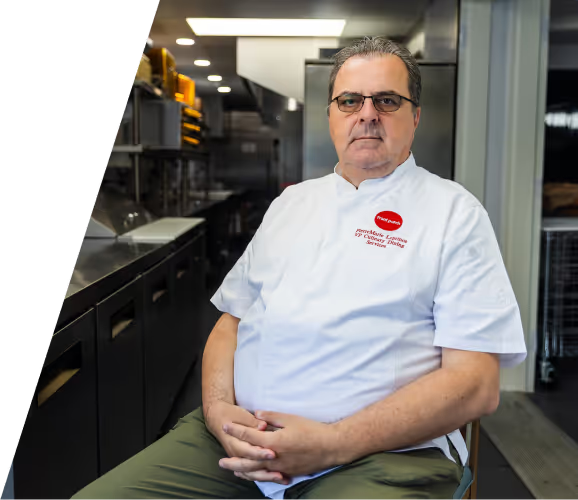
"What is standing out when you look at the mobile kitchen operation is the efficiency that we can really achieve because it's built for that."
Tell us about your kitchen needs and request a quote.
.png)
Turnkey mobile kitchen
Proudly made in-house in the USA
Commercial grade kitchen equipment
Code-compliant
Trusted by Industry Leaders