.gif)
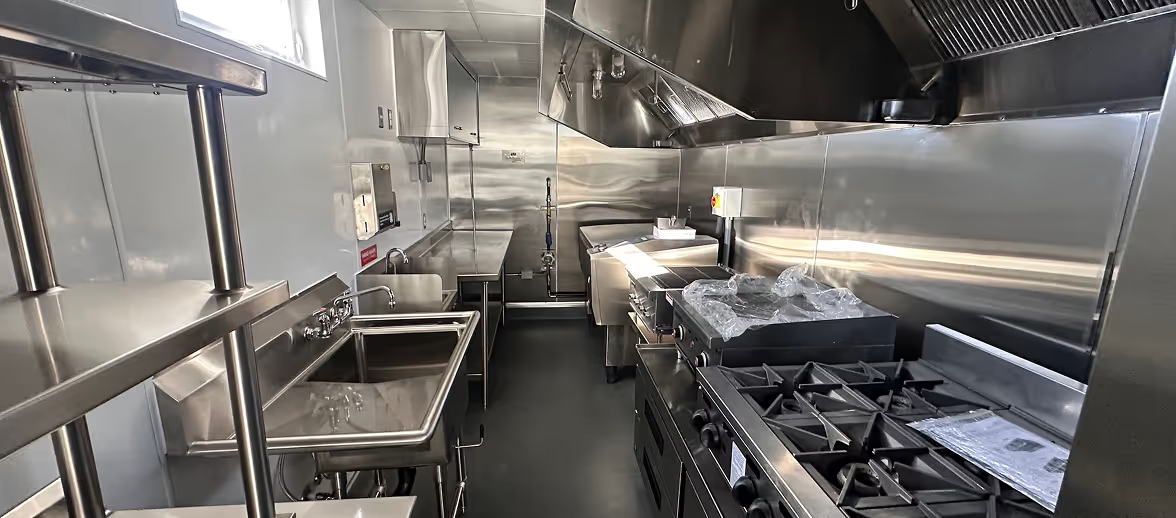
Does the mountain of paperwork required for kitchen trailer rental paperwork feel overwhelming? You're not alone—86% of foodservice operators report documentation challenges as their biggest hurdle when securing temporary kitchen solutions. From health permits and insurance certificates to rental agreements and compliance documentation, the paperwork maze can delay your project by weeks if not handled properly. Whether you're planning a renovation, responding to an emergency, or expanding operations, understanding exactly what documentation you need upfront can mean the difference between seamless operations and costly delays. This comprehensive guide walks you through every essential document, compliance requirement, and administrative step needed to secure and operate your kitchen trailer rental efficiently.
Core Documentation Categories
Successful kitchen trailer rental paperwork divides into four primary categories: regulatory permits, safety certifications, operational agreements, and financial documentation. Understanding these categories prevents documentation gaps that could halt your project.
Regulatory permits include business licenses, health department approvals, and zoning clearances. Safety certifications cover fire suppression systems, equipment compliance, and insurance requirements. Operational agreements encompass rental contracts, commissary arrangements, and utility connections. Financial documentation includes loan applications, tax registrations, and bonding requirements.
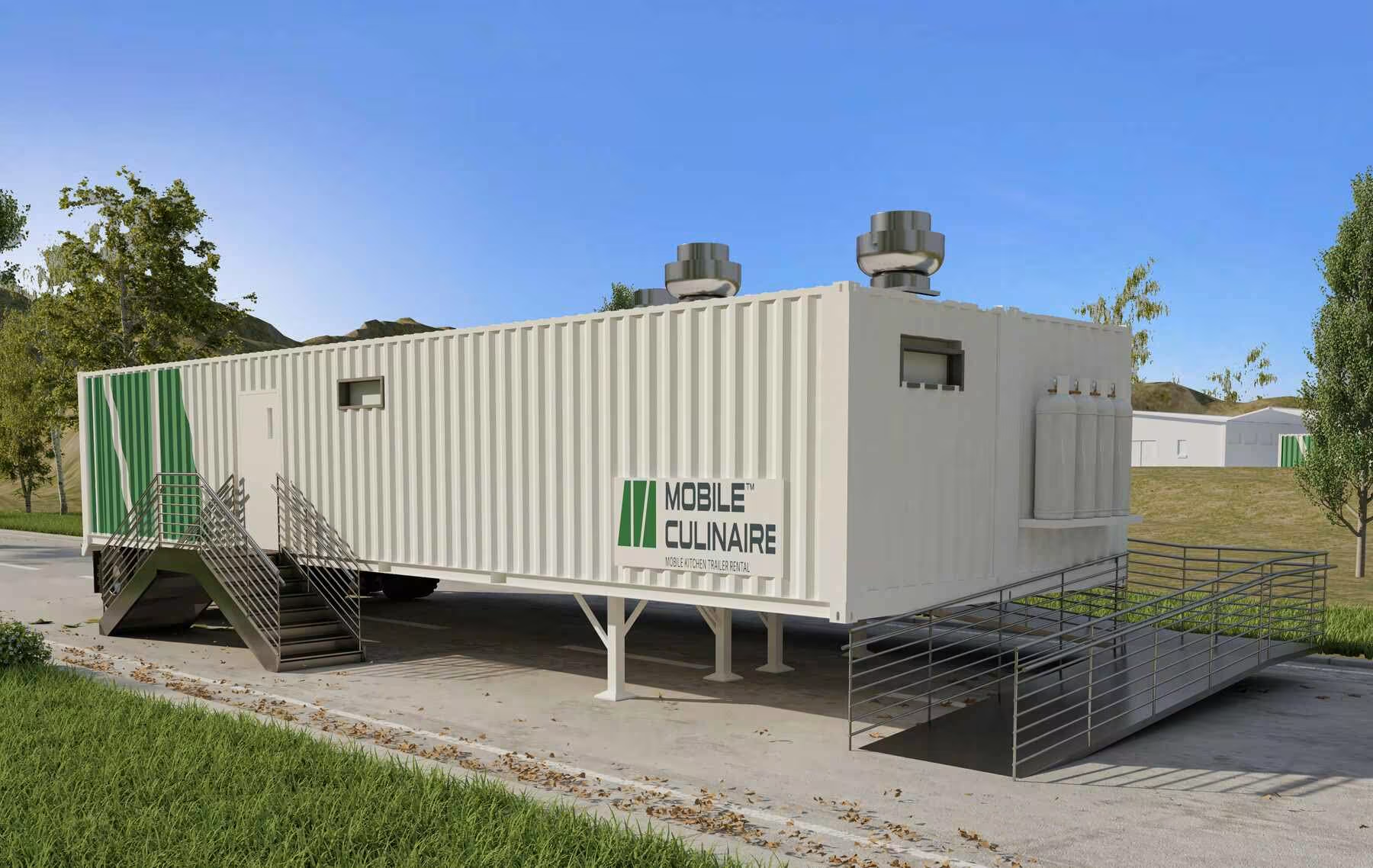
Note: Professional providers like Mobile Culinaire streamline this process by maintaining pre-approved documentation packages, reducing your administrative burden significantly.
Essential Business and Licensing Documents
Primary Business Registration Requirements
Every kitchen trailer rental paperwork package begins with fundamental business documentation. Start with your business license from local authorities, followed by state tax registration and federal Employer Identification Number (EIN) from the IRS.
- Business license from city or county offices
- State sales tax permit for food service operations
- Federal EIN for tax reporting and banking
- Workers' compensation registration if employing staff
The SBA business license and permit guide provides comprehensive state-by-state requirements for food service enterprises.
Food Service Operating Permits
Mobile food operations require specialized permits beyond standard business licenses. Temporary food service permits authorize operations at specific locations for defined periods. Mobile food vendor licenses allow movement between approved locations.
Many jurisdictions require commercial kitchen renovation permits when using mobile units during permanent kitchen renovations. These permits often mandate commissary agreements and specify operational limitations.
Example: Las Vegas requires mobile food vendors to obtain both Clark County health permits and city business licenses, with separate applications for each operating location.
.avif)
Health Department Compliance Documentation
Plan Review Submission Package
Health departments mandate comprehensive plan review before approving mobile kitchen operations. This kitchen trailer rental paperwork component requires detailed operational specifications and safety protocols.
Your plan review package must include:
- Detailed floor plans with equipment placement
- Menu descriptions with preparation processes
- Water and wastewater system diagrams
- Equipment specifications with NSF certifications
- Commissary agreement or preparation facility access
The FDA retail food establishment guidelines establish baseline standards that most jurisdictions adopt for mobile operations.
Food Safety Manager Certification
Certified Food Protection Manager credentials demonstrate compliance with National Restaurant Association food safety compliance standards. Many states require this certification for mobile operations.
Tip: Obtain certification before submitting permit applications as many jurisdictions won't process incomplete packages without verified food safety credentials.
Inspection Scheduling and Documentation
Pre-operational inspections verify compliance with submitted plans and local health codes. Schedule inspections early in your timeline as availability may be limited during peak seasons.
Understanding the kitchen trailer delivery and setup process helps coordinate inspections with equipment installation and testing phases.

Fire Safety and Equipment Certifications
Fire Marshal Approval Process
Fire department approvals require detailed documentation of fire suppression systems, propane installations, and emergency procedures. Submit applications concurrent with health permits to avoid scheduling conflicts.
Required fire safety documentation includes:
- Fire suppression system specifications
- Propane system installation diagrams
- Emergency evacuation procedures
- Fire extinguisher placement plans
NFPA 1 Fire Code requirements establish national standards for mobile kitchen fire safety systems and inspection protocols.
Equipment Compliance Certificates
Every piece of commercial equipment requires NSF certification documentation. Rental providers should supply complete equipment compliance packages including manufacturer specifications and testing certificates.
Note: NSF commercial foodservice equipment standards mandate specific documentation for mobile applications, including electrical load calculations and ventilation requirements.

Insurance and Liability Requirements
Commercial Insurance Documentation
Insurance certificates represent critical kitchen trailer rental paperwork components that protect both operators and property owners. General liability coverage typically requires minimum $1-2 million limits for mobile food operations.
Essential coverage types include:
- General liability insurance for customer injury claims
- Commercial property coverage for equipment and inventory
- Commercial auto insurance for mobile operations
- Workers' compensation for employee protection
Tip: Request certificates naming venues as additional insured parties to expedite event approvals and reduce venue liability concerns.
Bonding and Financial Protection
Some jurisdictions require performance bonds or financial guarantees for mobile food operations. These protect municipalities against unpaid fees or permit violations.
Understanding hidden costs of kitchen shutdowns helps justify comprehensive insurance coverage that prevents operational interruptions.
Operational Agreements and Contracts
Rental Agreement Terms
Kitchen trailer rental contracts specify equipment responsibilities, maintenance requirements, and operational limitations. Review agreements carefully to understand documentation obligations throughout the rental period.
Key contract elements include:
- Equipment inspection and acceptance procedures
- Maintenance and repair responsibilities
- Insurance and indemnification requirements
- Permit compliance obligations
Mobile kitchen solutions for hospitality often require specialized contract terms addressing luxury service standards and guest safety protocols.
Commissary and Support Facility Agreements
Health departments typically require commissary agreements guaranteeing access to potable water, waste disposal, and food storage facilities. Secure these agreements before submitting permit applications.
Example: California health departments require commissary agreements specifying daily water capacity, waste disposal frequency, and food storage temperature monitoring procedures.
Financial Documentation Requirements
Tax Registration and Reporting
Mobile food operations require multiple tax registrations including state sales tax permits, local business taxes, and federal income tax reporting. Maintain current registrations to avoid permit renewal complications.
Common registration requirements include:
- State sales tax permit for food sales
- Local business tax registration
- Federal quarterly employment tax reporting
- Workers' compensation insurance documentation
Financing and Credit Documentation
Equipment financing or business loans require comprehensive financial documentation. Prepare loan packages early as approval processes may take several weeks.
Calculating mobile kitchen ROI helps justify financing requests and demonstrates operational viability to lenders.
Timeline and Process Management
Successful kitchen trailer rental paperwork management requires coordinated timing across multiple agencies and approval processes. Begin documentation collection 6-8 weeks before planned operations.
Critical Path Planning
Certain approvals depend on completed prerequisite steps. Health permits typically require fire safety approvals, while operational permits may require both health and fire certifications.
Recommended timeline sequence:
- Submit business license applications (Week 1)
- Apply for health department plan review (Week 2)
- Schedule fire marshal inspections (Week 3)
- Finalize insurance documentation (Week 4)
- Complete pre-operational inspections (Week 6)
Understanding common commercial kitchen renovation mistakes helps avoid documentation errors that cause permit delays.
Documentation Organization Systems
Maintain digital and physical copies of all permits, certificates, and agreements. Create organized filing systems that inspectors can easily navigate during compliance reviews.
Note: Mobile Culinaire provides comprehensive documentation packages that simplify organization and ensure completeness for all regulatory requirements.
Specialized Requirements by Operation Type
Documentation requirements vary based on operational scope and target markets. Common mobile kitchen users include hotels, event venues, and food service contractors, each with specific permit needs.
Event and Catering Operations
Special event permits often require additional documentation including crowd control plans, alcohol service permits, and noise ordinance compliance. Coordinate with event organizers to understand venue-specific requirements.
Long-Term Installation Requirements
Extended installations may require building permits, utility connections, and zoning compliance documentation. Work with local building departments to understand long-term operation requirements.
People Also Ask (FAQ)
What permits are required before operating a rental kitchen trailer?
Most jurisdictions require a temporary food service permit, mobile food vendor license, and fire department approval before operating a rental kitchen trailer. Health department inspections are typically mandatory, and you may need additional permits for utility connections and site placement. The specific requirements vary by location, but starting the permit application process 4-6 weeks before your planned rental date is recommended. Understanding the permit process can help you avoid delays and compliance issues.
What insurance documentation is needed for kitchen trailer rentals?
Kitchen trailer rentals typically require general liability insurance (minimum $1-2 million), property insurance covering the rental unit, and workers' compensation if you have employees. Many rental companies also require you to name them as additional insured on your policy. Some locations may require special event or temporary operation coverage depending on your use case. Verify insurance requirements early in the process as coverage can take several days to arrange and document.
How long does the paperwork process take for kitchen trailer rentals?
The complete paperwork process typically takes 3-6 weeks, depending on your location and intended use. Health department permits alone can take 2-3 weeks, while insurance documentation and rental agreements can be processed within days. Emergency situations may qualify for expedited processing, but this isn't guaranteed. Understanding the full delivery process helps you plan adequate time for all required documentation.
What happens if paperwork is incomplete when the kitchen trailer arrives?
Incomplete paperwork can result in immediate shutdown orders, fines, and rental delays that cost thousands per day in lost revenue. Health inspectors have authority to prohibit operations until all documentation is properly filed and approved. Most professional rental companies conduct pre-delivery paperwork audits to prevent these issues, but the ultimate responsibility lies with the renter. Hidden costs of operational delays make thorough preparation essential.
Conclusion
Mastering kitchen trailer rental paperwork transforms regulatory compliance from obstacle to competitive advantage. Complete documentation ensures rapid approvals, prevents costly delays, and demonstrates operational professionalism to partners and authorities. Working with experienced providers streamlines this complex process significantly.
Professional mobile kitchen rental solutions include comprehensive documentation support and pre-approved compliance packages, or discuss your specific project requirements with our compliance specialists today.

%20(1).avif)
Testimonial

"What is standing out when you look at the mobile kitchen operation is the efficiency that we can really achieve because it's built for that."
Tell us about your kitchen needs and request a quote.
.png)
Turnkey mobile kitchen
Proudly made in-house in the USA
Commercial grade kitchen equipment
Code-compliant
Trusted by Industry Leaders