.gif)
Private clubs face a critical dilemma during kitchen renovations: shut down F&B operations and lose member satisfaction, or attempt makeshift solutions that compromise service quality. A recent industry survey found that 73% of private clubs experienced significant member complaints during renovation shutdowns, with many clubs reporting membership cancellations and revenue losses exceeding $500,000. The challenge becomes even more complex when considering that the average commercial kitchen renovation takes 16-20 weeks to complete. This article explores how mobile kitchen rentals provide private clubs with a strategic solution to maintain full F&B operations during renovations, protecting member relationships while ensuring uninterrupted revenue streams.
The Revenue Risk of Kitchen Renovation Shutdowns
Private clubs generate substantial revenue from food and beverage operations, with mobile kitchen renovation solutions becoming essential when permanent facilities go offline. According to National Restaurant Association industry report, food service interruptions create cascading financial impacts that extend far beyond lost daily dining revenue.
Member attrition accelerates when clubs cannot fulfill dining expectations. Event cancellations eliminate high-margin banquet revenue, forcing deposits to be refunded and future bookings to migrate to competitors. Staff layoffs during shutdowns create recruitment challenges when operations resume.
Note: The hidden costs of kitchen shutdowns often exceed the renovation budget itself when factoring in lost member loyalty and competitive positioning.
Modern clubs cannot afford extended F&B closures. Member expectations have risen dramatically, with dining quality now central to perceived dues value. Mobile kitchen rentals eliminate this risk by maintaining operational continuity throughout construction phases.
Understanding Mobile Kitchen Renovation Solutions
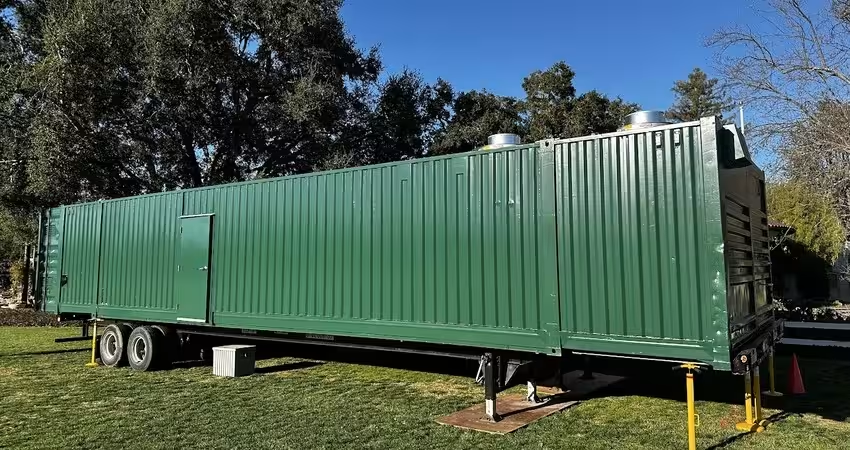
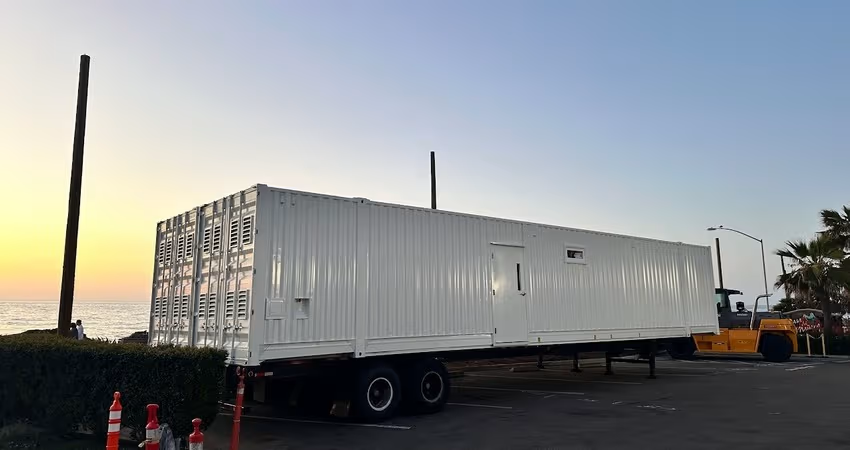
A professional mobile kitchen functions as a complete temporary back-of-house operation, engineered to commercial standards rather than improvised from food trucks or trailers. These units integrate seamlessly with club operations while permanent kitchens undergo renovation work.
Core Equipment and Infrastructure
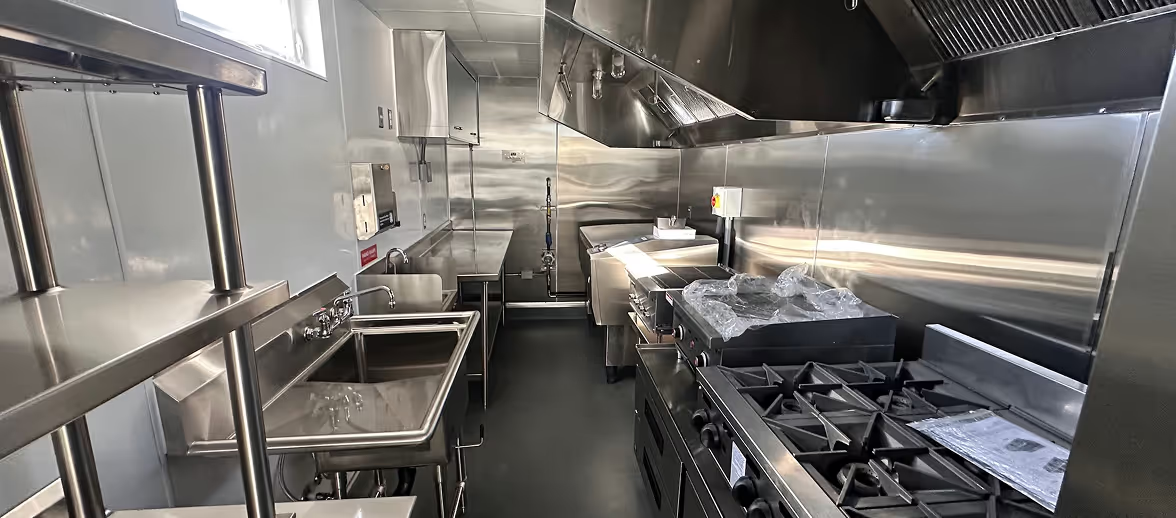
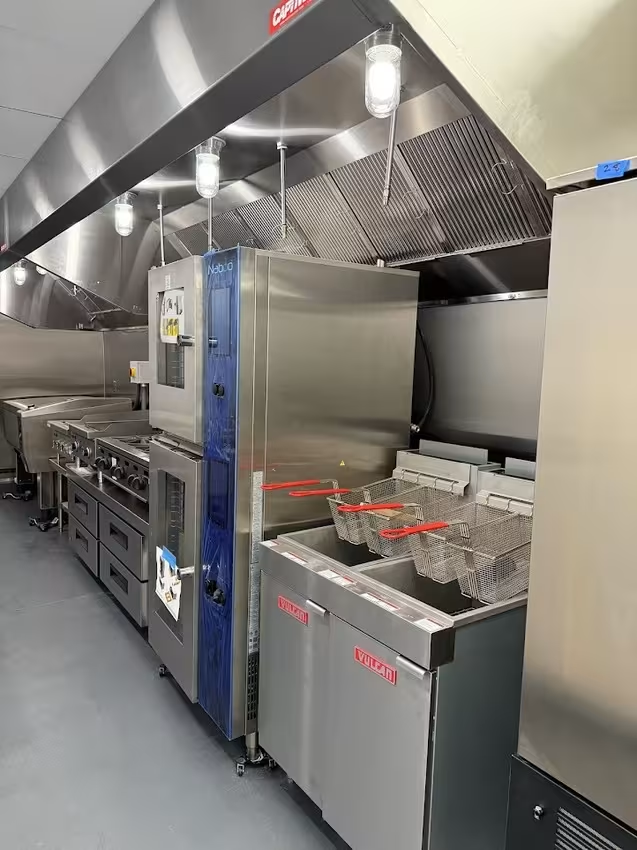
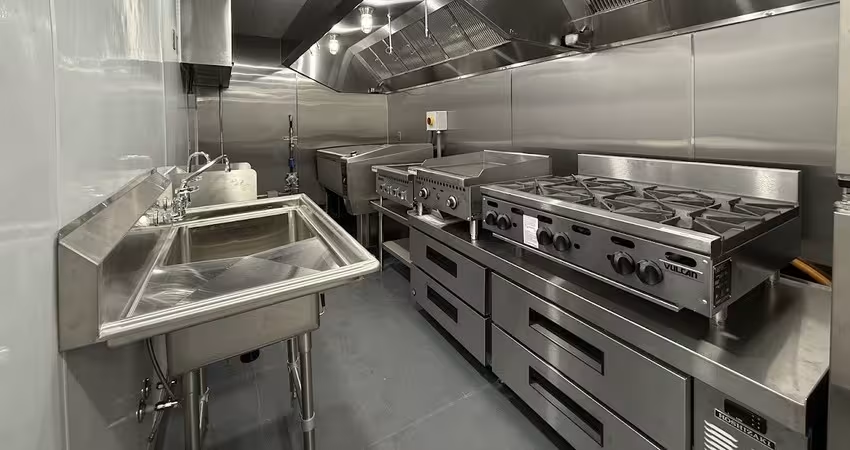
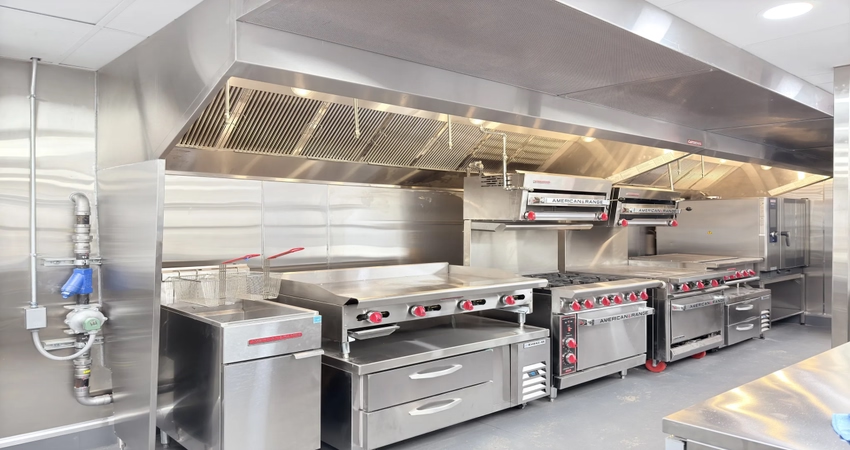
Purpose-built mobile kitchens include commercial-grade cooking equipment designed for high-volume production:
- Multi-station cooking lines with ranges, ovens, and specialty equipment
- Commercial refrigeration systems maintaining proper food safety temperatures
- Integrated ventilation meeting NFPA 96 ventilation standards
- Three-compartment sinks and dishwashing capabilities
- Adequate prep space for complex menu execution
These systems comply with NSF commercial kitchen equipment standards and FDA Food Code requirements, ensuring regulatory compliance during temporary operations.
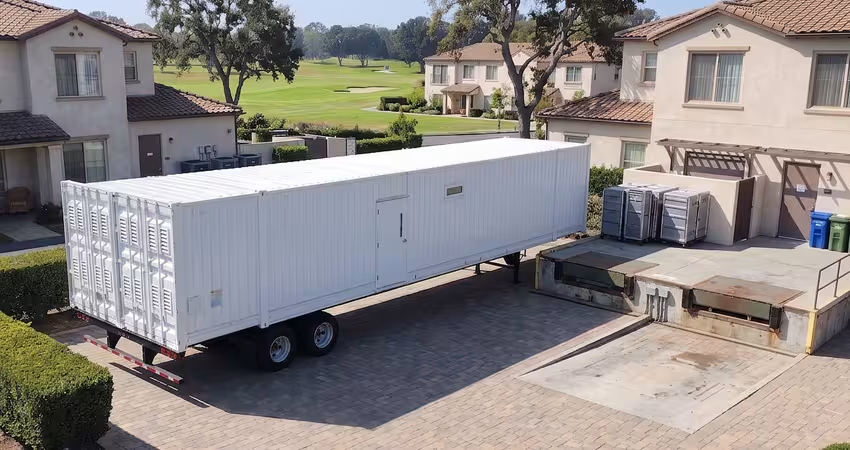
Example: A 40-foot mobile kitchen can accommodate the same production volume as a 1,200 square foot permanent kitchen, supporting both à la carte dining and banquet service for 200+ guests.
Strategic Advantages for Club Operations
Implementing mobile kitchen renovation strategies delivers measurable operational and financial benefits compared to shutdown approaches. Clubs maintain member engagement while completing essential facility upgrades.
Event Revenue Protection
Wedding bookings, corporate events, and member celebrations proceed without disruption. The ROI of mobile kitchen rentals becomes evident when comparing rental costs against potential lost event revenue.
Tournament dining, member-guest weekends, and seasonal programming continue generating revenue streams. Clubs avoid the reputational damage of canceling committed events during peak booking seasons.
Staff Retention and Workflow Continuity
Culinary teams maintain employment and preserve institutional knowledge during renovation periods. Kitchen workflows adapt to mobile configurations without losing operational efficiency or food quality standards.
Tip: Successful renovating a country club kitchen without disrupting members requires advance planning to ensure mobile kitchen placement optimizes service flow.
Service staff continue normal operations, maintaining member relationships and preserving the club's hospitality standards throughout construction phases.
Implementation Planning and Timeline Coordination
Effective mobile kitchen deployment requires strategic coordination with renovation schedules and club operations. The commercial kitchen renovation timeline determines optimal mobile kitchen configuration and rental duration.
Site Preparation and Utility Integration
Mobile kitchens require proper utility connections including electrical service, water supply, waste management, and gas lines. Professional providers handle utility coordination to ensure code compliance and operational safety.
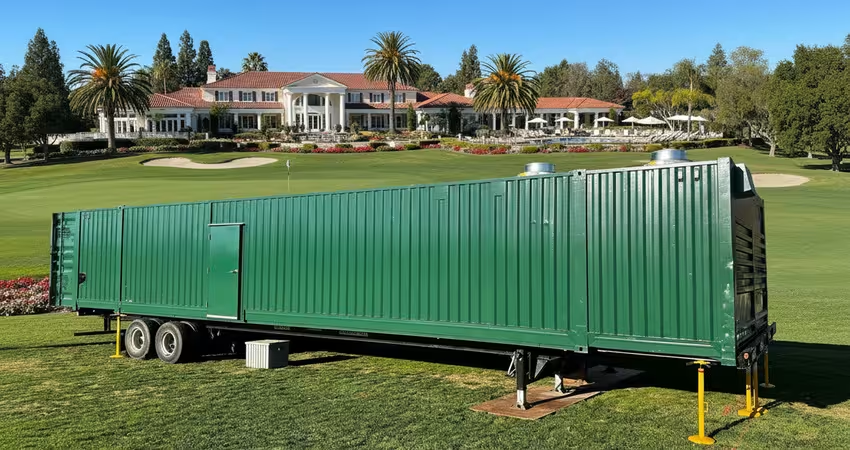
Site selection considers member sightlines, service access, and operational efficiency. Strategic placement minimizes food transport distances while maintaining the club's aesthetic standards.
Permit and Inspection Requirements
Mobile kitchen installations must pass health department inspections and fire safety reviews. Working with experienced providers ensures compliance with local regulations and accelerates approval processes.
Note: Club Management Association of America resources provide specific guidance for private club renovation projects and regulatory requirements.
The mobile kitchen delivery and setup process typically requires 48-72 hours from arrival to operational status, allowing for utility connections and inspection approvals.

Comparing Temporary Kitchen Solutions
Clubs considering renovation continuity have multiple options, each with distinct advantages and limitations. Understanding these differences helps inform strategic decisions about maintaining F&B operations.
Mobile Kitchen Rentals vs. Makeshift Operations
Operating from bars, pantries, or limited prep areas severely constrains menu capabilities and service quality. These improvised solutions often violate health codes and create safety risks for staff and members.
Temporary kitchen solutions range from basic food service to full commercial operations. Professional mobile kitchens deliver consistent results while maintaining club service standards.
Rental vs. Purchase Considerations
Most renovation projects benefit from rental arrangements rather than permanent mobile kitchen purchases. Rental costs align with project timelines without creating long-term asset management obligations.
Purchase decisions make sense only when clubs plan ongoing mobile operations for events, seasonal service, or permanent satellite locations. The total commercial kitchen renovation costs help contextualize mobile rental investments.
Tip: Clubs can also leverage mobile kitchens for club events beyond renovation periods, maximizing rental value during peak seasons.
Mobile Culinaire: Purpose-Built Solutions for Premium Clubs
Mobile Culinaire specializes in high-end hospitality mobile kitchens designed specifically for clubs, resorts, and luxury venues. Our units deliver commercial kitchen performance within mobile configurations engineered for demanding service environments.
Each mobile kitchen integrates commercial-grade equipment with proper ventilation, fire suppression, and utility systems. Units arrive inspection-ready with all necessary certifications and compliance documentation.
Our team provides comprehensive support from initial planning through daily operations, ensuring seamless integration with existing club workflows and service standards.
Example: Recent deployments have supported club renovations lasting 6-8 months while maintaining full à la carte dining, banquet service, and special event programming without member service interruptions.
People Also Ask (FAQ)
How long do private club kitchen renovations typically take?
Most private club kitchen renovations take between 16-24 weeks to complete, depending on the scope of work and permitting requirements. Commercial kitchen renovation timelines can extend further if structural changes or utility upgrades are needed. Factors like permit approval delays, equipment lead times, and seasonal construction constraints often add weeks to the original timeline.
What are the main challenges clubs face during kitchen renovations?
Private clubs typically struggle with maintaining member satisfaction, preserving revenue streams, and managing staff during renovations. The hidden costs of kitchen shutdowns include lost F&B revenue, member attrition, and potential staff layoffs. Many clubs also face pressure to complete renovations quickly during slower seasons while maintaining their reputation for consistent service quality.
Can mobile kitchens handle the same volume as permanent club kitchens?
Yes, properly sized mobile kitchen rentals can match or exceed the capacity of most private club kitchens. Modern mobile kitchen trailers feature commercial-grade equipment, multiple cooking stations, and adequate prep space. The key is working with experienced providers who can assess your club's specific volume requirements and configure the mobile kitchen accordingly.
How much does it cost to rent a mobile kitchen for a club renovation?
Mobile kitchen rental costs for private clubs typically range from $8,000-$15,000 per month, depending on size and equipment specifications. When compared to total commercial kitchen renovation costs, the rental investment often pays for itself by maintaining F&B revenue throughout the renovation period. Most clubs find the rental cost is offset by avoiding member cancellations and staff retention challenges.
Conclusion
Successful club renovations require strategic planning that preserves member satisfaction while upgrading facilities. Mobile kitchen renovation solutions protect F&B revenue streams and maintain service standards throughout construction phases.
Professional mobile kitchens deliver commercial-grade performance within temporary configurations, ensuring clubs can honor event commitments and preserve member dining experiences. Strategic implementation transforms potential operational disruptions into seamless transitions that enhance rather than compromise club operations.
Protect your club's revenue and reputation during renovations with purpose-built mobile kitchen solutions or discuss your specific renovation timeline.

Testimonial
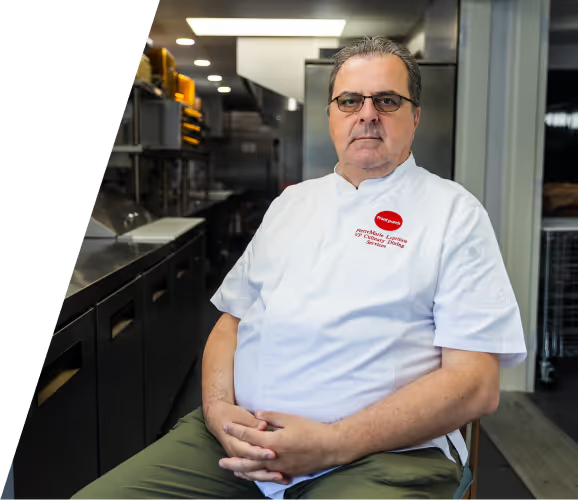
"What is standing out when you look at the mobile kitchen operation is the efficiency that we can really achieve because it's built for that."
Tell us about your kitchen needs and request a quote.
.png)
Turnkey mobile kitchen
Proudly made in-house in the USA
Commercial grade kitchen equipment
Code-compliant
Trusted by Industry Leaders