.gif)
When floodwaters devastate communities, one of the most critical challenges facing emergency responders is maintaining food safety and nutrition for displaced populations. Recent disasters have shown that traditional emergency feeding methods often fall short of health standards and capacity needs. Mobile kitchen trailers flood relief operations have emerged as a game-changing solution, providing commercial-grade food preparation capabilities that can serve hundreds or thousands of meals daily while meeting strict health department requirements. This comprehensive guide examines how purpose-built mobile kitchens transform disaster response, from rapid deployment strategies to long-term community recovery support, ensuring that affected populations receive safe, nutritious meals during their most vulnerable moments.
Understanding Commercial-Grade Mobile Kitchen Capabilities
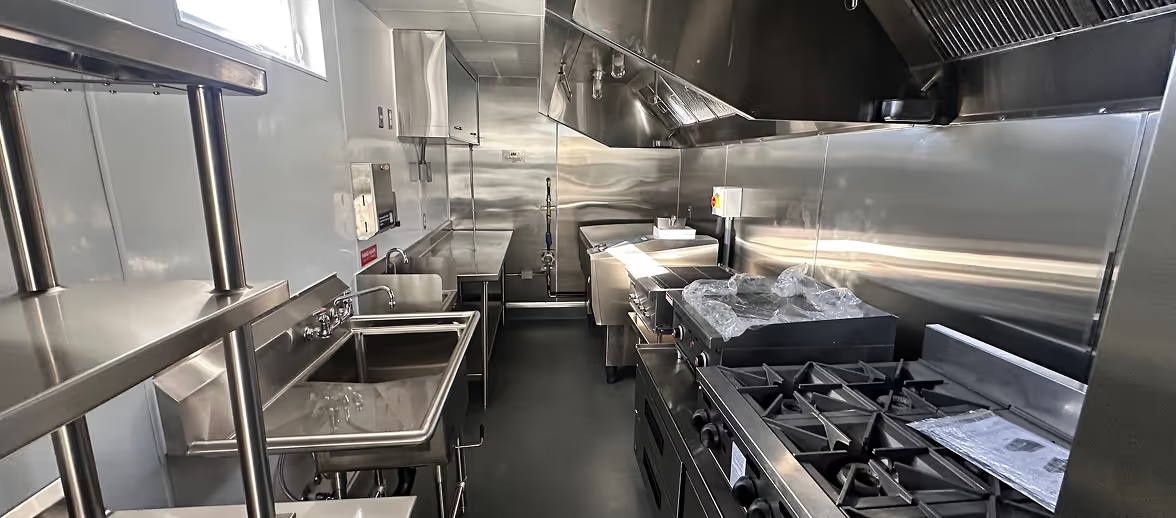
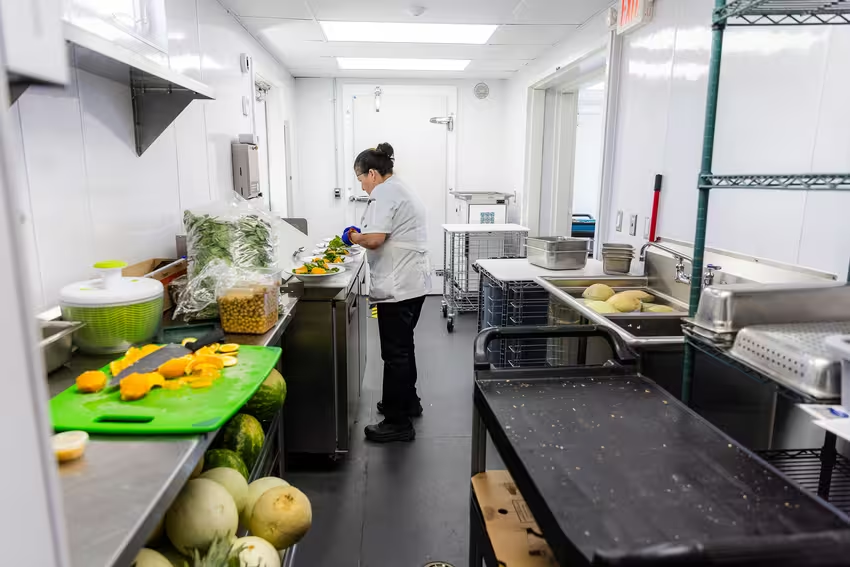
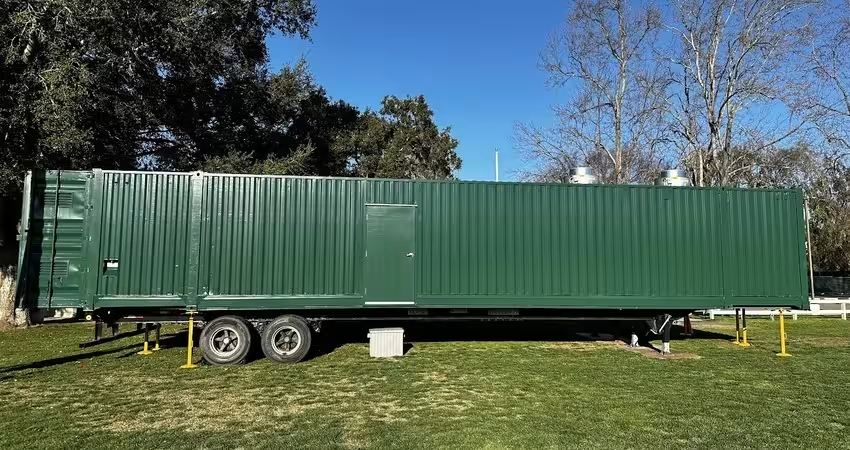
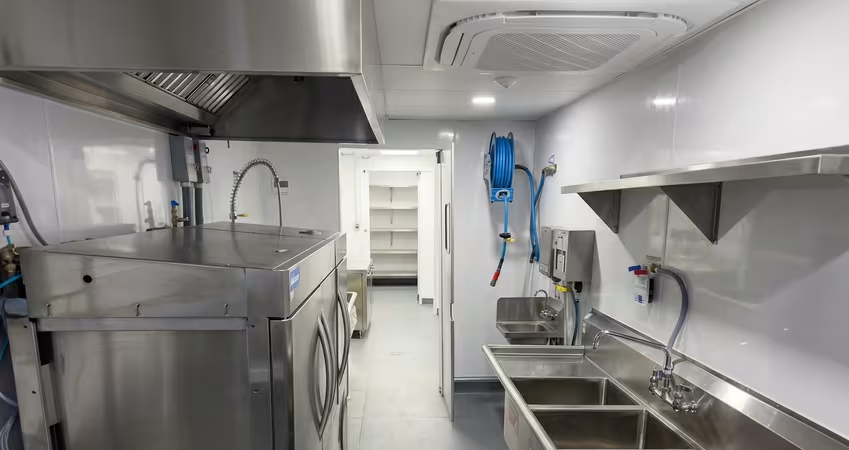
Professional mobile kitchen trailers flood relief operations rely on purpose-built units that far exceed basic food truck standards. These self-contained commercial facilities integrate complete cooking systems, ventilation, refrigeration, and sanitization equipment designed specifically for high-volume disaster response scenarios.
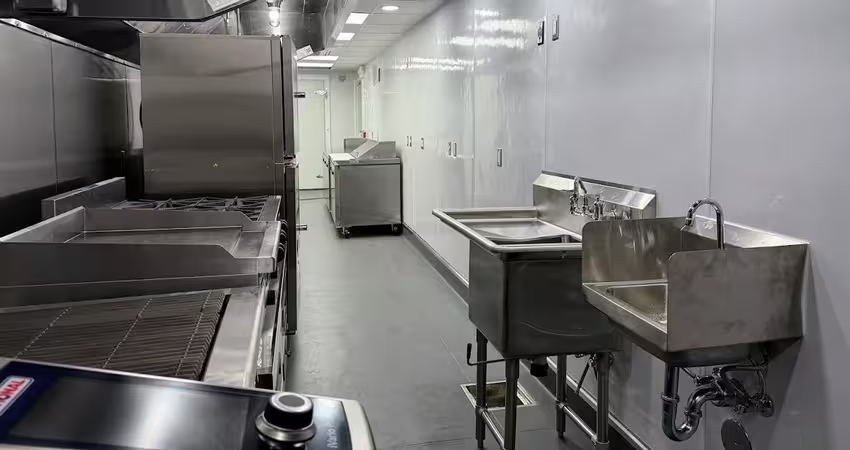
Each unit features multiple cooking stations including convection ovens, steam kettles, griddles, and fryers capable of preparing diverse menu items simultaneously. The commercial-grade kitchen equipment includes temperature-controlled storage zones, dedicated prep areas, and three-compartment sinks that maintain CDC food safety during disasters standards even under challenging field conditions.
Tip: Professional units incorporate fire suppression systems compliant with NFPA fire safety standards, ensuring safe operation in emergency environments where traditional safety infrastructure may be compromised.
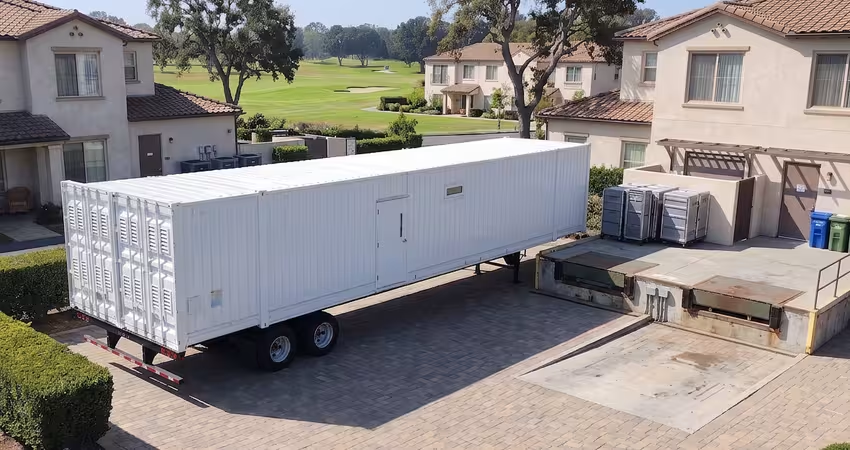
Capacity varies significantly based on configuration requirements. Compact units serve 200-400 meals per service period, while dual-trailer systems can produce over 1,500 meals daily. This scalability makes mobile kitchens suitable for everything from neighborhood distribution points to large-scale evacuation centers.
Addressing Infrastructure Collapse During Flood Events
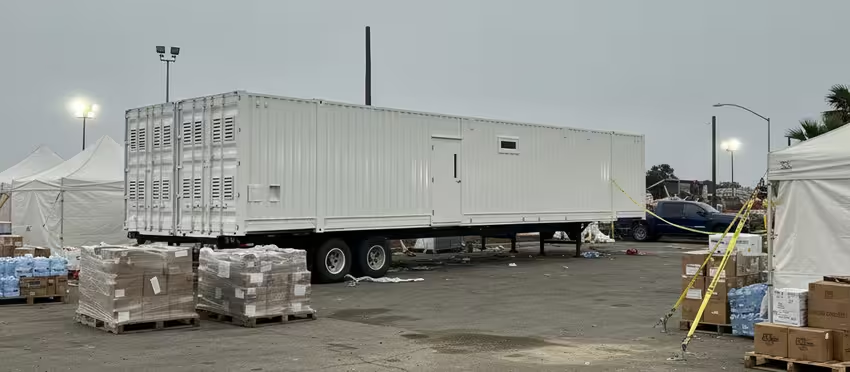
Flood damage creates cascading failures across multiple systems essential for food service operations. Understanding these vulnerabilities explains why standard emergency feeding approaches often fail to meet community needs during extended disasters.
Electrical grid failures immediately compromise refrigeration systems, forcing the disposal of thousands of pounds of perishable inventory. Water treatment facilities frequently become contaminated or inoperable, eliminating access to potable water required for food preparation and sanitization. Sewage systems overflow or back up, creating contamination risks that persist long after floodwaters recede.
Building damage extends beyond visible structural problems. HVAC systems, gas lines, and plumbing require thorough inspection and often extensive repairs before facilities can safely resume operations. Health department approvals become bottlenecks as inspection teams evaluate numerous damaged facilities simultaneously.
Note: The USDA disaster resource center provides specific guidance on food safety protocols that must be followed when infrastructure systems are compromised, emphasizing the importance of controlled environments for meal production.
These disruptions typically persist for weeks or months, creating dangerous gaps in nutrition access for vulnerable populations including elderly residents, families with children, and individuals with medical dietary requirements.
%252520(1).avif)
Strategic Deployment Models for Emergency Response
Effective mobile kitchen trailers flood relief operations require coordination between multiple agencies and careful consideration of population distribution, access routes, and resource allocation. Several proven deployment strategies maximize impact while maintaining operational efficiency.
Centralized Production with Mobile Distribution
Large-capacity units positioned at secured staging areas can prepare bulk quantities of meals for distribution to multiple sites. This hub-and-spoke model leverages economies of scale while maintaining food safety through controlled preparation environments. Insulated transport containers maintain proper temperatures during delivery to neighborhood distribution points.
Embedded Shelter Operations
Medium-capacity trailers positioned directly at evacuation shelters provide consistent meal service for displaced residents. This approach reduces transportation logistics while ensuring reliable access to hot meals throughout extended displacement periods. City emergency feeding programs often utilize this model for maximum population coverage.
Mobile Response Teams
Smaller, highly maneuverable units can reach isolated neighborhoods or special needs populations that cannot access centralized feeding locations. These units often coordinate with American Red Cross disaster relief operations to provide targeted nutrition support for homebound residents or areas with transportation barriers.
Example: During Hurricane Harvey response, mobile kitchen deployments served over 400,000 meals across Texas using coordinated deployment strategies that adapted to changing population concentrations and infrastructure recovery progress.
Regulatory Compliance and Safety Protocols
Professional mobile kitchen operations must maintain the same health and safety standards required of permanent commercial facilities, even during emergency conditions. This compliance framework protects public health while ensuring sustainable operations throughout extended disaster response periods.
Food safety protocols align with FDA guidelines for temperature control, cross-contamination prevention, and employee health screening. Mobile units incorporate handwashing stations, sanitizer dispensers, and dedicated areas for food storage that prevent contamination from external environmental hazards.
Fire safety systems integrate automatic suppression equipment, proper ventilation, and electrical safety measures designed for mobile deployment. These systems undergo regular inspection and certification to ensure reliable operation under field conditions where emergency services may have limited availability.
Water quality management includes both supply and disposal considerations. Units utilize tested potable water sources with backflow prevention, while wastewater systems capture and contain all effluent for proper disposal. This closed-loop approach prevents contamination of already-compromised local water systems.
Note: FEMA disaster survivor assistance guidelines specifically require adherence to commercial food safety standards for all mass feeding operations, making compliance documentation essential for funding eligibility.

Coordination with Emergency Management Agencies
Successful mobile kitchen deployment requires seamless integration with established emergency management frameworks. Emergency response organizations must coordinate logistics, staffing, and resource allocation across multiple agencies and jurisdictions.
The rapid deployment process begins with advance positioning of units in areas outside predicted flood zones. Pre-event staging reduces response times and ensures availability when transportation routes may be limited or damaged.
Staffing coordination involves both professional food service personnel and trained volunteers. Mobile kitchen operations require certified managers familiar with commercial food safety protocols, supported by volunteers who can assist with preparation, service, and cleanup activities under professional supervision.
Resource management includes fuel, water, food inventory, and disposable supplies sufficient for sustained operations. Supply chain coordination becomes critical when normal distribution networks are disrupted, requiring advance planning and multiple supplier relationships.
Communication systems must maintain connectivity between mobile units, emergency operations centers, and field personnel. This coordination ensures efficient resource allocation and enables rapid response to changing population needs or operational challenges.
Long-Term Recovery and Business Continuity
Mobile kitchen applications extend beyond immediate emergency response into long-term recovery phases. Temporary foodservice solutions support community recovery by maintaining nutrition access while permanent infrastructure undergoes reconstruction.
Educational institutions often require mobile kitchen support for months while damaged cafeteria facilities undergo repair or replacement. These extended deployments maintain student nutrition programs essential for academic continuity and family stability during recovery periods.
Healthcare facilities may utilize mobile kitchens to maintain patient feeding operations when hospital kitchens sustain flood damage. These critical applications require specialized dietary capabilities and extended operational capacity to support patient care continuity.
Community recovery efforts benefit from mobile kitchen support at reconstruction sites, volunteer coordination centers, and temporary housing areas. This sustained nutrition access helps maintain community cohesion and supports volunteer retention during extended recovery phases.
Tip: A thorough cost-effectiveness analysis often demonstrates that mobile kitchen deployments provide superior value compared to meal delivery services or off-site catering during extended recovery periods.
People Also Ask (FAQ)
How quickly can mobile kitchen trailers be deployed for flood relief?
Professional mobile kitchen trailers can typically be deployed within 24-48 hours of a disaster declaration, depending on distance and road accessibility. Our delivery and setup process includes coordinating with emergency management officials and positioning units at staging areas before disasters strike when possible. Setup time ranges from 2-4 hours once the unit arrives at the designated relief site.
What capacity do mobile kitchen trailers have for disaster feeding operations?
Commercial-grade mobile kitchen trailers can prepare 1,000-3,000+ meals per day depending on unit size and configuration. These fully-equipped units feature multiple cooking stations, prep areas, and refrigeration systems designed to handle high-volume food production. Capacity planning considers both the number of displaced individuals and the duration of relief operations anticipated.
Do mobile kitchen trailers meet health department requirements during emergencies?
Yes, professional mobile kitchen trailers are built to commercial kitchen standards and maintain full health department compliance even during emergency operations. Units feature proper ventilation, hand-washing stations, temperature-controlled storage, and sanitization systems required by local health codes. Emergency feeding operations using certified mobile kitchens help prevent foodborne illness outbreaks that commonly occur with improvised cooking facilities.
Who typically funds mobile kitchen trailers for flood relief operations?
Funding for disaster relief mobile kitchens typically comes from FEMA, state emergency management agencies, non-profit organizations like the Red Cross, and local government emergency budgets. Many organizations pre-contract with mobile kitchen providers to ensure rapid response capabilities. Cost analysis often shows mobile kitchens provide better value than traditional disaster feeding methods when considering capacity, safety, and operational efficiency.
Conclusion
Mobile kitchen trailers represent the most effective solution for maintaining food safety and nutrition access during flood disasters. These purpose-built units provide commercial-grade capabilities that traditional emergency feeding methods cannot match, ensuring communities receive safe, nutritious meals throughout response and recovery phases.
Effective disaster preparedness requires advance planning and established partnerships with professional mobile kitchen providers. Explore our comprehensive mobile kitchen solutions for emergency response or discuss your disaster preparedness requirements with our deployment specialists.

%20(1).avif)
Testimonial
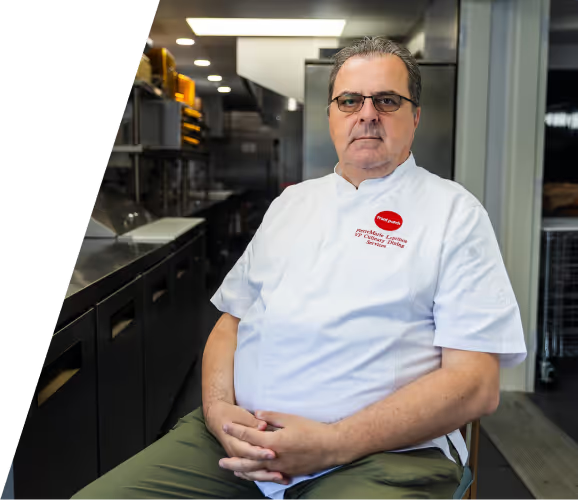
"What is standing out when you look at the mobile kitchen operation is the efficiency that we can really achieve because it's built for that."
Tell us about your kitchen needs and request a quote.
.png)
Turnkey mobile kitchen
Proudly made in-house in the USA
Commercial grade kitchen equipment
Code-compliant
Trusted by Industry Leaders