.gif)
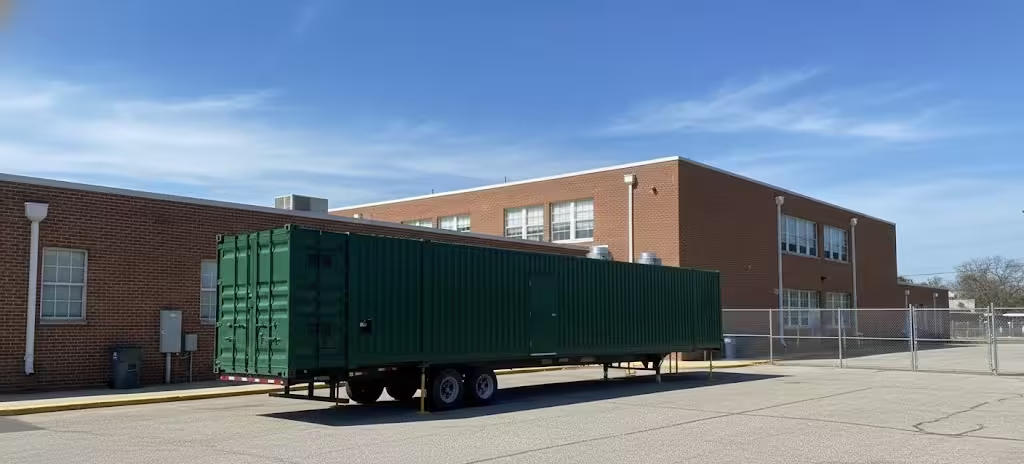
Universities and schools face a complex challenge when renovating dining facilities: how do you upgrade essential food service infrastructure without disrupting thousands of students who depend on campus dining? While most institutions resort to closing dining halls entirely during renovations, leading universities are discovering that mobile kitchen trailers provide a superior alternative that maintains operations while achieving renovation goals. Unlike hastily assembled temporary solutions, purpose-built mobile kitchen trailers deliver the same capacity, safety standards, and food quality as permanent facilities. This article examines why mobile kitchen trailers are becoming the preferred solution for educational institutions during dining facility renovations, expansions, and emergency situations.
Understanding Mobile Kitchen Trailer Universities Applications
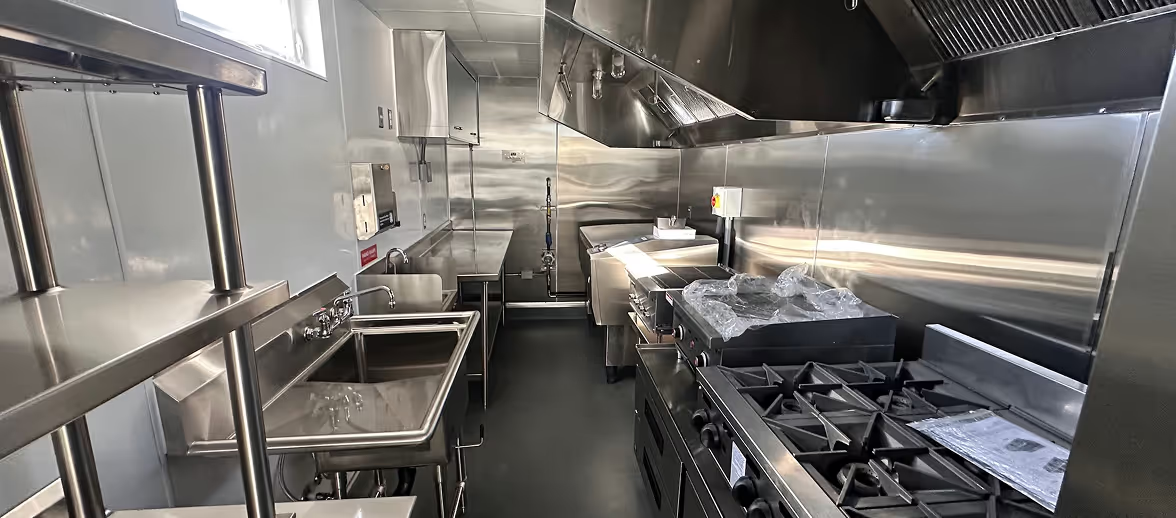
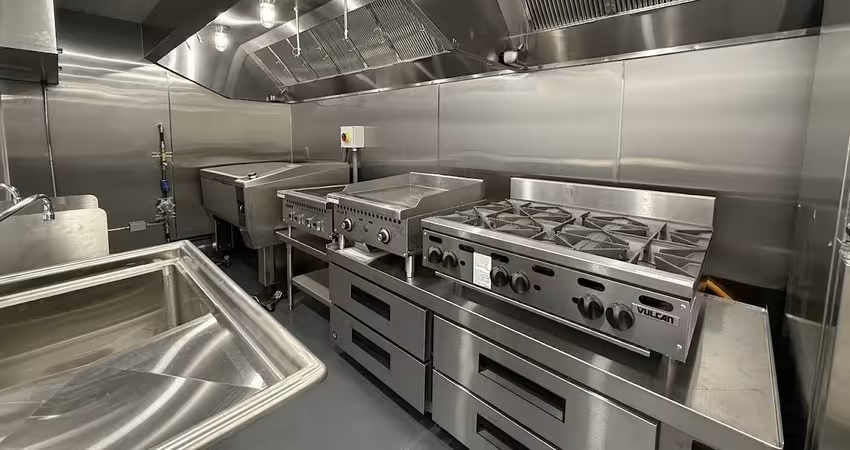
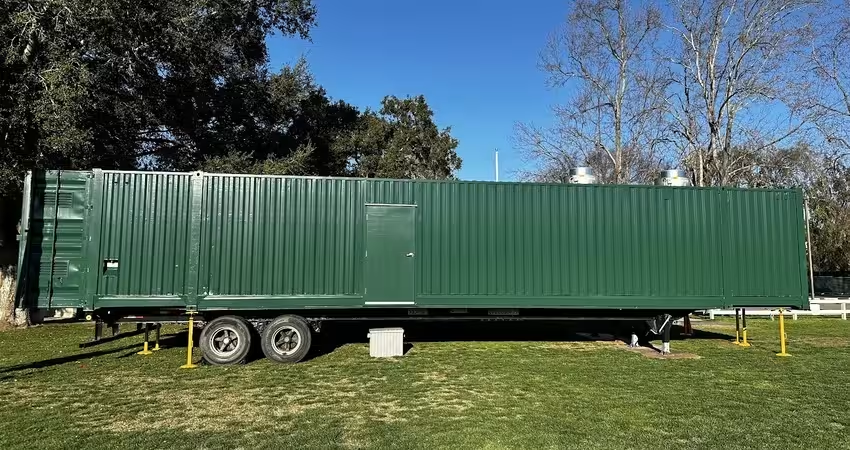
Mobile kitchen trailer universities deployments represent fully equipped commercial cooking facilities designed specifically for educational institution requirements. These purpose-built units feature professional-grade equipment configurations that support high-volume meal production while meeting stringent FDA Food Code requirements and institutional safety standards.
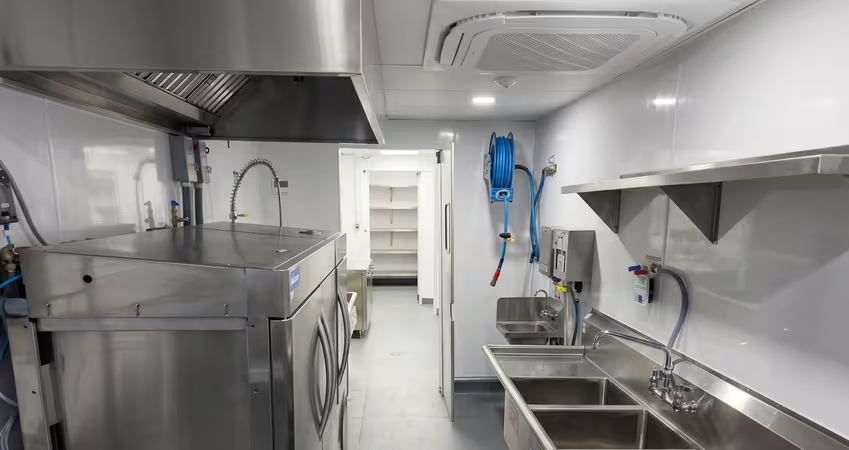
Key operational components include commercial ventilation systems with fire suppression, three-compartment warewashing stations, temperature-controlled storage, and cookline equipment sized for peak service demands. Units connect to campus utilities through standardized quick-connect systems, enabling rapid deployment without compromising food safety or operational efficiency.
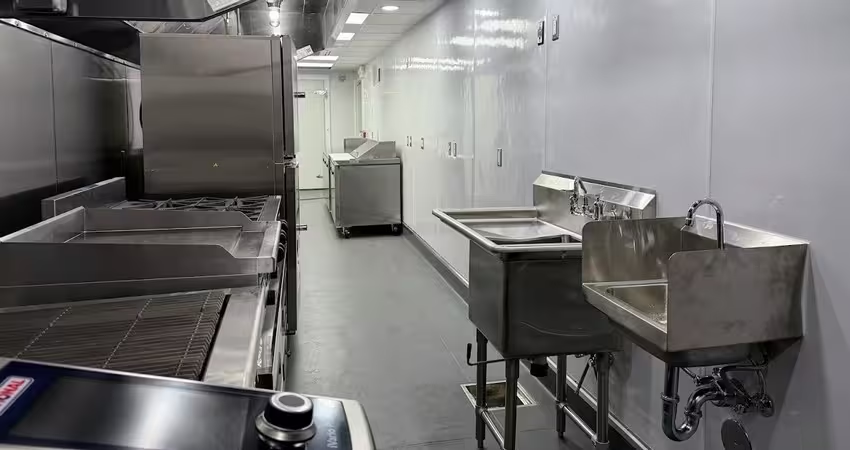
Note: Professional mobile kitchen rental solutions differ significantly from food trucks or basic catering trailers, offering institutional-grade capacity and compliance features.
Strategic Advantages for Educational Institutions
Maintaining Revenue During Infrastructure Projects
Universities lose substantial revenue when dining facilities close for renovations. Hidden costs of kitchen shutdowns extend beyond lost meal plan income to include catering contract penalties, student retention impacts, and alternative food service expenses that can exceed $50,000 monthly for mid-sized institutions.
Mobile kitchen trailers eliminate these losses by maintaining full dining operations throughout construction phases. Students continue using meal plans, catering commitments remain intact, and universities avoid the financial disruption that accompanies traditional renovation approaches.
Rapid Deployment Capabilities
Emergency situations require immediate food service restoration. Equipment failures, fire damage, or utility outages can shut down dining operations within hours. Mobile kitchen trailers deploy in 1-3 days compared to weeks or months required for temporary construction, ensuring minimal service interruption.
- Emergency response within 24-48 hours
- Complete setup including utility connections in 2-3 days
- Health department inspections typically scheduled within one week
- Full operational capacity restored before traditional alternatives mobilize
Tip: Early planning and pre-approved vendor relationships enable even faster deployment when emergencies occur.
Compliance and Safety Standards
Educational institutions face rigorous oversight from health departments, fire marshals, and insurance carriers. Mobile kitchen trailers built for university applications incorporate NFPA 96 ventilation standards, commercial fire suppression systems, and sanitation features that meet or exceed permanent facility requirements.
These units undergo inspection and approval processes identical to permanent kitchens, providing institutions with confidence in regulatory compliance and liability protection during temporary operations.
Common University Implementation Scenarios
Renovation and Construction Support
Major dining hall renovations typically span 6-18 months based on scope and complexity. Typical renovation timelines often extend beyond initial projections due to unforeseen infrastructure challenges, supply chain delays, or scope modifications.
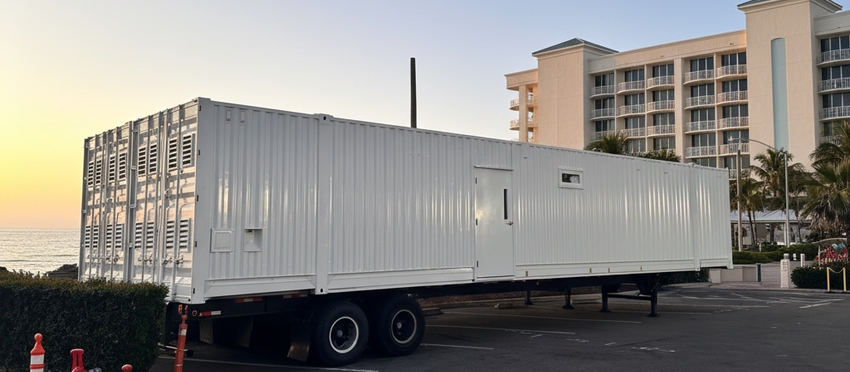
Mobile kitchen trailers positioned adjacent to renovation sites maintain normal meal service capacity while allowing construction to proceed uninterrupted. This parallel approach reduces total project duration and minimizes student impact compared to sequential renovation-then-reopening schedules.
Enrollment Growth Management
Unexpected enrollment increases can overwhelm existing dining capacity before permanent expansions complete. New residence halls, increased retention rates, or expanded meal plan participation create immediate demand that existing facilities cannot accommodate.
Temporary mobile kitchen installations bridge these capacity gaps while universities plan and construct permanent solutions. This approach prevents overcrowding, maintains service quality, and supports positive student experiences during growth periods.
Seasonal and Special Event Support
Athletic events, conferences, summer programs, and orientation periods create temporary demand spikes that exceed normal capacity. Rather than overbuilding permanent infrastructure for occasional use, universities deploy mobile kitchens during peak periods.
- Move-in weekend support for residential dining
- Athletic tournament concession supplementation
- Conference and summer camp meal service
- Graduation and special event catering capacity
Example: A state university uses mobile kitchen trailers during football season to handle 15,000 additional meals per game day without expanding permanent concession facilities.
 mobile kitchen rental steps">
Technical Considerations and Requirements
Utility Infrastructure Planning
Successful mobile kitchen deployment requires adequate utility access and capacity. Electrical service typically demands 208-240V three-phase power with amperage calculated based on equipment specifications. Water and wastewater connections must accommodate peak flow rates while meeting local codes.
Natural gas or propane supply depends on cooking equipment configuration. Grease waste management requires approved interceptors and scheduled removal service to prevent sanitary system impacts.
Site Selection and Logistics
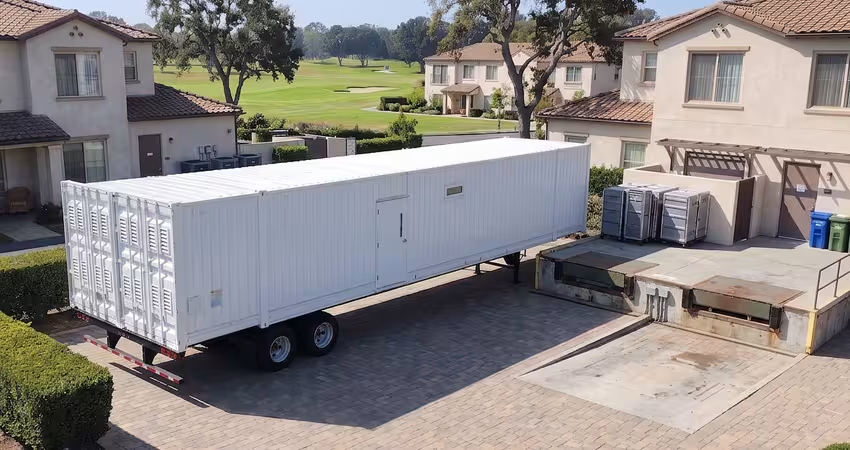
Optimal placement balances utility access, delivery vehicle clearance, ADA compliance, and proximity to serving areas. Sites must provide level foundations, adequate drainage, and compliance with local setback requirements.
Note: The mobile kitchen setup process requires coordinated planning between facilities management, food service operations, and local authorities.
Food Safety and Operational Integration
Mobile kitchen operations must integrate seamlessly with existing food safety management systems. This includes HACCP protocols, temperature monitoring, staff training, and documentation procedures that align with institutional standards.
Cross-training kitchen staff on mobile unit operations ensures smooth transitions and maintains service quality. Many universities conduct practice runs before full implementation to identify and resolve operational challenges.
Cost Analysis and Financial Benefits
Rental Versus Construction Economics
Mobile kitchen trailer rentals cost significantly less than temporary construction while delivering comparable functionality. Construction costs for temporary facilities often exceed $150-300 per square foot plus demolition expenses, while mobile rentals typically range from $8,000-25,000 monthly depending on size and equipment.
Calculating mobile kitchen ROI demonstrates substantial savings when comparing total project costs, timeline benefits, and revenue preservation advantages.
Operational Cost Considerations
Beyond rental fees, universities must account for utility costs, staff training, site preparation, and ongoing maintenance. These expenses typically represent a fraction of revenue losses from closed dining operations or the capital costs of temporary construction.
Insurance and liability coverage often extend from existing institutional policies, reducing additional risk management expenses.
Industry Standards and Best Practices
Professional Association Guidance
The National Association of College and University Food Services provides resources and best practices for temporary food service operations. Their guidelines emphasize maintaining service quality, ensuring regulatory compliance, and protecting student satisfaction during facility transitions.
Industry benchmarks suggest that properly implemented mobile kitchen solutions maintain 90-95% of normal service capacity while supporting renovation or emergency response objectives.
Federal Compliance Requirements
USDA food service safety guidelines apply equally to temporary and permanent operations. Mobile kitchen trailers must demonstrate compliance with these standards through proper design, installation, and operational procedures.
Regular inspections, staff certification, and documentation protocols ensure continued compliance throughout rental periods.
Selecting the Right Mobile Kitchen Partner
University food service directors should evaluate mobile kitchen providers based on equipment quality, compliance documentation, deployment capabilities, and ongoing support services. National Restaurant Association research indicates that provider experience with institutional clients significantly impacts project success rates.
Key selection criteria include:
- Purpose-built units versus converted trailers
- Documented compliance with food service regulations
- 24/7 technical support and emergency service
- Flexible rental terms accommodating academic schedules
- Experience with university and institutional clients
Tip: Request references from similar institutions and conduct site visits to evaluate equipment quality and provider capabilities firsthand.
Understanding signs your kitchen needs renovation helps universities plan mobile kitchen support before emergency situations arise, ensuring smoother transitions and better outcomes.
The evolution toward flexible infrastructure reflects universities' need for adaptable solutions that support changing enrollment patterns, aging facilities, and budget constraints while maintaining service excellence.
People Also Ask (FAQ)
How much does it cost to rent a mobile kitchen trailer for a university?
Mobile kitchen trailer rental costs for universities typically range from $8,000 to $25,000 per month depending on size, equipment configuration, and rental duration. Universities often find significant cost savings compared to revenue losses from closing dining facilities entirely. Most providers offer educational discounts and flexible terms for longer-term academic year rentals. Calculate the ROI of mobile kitchen rentals to determine the financial impact for your institution.
What kitchen equipment comes standard in university mobile kitchen trailers?
University mobile kitchen trailers typically include commercial-grade equipment such as convection ovens, steamers, grills, fryers, refrigeration units, prep stations, and dishwashing systems. The equipment configuration can be customized based on your dining program's specific menu requirements and serving capacity. Most units also include ventilation systems, fire suppression, and electrical systems that meet commercial food service standards. Learn more about standard mobile kitchen equipment and customization options.
How quickly can a mobile kitchen trailer be set up on a university campus?
Professional mobile kitchen trailer setup typically takes 1-3 days depending on utility connections and site preparation requirements. The process includes positioning the trailer, connecting utilities (electrical, water, gas, sewage), testing all systems, and conducting safety inspections. Universities should plan for site preparation including level ground and utility access points. Understanding the delivery and setup process helps ensure smooth installation timing with your renovation schedule.
Are mobile kitchen trailers safe and compliant for university food service?
Yes, reputable mobile kitchen trailers meet the same health department regulations, fire safety codes, and ADA compliance standards as permanent commercial kitchens. Units include commercial ventilation systems, fire suppression equipment, proper food storage temperatures, and sanitary facilities required by local health departments. Many universities require pre-approval from their facilities and food service departments to ensure compliance with institutional standards and insurance requirements.
Conclusion
Mobile kitchen trailers offer universities a strategic solution for maintaining dining operations during renovations, managing enrollment growth, and responding to emergency situations. These purpose-built units deliver institutional-grade capacity while meeting stringent safety and compliance requirements that educational institutions demand.
When planning your next dining facility project or emergency preparedness strategy, explore professional mobile kitchen solutions designed for institutional applications or discuss your specific requirements with mobile kitchen specialists.

%20(1).avif)
Testimonial
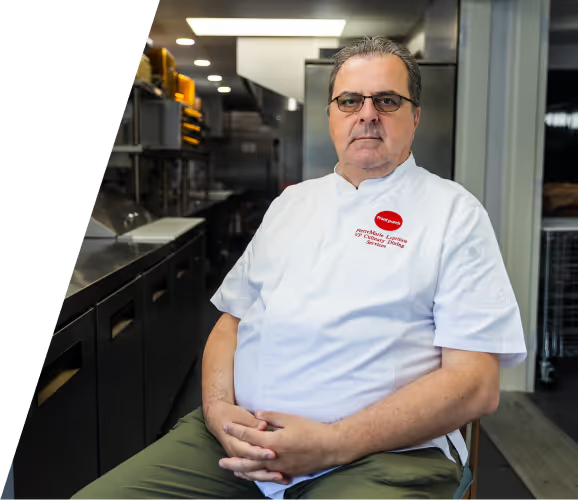
"What is standing out when you look at the mobile kitchen operation is the efficiency that we can really achieve because it's built for that."
Tell us about your kitchen needs and request a quote.
.png)
Turnkey mobile kitchen
Proudly made in-house in the USA
Commercial grade kitchen equipment
Code-compliant
Trusted by Industry Leaders