.gif)
When wildfires devastate communities, over 65% of emergency response operations struggle with feeding displaced residents, firefighters, and relief workers due to damaged infrastructure and overwhelmed local food services. Mobile kitchen trailers have emerged as a critical component in disaster response, providing immediate access to hot, nutritious meals when permanent facilities are compromised or inaccessible. Unlike hastily assembled emergency feeding stations, purpose-built mobile kitchens deliver commercial-grade capacity and safety standards essential for large-scale disaster relief operations. This guide examines how mobile kitchen trailers function in wildfire response scenarios, their deployment strategies, and the operational considerations that make them indispensable tools for emergency management teams and relief organizations.
Understanding Mobile Kitchen Trailers Wildfire Response Capabilities
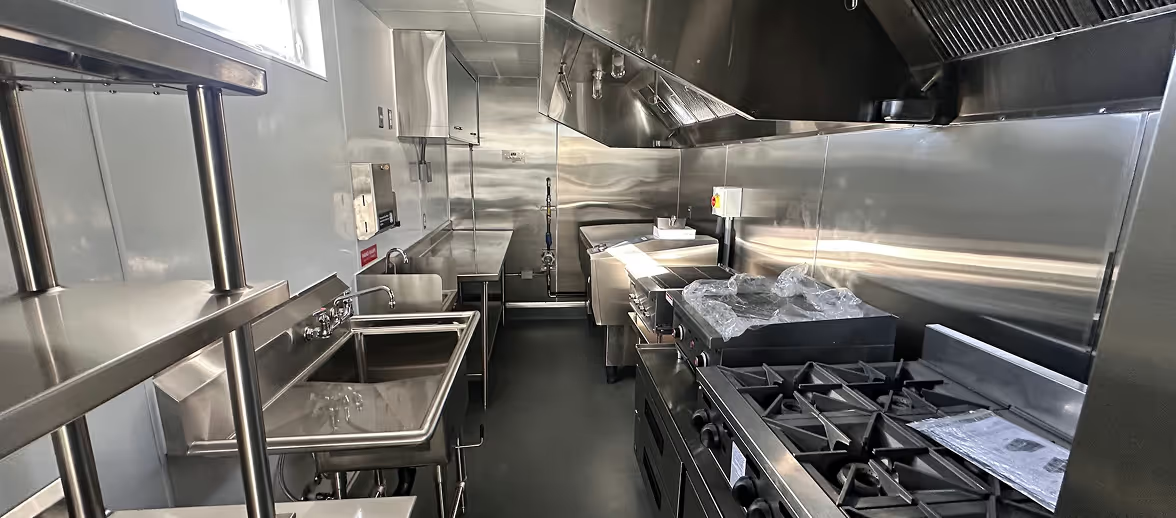
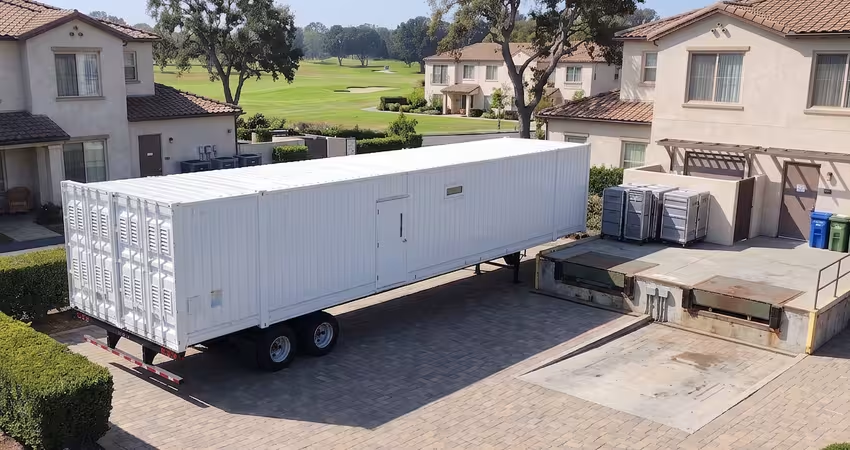
Mobile kitchen trailers wildfire response units are self-contained commercial kitchens designed to operate independently in emergency environments. These specialized units integrate cooking equipment, refrigeration systems, water supplies, and waste management into a single transportable platform that meets health department standards.
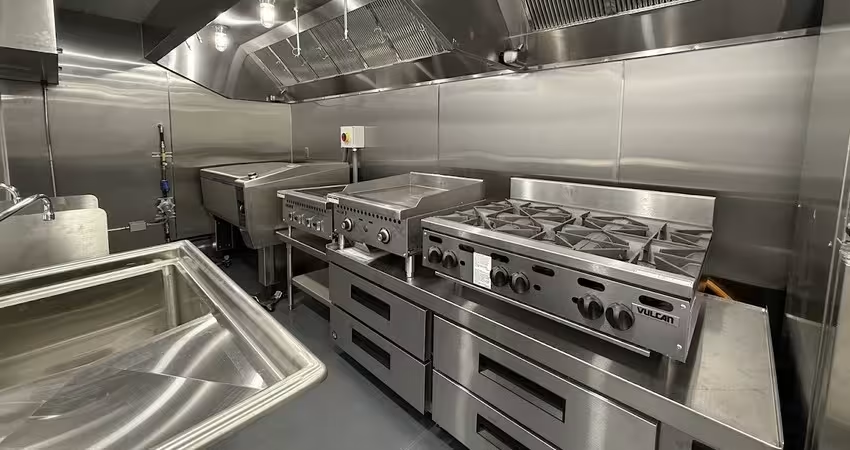
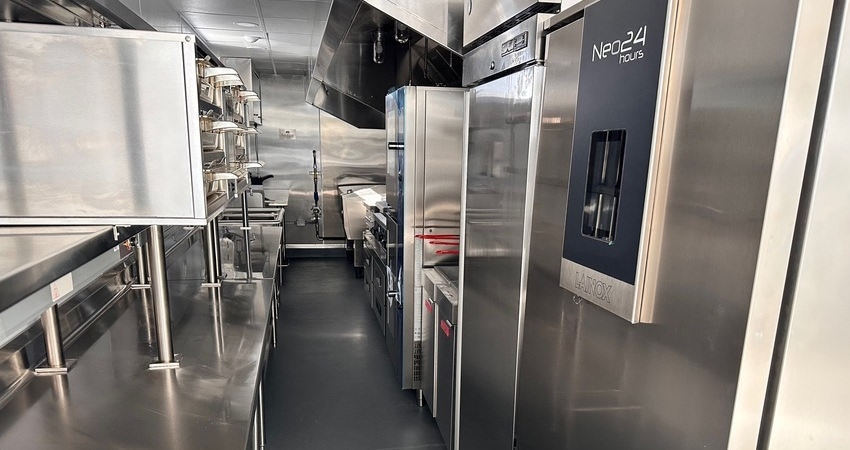
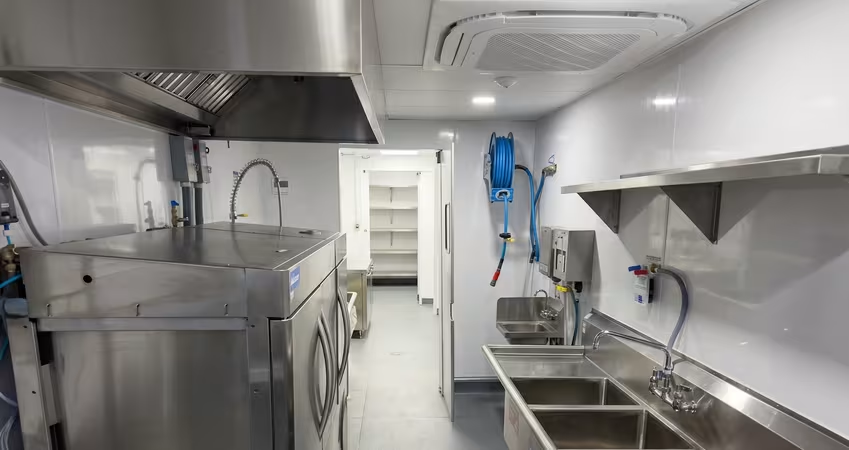
Each unit features multiple cooking stations with gas ranges, convection ovens, and griddles capable of producing high-volume meals. Commercial refrigeration maintains food safety temperatures while grease traps and wastewater containment systems ensure compliance with environmental regulations. The NFPA 96 ventilation standards guide exhaust system design, providing safe operation even in smoky conditions.
Professional mobile kitchen solutions from companies like professional mobile kitchen solutions deliver turnkey deployment capabilities, eliminating setup complexity during time-critical disaster response.

Deployment Scenarios for Wildfire Emergency Operations
Mass Evacuation Feeding Programs
Large-scale evacuations create immediate feeding challenges for displaced populations concentrated in shelters, community centers, and temporary housing sites. Red Cross disaster relief operations frequently coordinate with mobile kitchen providers to establish compliant food service at evacuation centers.
These deployments support city emergency feeding programs by providing commercial-grade capacity without requiring permanent infrastructure modifications. Mobile units can serve 500-2,000 meals daily depending on configuration and staffing levels.
Example: During California's Camp Fire evacuation, mobile kitchen trailers operated at multiple shelter locations, serving over 15,000 meals to displaced residents while permanent facilities remained inaccessible.
Firefighter Base Camp Operations
Wildfire suppression requires sustained crew rotations working 12-16 hour shifts in challenging conditions. Base camp feeding operations rely on mobile kitchens to deliver nutritionally dense meals that support physical performance and recovery.
Mobile kitchen deployments at incident command posts reduce logistics burdens while maintaining food safety compliance under field conditions. The mobile kitchen equipment and layout accommodates batch cooking techniques essential for feeding large crews efficiently.
Note: Wildland firefighters require approximately 4,000-6,000 calories per day during active suppression operations, making menu planning and production capacity critical factors in deployment decisions.
Infrastructure Recovery Support
Post-fire recovery efforts often involve damaged commercial kitchens requiring weeks or months of repairs. Hotels, hospitals, schools, and community facilities deploy mobile kitchen trailers to maintain essential food services during reconstruction periods.
These temporary foodservice solutions enable business continuity while permanent repairs proceed. Healthcare facilities particularly benefit from maintaining patient meal programs without compromising nutritional standards or safety protocols.
Operational Advantages in Disaster Environments
Regulatory Compliance Under Emergency Conditions
Emergency operations do not suspend food safety requirements. The CDC food safety during disasters maintains standard protocols for temperature control, sanitation, and cross-contamination prevention. Purpose-built mobile kitchens incorporate these requirements into their design and operational procedures.
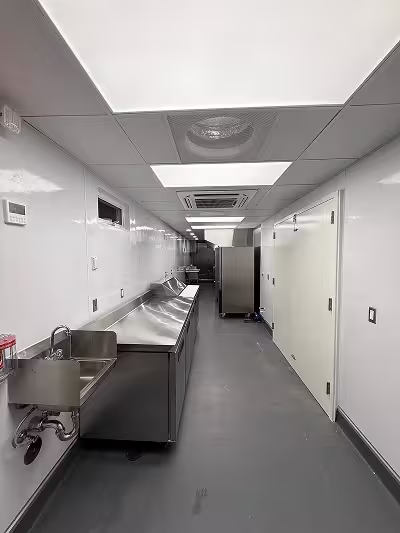
Hand-washing stations, three-compartment sinks, and chemical sanitizing systems ensure compliance with health department standards. Integrated fire suppression and ventilation systems meet commercial kitchen codes, facilitating rapid approval from local authorities.
Tip: Maintain detailed temperature logs and cleaning schedules during emergency operations to demonstrate compliance during health department inspections.
Utility Independence and Site Flexibility
Wildfire-affected areas frequently experience extended utility outages affecting electricity, water, and natural gas services. Mobile kitchen trailers operate using onboard generators, propane fuel systems, and water storage tanks, maintaining functionality regardless of local infrastructure status.
This self-sufficiency enables deployment in remote locations near fire perimeters or at temporary base camps lacking permanent utilities. The mobile kitchen deployment process includes utility coordination and site preparation to ensure rapid operational readiness.
- Generator power systems supporting all electrical loads
- Propane fuel for cooking equipment and hot water
- Potable water storage with pump systems
- Wastewater containment preventing environmental impact
Scalable Response Capacity
Disaster feeding requirements change rapidly as evacuation numbers fluctuate and incident priorities shift. Mobile kitchen deployments can scale from single units serving hundreds to multi-trailer configurations supporting thousands of meals daily.
Modular expansion allows agencies to match capacity with actual demand while maintaining cost efficiency. The cost-effectiveness of mobile kitchen solutions becomes apparent when compared to establishing temporary fixed facilities or relying on external catering contracts.

Federal Coordination and Funding Mechanisms
FEMA Disaster Declaration Process
Mobile kitchen deployments during major wildfires typically operate under federal disaster declarations that trigger funding and resource coordination. The FEMA disaster declaration process establishes eligibility for Emergency Support Function #6 (Mass Care) operations, including emergency feeding programs.
Declared disasters enable reimbursement for mobile kitchen rentals, transportation, and operational costs through FEMA Public Assistance programs. State and local emergency management agencies coordinate deployment requests with approved vendors to ensure compliance with federal procurement requirements.
USDA Food Assistance Integration
Federal food assistance programs provide commodity support for disaster feeding operations. USDA disaster food assistance programs supply bulk ingredients and prepared foods compatible with mobile kitchen production capabilities.
Coordination between mobile kitchen operators and USDA food distribution ensures menu planning aligns with available commodities while meeting nutritional requirements for extended feeding operations. This integration reduces procurement costs and simplifies supply chain management during multi-week deployments.
Operational Best Practices and Safety Protocols
Site Selection and Setup Requirements
Mobile kitchen positioning requires level surfaces, adequate clearance for exhaust systems, and access for supply deliveries. Site selection considers prevailing wind patterns, proximity to water sources, and separation from fuel storage areas to minimize fire risk.
Setup protocols include utility connections, equipment testing, and safety system verification before food production begins. Organizations that utilize mobile kitchens maintain standard operating procedures covering deployment, operation, and demobilization phases.
- Level parking areas with adequate drainage
- Electrical service for auxiliary equipment
- Water supply connections where available
- Waste removal access for grease traps and wastewater
Staffing and Training Considerations
Mobile kitchen operations require experienced commercial food service personnel familiar with high-volume production techniques. Staff training covers equipment operation, food safety protocols, and emergency procedures specific to disaster response environments.
Cross-training ensures continuity when personnel rotations occur during extended deployments. Documentation of staff certifications and training records supports health department compliance and operational oversight.
Note: Many disaster response organizations maintain pre-qualified staff rosters with current food handler certifications to ensure rapid deployment capability when emergencies occur.

People Also Ask (FAQ)
How quickly can mobile kitchen trailers be deployed to wildfire disaster zones?
Mobile kitchen trailers can typically be deployed within 24-48 hours of receiving a request, depending on location and availability. The deployment process involves coordination with emergency management agencies, site preparation, and utility connections. Professional mobile kitchen providers maintain rapid response protocols specifically for disaster scenarios, including pre-positioned equipment and streamlined permitting processes to minimize setup time.
What capacity can mobile kitchen trailers handle during emergency feeding operations?
Commercial-grade mobile kitchen trailers can serve 500-2,000+ meals per day, depending on unit size and menu complexity. These units feature multiple cooking stations, prep areas, and storage capacity designed for high-volume production. The interior configuration includes commercial ranges, ovens, griddles, and refrigeration systems that match the capacity of permanent commercial kitchens, ensuring adequate food service for large evacuee populations and relief workers.
Do mobile kitchen trailers meet health department requirements during disaster response?
Yes, purpose-built mobile kitchen trailers are designed to meet commercial health code requirements, including proper ventilation, food safety systems, and sanitation facilities. Emergency operations often receive expedited health department approvals, though basic compliance standards remain in effect. Units include hand-washing stations, grease traps, and food storage systems that maintain safety standards even in challenging disaster environments.
Who typically operates mobile kitchen trailers during wildfire response efforts?
Mobile kitchen trailers are operated by various organizations including the Red Cross, Salvation Army, local emergency management agencies, and contracted food service providers. Professional food service teams often staff these units, bringing commercial kitchen expertise to ensure efficient meal production and food safety compliance during high-stress disaster scenarios.
Conclusion
Mobile kitchen trailers wildfire response operations represent essential infrastructure for modern disaster management. These specialized units provide the speed, capacity, and regulatory compliance necessary to maintain food service when permanent facilities fail during emergency conditions.
Professional deployment requires careful planning, experienced operators, and equipment designed specifically for disaster response environments. Explore purpose-built mobile kitchen solutions engineered for emergency deployment or discuss specific wildfire response requirements with disaster response specialists.

%20(1).avif)
Testimonial

"What is standing out when you look at the mobile kitchen operation is the efficiency that we can really achieve because it's built for that."
Tell us about your kitchen needs and request a quote.
.png)
Turnkey mobile kitchen
Proudly made in-house in the USA
Commercial grade kitchen equipment
Code-compliant
Trusted by Industry Leaders