.gif)
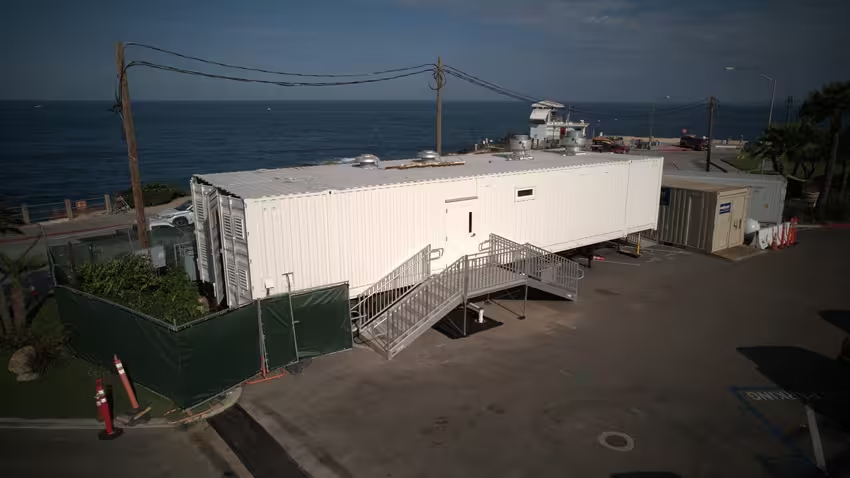
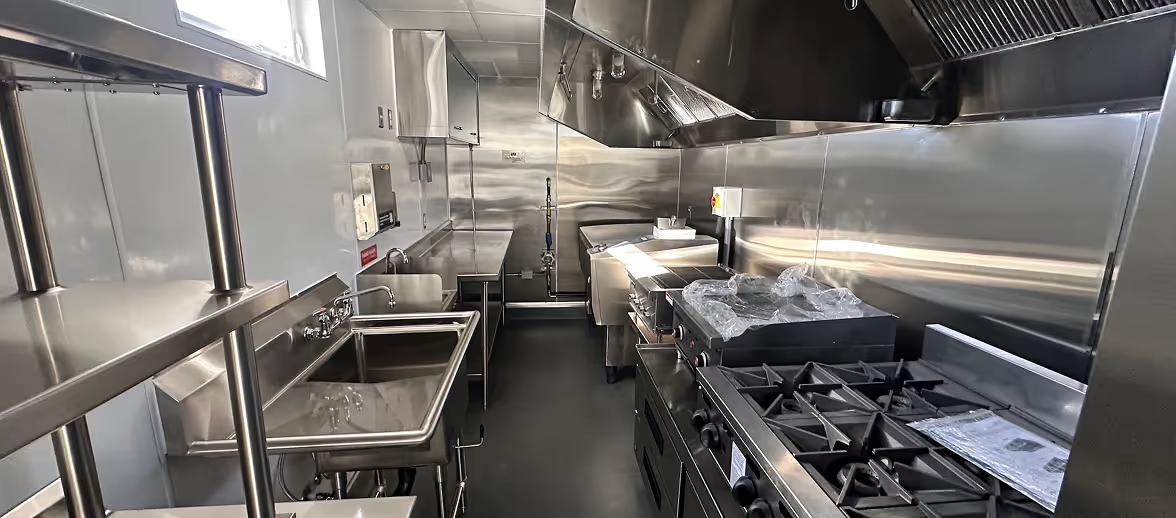
What types of businesses actually need mobile kitchens? While most food service professionals understand the concept of temporary kitchen solutions, many don't realize the diverse range of mobile kitchen users across industries. From luxury hotels maintaining service during renovations to emergency responders feeding disaster victims, mobile kitchens serve a surprisingly wide spectrum of operations. Understanding who rents these units—and why—can help you determine if a mobile kitchen solution might benefit your own operation. This guide breaks down the most common mobile kitchen users, their specific needs, and how temporary kitchen solutions solve their operational challenges.
Hospitality Sector: The Primary Mobile Kitchen Users
Hospitality properties represent the largest segment of mobile kitchen users across North America. These operators cannot afford to close food service during infrastructure improvements without severe revenue impact and guest satisfaction decline.
%2520(1).avif)
Luxury Hotels and Resorts
Five-star properties face unique challenges when renovating kitchens during peak seasons. Hotel renovation trends show that 68% of luxury properties schedule major kitchen upgrades during shoulder seasons to minimize revenue loss. Contracted events and guaranteed meal service create inflexible deadlines.
Mobile kitchens for hotels and resorts enable continuous operation during complete kitchen overhauls, equipment failures, or fire suppression system installations. These properties typically require compound configurations with dedicated prep areas, banquet staging zones, and room service capabilities.
Note: Luxury hotels often need specialized equipment like blast chillers and combi ovens to maintain their culinary standards during temporary operations.
Private Clubs and Country Clubs
Exclusive membership venues cannot disrupt dining services without risking member retention and satisfaction scores. Private club renovation solutions focus on maintaining signature menu items and event capabilities throughout construction phases.
These facilities frequently rent mobile kitchens during clubhouse expansions, dining room remodels, or seasonal equipment upgrades. Tournament weeks and member events create non-negotiable service requirements that drive demand for temporary kitchen solutions.
Healthcare and Senior Living Communities
Healthcare foodservice operations serve vulnerable populations who depend on consistent meal delivery and specialized dietary accommodations. Mobile kitchen users in this sector prioritize food safety compliance and nutritional program continuity.
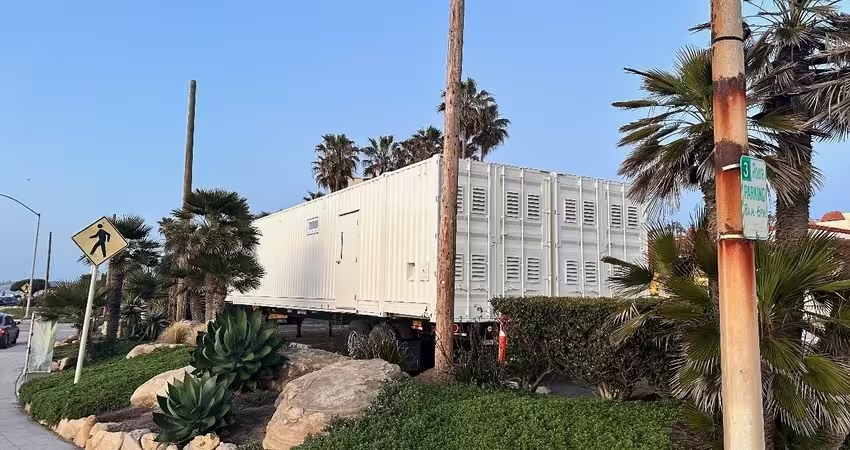
Senior living facilities represent a growing segment requiring senior living renovation strategies that never interrupt resident meal schedules. These communities often serve texture-modified diets, low-sodium preparations, and scheduled medication timing that makes kitchen closures impossible.
Assisted living and memory care facilities typically require mobile kitchen rentals lasting 3-6 months during major renovations. The units must accommodate specialized equipment for pureed foods, therapeutic diets, and precise portion control systems.
Tip: Healthcare facilities should verify that mobile kitchen providers maintain CDC food service safety guidelines compliance for vulnerable populations.
Educational Institutions
Universities and school districts represent significant mobile kitchen users due to tight construction windows and high-volume feeding requirements. Campus dining renovations must align with academic calendars while serving thousands of students daily.
K-12 school districts frequently rent mobile kitchens during summer renovation projects that extend into the academic year. Federal nutrition programs and food safety regulations create strict operational requirements that temporary kitchens must meet.
University dining services often require multi-unit compounds to handle breakfast rushes, late-night service, and special dietary accommodations. The National Restaurant Association industry report indicates that campus foodservice renovations occur every 7-10 years on average.
Emergency Services and Government Agencies
Emergency response organizations deploy mobile kitchens for disaster relief, evacuation centers, and mass casualty incidents. These mobile kitchen users require rapid deployment capabilities and high-volume food production under challenging conditions.
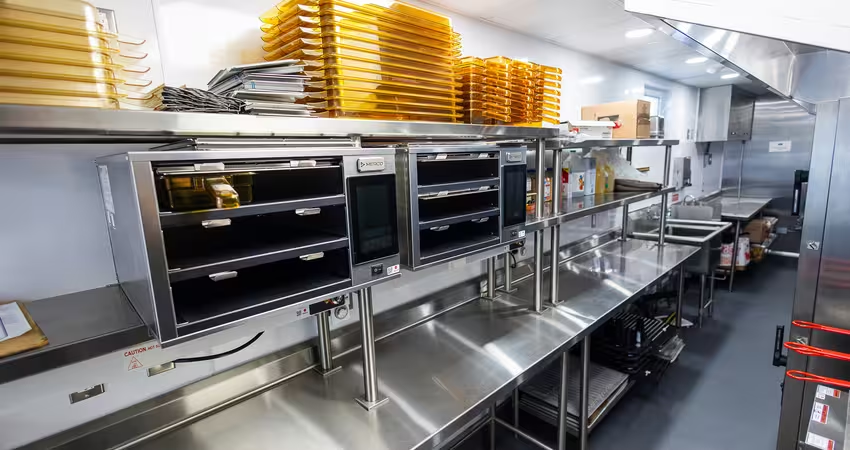
Fire departments utilize emergency response capabilities to feed incident command teams and evacuees during extended wildfire operations. FEMA mass care guidelines specify mobile kitchen requirements for disaster response scenarios.
Municipal governments rent mobile kitchens for planned facility renovations, community events, and emergency preparedness exercises. These operations often require compliance with multiple regulatory frameworks including health departments, fire marshals, and building inspectors.
Example: During Hurricane recovery operations, mobile kitchens can serve up to 10,000 meals per day from a single compound configuration.
Event and Entertainment Venues
Large-scale events create temporary demand for professional-grade kitchen facilities in locations without permanent infrastructure. Mobile kitchen users in this sector include music festivals, sporting events, and corporate gatherings.
Wedding venues and event spaces frequently rent event venue kitchen solutions to expand capacity during peak seasons or when permanent kitchens cannot handle increased volume. These applications often require elegant presentation and diverse menu capabilities.
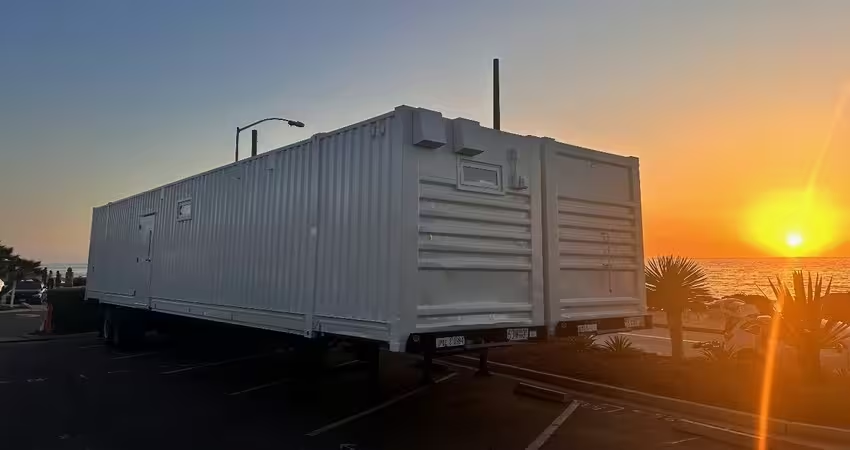
Theme parks and entertainment complexes deploy mobile kitchens for seasonal operations, special events, or when permanent facilities undergo maintenance. These installations must handle high-volume production while maintaining food quality standards across multiple service points.
Compliance Requirements Across User Types
All mobile kitchen users must ensure their temporary facilities meet local health, fire, and building codes. NFPA 96 ventilation standards govern hood and suppression systems regardless of the user type or application.
Health department inspections focus on food safety protocols, temperature control systems, and sanitation procedures that align with FDA Food Code requirements. Fire marshal approval typically covers ventilation clearances, suppression system functionality, and emergency egress routes.
Note: Building department permits may be required depending on utility connections, structural modifications, or site preparation requirements.
Financial Drivers Behind Mobile Kitchen Rentals
Understanding why different user types choose mobile kitchens helps predict demand patterns and optimal solutions. Revenue protection drives most hospitality decisions, while regulatory compliance motivates healthcare and education sectors.
Hotels and resorts can calculate mobile kitchen ROI by comparing rental costs against potential revenue losses from closed restaurants, cancelled events, and guest satisfaction impacts. The hidden costs of kitchen shutdowns often exceed mobile kitchen rental expenses by significant margins.
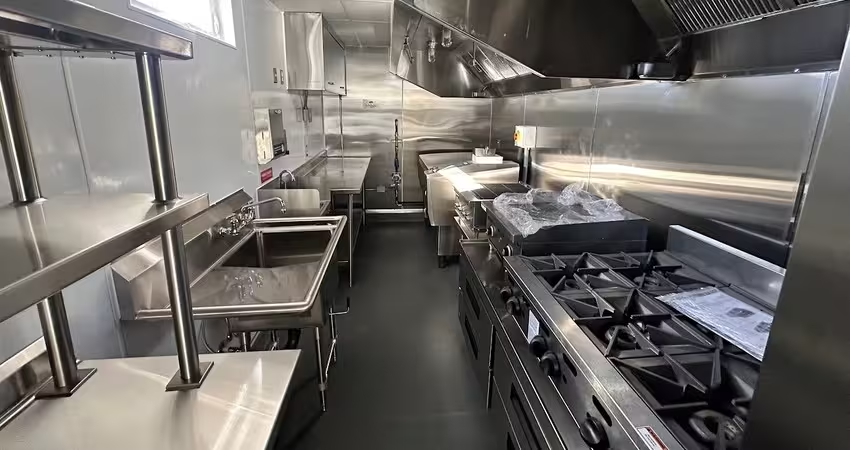
Emergency services focus on operational readiness and rapid response capabilities rather than traditional ROI calculations. These users prioritize reliable equipment, quick deployment, and compliance with government feeding protocols.
Selecting the Right Mobile Kitchen Configuration
Different user types require specific equipment packages and layout configurations. Understanding these needs helps operators specify appropriate mobile kitchen solutions for their applications.
High-volume users like universities and emergency services typically need multi-unit compounds with dedicated prep, cooking, and dishwashing areas. Luxury hospitality operations require sophisticated equipment packages that match their permanent kitchen capabilities.
Site constraints often determine feasible configurations more than user preferences. Mobile kitchen features and capabilities must align with available space, utility access, and local code requirements.
Tip: Early site assessment prevents deployment delays and ensures optimal equipment placement for operational efficiency.
People Also Ask (FAQ)
What types of hotels use mobile kitchens most frequently?
Luxury hotels, resorts, and boutique properties are the most frequent mobile kitchen users in the hospitality sector. These establishments require mobile kitchens during kitchen renovations, expansions, or seasonal capacity increases. Hotels and resorts choose mobile kitchens because they cannot afford to shut down food service without damaging guest satisfaction and revenue.
Do senior living communities commonly rent mobile kitchens?
Yes, senior living facilities frequently use mobile kitchens during kitchen renovations or expansions. These communities cannot interrupt meal service for residents who depend on regular dining schedules and nutritional programs. Senior living renovations require careful planning to maintain community operations while upgrading facilities.
What emergency services use mobile kitchen trailers?
Fire departments, emergency management agencies, and disaster relief organizations commonly deploy mobile kitchen trailers. These units provide mass feeding capabilities during natural disasters, wildfires, and emergency situations. Mobile kitchen trailers in wildfire response demonstrate how these units support first responders and evacuees during crisis situations.
Do private clubs and country clubs use mobile kitchen rentals?
Private clubs and country clubs are among the most common mobile kitchen users, especially during kitchen renovations or seasonal events. These exclusive venues cannot afford to close dining facilities without losing member satisfaction and revenue. Mobile kitchen rentals keep clubs' F&B operations running smoothly during construction projects.
Conclusion
Mobile kitchen users span diverse industries but share common needs for reliable, compliant temporary kitchen solutions. From luxury hospitality to emergency response, these operations cannot afford service interruptions during renovations, expansions, or crisis situations.
Ready to determine if mobile kitchen rental fits your operational requirements? Explore our comprehensive mobile kitchen rental solutions or discuss your specific project requirements with our team.

%20(1).avif)
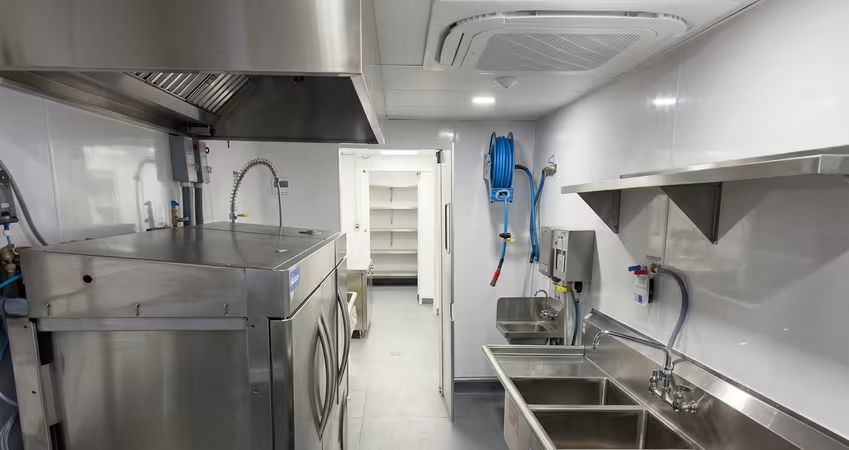
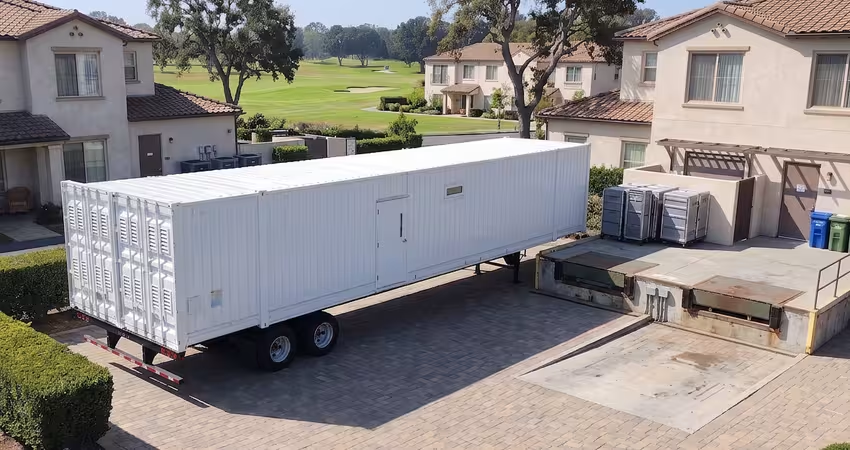
Testimonial
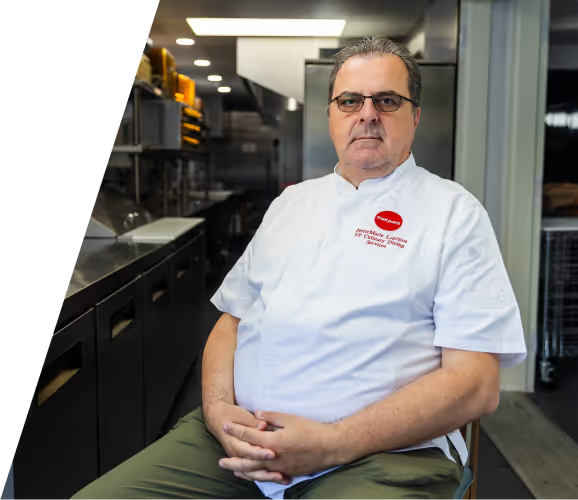
"What is standing out when you look at the mobile kitchen operation is the efficiency that we can really achieve because it's built for that."
Tell us about your kitchen needs and request a quote.
.png)
Turnkey mobile kitchen
Proudly made in-house in the USA
Commercial grade kitchen equipment
Code-compliant
Trusted by Industry Leaders