.gif)
A single oversight during a country club kitchen renovation can cost hundreds of thousands in delays, member dissatisfaction, and emergency fixes. While 73% of commercial kitchen renovations exceed their original timeline, country clubs face unique challenges that make kitchen trailer renovation mistakes particularly costly—from maintaining member dining expectations to navigating complex seasonal operations. The difference between a successful renovation and a financial disaster often comes down to avoiding five critical mistakes that we see repeatedly across the hospitality industry. This guide will walk you through these costly pitfalls and provide actionable strategies to ensure your country club kitchen renovation stays on track, on budget, and keeps your members satisfied throughout the process.
Mistake #1: Inadequate Planning for Member Service Continuity
The most devastating kitchen trailer renovation mistakes stem from treating temporary operations as an afterthought. Country clubs that assume they can "make do" with limited service during renovations often face cascading problems that far exceed construction costs.
Without proper temporary facilities, clubs experience:
- Cancelled weddings and tournaments generating immediate revenue loss
- Member defections to competing clubs offering full dining services
- Staff turnover from frustration with makeshift working conditions
- Emergency expenses for last-minute catering solutions
Example: A prestigious club attempted a six-month renovation using only their bar kitchen for food preparation. Within eight weeks, they had cancelled twelve weddings and lost an estimated $180,000 in banquet revenue alone.
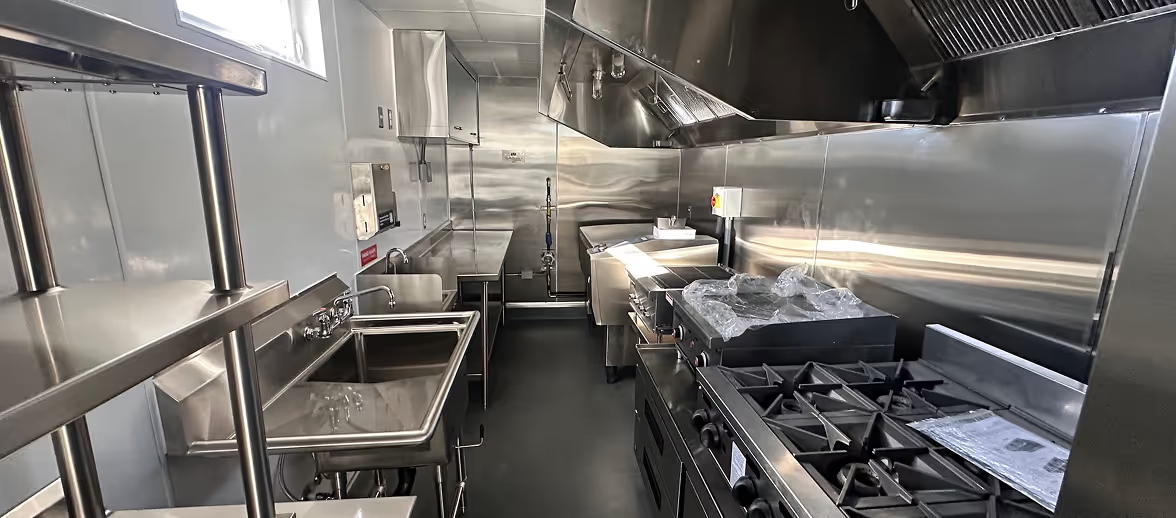
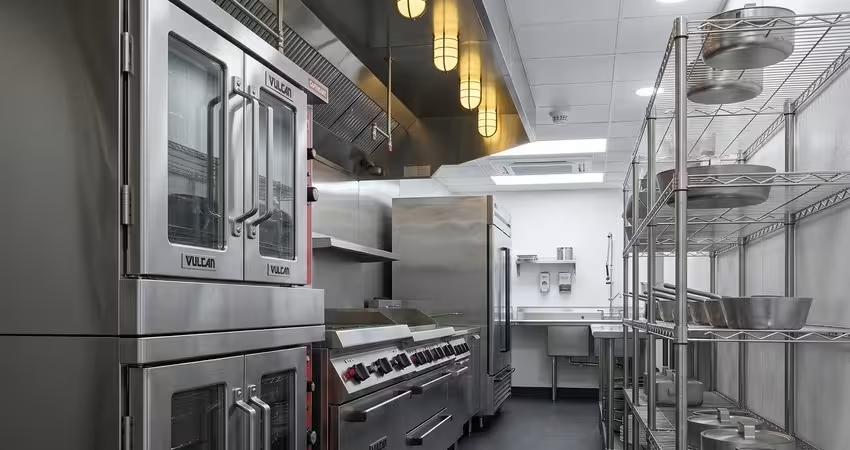
The solution requires professional mobile kitchen solutions that maintain full operational capacity. Modern mobile kitchens provide complete cooking lines, refrigeration, and prep areas that match permanent facility standards.
Tip: Begin temporary kitchen planning six months before demolition starts. This timeline ensures proper permitting, site preparation, and staff training on temporary equipment before your permanent kitchen goes offline.

Mistake #2: Underestimating Permit Requirements and Compliance
Permit delays represent the leading cause of renovation timeline extensions in commercial foodservice. Clubs frequently discover additional requirements after construction begins, creating costly delays and scope changes.
Common permit oversights include:
- Fire department approvals for new ventilation systems
- Health department inspections for layout modifications
- Building permits for structural changes
- Electrical permits for increased power loads
The FDA Food Code requirements establish minimum standards for commercial kitchen design, while NFPA 96 ventilation standards govern hood and exhaust systems. Failure to address these early creates expensive retrofits during construction.
Note: Many jurisdictions require separate permits for temporary kitchen facilities, even mobile units. This permitting process typically takes 4-6 weeks and must be completed before equipment delivery.
Understanding understanding renovation permit requirements prevents these costly surprises and keeps projects moving forward efficiently.
Mistake #3: Poor Timeline Coordination with Seasonal Operations
Country clubs operate on predictable seasonal patterns that renovation schedules must accommodate. Starting major construction during peak revenue periods compounds financial losses and member dissatisfaction.
Critical timing considerations:
- Golf season peaks requiring full dining service
- Wedding season blocks generating substantial revenue
- Holiday events with advanced bookings
- Tournament schedules attracting outside visitors
Successful clubs align construction phases with natural operational lulls. Even well-timed projects face delays from weather, supply chain disruptions, or unexpected structural issues.
The National Restaurant Association renovation guidelines recommend adding 25-30% buffer time to initial estimates. This accounts for permit delays, equipment lead times, and inspection schedules beyond contractor control.
Example: A club planned a 12-week renovation starting in January, expecting completion before spring events. Permit delays and equipment shipping issues extended the project to 18 weeks, requiring mobile kitchen service through peak wedding season.
Comparing renovation approach comparison helps determine whether phased construction or complete shutdown with temporary facilities best serves your operational needs.

Mistake #4: Inadequate Infrastructure Assessment
Beautiful equipment installations fail when underlying infrastructure cannot support modern commercial kitchen demands. Mechanical, electrical, and plumbing systems require comprehensive evaluation before design finalization.
Infrastructure bottlenecks include:
- Insufficient electrical capacity for high-powered equipment
- Inadequate ventilation for increased cooking volumes
- Outdated plumbing limiting dishwasher and prep sink operations
- Poor drainage creating sanitation and safety hazards
The NSF commercial kitchen standards establish equipment performance requirements that depend on proper utility support. Installing NSF-certified equipment on inadequate infrastructure creates operational failures and potential safety violations.
Workflow analysis must consider peak volume scenarios, not just average daily operations. Saturday night dinner service and tournament banquets stress kitchen systems far beyond typical loads.
Tip: Engage mechanical and electrical engineers during initial planning phases. Their assessments identify infrastructure limitations before equipment selection, preventing costly change orders during construction.
Learning from common commercial kitchen renovation mistakes helps avoid these predictable pitfalls that plague foodservice renovations across all segments.
.avif)
Mistake #5: Choosing Inadequate Temporary Kitchen Solutions
The most avoidable mistake involves attempting renovations without professional temporary facilities. Clubs that rely on makeshift arrangements consistently experience service failures, revenue losses, and member dissatisfaction.
Common inadequate solutions include:
- Converting banquet space with portable equipment
- Operating from bar areas with residential-grade appliances
- Relying entirely on external catering services
- Attempting "phantom kitchen" operations in unsuitable spaces
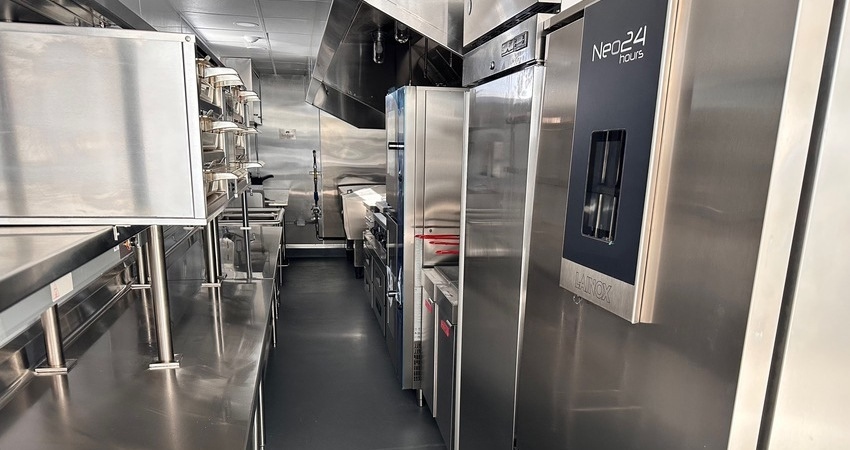
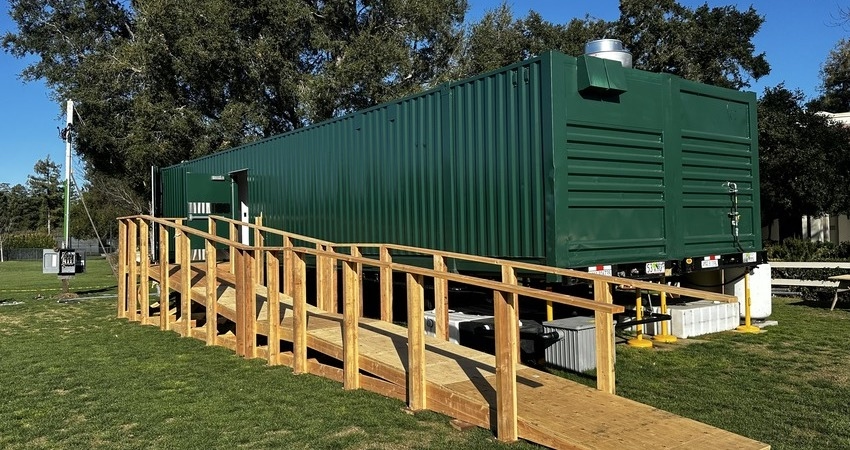
Professional mobile kitchen rentals for club renovations provide complete foodservice capabilities during construction. These units feature commercial-grade equipment, proper ventilation, and health department compliance.
Modern mobile kitchens support full menu operations including:
- À la carte dining service
- Banquet production for 150-650+ guests
- Tournament and event catering
- Poolside and outdoor venue support
Note: Purpose-built mobile kitchens differ significantly from food truck conversions or basic trailers. They provide the capacity, equipment, and compliance standards necessary for club-level operations.
Understanding hidden costs of kitchen shutdowns reveals how proper temporary facilities actually reduce total project costs by maintaining revenue streams and member satisfaction.
Strategic Benefits of Professional Mobile Kitchens
Quality mobile kitchen rentals transform renovation challenges into operational opportunities. Rather than surviving construction periods, clubs can maintain their reputation and revenue while upgrading permanent facilities.
Professional mobile kitchens provide:
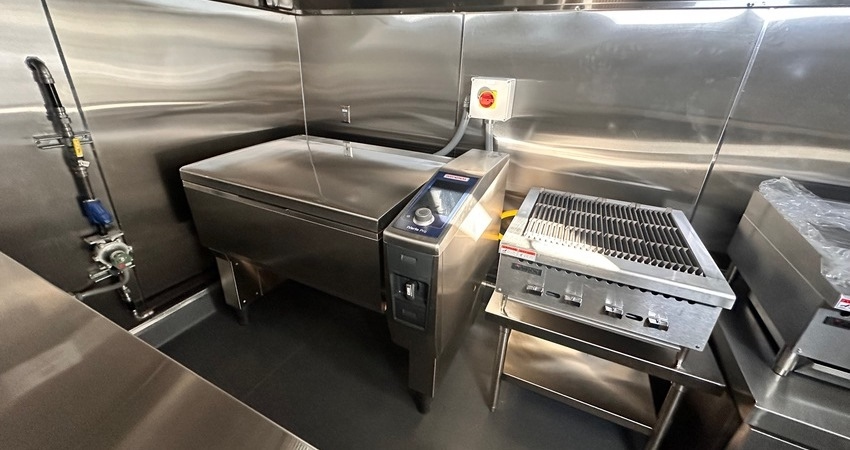
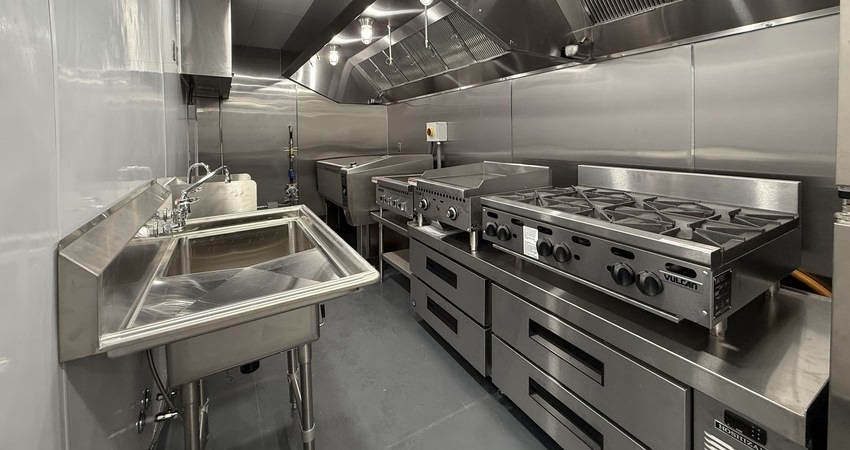
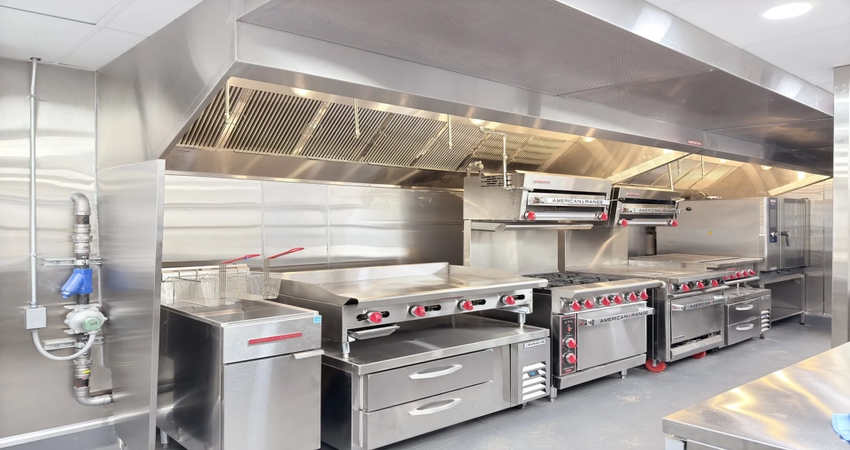
- Commercial-grade cooking equipment matching permanent kitchen capabilities
- Health department-approved layouts and ventilation systems
- Flexible configurations supporting diverse menu requirements
- Professional installation and utility connections
The American Hotel & Lodging Association resources emphasize maintaining service standards during facility improvements. Mobile kitchens enable clubs to uphold these standards while investing in long-term infrastructure upgrades.
Establishing realistic renovation timeline expectations includes planning for temporary facility duration. Most kitchen renovations require 16-24 weeks, making mobile kitchen rentals essential for maintaining operations throughout the entire construction period.
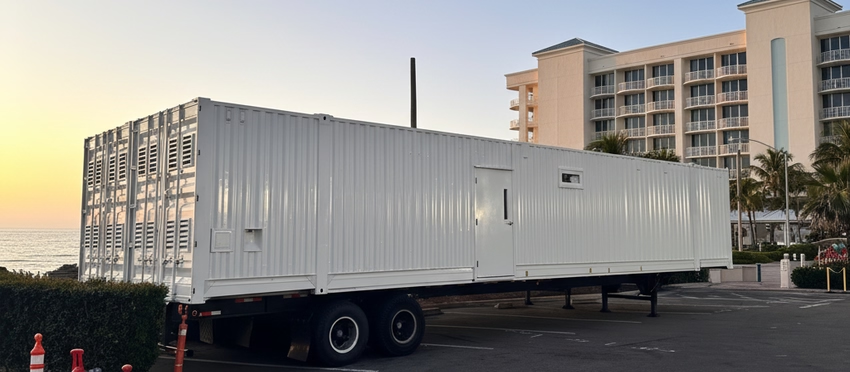
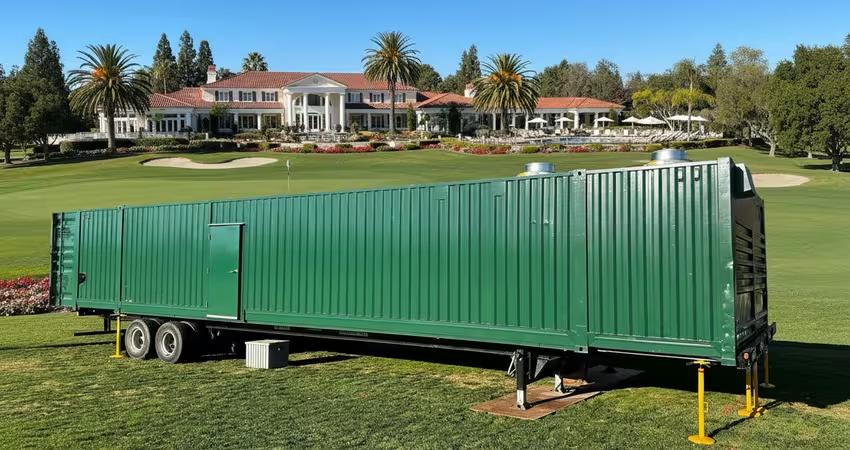
Example: A club using a 53-foot mobile kitchen maintained full wedding and tournament services during a five-month renovation. They preserved $320,000 in banquet revenue while completing necessary infrastructure upgrades without operational compromises.
Avoiding the Reactive Renovation Trap
Emergency renovations force poor decisions under extreme time pressure. Clubs that wait until equipment failures or code violations require immediate action lose negotiating power and strategic planning advantages.
Proactive renovation planning allows clubs to:
- Schedule construction during optimal seasonal windows
- Secure competitive contractor bids through advance planning
- Arrange professional temporary facilities before urgent needs arise
- Maintain member communication and expectation management
Recognizing signs your kitchen needs renovation enables strategic timing that minimizes disruption and maximizes operational benefits.
Understanding maintaining member satisfaction during kitchen renovations provides comprehensive strategies for preserving club reputation and member loyalty throughout construction projects.
People Also Ask (FAQ)
What are the most common mistakes when renovating a country club kitchen?
The most frequent kitchen trailer renovation mistakes include inadequate temporary kitchen planning, underestimating permit requirements, poor timeline coordination with peak seasons, and failing to maintain member service standards. Many country clubs also make the error of choosing the cheapest contractor rather than one experienced with hospitality operations. Understanding these common renovation mistakes can help you avoid costly delays and member dissatisfaction.
How can country clubs avoid disrupting member dining during kitchen renovations?
The key is implementing a comprehensive temporary foodservice solution before renovation begins. This typically involves renting a professional mobile kitchen that can maintain full menu capabilities while your permanent kitchen is under construction. Planning should begin 6-12 months in advance to secure proper equipment and permits. Proper planning strategies ensure seamless member service throughout the renovation period.
What permits are typically required for country club kitchen renovations?
Country club kitchen renovations typically require building permits, health department approvals, fire department clearances, and often special zoning permits depending on scope of work. Many clubs underestimate the time required to secure these permits, leading to significant delays. Electrical and plumbing permits are also commonly required for equipment upgrades. Understanding the full permit requirements is crucial for accurate timeline planning.
Should country clubs renovate their kitchen in phases or shut down completely?
For country clubs, a complete shutdown with temporary kitchen solution is usually more efficient and cost-effective than phased renovation. Phased approaches often double the timeline and create ongoing disruptions to member services. The decision depends on your club's seasonal patterns, member expectations, and available space for temporary operations. Comparing renovation approaches can help you determine the best strategy for your specific situation.
Conclusion
Successfully avoiding kitchen trailer renovation mistakes requires comprehensive planning that addresses temporary operations, permits, timing, infrastructure, and member service continuity. The most costly oversight involves attempting renovations without professional mobile kitchen support, leading to revenue losses that often exceed construction costs themselves.
Protect your club's reputation and financial performance by securing purpose-built mobile kitchen facilities or consulting with renovation specialists before beginning your project.

Testimonial

"What is standing out when you look at the mobile kitchen operation is the efficiency that we can really achieve because it's built for that."
Tell us about your kitchen needs and request a quote.
.png)
Turnkey mobile kitchen
Proudly made in-house in the USA
Commercial grade kitchen equipment
Code-compliant
Trusted by Industry Leaders