.gif)
Nearly 40% of event venues operate without fully equipped commercial kitchens, forcing event planners to navigate complex logistical challenges when catering high-end events. Whether it's a historic mansion, outdoor pavilion, or newly constructed venue that prioritized event space over kitchen infrastructure, the absence of proper food preparation facilities can severely limit catering options and compromise service quality. For venues hosting weddings, corporate galas, and premium events where food quality directly impacts guest satisfaction, a mobile kitchen rental event venue solution provides the only viable path to delivering restaurant-quality cuisine on-site. This guide examines why mobile kitchens have become the preferred solution for venues without kitchens and how they enable seamless event operations.
Why So Many Event Venues Lack Kitchen Infrastructure
Event venues without commercial kitchens represent a massive segment of the U. S. Hospitality market. These properties excel at creating memorable experiences but were never designed for commercial food production.
Property Types Most Affected
Several categories of event venues routinely operate without adequate kitchen facilities:
- Historic estates and landmark buildings with preservation restrictions
- Agricultural properties including wineries, farms, and ranch settings
- Converted industrial spaces like warehouses and manufacturing facilities
- Rooftop venues and outdoor pavilions with no enclosed preparation areas
- Art galleries and museums repurposed for private events
Note: These venues attract clients specifically because of their unique character and ambiance, not their culinary infrastructure. Adding a permanent kitchen often conflicts with the property's core appeal.
The High Cost of Operating Without Kitchen Capabilities
Venues lacking kitchen infrastructure face significant revenue limitations. According to National Restaurant Association industry data, food and beverage services generate 40-60% of total event revenue for full-service venues.
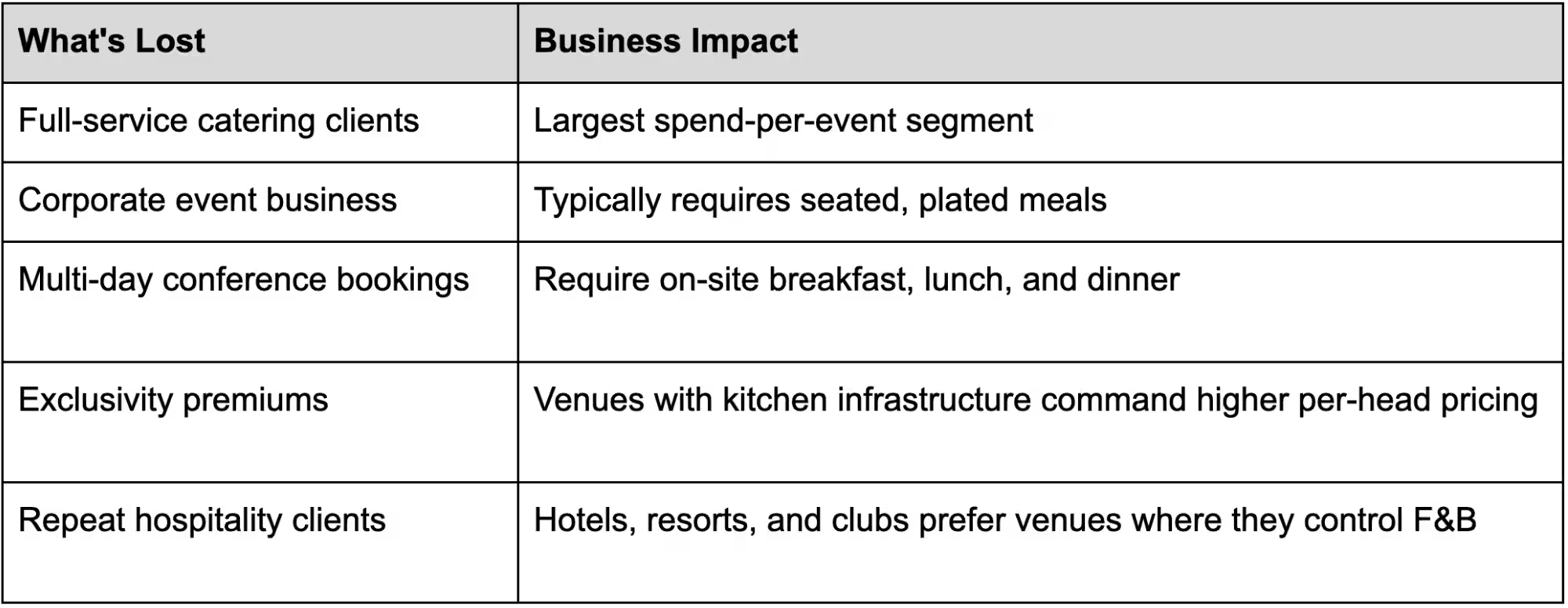
Without proper kitchen facilities, venues lose access to:
- Premium catering contracts requiring on-site preparation
- Corporate events with specific dietary restrictions and fresh food requirements
- Multi-day conferences needing varied, restaurant-quality meal services
- Wedding receptions where couples demand customized, freshly prepared menus
Common Workarounds and Their Critical Limitations
Most venues attempt to address their kitchen deficit through makeshift solutions. Each approach creates new operational challenges while compromising food quality and safety.
Caterer-Supplied Equipment Creates Service Bottlenecks
Many venues rely on caterers to bring portable cooking equipment for each event. This approach introduces multiple complications:
- Equipment setup and breakdown extend service windows by 3-4 hours per event
- Portable burners and chafing dishes cannot maintain consistent temperatures for multi-course service
- Limited electrical capacity restricts menu complexity and cooking techniques
- Equipment transportation increases catering costs by 20-30%
Tip: Caterer-supplied equipment rarely meets the professional standards required for events exceeding 100 guests or formal dining services.
Food Trucks Cannot Scale to Premium Events
Food trucks designed for street service lack the capacity and sophistication required for upscale event catering. Key limitations include:
- Maximum service capacity of 150-200 guests per truck
- Fixed menu configurations that cannot accommodate custom requests
- Limited refrigeration and storage for multi-course preparations
- Aesthetic mismatch with luxury venue environments
Off-Site Preparation Compromises Food Quality
Some venues mandate complete off-site food preparation to avoid kitchen infrastructure requirements. This approach severely impacts food quality through:
- Extended transport times that degrade temperature-sensitive dishes
- Food safety risks during transportation windows
- Limited menu options restricted to transport-friendly preparations
- Inability to execute à la minute cooking techniques
Example: A venue requiring off-site preparation cannot offer fresh pasta, properly seared proteins, or delicate sauce work that defines fine dining experiences.
Mobile Kitchen Rental Solves Infrastructure Challenges
Professional mobile kitchen rental solutions eliminate the compromises inherent in makeshift approaches while avoiding permanent construction costs.
Purpose-Built Commercial Kitchen Capabilities
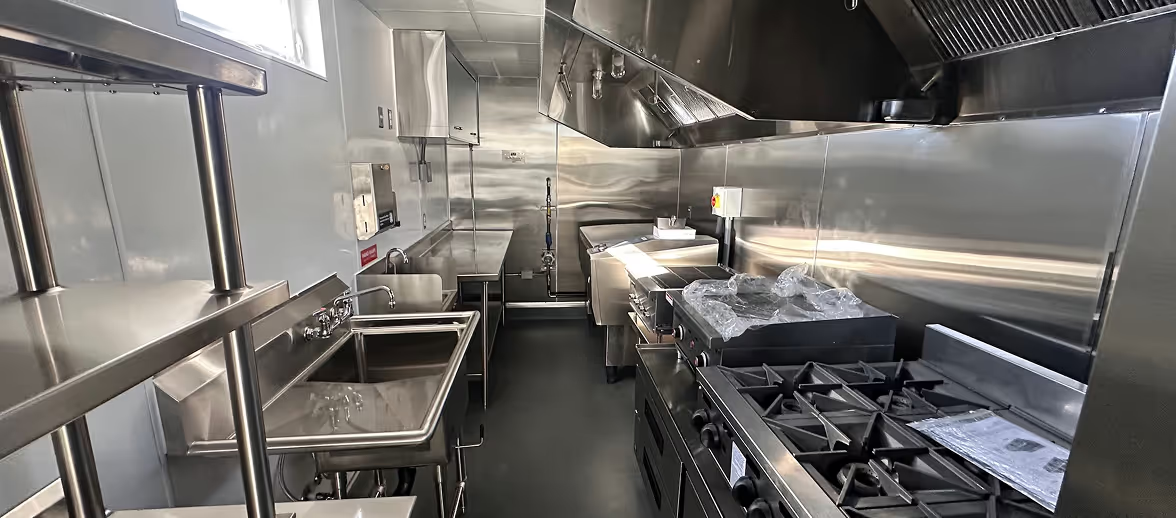
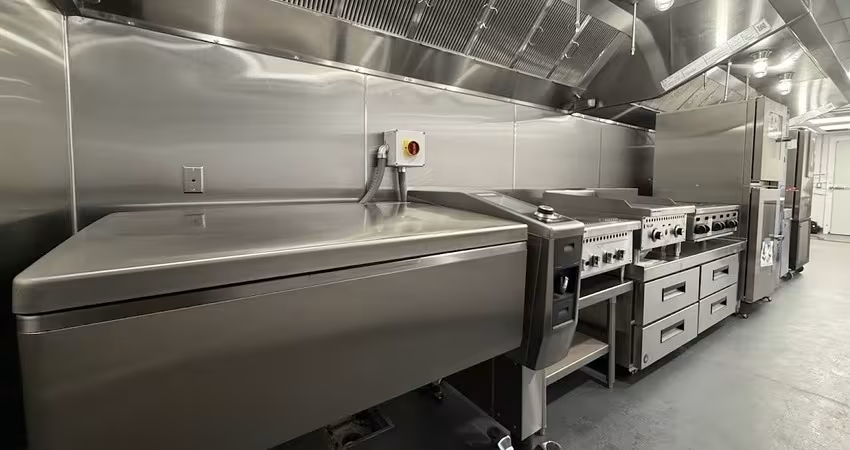
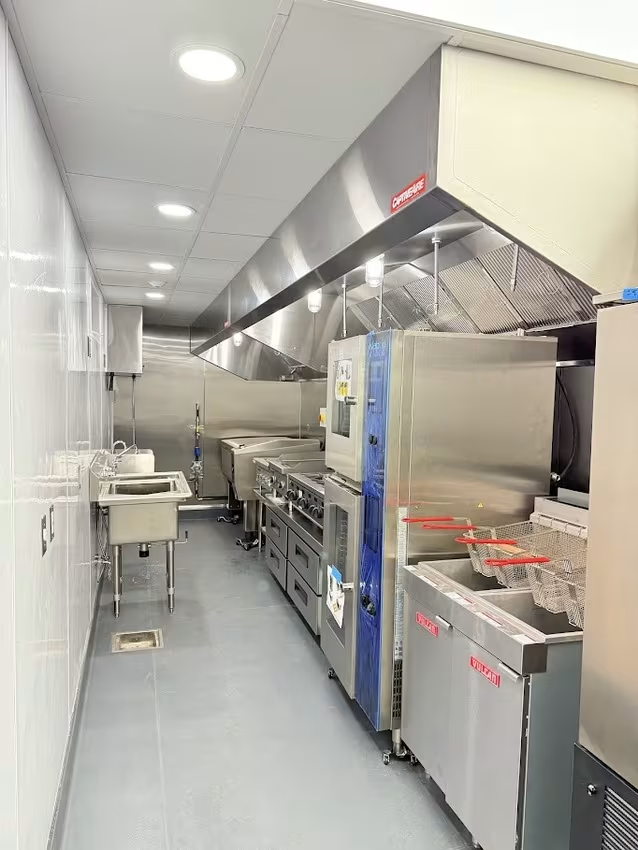
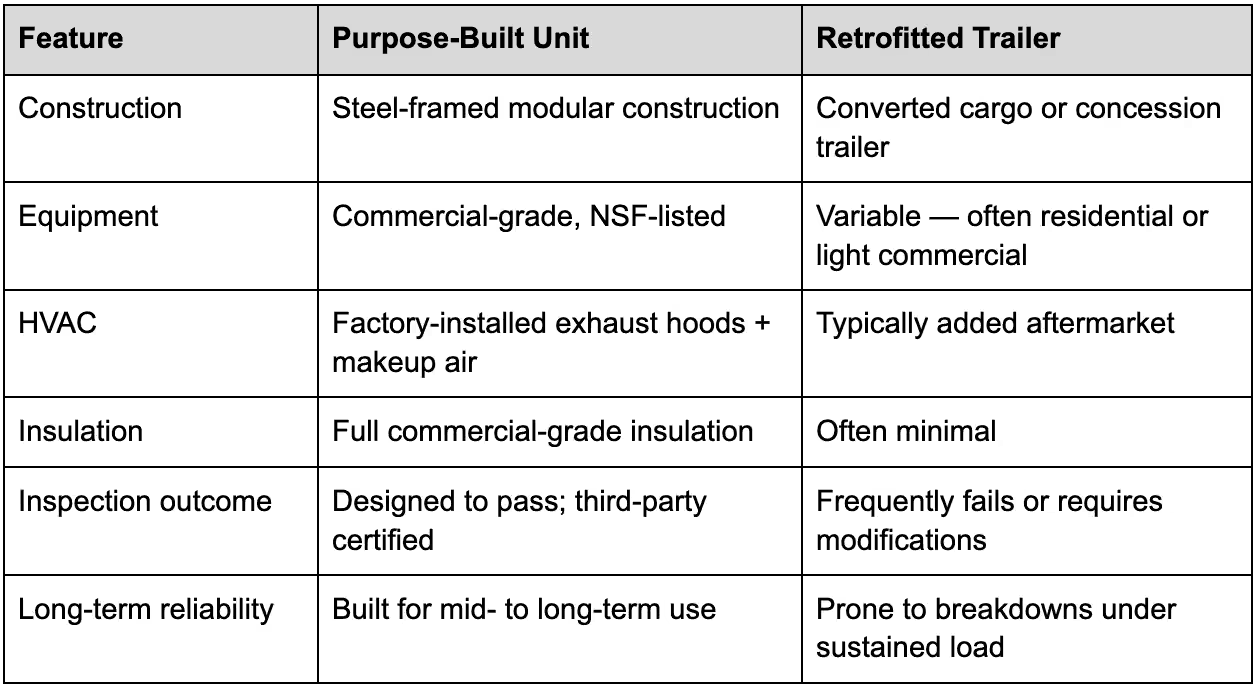
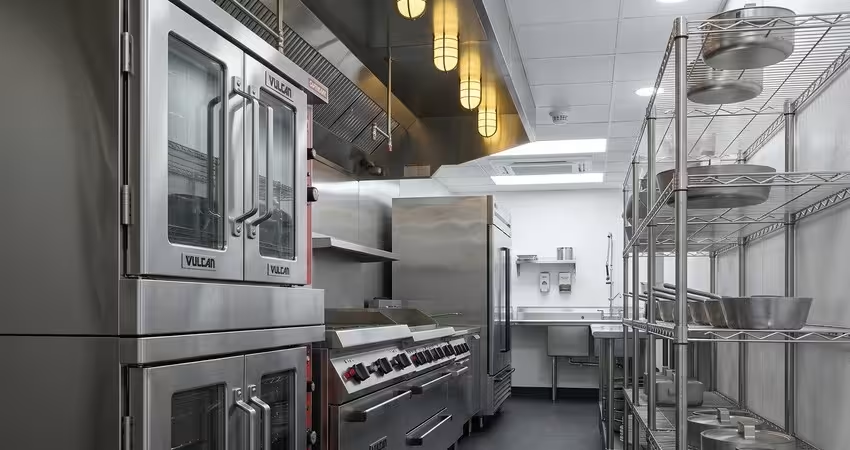
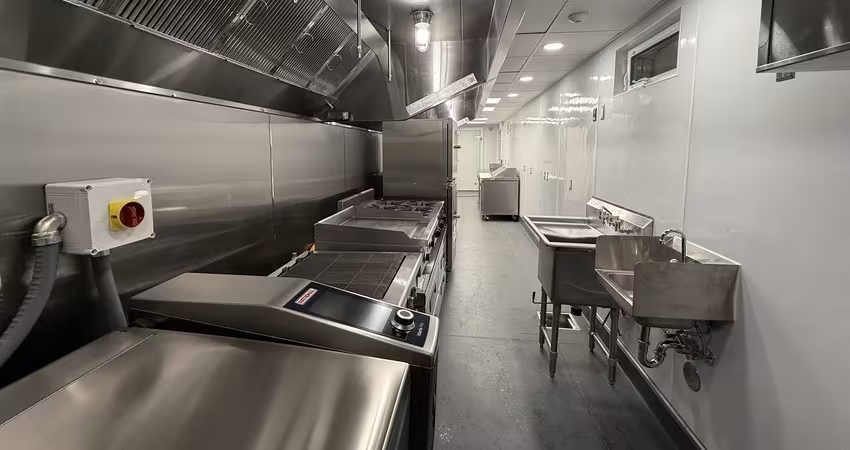
Unlike retrofitted trailers or temporary setups, purpose-built mobile kitchens provide full commercial food service capabilities. These units feature commercial foodservice equipment standards including:
- High-BTU commercial ranges and convection ovens
- Walk-in refrigeration and freezer compartments
- Integrated ventilation systems meeting NFPA 96 ventilation and fire protection standards
- Three-compartment sinks and handwashing stations
- Adequate prep space for complex menu execution
Note: Professional mobile kitchens undergo the same health department inspections and certifications required for permanent commercial kitchens.
Regulatory Compliance Built-In
Health departments require strict adherence to FDA Food Code guidelines for commercial food preparation. Mobile kitchens arrive pre-certified with all necessary documentation for permit approval.
Compliance features include:
- NSF-certified equipment throughout
- Integrated grease management systems
- Proper temperature monitoring and recording capabilities
- Hand-washing and sanitation stations meeting health code requirements

Operational Integration for Event Venues
Successful mobile kitchen rental implementation requires understanding utility requirements and operational workflows that support seamless event execution.
Essential Site Preparation Requirements
Venues must prepare three critical utility connections before mobile kitchen deployment. Mobile kitchen power requirements typically include:
- Three-phase electrical service with adequate amperage capacity
- Freshwater supply line with minimum 3/4-inch connection
- Wastewater disposal through grease trap or waste tank system
Most event venues with standard utility infrastructure can accommodate these connections without major modifications. Site preparation requirements focus on utility access rather than structural changes.
Workflow Integration with Existing Operations
Professional mobile kitchens support complex catering operations while integrating mobile kitchens into event operations seamlessly. Key operational advantages include:
- Dedicated prep space allowing advanced food preparation
- Multiple cooking stations enabling simultaneous menu execution
- Adequate storage for ingredients and finished dishes
- Professional ventilation preventing kitchen heat from affecting event spaces
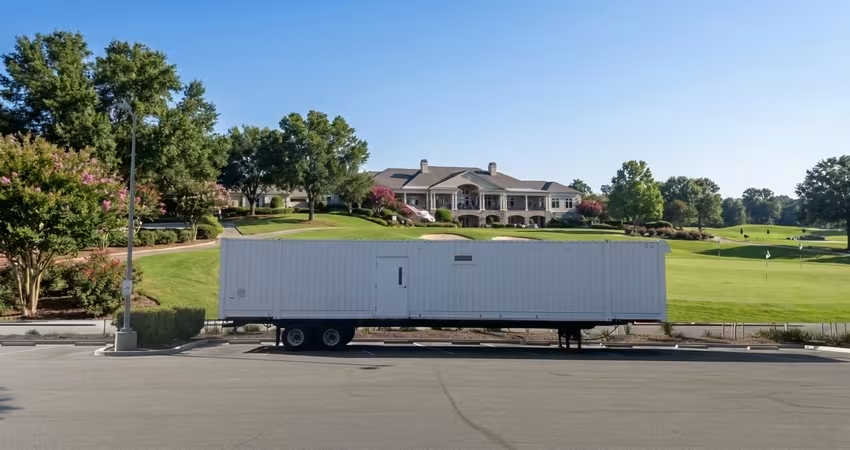
Tip: Position mobile kitchens within 100 feet of service areas to maintain optimal food temperature during plating and service.

Financial Analysis: Rental Versus Permanent Construction
For most event venues, mobile kitchen rental delivers superior economics compared to permanent kitchen construction or ongoing makeshift solutions.
Permanent Kitchen Construction Costs
Commercial kitchen construction involves substantial capital investment and ongoing operational costs:
- Initial construction: $200,000-$750,000 depending on size and complexity
- Permit and design costs: $15,000-$50,000
- Construction timeline: 8-18 months from planning to completion
- Annual maintenance and utilities: $25,000-$60,000
Note: Historic or architecturally protected venues may face construction restrictions that make permanent kitchen addition impossible regardless of budget.
Mobile Kitchen Rental Economics
Seasonal mobile kitchen rental provides full commercial capabilities at a fraction of permanent construction costs:
- Monthly rental rates: $8,000-$25,000 depending on unit size
- No construction permits or architectural modifications required
- Immediate deployment upon booking confirmation
- Scalable to actual event volume rather than peak capacity
For venues hosting 15-30 events annually, mobile kitchen rental typically costs 60-70% less than permanent construction over a five-year period.
Selecting the Right Mobile Kitchen Configuration
Event venue requirements vary significantly based on typical guest counts, menu complexity, and service styles. Understanding these factors ensures appropriate mobile kitchen specification.
Unit Size and Capacity Considerations
Mobile kitchen sizing should match venue event profiles rather than maximum possible capacity. Consider these guidelines:
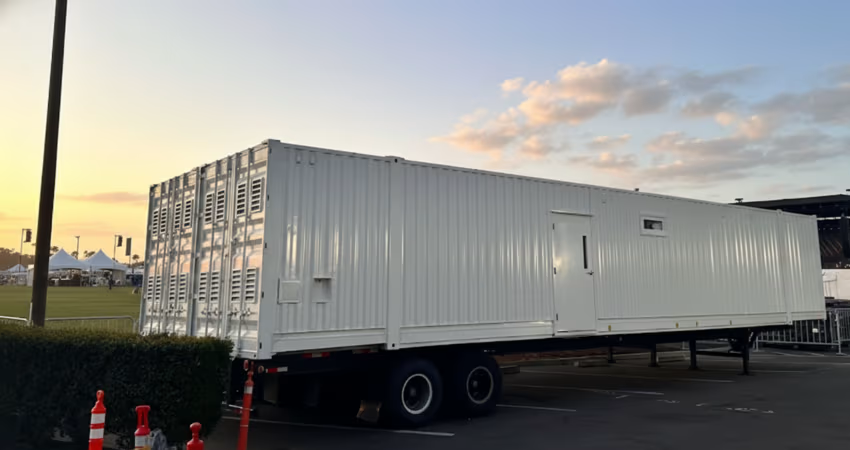
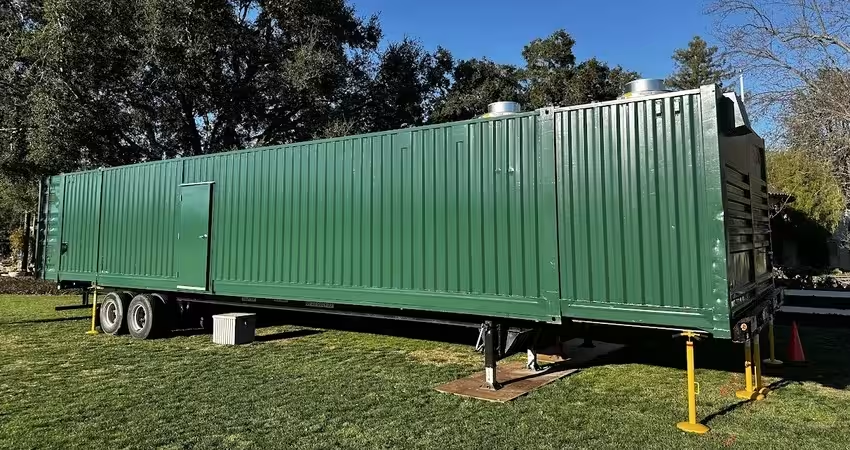
- 30-foot units: 50-150 guest events with simplified menu execution
- 40-foot units: 150-300 guest events with moderate menu complexity
- 53-foot units: 300+ guest events requiring full restaurant-style preparation
Example: A wedding venue regularly hosting 200-guest receptions with plated dinners requires 40-foot minimum capacity for adequate prep space and cooking equipment.
Equipment Configuration for Different Event Types
Venues should prioritize mobile kitchen features based on their typical catering requirements. Mobile kitchens for wedding venues often emphasize:
- Multiple oven capacity for simultaneous protein and side preparation
- Adequate refrigeration for wedding cake storage and decoration
- Sufficient prep space for garde manger and dessert stations
- Professional ventilation for extended service periods
Addressing Venue-Specific Challenges
Different venue types face unique operational challenges that mobile kitchen rental can address through proper planning and configuration.
Historic Venues and Preservation Requirements
Historic properties often cannot modify their structures for permanent kitchen installation. Mobile kitchens provide commercial food service capabilities while preserving architectural integrity. Key considerations include:
- Discrete placement to maintain aesthetic continuity
- Utility connections that avoid structural modifications
- Compliance with local preservation guidelines
- Temporary installation that leaves no permanent impact
Outdoor and Agricultural Venues
Farms, vineyards, and outdoor pavilions present unique infrastructure challenges addressed through mobile kitchen solutions:
- Water supply requirements for mobile kitchens can utilize existing irrigation systems
- Generator power options for remote locations without electrical service
- Weather protection systems for extended outdoor deployments
- Waste management solutions for properties without sewer connections
Mobile kitchens enable agricultural venues to offer sophisticated catering without compromising their rustic appeal or operational simplicity.
Implementation Best Practices
Successful mobile kitchen deployment requires advance planning and coordination between venue operators, rental providers, and catering teams.
Booking Timeline and Coordination
Event venues should establish mobile kitchen reservations well in advance of peak seasons. Optimal booking practices include:
- Seasonal contracts secured 8-12 weeks before deployment
- Site assessment completed 30 days before delivery
- Utility preparation finished 14 days before installation
- Final inspection scheduled 48 hours before first event
Note: Peak wedding and event seasons create high demand for quality mobile kitchens. Early booking ensures availability and allows adequate preparation time.
Staff Training and Safety Protocols
Venues must ensure their catering partners understand mobile kitchen operations and safety requirements. Essential training topics include:
- Emergency shutdown procedures for gas and electrical systems
- Proper ventilation system operation and maintenance
- Fire suppression system location and activation
- Health department compliance documentation and procedures
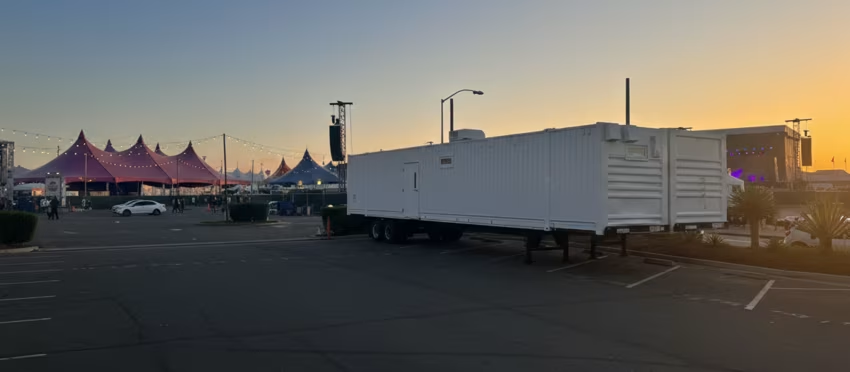
Comparing mobile kitchens versus catering tents clearly demonstrates the safety and operational advantages of purpose-built commercial kitchen facilities.
Modern event venues face increasing pressure to deliver exceptional culinary experiences while managing operational costs and compliance requirements. With evolving event venue dining expectations emphasizing fresh, high-quality food preparation, venues without kitchen infrastructure risk losing competitive positioning.
People Also Ask (FAQ)
Can event venues without kitchens still host catered events?
Yes, event venues without kitchens can successfully host catered events by renting mobile kitchens that provide full commercial food preparation capabilities. These purpose-built units enable caterers to prepare fresh, hot meals on-site rather than transporting pre-cooked food. Mobile kitchens maintain food safety standards while allowing venues to offer high-quality dining experiences without permanent kitchen infrastructure.
What's the difference between mobile kitchens and food trucks for events?
Mobile kitchens are stationary, fully-equipped commercial food preparation facilities designed specifically for event catering, while food trucks are mobile retail operations. Mobile kitchens offer significantly more cooking capacity, storage space, and professional equipment needed for large-scale event catering. Food trucks are better suited for casual outdoor events, whereas mobile kitchens support formal dining and high-volume food service.
How far in advance should venues book mobile kitchen rentals?
Event venues should book mobile kitchen rentals 6-12 weeks in advance, especially during peak wedding and event seasons. The booking process includes site assessment, permit coordination, and utility planning which require adequate lead time. Popular event dates fill quickly, and advance booking ensures proper planning for electrical connections, water supply, and local health department approvals.
Do mobile kitchens require special permits for event venues?
Yes, mobile kitchens typically require temporary food service permits and health department approvals when used at event venues. Permit requirements vary by jurisdiction but generally include food handler certifications and facility inspections. Professional mobile kitchen rental companies often assist with permit applications and ensure compliance with local health codes. Venues should coordinate with their rental provider and local authorities well before the event date.
Conclusion
Event venues without kitchen infrastructure no longer need to compromise on culinary capabilities or accept revenue limitations. Purpose-built mobile kitchens deliver commercial-grade food preparation facilities while eliminating the capital investment and construction timeline of permanent builds.
Explore comprehensive mobile kitchen rental solutions designed specifically for event venues or schedule a site assessment to determine the optimal configuration for your property.

Testimonial
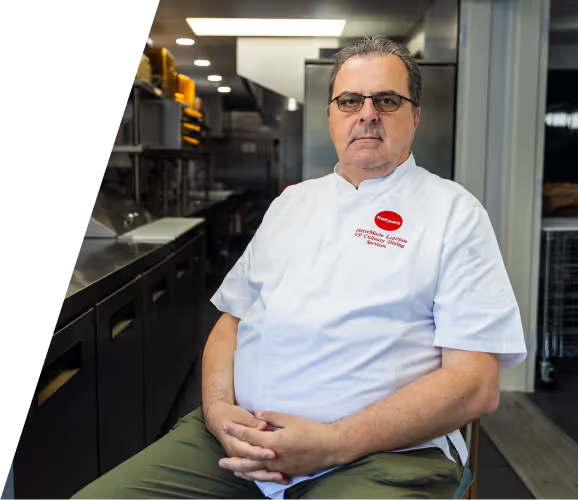
"What is standing out when you look at the mobile kitchen operation is the efficiency that we can really achieve because it's built for that."
Tell us about your kitchen needs and request a quote.
.png)
Turnkey mobile kitchen
Proudly made in-house in the USA
Commercial grade kitchen equipment
Code-compliant
Trusted by Industry Leaders