.gif)
When a resort hosts a 500-guest gala on its terrace, or a country club caters a three-day tournament, the food service infrastructure needs to match the output of a permanent commercial kitchen. Food trucks — designed for street corners and quick-service menus — aren't built for that.
This article breaks down the operational, financial, and compliance differences between a mobile kitchen rental for events and food trucks, and why hospitality professionals increasingly choose a commercial kitchen trailer over a fleet of trucks.
What Separates a Mobile Kitchen Rental from a Food Truck
Built for Production vs. Built for Street Service
A food truck is a self-propelled vehicle for direct-to-consumer street vending — compact (10–26 ft), optimized for a small crew and a limited menu served through a customer-facing window.
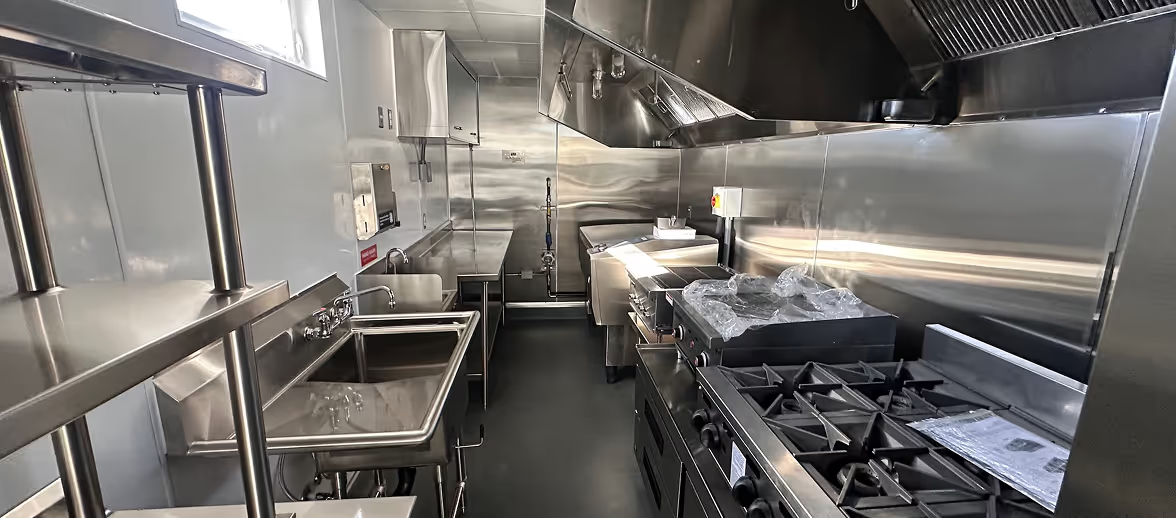
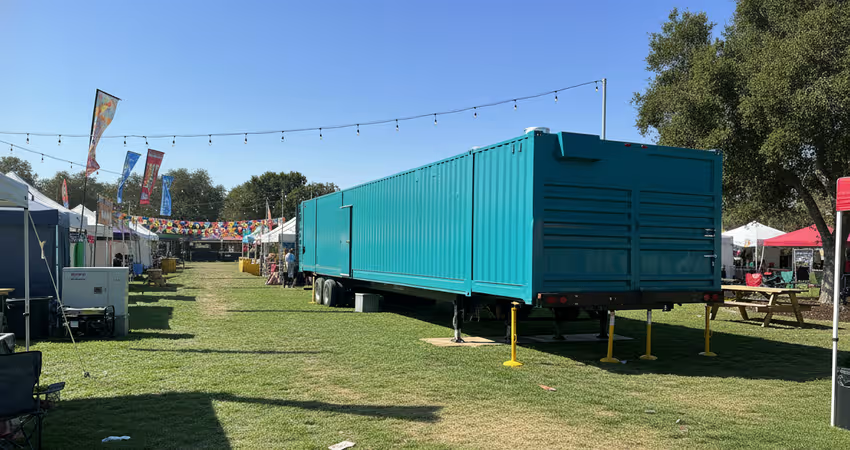
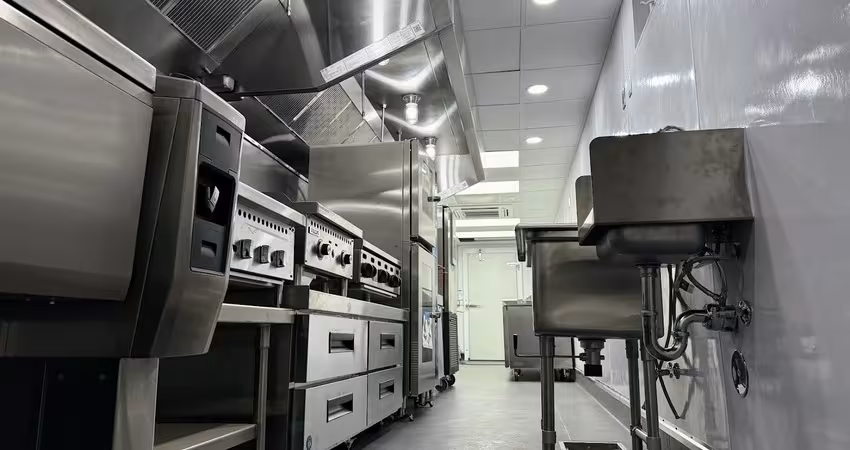
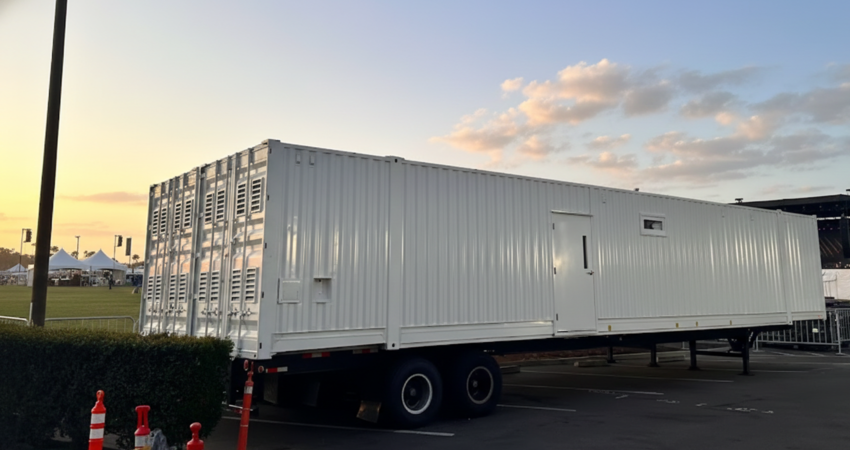
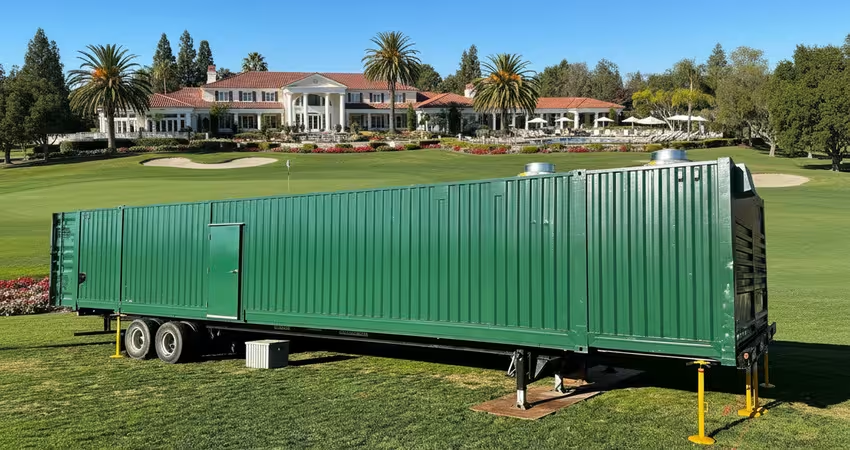
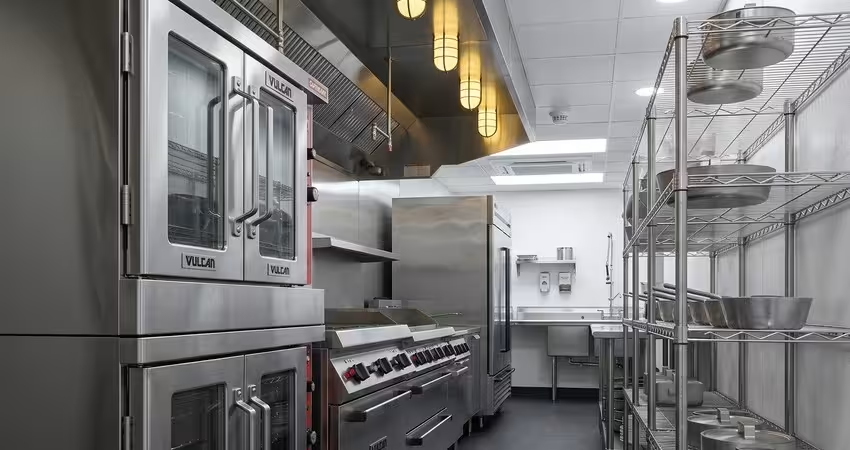
A mobile kitchen trailer is a towable, purpose-built commercial kitchen for stationary, high-volume production. Professional units range from 32 to 53 feet and are engineered with steel-framed modular construction, commercial-grade electrical systems, and NSF-certified plumbing — the same assemblies found in permanent kitchens.
Tip: If your event requires more than one food truck to meet guest volume, a single mobile kitchen trailer will almost always deliver better results at lower total cost.
Equipment, Space, and Storage Compared
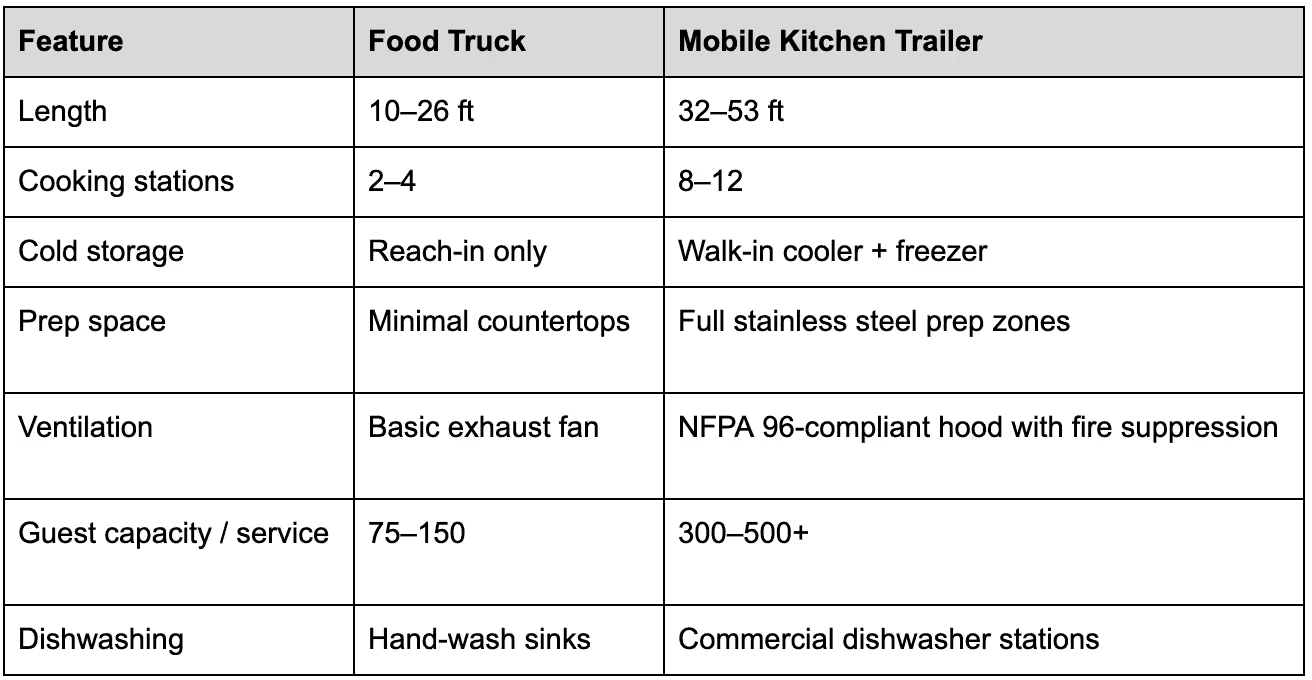
For full trailer specifications, see our guide to mobile kitchen trailer features and use cases.
Why Professional Events Demand More Than a Food Truck
High-Volume Output and Multi-Course Menus
A single food truck serves roughly 75–100 guests over two to three hours with a streamlined menu. A seated banquet for 300 guests with a four-course plated dinner and dietary accommodations requires an entirely different setup.
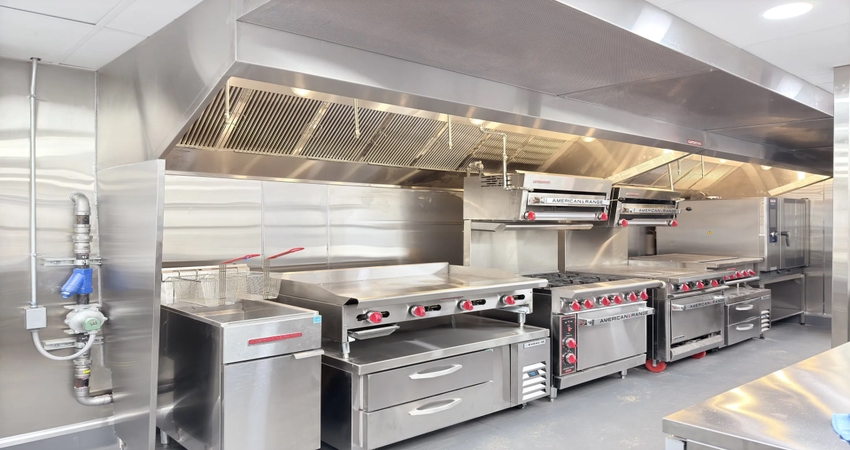
A properly equipped 53-foot mobile kitchen trailer — the kind used in a professional mobile kitchen rental for events — handles the same menu complexity and volume as a hotel's main kitchen.
Note: Multi-course events with diverse cooking methods (grilling, baking, sautéing, cold prep) require dedicated workflow zones that only a full-scale event kitchen rental can accommodate.
Health Code Compliance at Scale
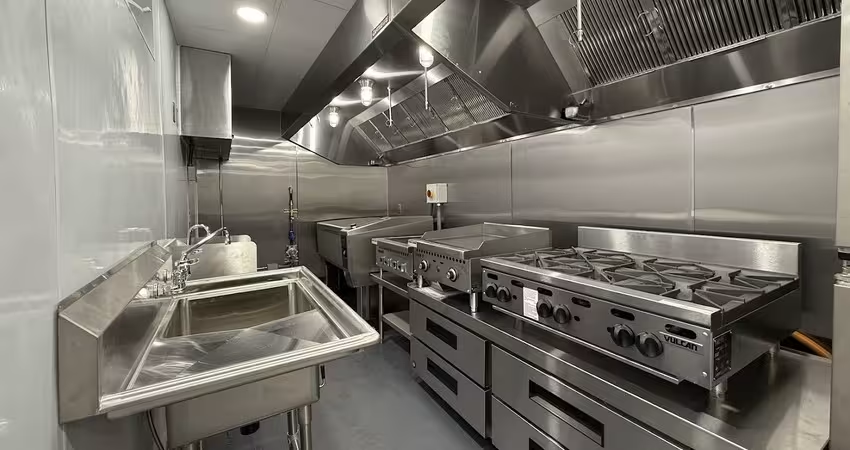
Every temporary food operation must comply with the FDA Food Code. Mobile kitchen trailers meet these requirements by design:
- NFPA 96 compliant exhaust hoods with fire suppression
- Three-compartment sinks and commercial dishwashing stations
- Grease traps and wastewater management systems
- Temperature-controlled storage meeting cold-holding requirements
Food trucks carry basic health permits, but their compact layouts often lack the fire suppression, dedicated sanitation stations, and storage capacity that larger event operations require.
For details on temporary kitchen permitting, read our guide on permits and licenses for temporary kitchens.
Staffing and Crew Comfort
A food truck's confined space (under 100 sq ft) forces staff into cramped positions with limited airflow. Mobile kitchen trailers provide full HVAC, non-slip flooring, adequate lighting, and ergonomic layouts — conditions that directly affect output quality during multi-day events with 12–16 hour shifts.
Where Event Kitchen Rentals Outperform
Corporate Galas and Seated Banquets
Formal events with plated service and synchronized courses demand dedicated stations for cold prep, hot line, sauce work, and plating. According to the American Hotel & Lodging Association, F&B operations represent a significant share of hotel revenue — when a property hosts events at venues without kitchen infrastructure, a mobile kitchen protects both revenue and brand reputation.
Multi-Day Festivals and Sporting Events
Mobile kitchens with walk-in coolers, freezers, and dry storage support multi-day operations without daily restocking runs — a logistical advantage food trucks cannot match. See our article on when and how events use mobile kitchens.
Seasonal Capacity Surges
Rather than turning away bookings during peak wedding and holiday seasons, venues deploy mobile kitchen trailers as overflow production space.
Note: A mobile kitchen trailer can be operational within days of delivery. Explore Mobile Culinaire's event kitchen solutions to see how this works in practice.
Cost Comparison: Mobile Kitchen Rental for Events vs. Food Truck
Food trucks typically charge $15–$35 per guest with a booking minimum. For a 200-guest event, that's $3,000–$7,000 per truck — but to match a mobile kitchen's output, most events need two or three trucks, doubling or tripling the cost.
Mobile kitchen trailer rentals range from $5,000 to $15,000+ per month. For multi-day events, the per-meal economics shift decisively in favor of a trailer.

Tip: For events lasting more than three days, request a total-cost comparison including delivery, setup, utilities, and permitting. A purpose-built mobile kitchen rental often costs less than multiple food truck bookings when all variables are included.
How to Choose the Right Solution
Evaluate your event against these criteria:
- Guest count: More than 150 guests? Plated or buffet service?
- Menu complexity: Multiple cooking methods or multi-course timing?
- Duration: More than one day?
- Infrastructure: Does the site have utility hookups?
- Brand standards: Must food quality match your permanent kitchen?
- Compliance: Does your venue require code-compliant, inspected kitchen facilities?
If you answered yes to three or more, a temporary kitchen for events built to commercial standards is the right choice.
When a Food Truck Still Makes Sense
Food trucks work well for casual lunches under 100 guests, street-food-themed activations where the truck is the attraction, or short events (under four hours) with walk-up service. If the truck is the experience, it fits. If it's the infrastructure behind a professional dining event, it doesn't.
Conclusion
For professional events where guest experience and operational reliability are non-negotiable, a mobile kitchen rental for events delivers what food trucks cannot: commercial-grade capacity, full compliance, and the space for culinary teams to execute at the level their guests expect.
Planning a professional event that demands seamless food service? Explore Mobile Culinaire's purpose-built mobile kitchen rentals, or contact our team to discuss your requirements.
People Also Ask (FAQ)
Can a mobile kitchen be used for large events?
Yes. Commercial trailers prepare 300–500+ meals per service with full-size ranges, walk-in refrigeration, and NFPA 96-compliant ventilation — suitable for galas, festivals, and multi-day events. Multiple trailers can also be deployed together to significantly increase total production capacity.
What is the difference between a mobile kitchen and a food truck?
A food truck is a self-propelled vehicle for street vending. A mobile kitchen trailer is a towable commercial kitchen for high-volume stationary production, with up to 53 feet of length, NSF-certified equipment, and full code compliance.
How much does it cost to rent a mobile kitchen for an event?
Rentals range from $5,000 to $50,000+ per month depending on size and configuration. Per-meal costs are often lower than food trucks for high-volume events.

Testimonial
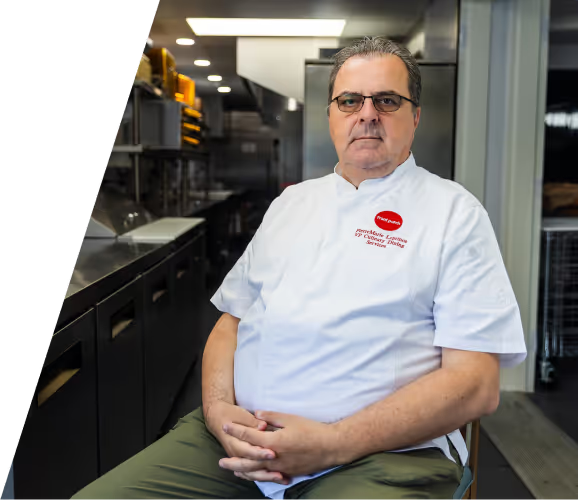
"What is standing out when you look at the mobile kitchen operation is the efficiency that we can really achieve because it's built for that."
Tell us about your kitchen needs and request a quote.
.png)
Turnkey mobile kitchen
Proudly made in-house in the USA
Commercial grade kitchen equipment
Code-compliant
Trusted by Industry Leaders