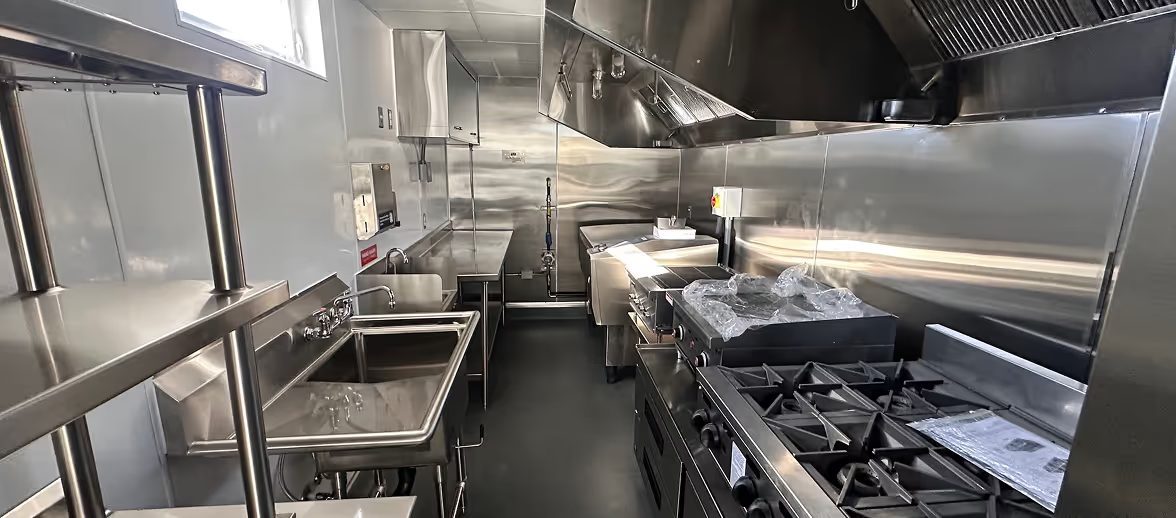
CapEx versus OpEx is the distinction between capital expenditure (buying an asset that sits on the balance sheet) and operating expenditure (paying for capability as an operating cost). For kitchen infrastructure, the question is settled by duration: a permanent need justifies a permanent asset; a finite need is an OpEx problem.
Temporary kitchen needs are finite by definition. A renovation window, a construction camp, a seasonal peak: each has an end date, after which owned temporary infrastructure becomes a disposal problem, a used trailer to store, sell, or write off. Renting matches the cost curve to the need exactly (predictable monthly cost through the window, zero after) and keeps capital free for the project that caused the need in the first place, typically the renovation itself.
The OpEx framing also simplifies the approval conversation: a rental with a defined term and predictable cost is an operating line item in a project budget, not a capital request competing with the renovation it supports. On construction projects, it often passes through as a temporary-facilities provision in the project's own budget.
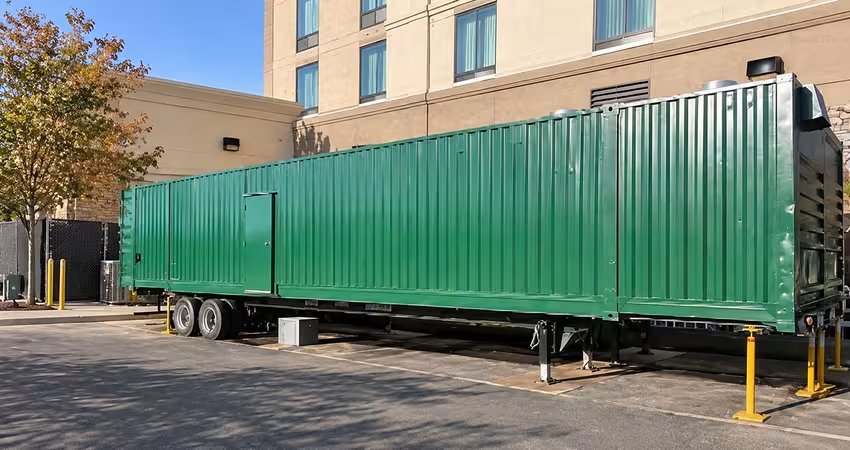
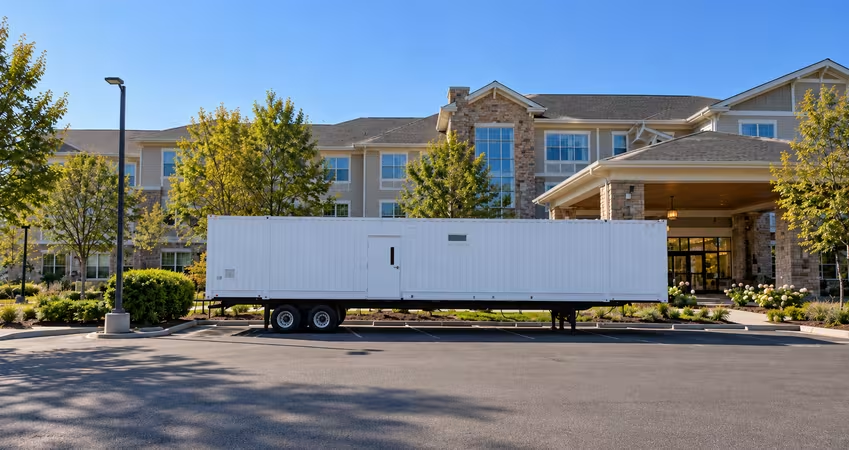
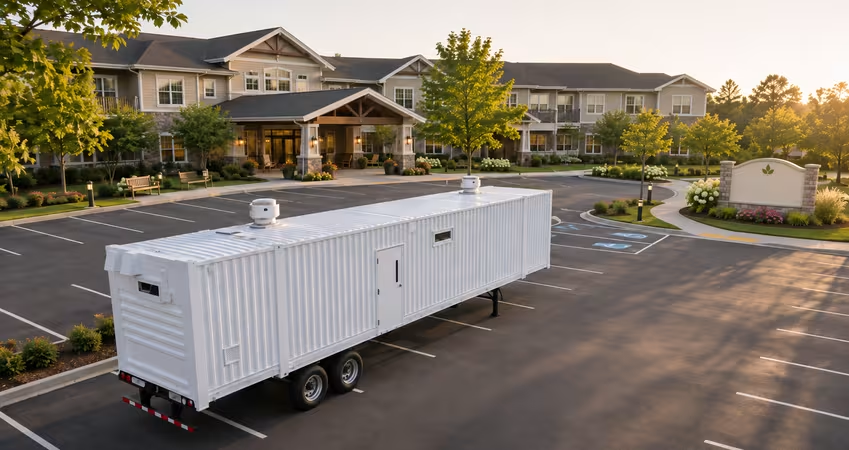
Tell us about your kitchen needs and request a quote.

Turnkey mobile kitchen
Proudly made in-house in the USA
Commercial grade kitchen equipment
Code-compliant
Trusted by Industry Leaders