Bid stage is the last point in a project where a temporary kitchen's cost can still land on somebody's budget. Miss it, and the only way back in is a change order, on somebody's margin, somebody's goodwill, or both. For most CM-at-risk and GC/CM contracts, recommending temporary facilities during phasing isn't even optional: it's written into the agreement.
Here's the sequence that gets a temporary kitchen priced at bid instead of discovered after buyout.
What It Means to Carry a Temporary Kitchen in the Phasing Plan
"Carried at bid" means the kitchen is a priced line item in the bid package before the contract is signed, not a request that surfaces once construction is underway.
Three things need to be settled before buyout: who's paying for it, what it actually costs to price, and who owns what once it's running on site.
What You Need Before You Can Price It
Pull these four items from the vendor early enough to put a number on them.
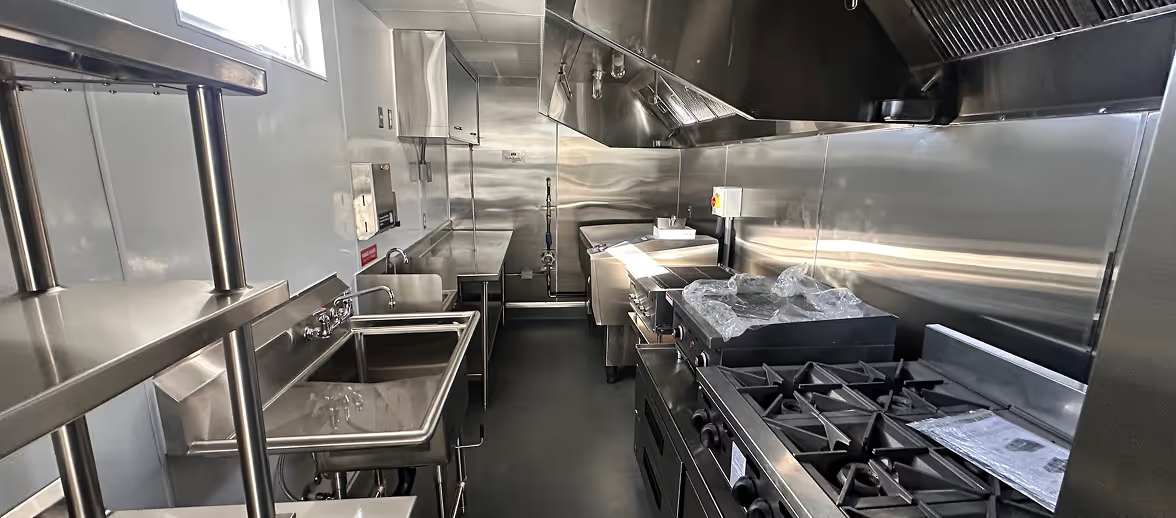
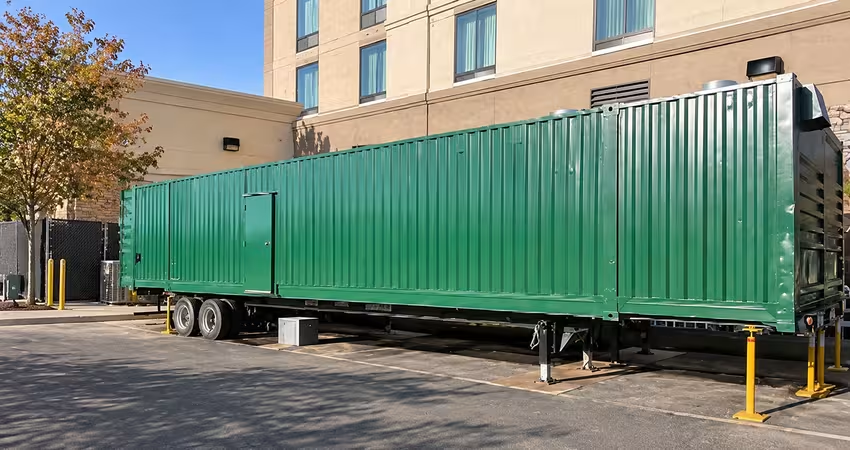
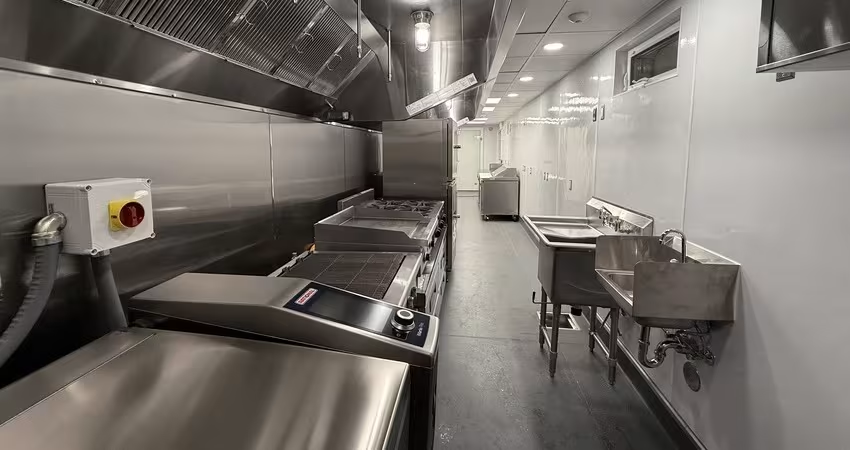
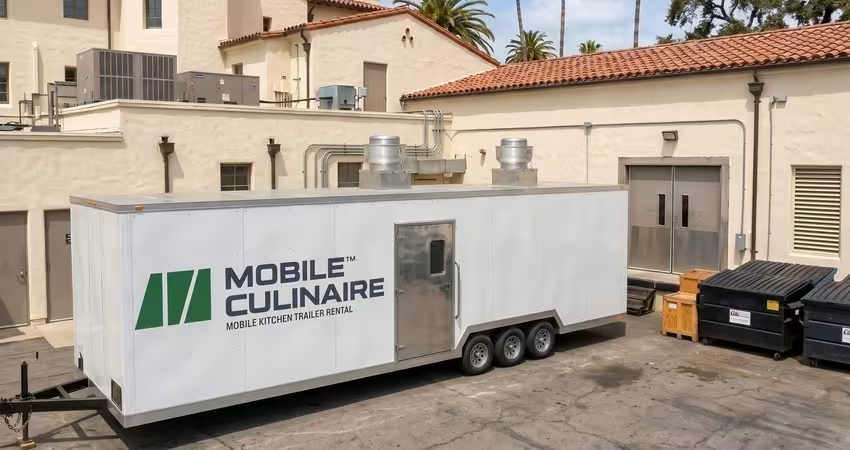
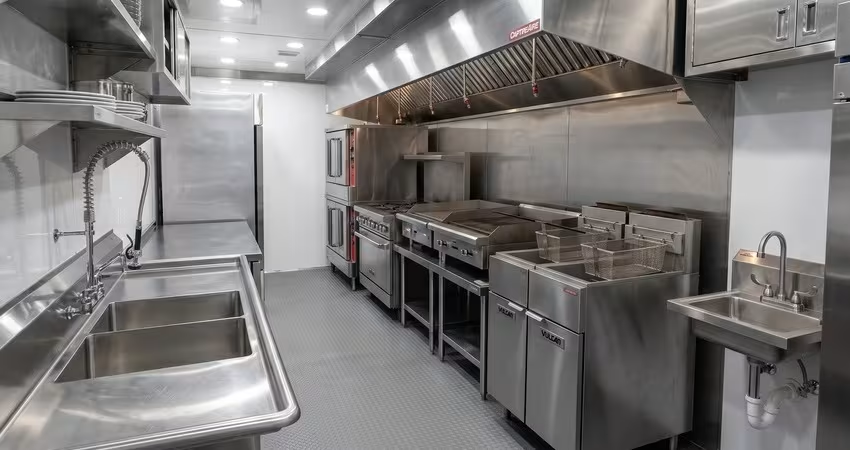
- Connection and site-prep envelope. Electrical, plumbing and gas connections arrive pre-installed on the unit itself, so what you're actually pricing is the power, water, gas and waste brought to it, plus a grease trap if the menu calls for one, and any decks or ramps.
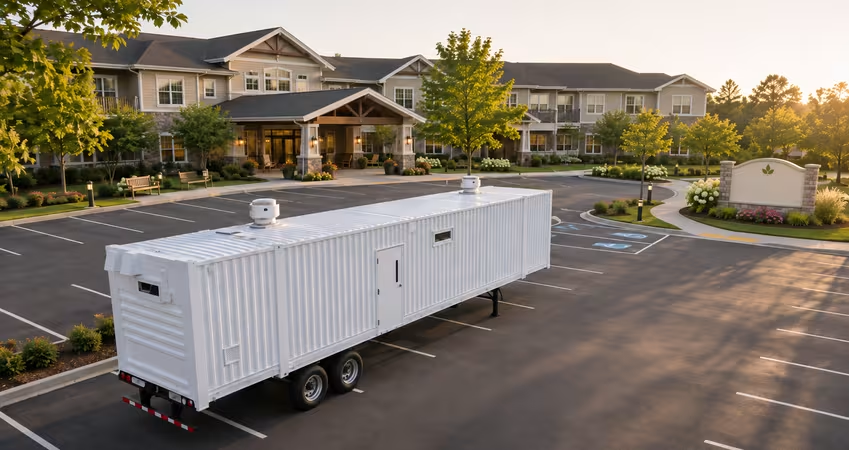
- Model and footprint sized to the menu. Four configurations run from 256 to 1,350 square feet and 150 to 1,500 meals a day. Sizing comes from headcount and menu complexity, not a guess off a brochure.
- The canonical timeline. Four phases, and permitting is the one that moves the schedule (see table below).
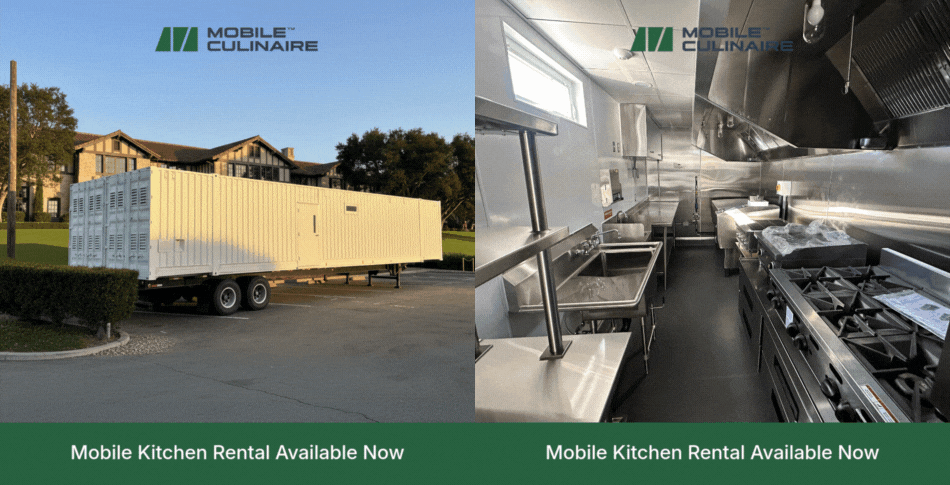
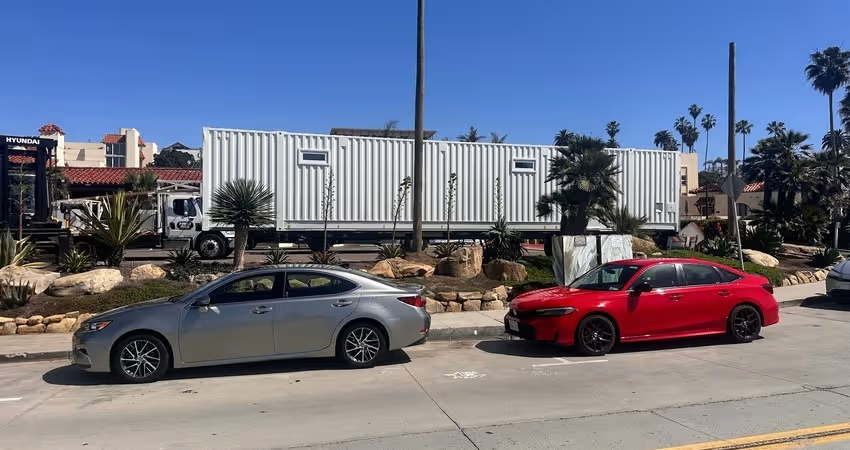
- Code-compliant, third-party-inspected units. A California-compliant deployment is already in service: Menlo Circus Club ran a full menu across 900 square feet for five months, connected to a grease trap, with no shortcuts on the inspection.

Note: Permitting is the client's to run, not the vendor's. Whichever side ends up signing the lease owns that step and the inspection that follows, and that split doesn't move depending on who's paying.
The Steps, In Order
1. Confirm who signs
On a temporary kitchen tied to a GC, this varies by project: sometimes the GC signs the lease themselves, sometimes the facility owner does. Settle it before you price anything else, or the cost lands on the wrong budget and the permit lands on the wrong desk. (For the full breakdown of what changes once that's decided, see Who Owns the Permit When the GC Signs the Lease.)
2. Size the footprint to the operator's menu
Loop in the operator's F&B lead early so the model and meal-count assumptions are theirs, not a guess.
3. Get the connection and site-prep envelope, with the timeline, in writing
This is what actually gets priced at bid, not the rental rate. The full connection and site-prep checklist breaks out every line item.
4. Carry it as a Division 1 general-conditions line
General conditions can run 10 percent or more of total project cost depending on site logistics and complexity, so a temporary kitchen is a normal addition to that line, not an exception to it.
5. Put the phasing recommendation on record
Standard CM/GC and CM-at-risk agreements already require the Construction Manager to recommend project phasing to the owner, explicitly including provisions for temporary facilities for the Work. If you're on one of these contracts, this step is contractual, not optional; cite it in the phasing memo. These delivery methods exist in part for exactly this situation: GC/CM is selected for projects with complex phasing or construction at an occupied facility that must keep operating.
6. Lock it into the bid package before buyout
After buyout, this same scope is a change order instead of a line item, with the schedule risk and the owner conversation that come with one.
Tip: Get the connection requirements and footprint options in hand before the phasing plan is drafted, not after. Bid stage is the only point this is still a line item instead of a change order.
What "Done" Looks Like at Bid
A temporary kitchen is carried at bid when three things are true at once: the connection envelope and timeline are priced into the bid, the phasing recommendation naming it is on record with the owner, and it's settled whether the GC or the owner signs the lease. Anything short of that is still a change order waiting to happen.
Common Mistakes
- Treating site-prep pricing as the vendor's problem. The unit arrives with its connections pre-installed; the GC still prices bringing sources to it.
- Confusing a referral with a re-billed contract. If the GC signs the lease and passes the cost through general conditions, that's the GC's own contract, not a referral arrangement, and not a fee owed to anyone.
- Assuming the vendor owns the permit. They don't. Whoever signs the lease applies for it and owns the inspection that follows.
- Compressing the full timeline into "one week." One week describes delivery and installation only; permitting alone can run up to six.
Get the Numbers Before the Phasing Plan Is Drafted
Request the connection specs and footprint sizing for your project while there's still time to put them in the bid.
People Also Ask (FAQ)
Does carrying a temporary kitchen at bid cost the GC anything upfront?
It depends on who signs. If the GC signs the lease, the first month's payment is due at agreement, and the rental sits in their general-conditions budget. If the owner signs, the GC's job is pricing the connection envelope into the bid, not fronting the lease.
Is recommending a temporary kitchen actually required on a CM/GC contract, or just good practice?
On standard Construction Manager and CM-at-risk agreements, it's contractual: the Construction Manager is required to recommend project phasing and work prioritization to the owner, with provisions for temporary facilities named specifically. Confirm the exact clause in your own agreement; language varies by contract form.
Who decides the model and footprint, the GC or the operator?
The operator's menu and headcount drive it. The GC's job at bid stage is getting that sizing conversation started early enough that the footprint is locked before the number has to go in the bid, not deciding it unilaterally.

Testimonial

"What is standing out when you look at the mobile kitchen operation is the efficiency that we can really achieve because it's built for that."
Tell us about your kitchen needs and request a quote.

Turnkey mobile kitchen
Proudly made in-house in the USA
Commercial grade kitchen equipment
Code-compliant
Trusted by Industry Leaders