.gif)
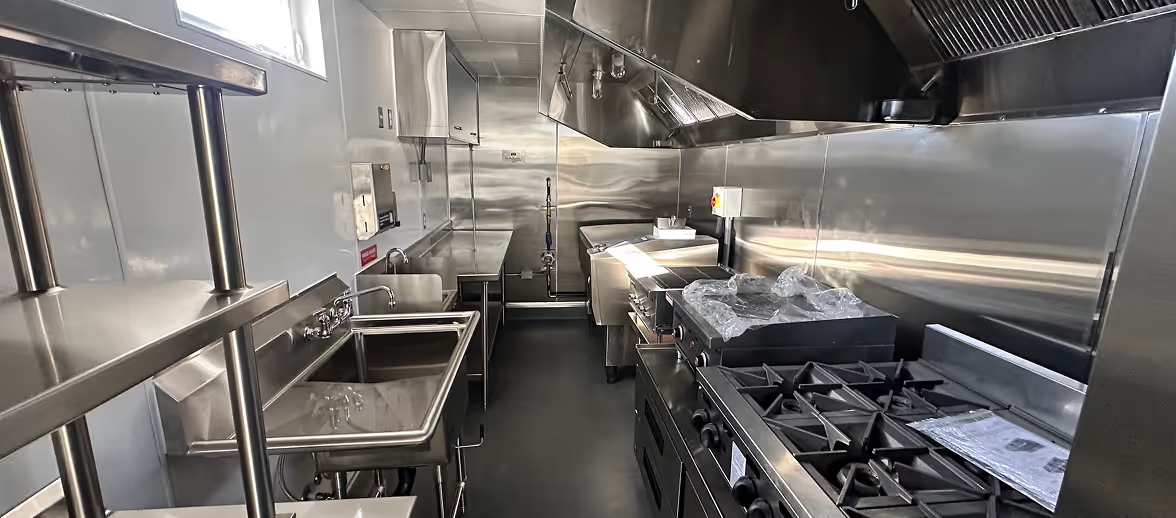
It's 10 a.m. at a hardstand load-in. The generator is humming, the water trailer is staged, and the venue's mechanical engineer is asking about make-up air for an exhaust hood that vents under the catering tent. Service starts at 6 p.m. — eight hours away. The problem isn't any single system failing. It's that the power, plumbing, and ventilation were sourced by three different vendors and nobody integrated them against the actual site.
That is the recurring story behind missed event launches, and it's why mobile kitchen MEP requirements deserve to be planned as one package, not three. This guide walks event operators through the mechanical, electrical, and plumbing decisions that determine whether a mobile kitchen actually runs on site — and the site assessment work that has to happen before a venue is confirmed.
What MEP Means for a Mobile Kitchen at an Event
MEP stands for Mechanical, Electrical, and Plumbing — the three building-system disciplines that govern how a commercial kitchen breathes, draws power, and moves water. In a permanent facility, MEP is engineered into the structure. In an event deployment, MEP becomes a portable problem: the kitchen brings its own systems, the venue supplies hookups (or doesn't), and the operator has to bridge the gap.
Why Event Deployments Are a Different Planning Problem
A long-term renovation has one building, one engineer, one permit cycle. An event deployment has:
- A venue the operator may have never worked
- Utility availability that varies by location on the site
- A compressed timeline measured in hours, not weeks
- Multiple jurisdictions if the event tours
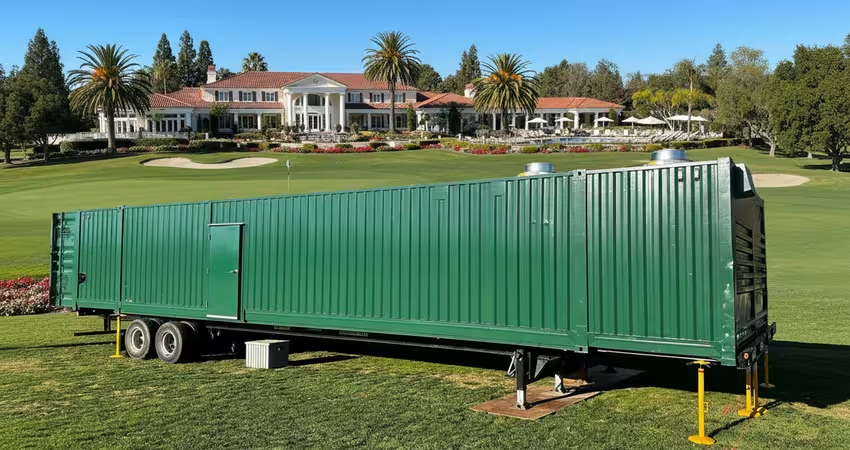
This shifts the planning weight onto pre-deployment site assessment, not onsite troubleshooting. A purpose-built mobile kitchen reduces integration risk by arriving as a single MEP-coordinated unit, but the venue-side verification remains the operator's responsibility.
The Three Systems as One Operational Package
The mechanical, electrical, and plumbing systems interact at almost every decision point:
- Exhaust capacity drives make-up air, which drives electrical load
- Water heater BTU draw shapes propane sizing and pressure
- Waste volume governs holding capacity, which constrains deployment duration
Treating mobile kitchen MEP requirements as one integrated package is what separates a kitchen that runs service from one that runs into problems.

Mechanical: Ventilation, Climate Control, and Fire Suppression
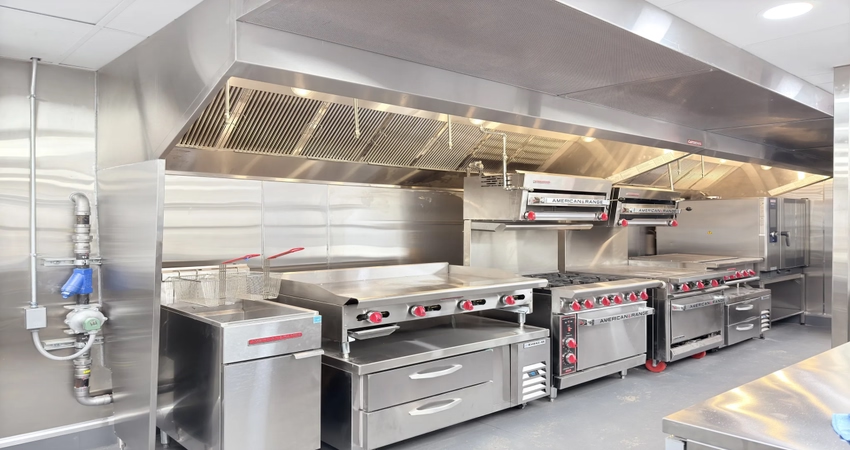
The mechanical envelope is where event kitchens fail visibly. Smoke under a marquee tent, a hood that can't clear grease vapor, or a 95°F line during a summer gala — all mechanical issues.
Type I Hood Capture and Exhaust Capacity
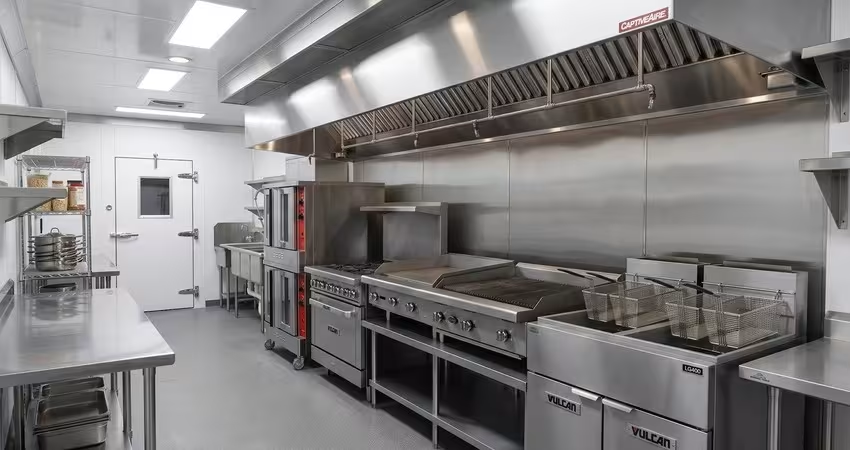
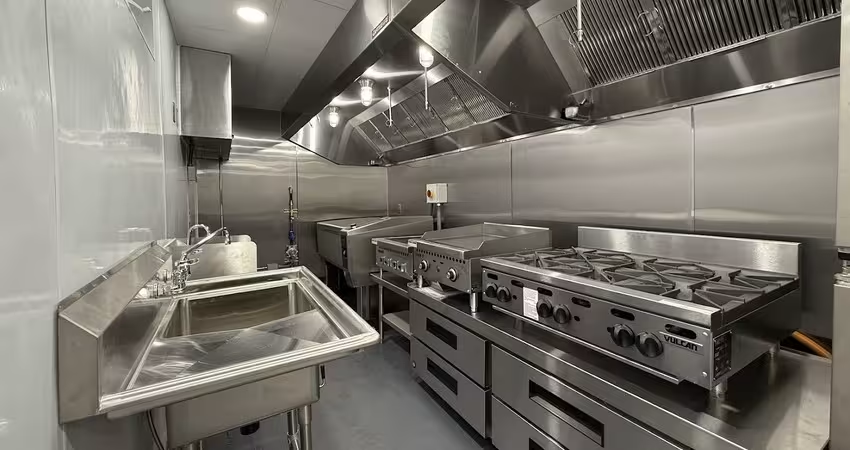
Type I hoods handle grease-laden vapors from commercial cooking equipment and are non-negotiable for hot-line operations. Capture velocity and exhaust CFM are set by the equipment underneath, with NFPA 96 governing the standard for ventilation control and fire protection of commercial cooking operations. Event operators should confirm that the mobile kitchen's hood is sized for the heaviest piece of equipment in the deployment configuration, not the average.
Make-Up Air and Working Conditions
Exhaust without matching make-up air pulls negative pressure into the kitchen, which slams doors, kills capture, and pulls outside air through any opening it can find. ASHRAE Standard 154 sets the framework for commercial kitchen ventilation, including make-up air balance. At outdoor events, climate control matters too — a tent-adjacent line that runs above 90°F internal temperature will degrade staff performance and food safety within hours.
Fire Suppression Anchors
Wet-chemical suppression systems over the cook line are required by NFPA 17A and must be UL 300 listed. The system needs a valid service tag — typically every six months — and discharge nozzles must match the appliance layout under the hood. If equipment is swapped for an event, suppression coverage has to be re-verified. The deeper treatment of suppression integration sits in our companion piece on mobile kitchen fire safety.
Note: Many venues will not issue a fire marshal sign-off without a current UL 300 service tag and a hood inspection report from the last six months. Have both ready at load-in.
Electrical: Power Demand and Distribution at a Venue
Electrical is where the math is most ruthless. Connected load isn't a guess — it's calculated.
Calculating Connected Load Before You Confirm the Venue
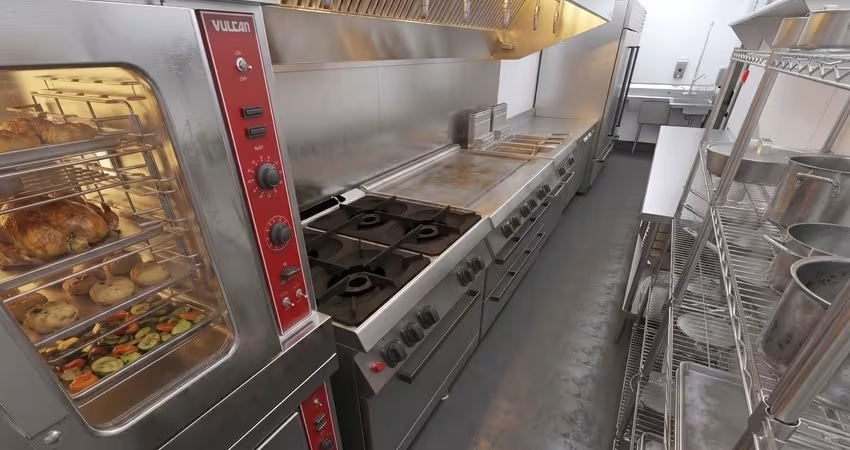
Total connected load is the sum of nameplate amperage across all equipment running concurrently, adjusted for duty cycle and the National Electrical Code (NFPA 70) load factors. A full mobile kitchen with a four-burner range, fryer bank, combi oven, walk-in refrigeration, hood fans, lighting, and HVAC will typically draw 200–400 amps at 240V single-phase, or the three-phase equivalent at 208V. The full load-sizing methodology is covered in our mobile kitchen electrical requirements guide.
Shore Power vs. Generator
Outdoor and mixed-venue events usually run on generators rated 150 kW or higher for a single mobile kitchen. Indoor venues with sufficient service can supply shore power, but the connection point may be 200 feet from the kitchen pad and require a temporary distribution panel — covered in detail in our distribution panels explainer. Either path has trade-offs: generators add fuel logistics and noise; shore power adds cable runs and voltage drop calculations.
Temporary Installations Under NEC Article 590
This is the article event operators most often miss. NEC Article 590 governs temporary electrical installations — those in place for special events or short-term use — and requires GFCI protection on all 125V receptacles, listed cable assemblies, and disconnects accessible to operators. It's the code that separates a compliant event power run from a violation waiting for the inspector.
Plumbing: Water Supply, Waste, and Grease at an Event Site
Plumbing is where the timeline lives. A kitchen with no water can't open; a kitchen with no waste plan can't stay open.
Potable Water Volume and Pressure for Peak Service
FDA Food Code 2022, Chapter 5 sets requirements for water, plumbing, and waste in food establishments — including mobile and temporary operations. Potable water must come from an approved source, be delivered through food-grade lines, and arrive at the kitchen at a pressure that supports simultaneous use across three-compartment sinks, hand sinks, prep stations, and the dish line. For a full-service event kitchen, plan for 1.5–3 gallons per cover, plus equipment fill demand. Capacity planning details for tanked and tied-in setups live in our water supply for mobile kitchens guide.
Greywater, Blackwater, and Grease Containment
Wastewater volume tracks water input minus consumption losses. The EPA provides guidance on greywater and blackwater handling, particularly when municipal connection isn't available. At event sites, three options exist:
- Direct municipal tie-in to a sanitary sewer cleanout (rare at outdoor venues)
- Holding tank sized for the service window plus a margin
- Pump-and-haul scheduled with a licensed waste hauler
Grease is the third stream and has its own rules under the IAPMO Uniform Plumbing Code, which requires grease interception sized to the kitchen's grease load. The hauling-versus-holding decision tree is covered in our wastewater disposal article.
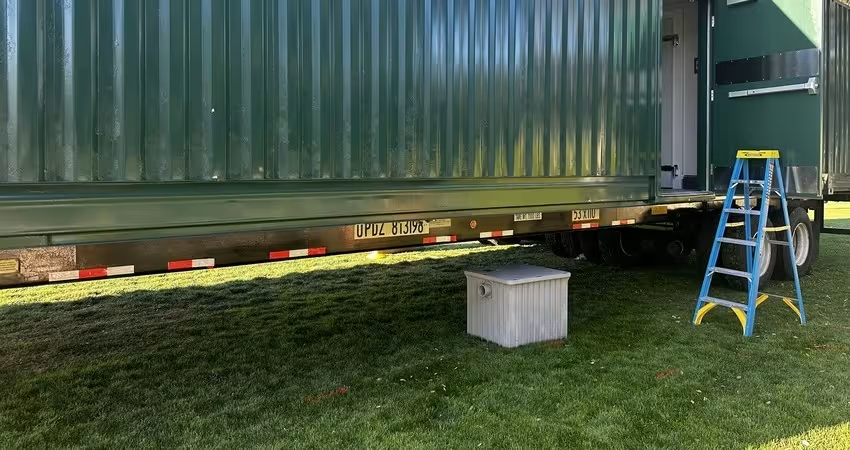
Tip: When choosing between holding and hauling, always size for service duration plus 25%. Events run long.
The Pre-Deployment Site Assessment
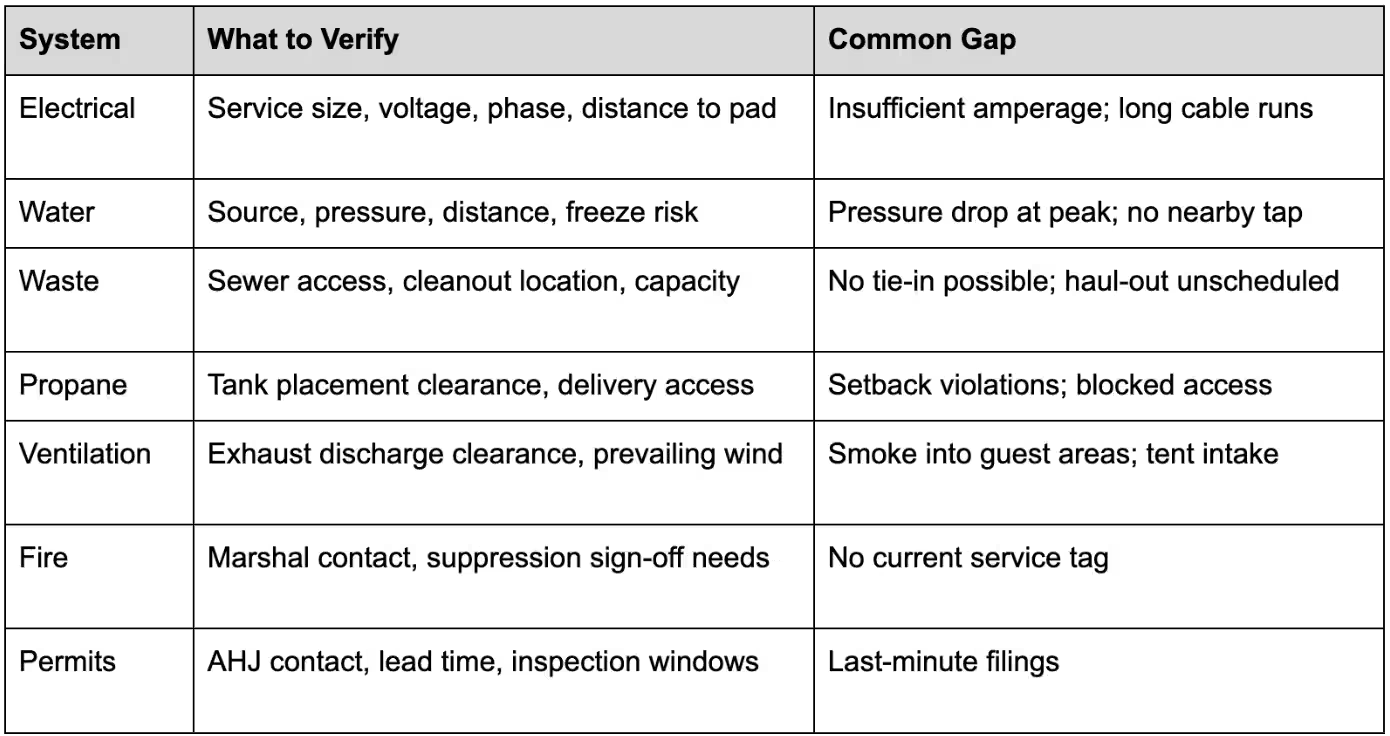
This is the work that prevents the 10 a.m. crisis described at the top of this article. A formal venue utility audit confirms what the venue actually supplies versus what the deployment requires.
Venue Utility Audit Checklist
Permits, Inspections, and Local Code Variances
Authority Having Jurisdiction (AHJ) requirements vary widely. Some municipalities require a temporary use permit, a health department sign-off, and a fire marshal inspection before a mobile kitchen can serve guests. Lead times range from 48 hours to three weeks. The operator — not the venue — is typically the permit applicant. Propane supply at events is also regulated by NFPA 58, which governs LP-Gas storage and use including setback distances from public assembly.
Where MEP Planning Fails at Events
Most event MEP failures cluster around five patterns:
- Load underestimation — equipment counted, but concurrent-use diversity ignored
- Water pressure assumptions — adequate tap, inadequate delivery under load
- Waste plan gaps — holding capacity good for service, not for the after-party
- Ventilation downwind — exhaust discharging into guest seating or tent intake
- Generator placement — noise, exhaust, or fuel access blocking event flow
Each traces back to a missed step in pre-deployment site assessment, not to a flaw in the kitchen itself. A purpose-built mobile kitchen delivered as a fully integrated MEP package eliminates the inter-vendor seam, but venue-side verification remains the operator's job.
Plan Your Event Deployment with a Purpose-Built Mobile Kitchen
Mobile kitchen MEP requirements at an event are an integration problem, not a checklist problem. Power, plumbing, and ventilation have to be planned against the same site — by the same team — before the venue is locked in. That is the discipline that separates a smooth load-in from the 10 a.m. crisis.
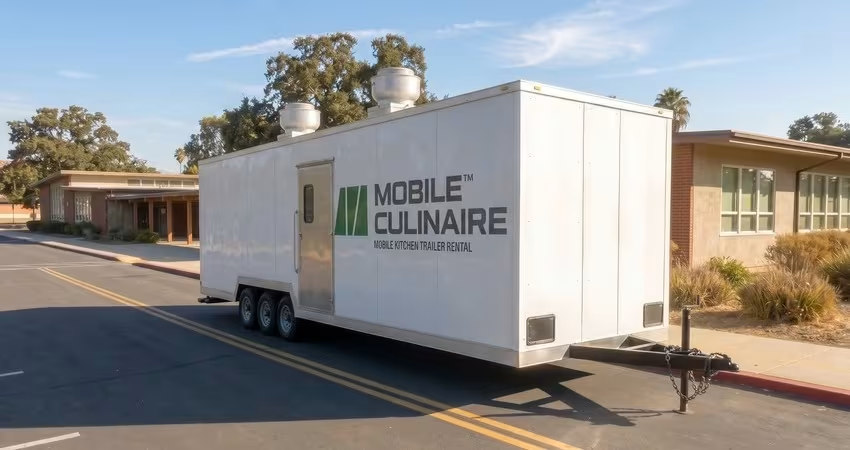
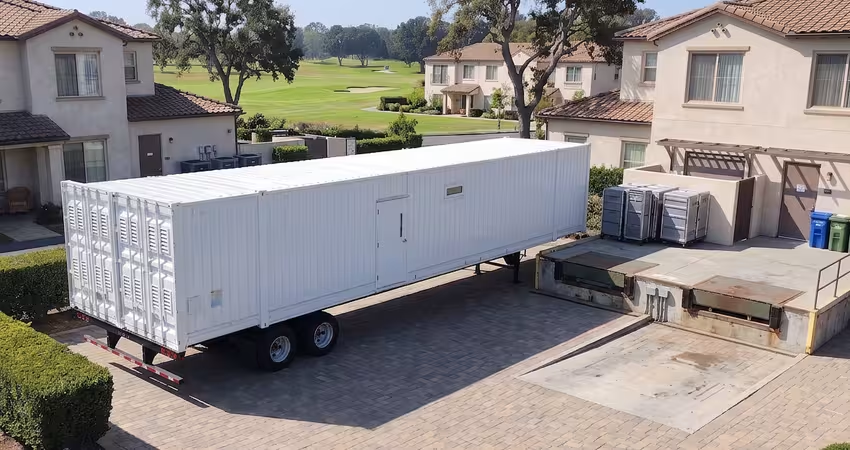
Mobile Culinaire designs and manufactures purpose-built mobile kitchens with full MEP coordination on board: pre-installed exhaust, electrical distribution, and plumbing systems engineered to the same standards as a permanent commercial kitchen. See how these units have deployed at galas, sporting events, and large-scale hospitality activations in our project showcase, or contact our team to scope an upcoming event.
People Also Ask (FAQ)
What does MEP mean in a kitchen context?
MEP stands for Mechanical, Electrical, and Plumbing — the three integrated building systems that govern ventilation and climate control (mechanical), power supply and distribution (electrical), and water supply, waste removal, and grease handling (plumbing). For a mobile kitchen at an event, MEP defines the hookup and operational envelope the venue must support.
How much power does an event kitchen actually need?
A full hot-line mobile kitchen typically draws 200–400 amps at 240V single-phase, or the three-phase equivalent at 208V — translating to a 150–250 kW generator for outdoor events. Calculation should be based on nameplate amperage of all concurrent equipment with NEC load factors applied. Beverage stations and prep-only kitchens draw considerably less; full-service operations sit at the top of the range.
Do mobile kitchens at events need permits and inspections?
Almost always, yes. Most AHJs require some combination of temporary use permit, health department sign-off, and fire marshal inspection before service. Lead times vary from 48 hours to three weeks. Permit responsibility usually sits with the event operator, not the venue, and is part of the deployment scope from day one.

Testimonial
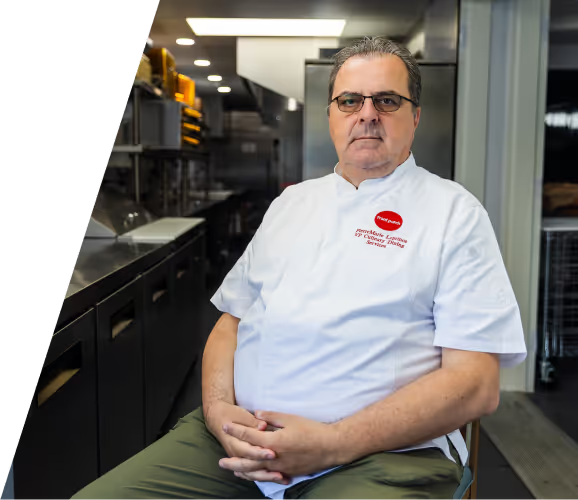
"What is standing out when you look at the mobile kitchen operation is the efficiency that we can really achieve because it's built for that."
Tell us about your kitchen needs and request a quote.
.png)
Turnkey mobile kitchen
Proudly made in-house in the USA
Commercial grade kitchen equipment
Code-compliant
Trusted by Industry Leaders