.gif)
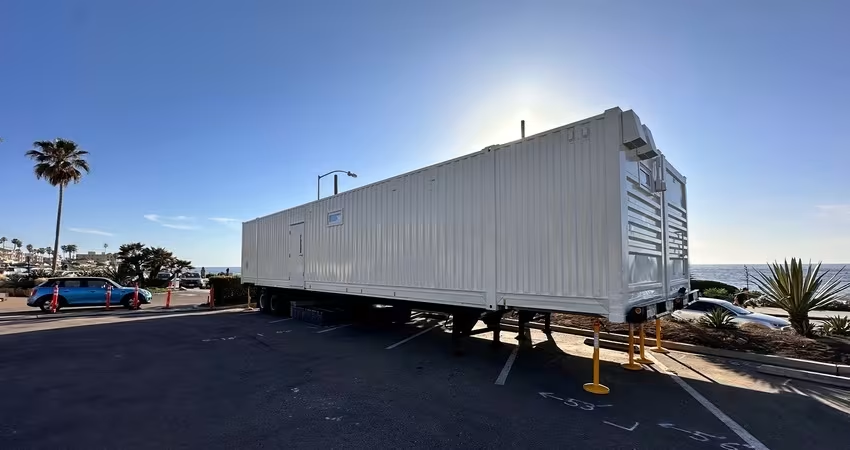
Your venue is booked, the caterer is confirmed, and the guest list is locked in — but the permitting process for your rented mobile kitchen hasn't even started. For event venue operators deploying a temporary kitchen, the regulatory landscape is more fragmented than most anticipate. Health department approvals, fire marshal inspections, zoning clearances, and food handler certifications each operate on different timelines and under different jurisdictions. Miss one, and you risk fines, failed inspections, or a last-minute shutdown.
This guide maps the full permit stack required to legally operate a rented mobile kitchen at an event — from temporary food service permits to environmental compliance — so you can build a realistic timeline and avoid costly surprises.
Why Event-Specific Permits Matter for Mobile Kitchens
Understanding mobile kitchen permits for events starts with a critical distinction: operating a purpose-built mobile kitchen at an event isn't the same as running one during a renovation or at a fixed commercial site. Events introduce variables that change the regulatory equation: temporary locations, public-facing food service, multi-vendor coordination, and compressed timelines. Health departments, fire marshals, and zoning boards each treat event-based food operations differently than permanent or semi-permanent setups.
The FDA Food Code, which serves as the baseline for most state and local food safety regulations, classifies event-based food operations under temporary food establishment rules — a distinct category with its own permit requirements, inspection protocols, and operational limitations.
The Distinction Between Permanent, Mobile, and Temporary Food Permits
Understanding which permit category applies to your operation is critical. Most jurisdictions recognize three tiers:
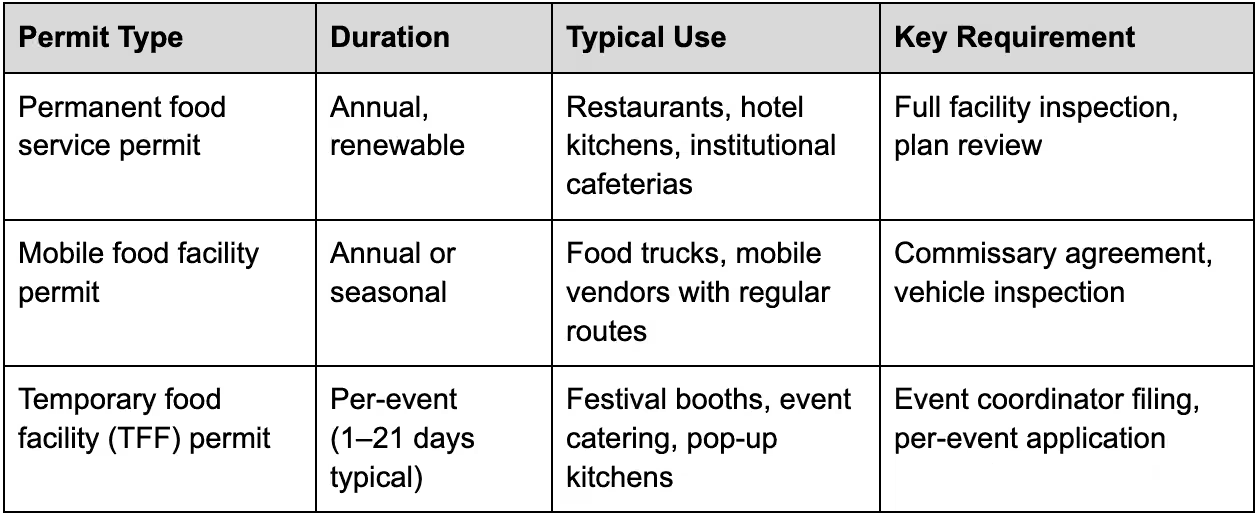
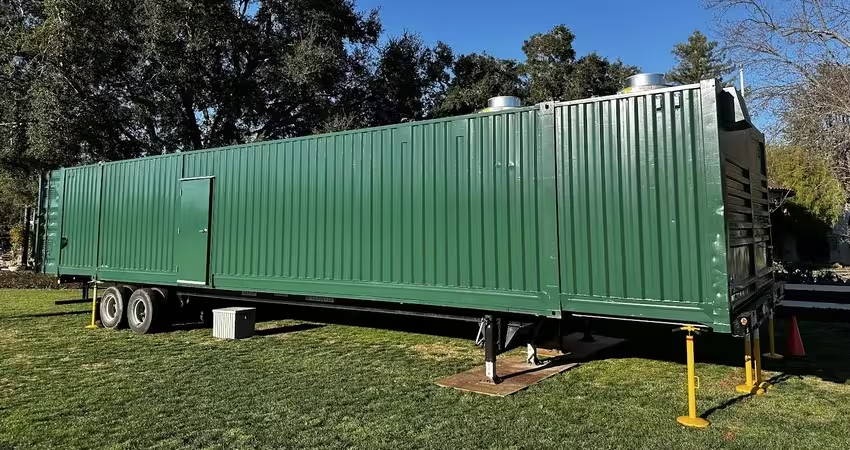
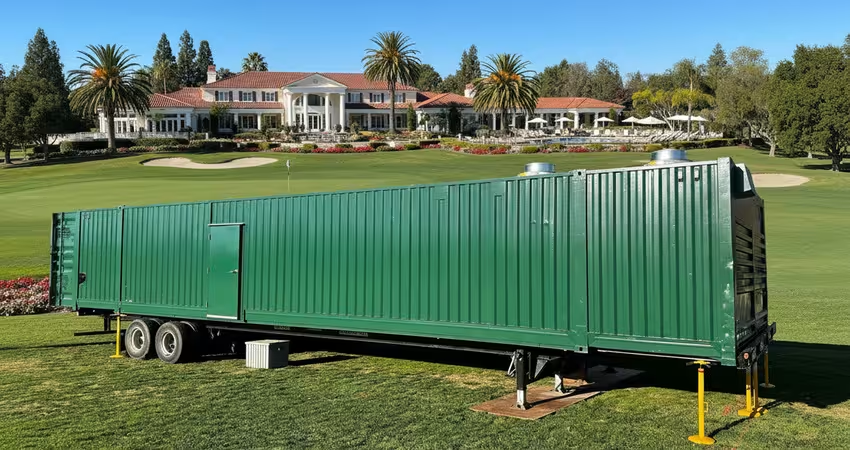
When you rent a mobile kitchen for an event, you typically fall under the temporary food facility category — even if the unit itself is a fully equipped, commercial-grade trailer. The permit follows the use case, not the equipment.
Note: Some jurisdictions allow mobile units with valid annual permits to operate at events without a separate TFF application, provided they meet specific conditions. Always verify with your local health department.
Who Is Responsible — Venue Operator, Caterer, or Rental Provider?
This is the question that trips up most event operators. Permit responsibility is typically shared across three parties:
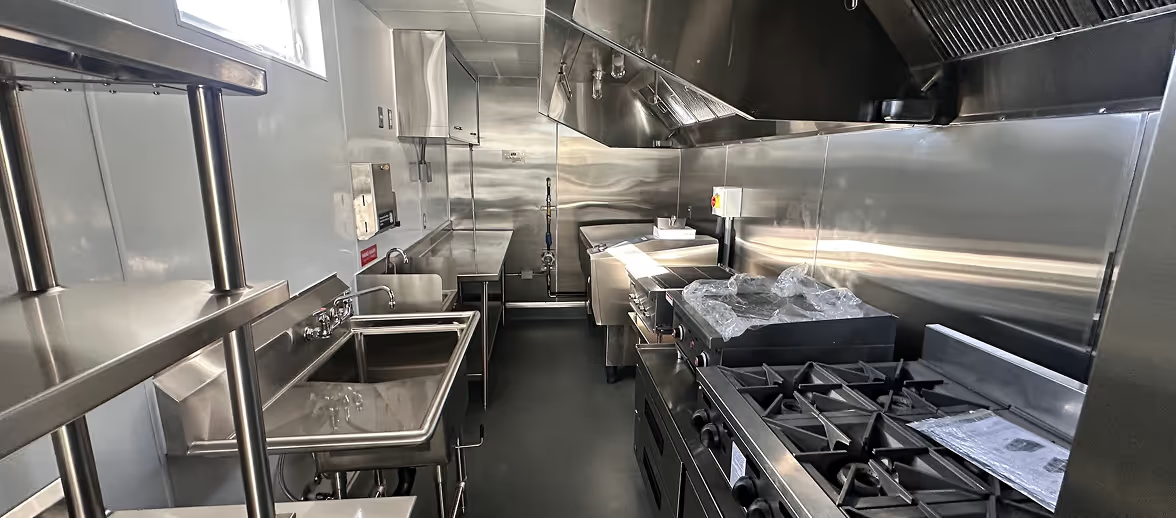
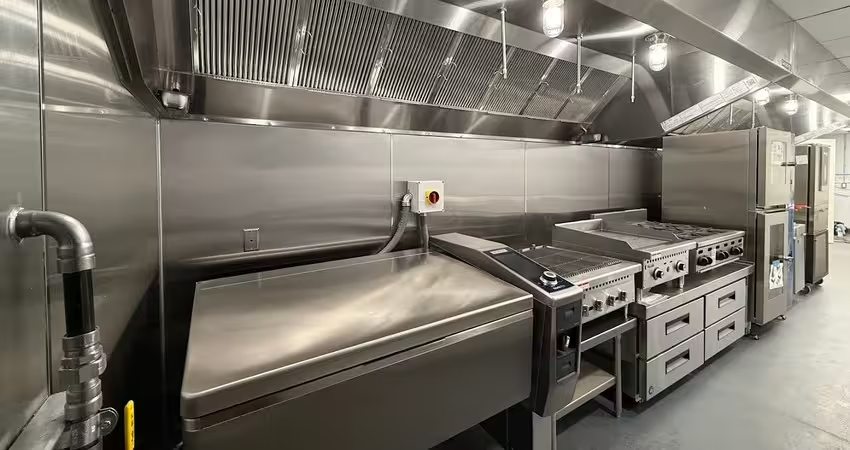
- Mobile kitchen rental provider — Responsible for delivering a unit that meets national health and fire code standards (NFPA 96 ventilation, NSF-certified equipment, UL 300 fire suppression). Reputable providers also supply compliance documentation — equipment certifications, engineering drawings, and safety system records — that accelerate local approvals.
- Food service operator / caterer — Responsible for food handler certifications, food safety protocols, menu documentation, and operational compliance during the event.
- Event venue operator — Responsible for securing site-level permits: temporary use permits, zoning approvals, fire marshal event inspections, and coordinating with the health department as the event organizer.
Tip: Clarify permit responsibilities in writing before signing any rental or catering contract. A single unassigned permit can stall your entire event.
Health Department Approvals for Mobile Kitchens at Events
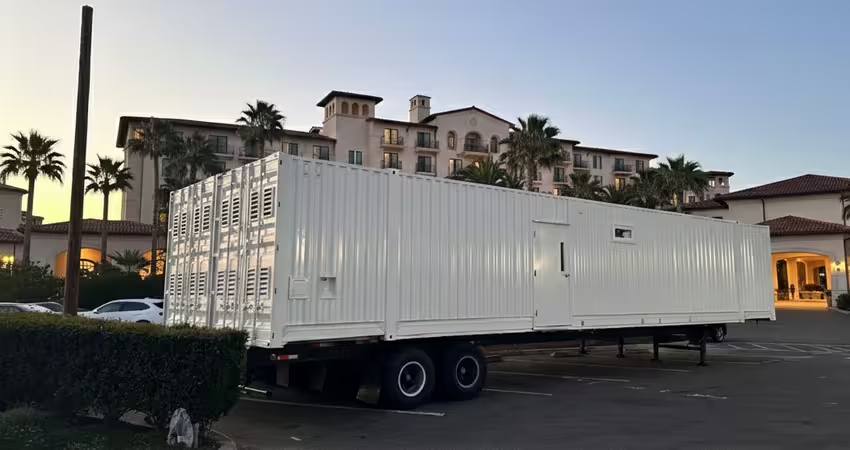
Health department approvals represent the most complex layer of mobile kitchen permits for events. Navigating the mobile kitchen health department process requires understanding three core components: the temporary food facility permit, food handler certifications, and event coordinator coordination. Requirements vary significantly by county and state, but the core elements remain consistent.
Temporary Food Facility (TFF) Permits
A temporary food service permit is required in virtually every U.S. jurisdiction when food is prepared, served, or sold to the public at an event — regardless of whether the kitchen is a tent, trailer, or purpose-built mobile unit.
Key elements of a TFF application typically include:
- Menu and preparation methods — A detailed description of every item served, including whether food is prepared on-site, transported from a commissary, or reheated from pre-cooked sources.
- Site plan — A layout showing the mobile kitchen's placement, utility connections, handwashing stations, waste disposal points, and service areas.
- Commissary agreement — If any food preparation, storage, or equipment cleaning occurs off-site, most jurisdictions require a signed agreement with a licensed commissary kitchen.
- Proof of equipment compliance — Documentation showing that cooking appliances, refrigeration, and sanitation equipment meet NSF food equipment standards or equivalent certifications.
Note: In California, each food vendor at a community event must hold an individual TFF permit — permits cannot be shared or consolidated between operators, even when sharing a single booth space.
Food Handler Certifications and Manager Requirements
Every jurisdiction requires food safety training for personnel working in the mobile kitchen during the event:
- Food handler permits — Required for all employees who handle, prepare, or serve food. Most states accept nationally recognized programs such as ServSafe or the National Registry of Food Safety Professionals. Training must typically be completed before the event — not during it.
- Food protection manager certification — At least one certified manager must be present during all operating hours. Some jurisdictions require one certified manager per 50 planned attendees.
Tip: Maintain digital copies of all certifications on-site. Inspectors will request them, and missing documentation during a live event can result in immediate booth closure.
The Event Coordinator's Role in the Health Department Process
For events with multiple food vendors or complex food service operations, many health departments require a designated event coordinator to serve as the liaison. This person — typically the venue operator or event producer — is responsible for:
- Submitting all vendor applications to the health department (in many counties, individual vendors cannot submit directly)
- Providing the master event site plan showing all food service locations
- Ensuring all vendors have adequate handwashing, dishwashing, and waste disposal facilities
- Verifying that every vendor holds a valid permit before the event opens
Note: Large events with six or more food vendors may require a separate event coordinator checklist, submitted 30 days or more before the event date.
Fire Safety Permits and Inspections
Fire safety compliance is a non-negotiable component of mobile kitchen permits for events — and it operates independently from health department approvals. Missing this permit is one of the fastest ways to get shut down.
Fire Marshal Event Inspections
Most municipalities require a fire marshal inspection of any cooking operation at a public event. This applies to mobile kitchens regardless of whether the unit has already been inspected for a permanent site permit.
Fire inspectors typically evaluate:
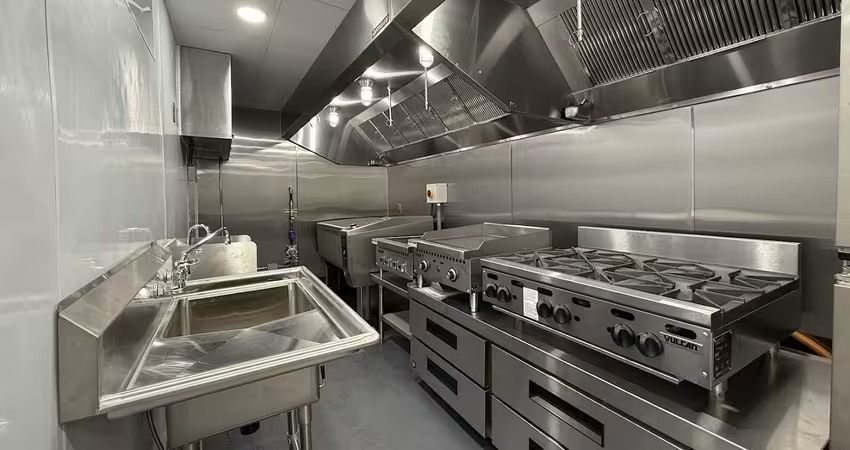
- Type I exhaust hood coverage over all cooking equipment producing grease-laden vapors
- Automatic fire suppression system (UL 300-rated) functionality and inspection tags
- Fire extinguisher placement, type (Class K for commercial kitchens), and current service tags
- Emergency shut-off switches for gas and electrical systems
- Clearance distances — outdoor cooking equipment must typically be positioned at least 10 feet from structures and combustible materials
The NFPA 96 standard governs ventilation control and fire protection for commercial cooking operations and is the benchmark most fire departments reference.
Tip: Request your fire marshal inspection early — not the day of the event. Many departments schedule event inspections 1–2 weeks in advance, and failed inspections require corrections before re-inspection.
Fire Suppression, Ventilation, and Extinguisher Requirements
For event venue operators evaluating mobile kitchen providers, fire safety infrastructure should be a non-negotiable selection criterion:
- UL 300 fire suppression systems — Factory-installed and tested, covering all cooking stations
- NFPA 96-compliant exhaust hoods — Properly sized for the equipment layout, with grease filters and ductwork in serviceable condition
- K-class fire extinguishers — Rated for cooking oil and grease fires, with current annual inspection tags
- LP gas compliance — Propane systems (if used) must meet NFPA 58 standards, with properly secured tanks and approved connections
Zoning, Land Use, and Temporary Structure Permits
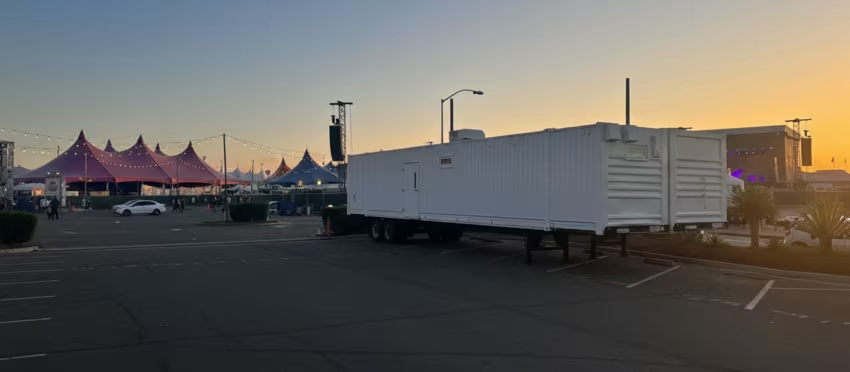
Even with health and fire approvals in place, deploying a mobile kitchen on an event site requires zoning and land use clearance from your local planning department.
Temporary Use Permits for Event Sites
Most municipalities require a temporary use permit (TUP) or special event permit before placing a mobile kitchen — or any temporary structure — on a property. This permit confirms that:
- The property's zoning designation allows temporary food service operations
- The event duration falls within allowable limits (commonly 1–14 consecutive days, though this varies)
- Neighboring property setback requirements are met
- Parking and traffic flow will not be adversely affected
Note: Properties zoned exclusively for residential use almost always require a conditional use permit or variance to host events with mobile kitchens. Factor this into your planning timeline — variance approvals can take 60–90 days.
Parking, Setback, and ADA Accessibility Compliance
Mobile kitchen placement must comply with the International Code Council (ICC) building standards and local ADA requirements:
- ADA accessibility — Service windows, queuing areas, and pathways to and from the mobile kitchen must be accessible to individuals with disabilities
- Setback requirements — Minimum distances from property lines, buildings, and other structures per local fire and building codes
- Vehicle access — Adequate clearance for delivery, setup, and emergency vehicle access
Additional Permits Event Venues May Need
Depending on the scope of your event, several supplementary permits may apply.
Alcohol Service Near Mobile Kitchen Operations
If your event includes a bar or beverage service adjacent to or integrated with the mobile kitchen, you'll need a temporary alcohol permit from your state's alcohol beverage control (ABC) board. Requirements vary, but common mandates include physical separation between alcohol service and food preparation areas, and designated serving boundaries.
Waste Disposal, Graywater, and Environmental Permits
Mobile kitchens generate wastewater from sinks, dishwashing, and cooking operations. Environmental compliance typically requires:
- A graywater disposal plan — wastewater must be collected in holding tanks and disposed of through an approved sewer connection or licensed waste hauler
- Grease waste contracts — fats, oils, and grease (FOG) must be removed by a licensed hauler, not disposed of on-site
- Solid waste plans — adequate trash and recycling capacity for the event duration
Noise Ordinances and Operating Hour Restrictions
Generators, exhaust fans, and refrigeration compressors create noise. If your event venue is near residential areas, verify local noise ordinance limits and operating hour restrictions before scheduling early-morning prep or late-night service.
Permit Timelines and Application Deadlines
The biggest permitting mistake event operators make is underestimating lead times. Here's a realistic timeline for securing mobile kitchen permits for events across the major regulatory categories.
Standard Processing Windows by Permit Type
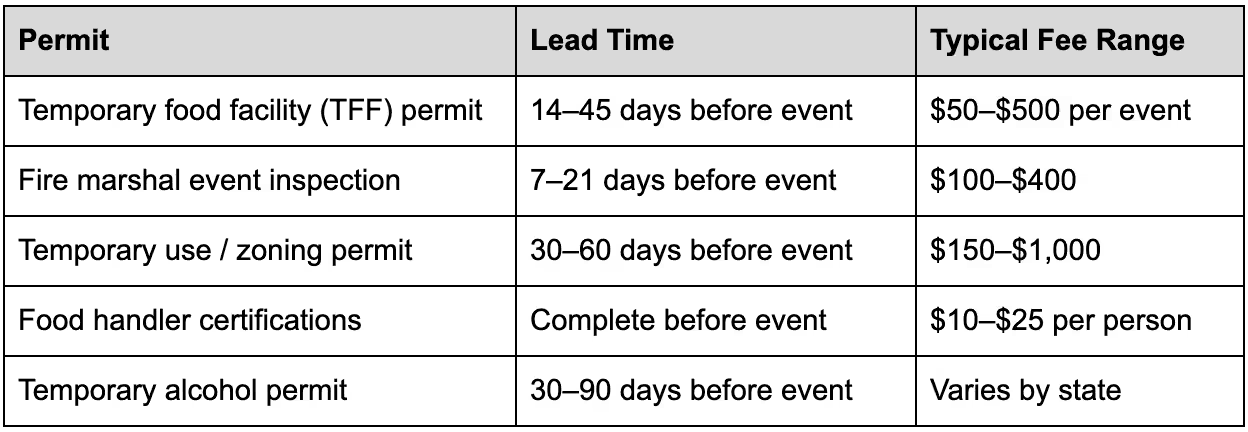
Tip: Late fees are common. Most health departments charge a premium — typically 25% of the permit fee or a flat $50, whichever is greater — for applications submitted within 14 days of the event.
Building a Permit Calendar for Your Event Season
For venues hosting multiple events per year, a proactive approach to permitting saves significant time and cost:
- Q1 (January–March) — Map your full event calendar. Identify every event requiring a mobile kitchen and note the permit types needed for each.
- Q2 (April–June) — Submit TFF and zoning applications for summer events. Schedule fire marshal pre-inspections. Verify all staff food handler certifications are current.
- Ongoing — Maintain a centralized permit tracker with expiration dates, renewal deadlines, and inspector contact information.
Some jurisdictions offer multi-event or seasonal permits that cover multiple events under a single application, reducing per-event fees and administrative burden. Ask your local health department whether this option is available.
How Pre-Certified Mobile Kitchens Simplify Event Permitting
Not all mobile kitchens are created equal when it comes to temporary kitchen event compliance. The unit you rent directly impacts how fast — and how smoothly — you clear permitting.
Built-In Code Compliance and Inspection Readiness
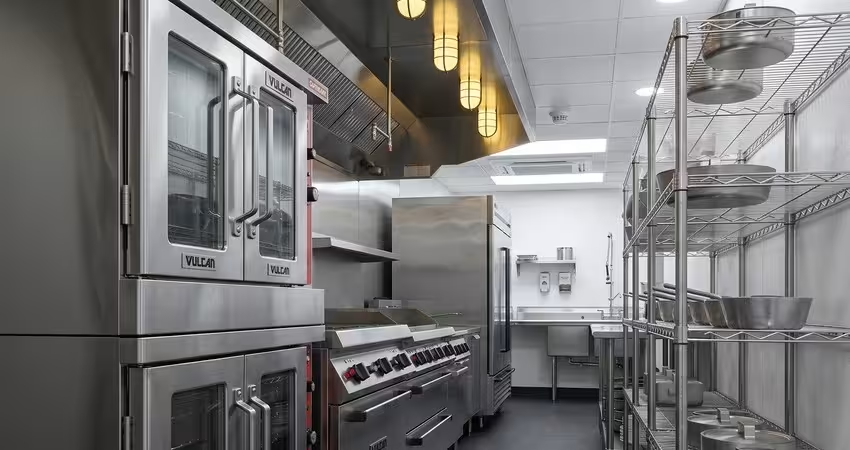
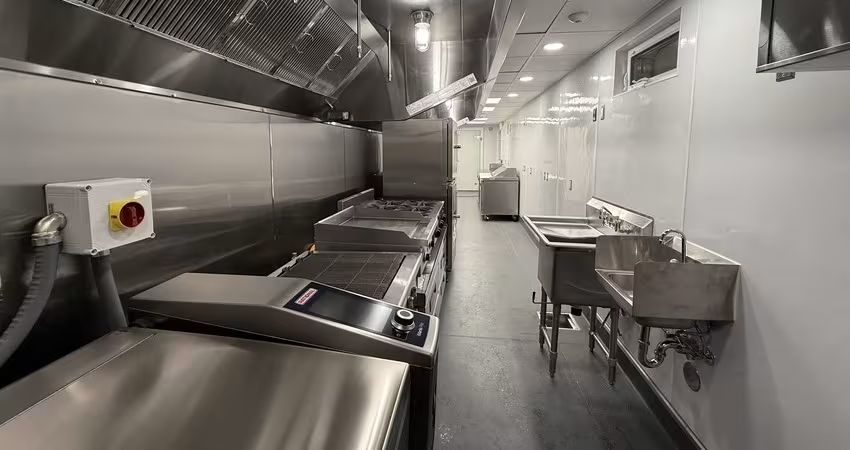
Purpose-built mobile kitchens from professional manufacturers are engineered to meet or exceed the standards inspectors reference. That means NFPA 96-compliant ventilation, UL 300 fire suppression, NSF-certified equipment, and commercial-grade plumbing and electrical systems — all factory-installed and pre-tested before delivery.
The result: when the fire marshal or health inspector arrives, the unit is already built to the code they're referencing. This eliminates the retrofit issues, equipment certification gaps, and layout non-compliance problems that plague cheaply converted trailers.
Documentation Support and Provider-Supplied Certifications
Professional providers supply a compliance documentation package with each rental — including equipment certifications, engineering drawings, fire suppression inspection records, and utility specifications. This paperwork is exactly what health departments and fire marshals need to process your permits efficiently.
Mobile Culinaire units, for example, are manufactured in-house to meet commercial kitchen health and safety codes, arriving with the documentation your event venue health approval process requires. For operators planning event and festival mobile kitchen deployments, this translates to faster inspections, fewer revision requests, and reduced permit processing times.
For a deeper look at the full regulatory landscape for mobile kitchen trailers beyond events, see our guide to essential permits for mobile kitchen trailers.
Common Permitting Mistakes at Events (and How to Avoid Them)
Even experienced venue operators run into avoidable permitting failures. Here are the most frequent errors:
Assuming the Rental Provider Handles All Permits
The provider delivers a code-compliant unit. Local permits — TFF applications, fire marshal inspections, zoning clearances — are almost always the responsibility of the venue operator or food service operator.
Submitting Incomplete Applications
Missing menu details, unsigned commissary agreements, or outdated food handler certifications are the top reasons applications are returned or delayed. Use your health department's published checklist line by line.
Ignoring Zoning Requirements
A mobile kitchen placed on a property without proper zoning clearance can be ordered removed — even after passing health and fire inspections. Verify zoning before committing to a site layout.
Waiting Until the Last Minute
Some counties process TFF permits in 48 hours; others take 45 days. A calendar built around best-case processing times is a calendar built to fail. The CDC estimates 48 million Americans get sick from foodborne pathogens annually — health departments take these applications seriously and will not rush reviews at the expense of public safety.
Skipping the Pre-Event Fire Inspection
Requesting a fire marshal sign-off on the morning of your event is a recipe for a shutdown. Schedule the inspection during setup week, not event day.
If you're weighing whether a mobile kitchen rental or a permanent build makes more sense for your venue's long-term needs, our comparison of renting vs. building a kitchen for events breaks down the cost and compliance tradeoffs.
Conclusion
Securing the right mobile kitchen permits for events is not a single filing — it's a coordinated process across health departments, fire marshals, and zoning boards, each with their own timelines, fees, and documentation requirements. The venues that execute this well are the ones that start early, assign clear responsibility across every stakeholder, and choose equipment that's built to pass inspection from day one.
Planning an event that requires a permitted, inspection-ready mobile kitchen? Mobile Culinaire units are manufactured in-house to commercial kitchen standards and arrive with the compliance documentation your health department and fire marshal need. Contact our team to discuss your event timeline and permit requirements, or explore our seasonal event deployment solutions to see how we support venues through every stage of the process.
People Also Ask (FAQ)
What permits do I need to operate a mobile kitchen at an event?
At minimum, you need a temporary food service permit (or TFF permit) from your local health department, fire marshal approval, and often a temporary use or zoning permit for the event site. Most jurisdictions also require at least one certified food protection manager on-site and individual food handler certifications for all kitchen staff. Requirements vary by county and state, so contact your local health department at least 60 days before the event to confirm the full requirements. The SBA's licensing guide provides a starting point for understanding federal, state, and local permit layers.
Who is responsible for permits — the event venue or the mobile kitchen provider?
Responsibility is typically shared. The mobile kitchen rental provider delivers a unit that meets national fire and health code standards. The event venue operator or food service operator is responsible for obtaining local permits — including temporary food facility permits, fire marshal inspections, and zoning approvals. Many professional providers supply compliance documentation that accelerates local approvals, but the permit applications themselves are filed by the operator or venue.
How far in advance should I apply for event food service permits?
Most health departments require applications at least 14–30 days before an event, with some larger jurisdictions needing 45–60 days. Late fees typically apply for submissions within 14 days of the event, and last-minute applications may not be processed in time. For multi-event seasons, plan your entire permit calendar during Q1 to avoid bottlenecks during peak summer months. The National Restaurant Association recommends building a 90-day permitting runway for complex events.

Testimonial

"What is standing out when you look at the mobile kitchen operation is the efficiency that we can really achieve because it's built for that."
Tell us about your kitchen needs and request a quote.
.png)
Turnkey mobile kitchen
Proudly made in-house in the USA
Commercial grade kitchen equipment
Code-compliant
Trusted by Industry Leaders