.gif)
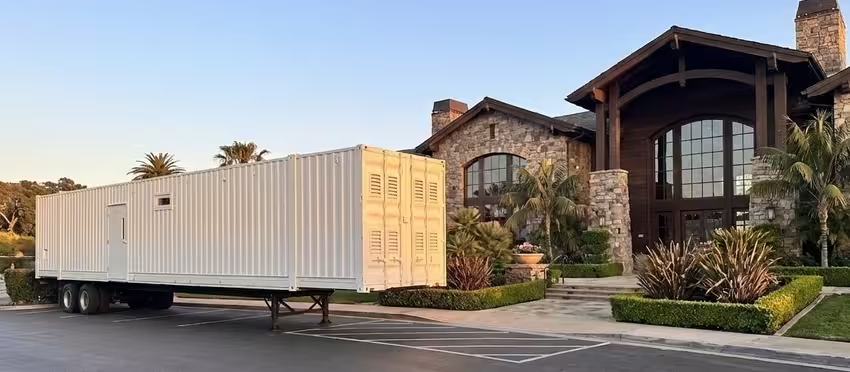
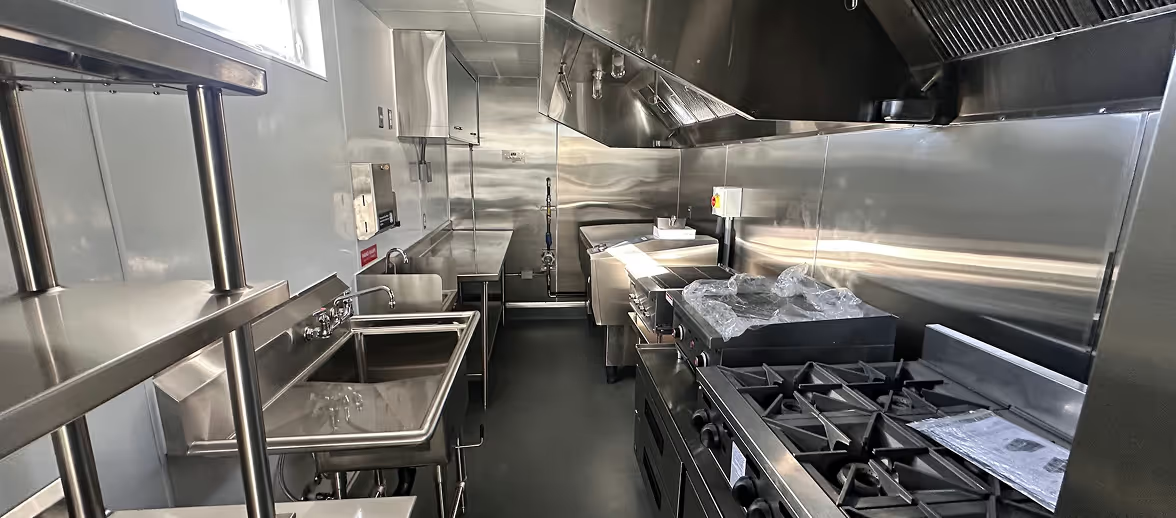
Over 75% of private clubs face kitchen capacity constraints during peak event seasons, forcing them to either turn away bookings or compromise on service quality. Whether it's a golf tournament, wedding reception, holiday gala, or member appreciation dinner, private clubs need flexible foodservice solutions that match their premium standards without permanent infrastructure investments. Private club event mobile kitchen rentals provide the perfect solution—purpose-built commercial kitchens that integrate seamlessly with existing operations while maintaining the elevated dining experience members expect. This guide explores how private clubs leverage mobile kitchens to maximize event revenue, ensure consistent service quality, and handle seasonal demand fluctuations without the overhead of permanent kitchen expansions.

Understanding Private Club Kitchen Capacity Challenges
According to National Restaurant Association industry data, private clubs face unique operational pressures that distinguish them from traditional restaurants. Unlike public establishments, clubs serve a finite membership base where service failures create lasting reputational damage within a closed community.
The financial implications extend beyond individual events. Private club event mobile kitchen solutions address critical revenue vulnerabilities:
- Peak season events generate 40-60% of annual F&B revenue in compressed timeframes
- Wedding receptions and corporate dinners command premium pricing that requires flawless execution
- Member satisfaction directly correlates with retention rates and referral quality
Note: The Club Management Association of America standards emphasize that foodservice excellence is non-negotiable during signature events, as these occasions define member perception of overall club quality.
Common Capacity Constraints
Most private club kitchens are designed for daily dining volume, not special event surges. Typical capacity gaps include:
- Limited cold storage for large-scale ingredient procurement
- Insufficient cookline space for simultaneous menu preparation
- Inadequate prep stations for complex event menus
- Restricted holding capacity for banquet-style service

These limitations force clubs to either reject profitable bookings or compromise menu quality—neither option supports long-term member satisfaction or financial performance.
Strategic Mobile Kitchen Applications for Private Clubs
Tournament and Competition Events
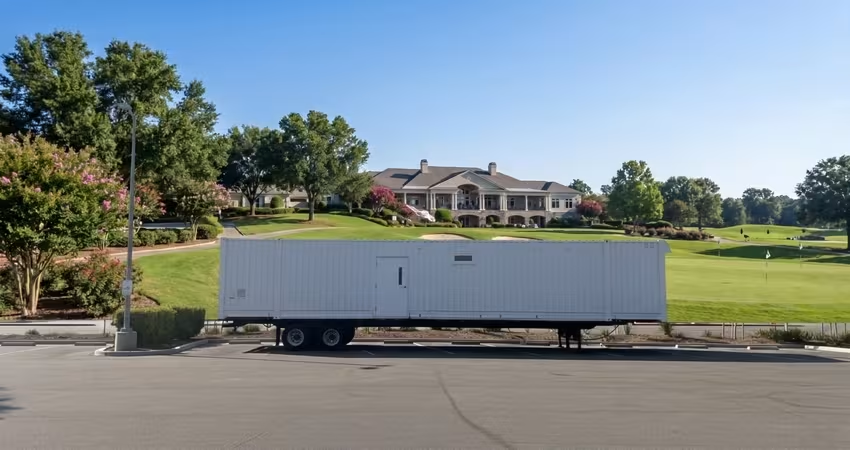
Golf tournaments exemplify the complex service demands mobile kitchens address. These events require coordinated execution across multiple service points while maintaining the elevated standards members expect from their club experience.
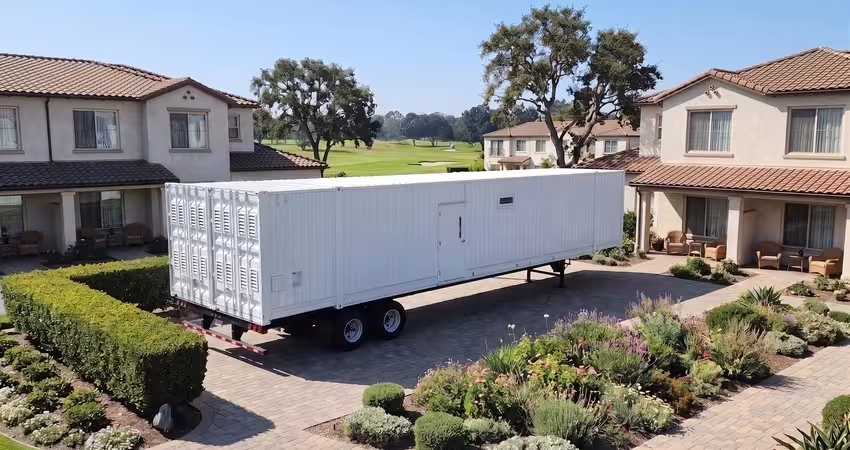
Mobile kitchens excel in tournament scenarios by handling bulk preparation and specialized cooking requirements. The units provide dedicated space for on-course station prep, allowing the permanent kitchen to focus on formal dining service without compromise.
Example: A member-guest tournament requiring breakfast service, halfway house refreshments, and a 200-person awards dinner benefits significantly from comprehensive guide to mobile kitchen rentals for events deployment strategies.
Wedding Receptions and Social Events
Private clubs hosting member weddings face unique pressure to exceed commercial venue standards. These events demand restaurant-quality execution at banquet scale, often with elaborate multi-course menus that stress permanent kitchen capacity.
Mobile kitchens for wedding venues provide the additional prep space and holding capacity essential for flawless reception service. The temporary expansion allows culinary teams to execute ambitious menus without rushing or simplifying dishes.

Tip: Position mobile kitchens to handle cold appetizer preparation and dessert staging, freeing permanent kitchen cooklines for hot entrée production and plating.
Holiday and Seasonal Peak Management
Year-end holidays compress extraordinary demand into brief windows where kitchen capacity becomes critically important. Member expectations peak during these signature events, making service quality non-negotiable.
Seasonal mobile kitchen deployment allows clubs to accept additional bookings during high-revenue periods without permanent infrastructure investment. The strategy transforms potential capacity constraints into revenue opportunities.
Implementation and Integration Best Practices
Site Preparation and Utility Requirements
Successful mobile kitchen deployment begins with proper site preparation. Site preparation requirements include utility access planning and positioning strategy that supports efficient service flow.
Essential infrastructure considerations include:
- Three-phase electrical service meeting electrical requirements for mobile kitchens
- Potable water connections and adequate drainage capacity
- Natural gas hookups for high-output cooking equipment
- Level positioning with appropriate clearances for safety compliance

Operational Coordination Strategies
Effective mobile kitchen integration with existing operations requires strategic workflow planning. The most successful deployments assign specific functions to mobile units while maintaining seamless service coordination.
Key coordination elements include:
- Menu component allocation between permanent and mobile facilities
- Staff rotation schedules maximizing efficiency across both kitchens
- Inventory management protocols preventing duplication and waste
- Communication systems ensuring synchronized service timing
This integrated approach distinguishes professional mobile kitchen solutions from makeshift alternatives like food trucks or catering tents.
Regulatory Compliance and Permitting
Private clubs must maintain strict compliance with health and safety regulations during mobile kitchen operations. Permit requirements for event mobile kitchens vary by jurisdiction but typically include temporary food service licensing and fire safety inspections.
Professional mobile kitchen rental solutions arrive with complete documentation supporting permit applications. Units meet FDA Food Code regulations and include fire suppression systems certified under NFPA 96 ventilation standards.

Mobile Kitchen Advantages Over Alternative Solutions
Purpose-Built Versus Improvised Options
Private clubs considering temporary foodservice expansion often evaluate multiple alternatives. Understanding the distinctions between purpose-built mobile kitchens and improvised solutions helps clubs make informed decisions that protect their reputation.
Mobile kitchens versus food trucks highlights critical differences in equipment quality, capacity, and operational flexibility. While food trucks serve limited menus for casual events, mobile kitchens provide full commercial kitchen functionality matching permanent facility standards.
Similarly, mobile kitchens versus catering tents demonstrates the superior climate control, equipment selection, and regulatory compliance of purpose-built units.
Cost-Effectiveness and ROI
Mobile kitchen rentals deliver measurable return on investment through increased event booking capacity and enhanced service quality. The rental model eliminates capital expenditure while providing access to commercial-grade equipment and compliance infrastructure.
Example: A club declining two wedding bookings annually due to kitchen constraints loses approximately $40,000-60,000 in potential F&B revenue—far exceeding typical mobile kitchen rental costs for peak season deployment.

Planning Timeline and Booking Strategy
Advance Booking Recommendations
Peak season demand requires strategic planning to secure appropriate mobile kitchen capacity. Holiday periods and wedding seasons create high demand for quality units, making early booking essential for clubs with firm event commitments.
Optimal booking timelines:
- Peak season events: 8-12 weeks advance booking
- Holiday parties and galas: 6-10 weeks advance booking
- Tournament and member events: 4-8 weeks advance booking
- Emergency capacity needs: 2-3 weeks minimum lead time
Tip: Establish annual contracts with mobile kitchen providers for predictable peak season needs, ensuring priority access to premium units during high-demand periods.

People Also Ask (FAQ)
What types of events do private clubs use mobile kitchens for?
Private clubs commonly use mobile kitchens for wedding receptions, golf tournaments, holiday parties, member appreciation dinners, and corporate events. These rentals are particularly valuable during peak seasons when existing kitchen capacity cannot handle increased demand. Mobile kitchen rentals for events provide the flexibility to accommodate large gatherings without compromising service quality or turning away profitable bookings.
How do mobile kitchens integrate with private club operations?
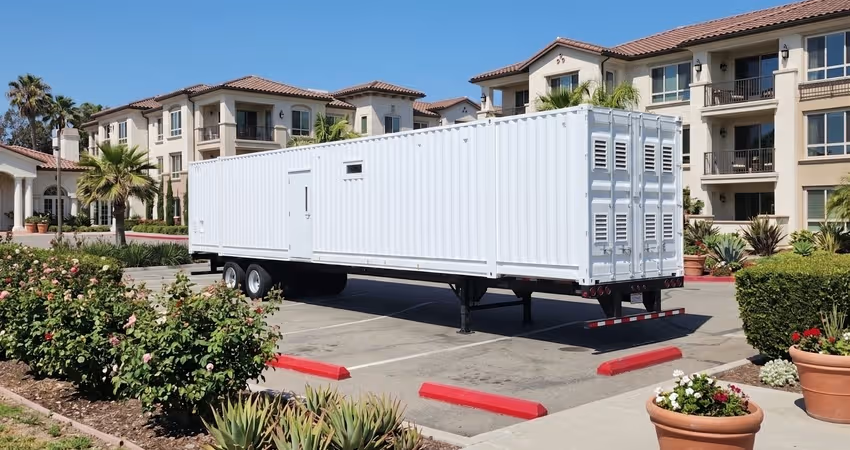
Mobile kitchens are positioned strategically on club grounds and connected to existing utilities including water, electricity, and waste systems. The units work in coordination with the main kitchen staff and can be configured to handle specific event needs. Integration into event operations requires careful planning but allows clubs to maintain their service standards while significantly expanding capacity during high-demand periods.
What permits do private clubs need for mobile kitchen rentals?
Private clubs typically need temporary food service permits from local health departments, and may require zoning approvals depending on placement duration and local regulations. The mobile kitchen provider usually assists with permit applications and ensures all health code compliance. Permits and health approvals vary by jurisdiction but are generally straightforward for established clubs with existing foodservice operations.
How far in advance should private clubs book mobile kitchens for events?
Private clubs should book mobile kitchens 2-3 months in advance for peak season events like weddings and holiday parties, though availability can vary by location and demand. Earlier booking ensures better unit selection and allows time for proper site preparation. Site readiness preparation is crucial for seamless integration with club operations and maintaining the premium service standards members expect.
Conclusion
Private clubs cannot afford to compromise foodservice quality during their most important revenue-generating events. Purpose-built mobile kitchens provide the capacity expansion necessary to execute ambitious menus while maintaining the elevated standards members expect from their club experience.
Transform your peak season capacity constraints into revenue opportunities with professional mobile kitchen solutions designed for private club operations or schedule a consultation to discuss your specific event requirements.

Testimonial
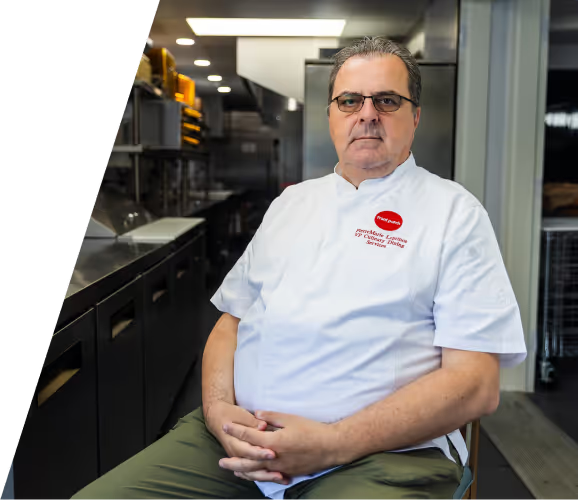
"What is standing out when you look at the mobile kitchen operation is the efficiency that we can really achieve because it's built for that."
Tell us about your kitchen needs and request a quote.
.png)
Turnkey mobile kitchen
Proudly made in-house in the USA
Commercial grade kitchen equipment
Code-compliant
Trusted by Industry Leaders