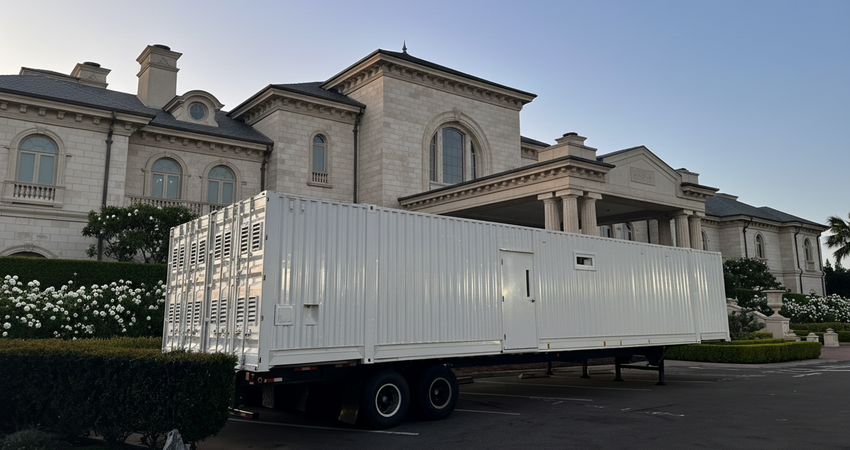
A general contractor can spec a mobile kitchen trailer off a brochure. Harder to price is everything around it: power, water and gas connections, the waste line and grease trap, decks and ramps. A 2025 bid addendum for a New York state temporary-kitchen procurement put it plainly: utilities get brought to the kitchen location, and the bidder makes the final connection.
That's the exact boundary this checklist draws, so the site-prep envelope is priced at bid, not discovered on site.
What Arrives Pre-Installed
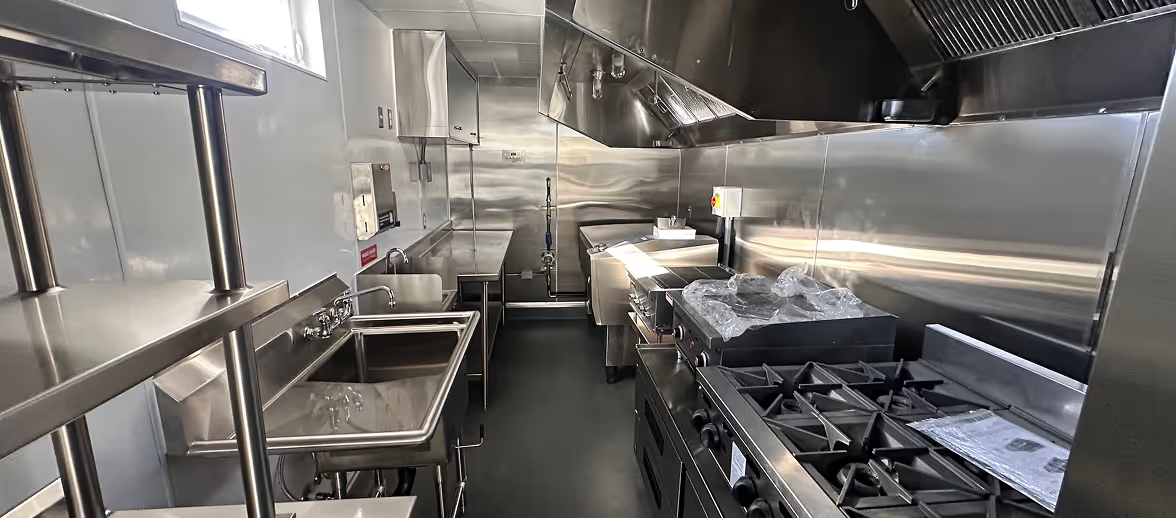
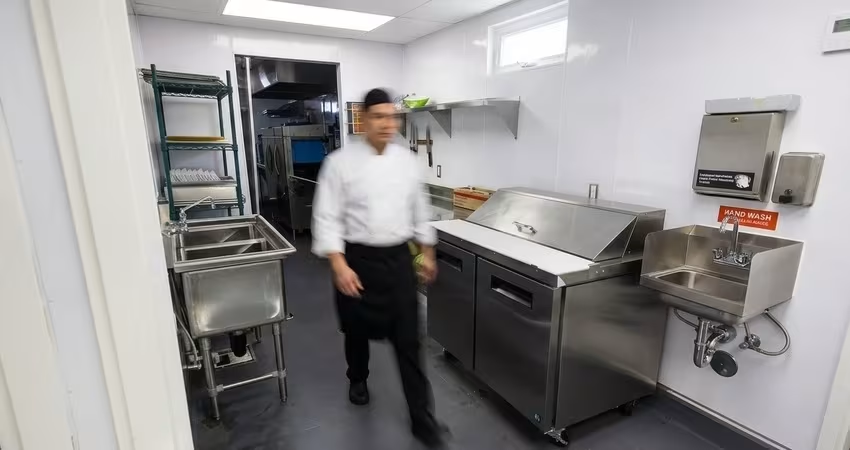
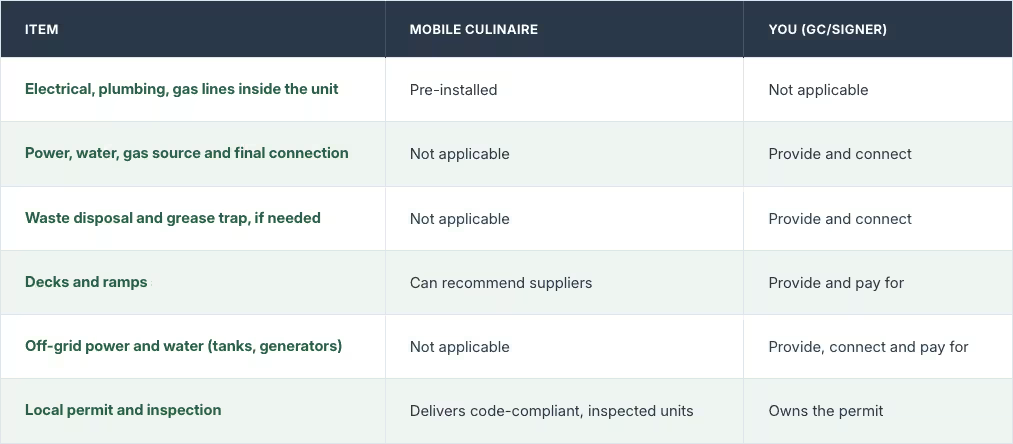
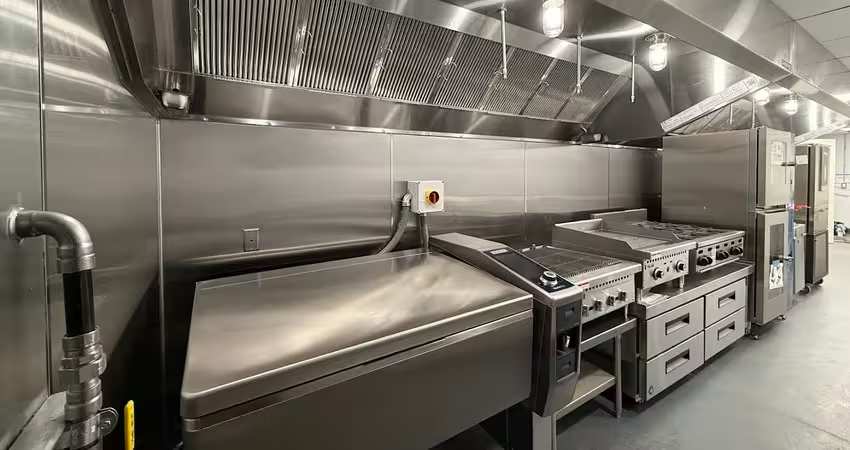
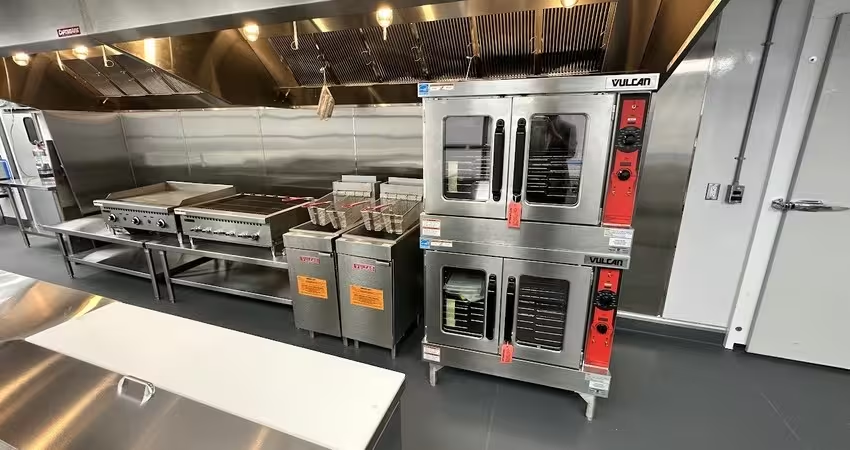
Every Mobile Culinaire unit ships with electrical, plumbing and gas connections already built in: a stub-out waiting for a source, not a shell waiting for a build-out.
Pre-Installed, No Pricing Needed:
- Wiring and electrical panels
- Plumbing runs to fixtures and equipment
- Gas lines to cooking equipment
- HVAC, fire suppression and makeup air
Note: The delivery and setup process is built around this split: the unit arrives commissioned and ready, and what's left is what you bring to it.
What You Price at Bid
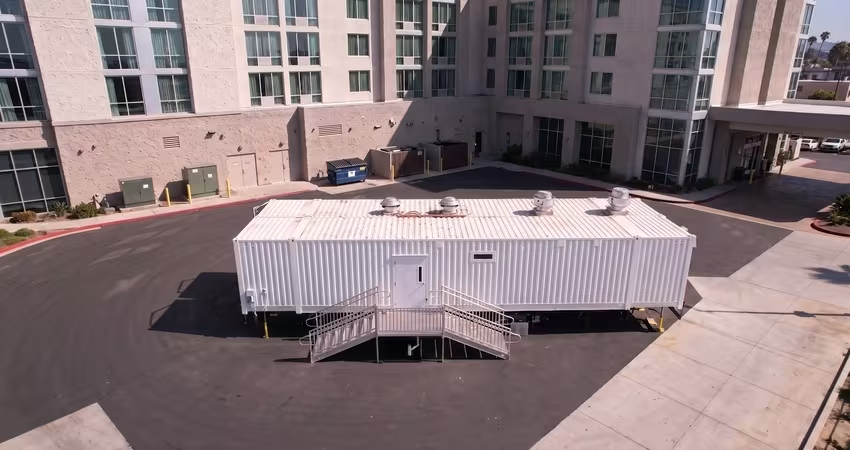
Four items sit on your side of the line, each a standard Division 1 item once you know it's coming.
Note: This boundary trips up a bid more than any other line item on the job. Price it early and it's routine; discover it at mobilization and it becomes a change order.
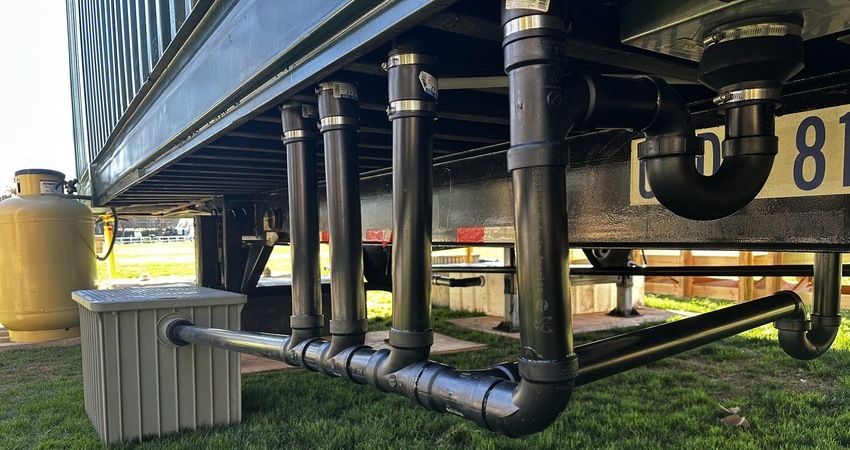
- Power source and connection. You bring electrical service and make the final tie-in.
- Water source and connection. You bring a potable supply to the connection point.
- Gas source and connection. Same pattern: a gas source brought to the unit, connected by your trade.
- Waste disposal, including a grease trap if the menu needs one. A full cook line produces fats, oils and grease; size the trap to the menu, not as an afterthought.
Tip: Ask for the connection requirements and site-prep envelope at bid stage. It's a short conversation that turns an open-ended risk into a line item.
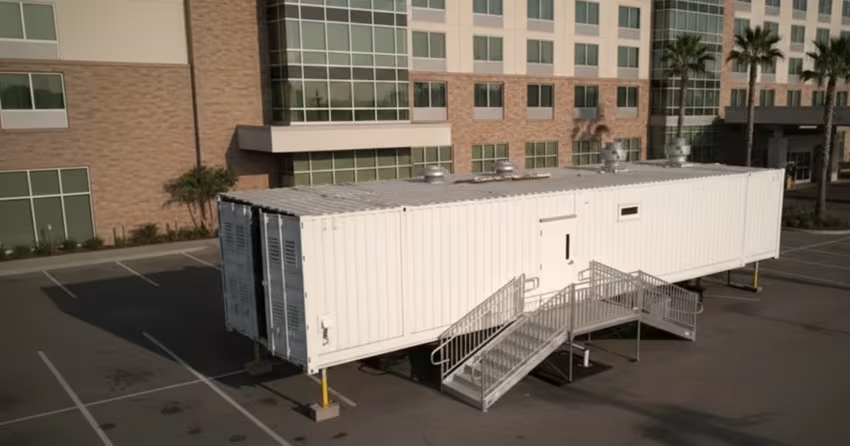
Decks, ramps and site access are also yours; Mobile Culinaire can recommend suppliers, but building and paying for them stays in your scope.
Off-Grid Sites: Same Split, Different Source
On a site with no mains service (a mining camp, a remote mobilization, a greenfield lot) the unit can run off water tanks and generators instead.
That doesn't change who provides and connects them: you still source, connect and pay for whatever feeds the unit. Off-grid changes what you're connecting to, not who does the connecting.
Permitting and Inspection: Who Owns It
Permitting is the client's responsibility, and if you're the one signing the lease, that's you. Requirements vary by state, county and locality: expect to work through the local Health Department, the Fire Marshal and the Building Department, and expect them back on site once the unit is set up.
Mobile Culinaire delivers code-compliant, third-party-inspected units for a straightforward review, but does not pull the permit. See the main permits required in a kitchen renovation for the approvals that stack up around it.
Where This Goes in Your Bid
A temporary kitchen for an occupied-facility renovation is a Division 1 general conditions item: an indirect cost of running the job, priced into the bid rather than added later.
The window to hand that cost to someone else closes at buyout; after that, it's a change order. Pre-construction, not mobilization, is when to get connection requirements on paper.
The Split at a Glance
Get Your Connection Requirements Before You Bid
At Menlo Circus Club, a renovation stretched five months while the kitchen kept a full menu running out of a 2×53′ unit tied into a grease trap and signed off under California's code. That's the proof the boundary holds in practice: get the connection scope right at bid, and it stays routine.
Ask Mobile Culinaire for the connection requirements and site-prep envelope early enough to price at bid.
Disclaimer
Permitting and utility-connection requirements vary by state, county and jurisdiction. Confirm current requirements with the authority having jurisdiction, typically the local Health Department, Fire Marshal and Building Department, before finalizing a bid.
People Also Ask (FAQ)
Does a GC need to price a grease trap on every mobile kitchen job?
Not automatically. It depends on the menu and the local sewer authority's fats-oils-and-grease rules; a full cook line with fryers is more likely to need one than a reheat-only setup. Confirm with the local authority before pricing.
Who connects utilities on a rented mobile kitchen?
The client who signs the lease provides and connects power, water and gas sources, and owns waste disposal and any grease trap. The trailer's internal connections are pre-installed; the signer brings a source to it and makes the tie-in.
Can a mobile kitchen run where there are no utilities at all?
Yes, using water tanks and generators instead of mains service. The split doesn't move: the client still sources, connects and pays for whatever feeds the unit, mains or off-grid.

Testimonial

"What is standing out when you look at the mobile kitchen operation is the efficiency that we can really achieve because it's built for that."
Tell us about your kitchen needs and request a quote.

Turnkey mobile kitchen
Proudly made in-house in the USA
Commercial grade kitchen equipment
Code-compliant
Trusted by Industry Leaders