.gif)
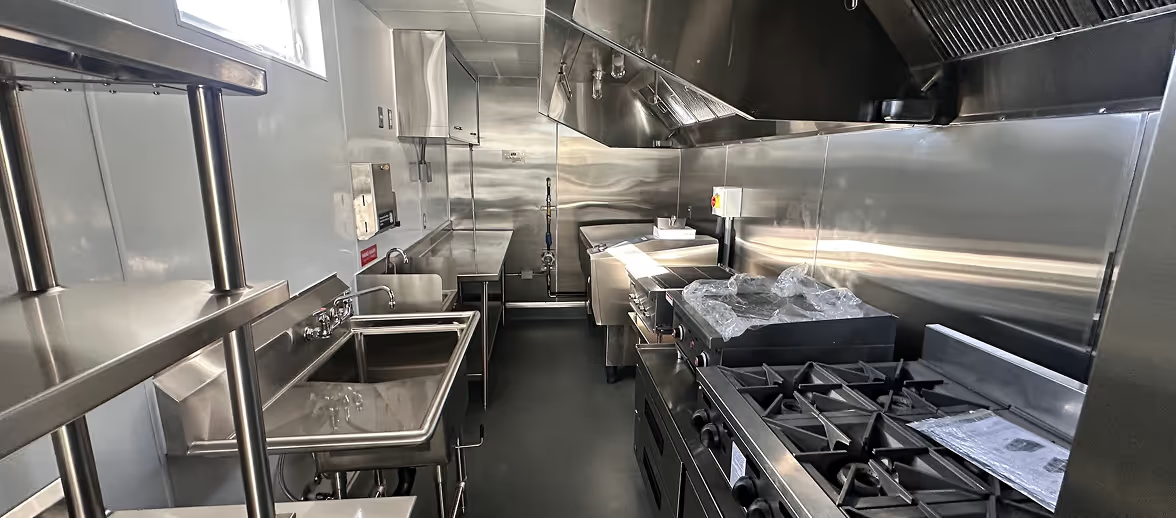
An F&B Director plans a four-month kitchen overhaul, signs a four-month mobile kitchen rental, and locks in the project schedule. Then equipment lead times slip. A permit gets kicked back for revision. Demolition uncovers a structural surprise behind the cook line. By month five, the renovation isn't done — and the rental term is now a problem.
This scenario is common enough that mobile kitchen rental terms have evolved specifically to handle it. Understanding the minimums, the tiers, the extension clauses, and the multi-year lease options is the difference between a smooth deployment and a contract renegotiation under pressure. This guide walks through how long you can rent a mobile kitchen, how extensions work, and what to negotiate before you sign.
How the Industry Structures Mobile Kitchen Rental Terms
Commercial mobile kitchen rental is built around monthly billing cycles, not daily or weekly increments. Hospitality operators need a temporary kitchen for the duration of a renovation, emergency rebuild, or seasonal spike — durations measured in weeks and months, not days.
The Standard Minimum Rental Period
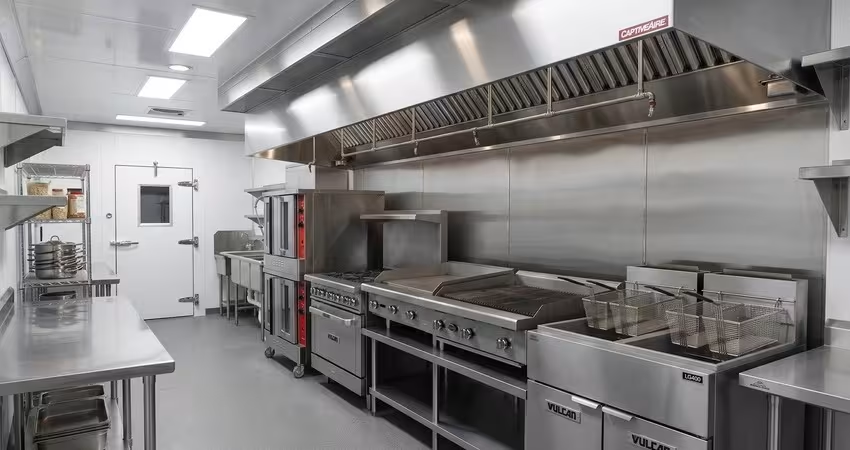
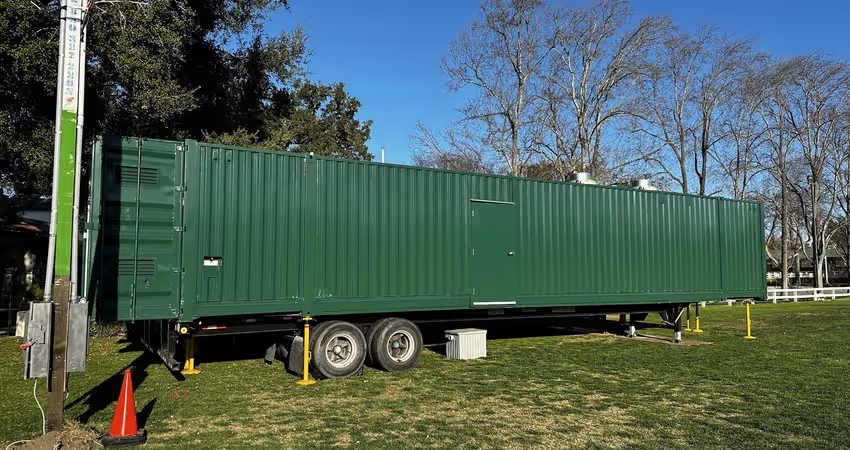
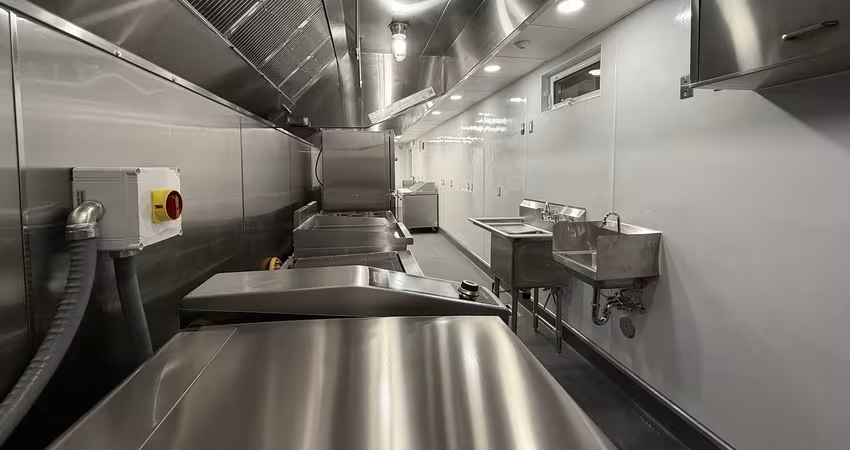
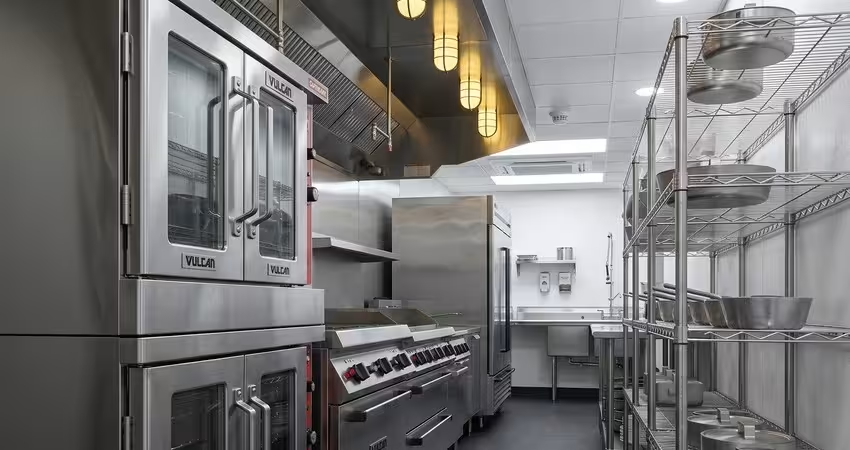
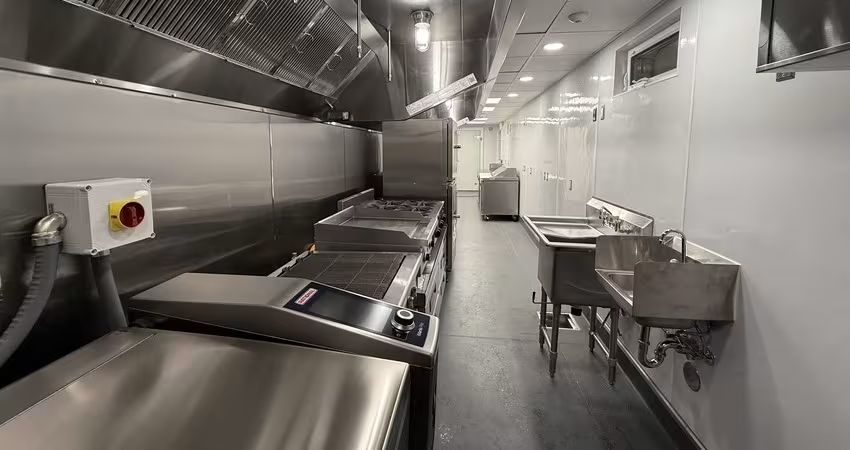
For purpose-built mobile kitchens designed for hospitality operations, the typical minimum rental period is one month. Smaller event-format units may rent on shorter terms, but the commercial-grade fleet — full HVAC, fire suppression, walk-in refrigeration, and the same equipment specifications as a permanent kitchen — is structured around monthly minimums because of fixed deployment costs. Site assessment, delivery, leveling, utility hookups, commissioning, and staff onboarding all need to amortize across enough operating time to make the deployment viable.
Why Monthly Billing Dominates the Market
The Equipment Leasing and Finance Association reports that monthly payment structures dominate commercial equipment leasing across nearly every category, and mobile kitchens are no exception. Monthly cycles give operators predictable budget lines, simplify accounting around renovation capital projects, and create a natural review point if the timeline extends.
Note: Daily and weekly rates for hospitality-grade mobile kitchens, when offered, almost always come at a premium per-day. Once a project exceeds two to three weeks, monthly pricing nearly always delivers better total cost.
Short-Term, Mid-Term, and Long-Term: Three Rental Tiers
Industry pricing and contract structure cluster into three duration tiers. Knowing which tier a project falls into before requesting a quote helps — rates, flexibility, and contract complexity all shift between them.
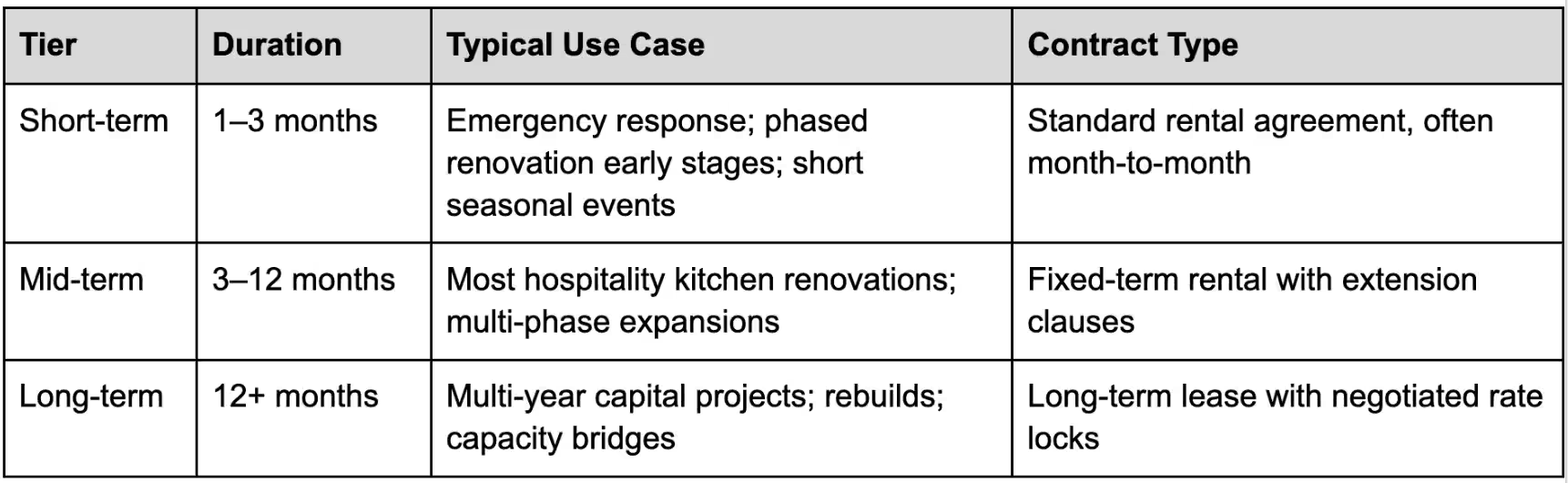
Short-Term Rentals (1–3 Months)
Short-term deployments serve fast-moving situations: a fire, a flood, equipment failure forcing a shutdown, or a phased renovation where the kitchen is only offline for a defined stage. The National Restaurant Association tracks meaningful per-day revenue losses for operators in unplanned closures — which is why short-term mobile kitchen rental terms often emphasize speed of deployment over rate optimization.
Mid-Term Rentals (3–12 Months)
This is the most common tier for hospitality renovation projects. Hotel, resort, and country club kitchen overhauls typically fall in the four-to-nine-month window. Per-month rates drop meaningfully versus short-term rentals because deployment costs amortize across more billing cycles.
Long-Term Rentals and Leases (12+ Months)
Beyond twelve months, mobile kitchen rental terms increasingly resemble a true equipment lease: locked monthly rates, defined maintenance responsibilities, and structured exit terms. Multi-year projects — major capital expansions, rebuilds after disaster events, or capacity bridges before permanent construction — typically negotiate these terms upfront.
How Long Hospitality Operators Actually Rent
The duration most operators end up renting tracks closely with the underlying project type. Knowing the typical range helps when scoping a rental.
Renovation Projects Drive Most Multi-Month Rentals
Renovation is the dominant rental driver. Industry data from the American Hotel & Lodging Association shows hotel kitchen renovations clustering in the three-to-six-month range for moderate-scope projects, with full gut renovations extending past six months when structural work or major utility reconfiguration is involved. A typical hospitality renovation deployment runs four to seven months — long enough that mid-term tier pricing applies, short enough that long-term lease structures aren't required.
Emergency Response and Disaster Recovery
Emergency deployments often start short-term and extend. A grease fire shutting down a hotel kitchen might begin as a 60-day deployment, then extend through insurance assessment, contractor scheduling, and rebuild — easily landing at six to twelve months. Operators in this category benefit from mobile kitchen rental terms that allow extension without renegotiating the base agreement.
Seasonal Capacity and Expansion
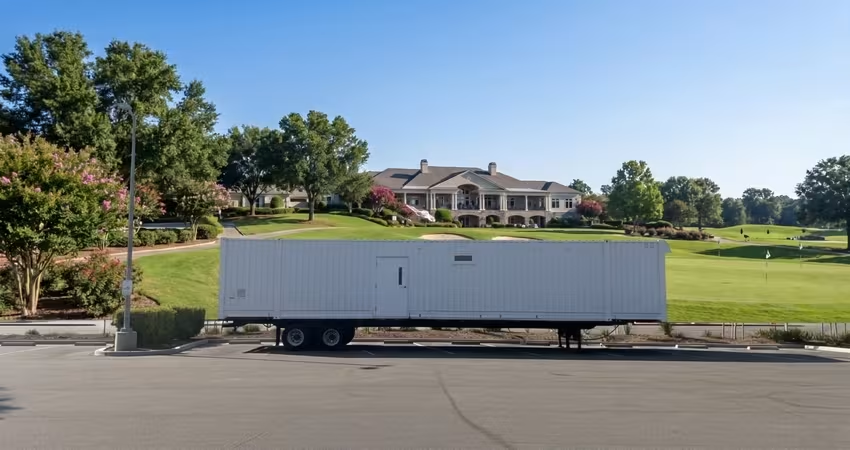
Resorts and country clubs serving heavy summer or tournament seasons sometimes rent for the season — typically four to six months annually, with some operators repeating year over year. For predictable seasonal needs, mobile kitchen rental terms structured around reserved-fleet agreements and year-over-year provider relationships become valuable.
Tip: Operators are often surprised by how long their renovation actually takes. The Foodservice Consultants Society International regularly notes that commercial kitchen project timelines run longer than initial estimates. Build conservative buffers into the rental term, or negotiate extension clauses upfront — it's cheaper than scrambling later.

Multi-Year Leases: When Long-Term Mobile Kitchen Rental Makes Sense
Twelve-plus-month deployments aren't rare in commercial hospitality. Several scenarios make long-term mobile kitchen rental terms financially and operationally sound.
- Phased renovations and capital projects
Sequential back-of-house, front-of-house, and guest-facing venue renovations can extend the temporary kitchen need across 18 to 24 months. Coverage of large hospitality renovations in Hotel Business routinely documents projects in this range.
- Capacity bridges before permanent construction
When a resort or club is expanding food service capacity but hasn't yet broken ground on a permanent extension, a long-term mobile kitchen rental can bridge the gap — generating revenue from new programs before the permanent buildout is online.
- Rebuilds after disaster events
Major rebuilds following fire, flood, or storm damage often extend across 12 to 24 months between assessment, insurance, design, permitting, and construction.
Long-term rental locks in capacity and avoids capital outlay, but creates a recurring expense that, over enough years, can approach the cost of permanent construction. The decision usually comes down to certainty of long-term need, capital availability, and the renovation cost picture for the alternative.
How Mobile Kitchen Lease Extensions Work in Practice
The single most common contract event in commercial mobile kitchen rental is the extension. Operators should understand how providers handle them before they need one.
Mid-Project Extensions
When a renovation runs long mid-project, extension typically happens through a contract addendum — not a renegotiation. Most mobile kitchen rental terms include an extension clause, often at the same monthly rate, sometimes with a modest escalator for periods beyond a defined window. The cleaner the original contract on this point, the smoother the extension.
End-of-Term Extensions and Rate Adjustments
If a rental approaches its end date and the operator needs more time, providers generally offer two paths: month-to-month continuation at a slight premium, or a fixed extension at the original rate. Locking in a fixed extension is almost always cheaper — but requires more lead time.
Notice Periods and How to Avoid Scrambling
Standard contracts include notice provisions for both extension and termination — typically 30 to 60 days. Missing these windows is a leading cause of avoidable cost. The Mobile Culinaire mobile kitchen rental process builds scheduled check-ins around these decision points.
Note: The most common operator mistake is treating the end date as the decision point. By then, fleet availability for an extension may be constrained. Mid-project status reviews — typically at the halfway mark — are when the extension conversation should start.
Factors That Determine the Right Rental Duration
When scoping a rental term, four factors do most of the work in setting the right duration.
- Renovation scope and realistic timeline
The single biggest driver. Use the commercial kitchen renovation timeline as a baseline and add buffer.
- Permit and inspection cycles
Local AHJ schedules can add weeks. Health, fire, and building permits run on independent timelines and can stack.
- Equipment lead times
Trade publication Foodservice Equipment & Supplies tracks lead times of 10–16 weeks for major commercial cooking equipment, with specialty units running longer. A delayed combi oven can push the renovation back by a month.
- Seasonal business cycle
Reopening into peak season is risky. An extra month of mobile kitchen rental is cheaper than a soft launch into the busiest weeks of the year.
Contract Terms to Negotiate Before Signing
The mobile kitchen rental terms operators most often wish they'd negotiated harder fall into four categories.
- Extension and renewal clauses
Confirm extension is available, define the rate (locked or escalator-based), and confirm the notice window.
- Early termination conditions
If the renovation finishes ahead of schedule, what's the cost of returning the unit early? Some contracts charge a break fee; others bill through the original term.
- Maintenance, service, and unit replacement
Confirm who handles equipment service, response times, and what happens if a critical piece fails. FDA Food Code standards require continuous compliance, so service responsiveness is operational, not optional.
- Rate locks and pricing escalators
For long-term leases especially, lock the monthly rate for a defined period. Open-ended escalators on multi-year terms can drift meaningfully.
Tip: Ask for the standard rental agreement before the deeper sales conversation begins. Reading it first tells you which terms are boilerplate and which are negotiable — and it accelerates procurement.
Planning Your Rental Duration with Confidence
Mobile kitchen rental terms aren't one-size-fits-all. The right duration depends on renovation scope, a realistic timeline with buffer, a contract structure that handles extensions cleanly, and a provider relationship that supports a project running long without becoming a procurement crisis.
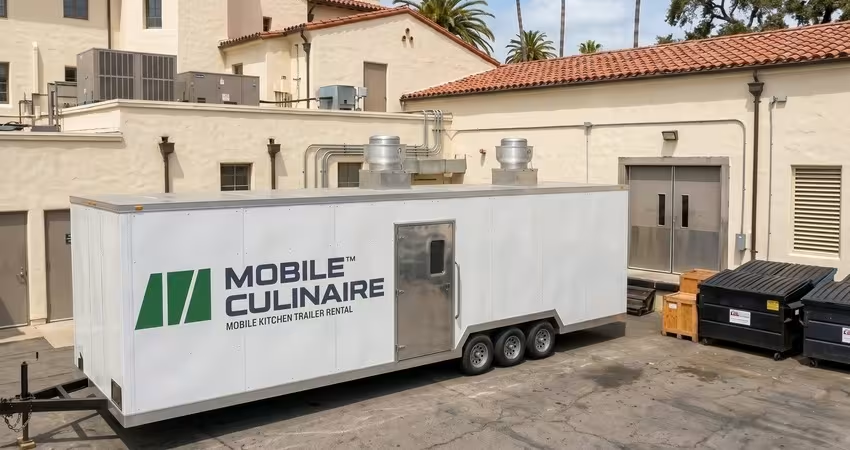
Mobile Culinaire's purpose-built mobile kitchen fleet is configured for short-term, mid-term, and long-term hospitality deployments — with mobile kitchen rental terms structured around how renovation projects actually unfold, not how they're initially scoped. Request a quote with your preliminary timeline and we'll structure terms to match real-world conditions.
People Also Ask (FAQ)
What is the minimum rental period for a mobile kitchen?
For commercial-grade mobile kitchens used by hospitality operators, the standard minimum rental period is one month. This reflects the fixed deployment cost — site assessment, delivery, leveling, utility hookups, commissioning, and staff onboarding all need to amortize across enough operating time to make the deployment viable. Smaller event-format units may rent on shorter terms, but the purpose-built fleet used for hotels, resorts, country clubs, and senior living operations is structured around monthly billing.
Can I extend a mobile kitchen rental mid-project if my renovation runs long?
Yes — most rental contracts explicitly anticipate this. Extension typically happens through a contract addendum at the original monthly rate, or with a modest escalator if the extension period is long. The key is timing: contact your provider at the project halfway point, not as the original end date approaches. Late-notice extensions are still possible but constrained by fleet availability, especially during peak renovation seasons in spring and fall.
What's the difference between renting and leasing a mobile kitchen?
The terms are often used interchangeably, but in practice "renting" refers to standard month-to-month or short fixed-term agreements (typically under 12 months), while "leasing" refers to longer-term agreements with locked monthly rates, defined service terms, and structured exit conditions. Operators with multi-year needs typically negotiate lease-style terms upfront to lock in pricing and ensure unit availability.
How long do most hotel and resort kitchen renovations need a mobile kitchen on site?
Most hotel and resort kitchen renovations need a mobile kitchen for four to seven months. Moderate-scope projects (equipment refresh, layout adjustments, partial MEP updates) cluster in the three-to-five-month range. Full gut renovations involving structural work, complete MEP replacement, or major reconfiguration extend to six to nine months or longer. Always add a 15–20% buffer to the contractor's initial timeline estimate when scoping the rental.

Testimonial

"What is standing out when you look at the mobile kitchen operation is the efficiency that we can really achieve because it's built for that."
Tell us about your kitchen needs and request a quote.
.png)
Turnkey mobile kitchen
Proudly made in-house in the USA
Commercial grade kitchen equipment
Code-compliant
Trusted by Industry Leaders