.gif)
The average commercial kitchen rental cost ranges from $500 to $5,000 per day, but this stark variation leaves most food service operators wondering what they'll actually pay for their specific needs. With kitchen renovations becoming increasingly complex and costly—often exceeding $300,000 for full upgrades—understanding rental pricing has become critical for maintaining operations during downtime. Whether you're facing an emergency closure, planning a renovation, or expanding for seasonal demand, commercial kitchen rental cost depends on factors like equipment specifications, rental duration, location, and service level requirements. This comprehensive guide breaks down 2026 pricing structures, hidden costs, and cost-saving strategies to help you budget accurately for your temporary kitchen solution.
Daily Rental Rate Breakdown by Kitchen Type
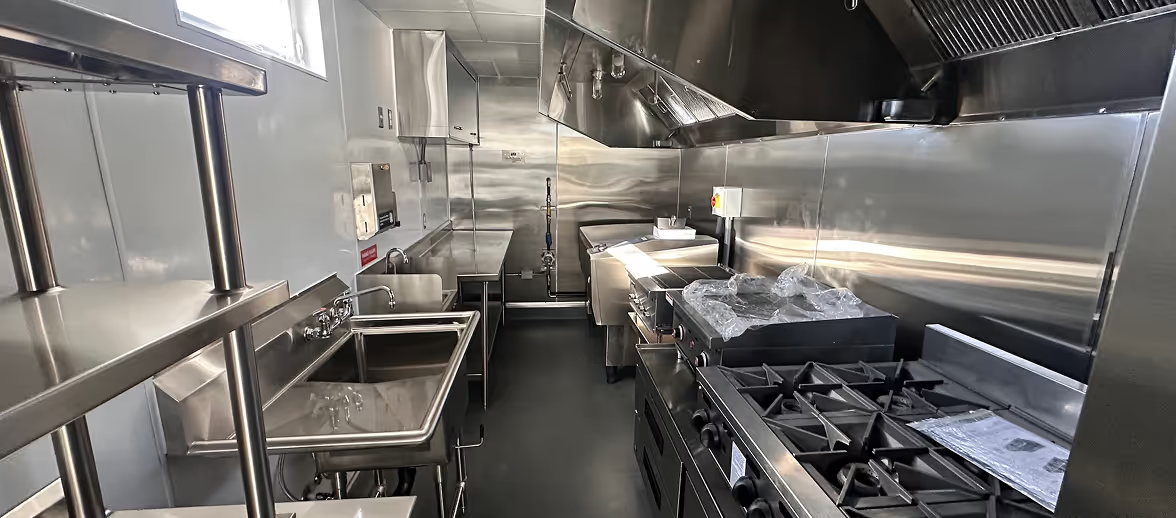
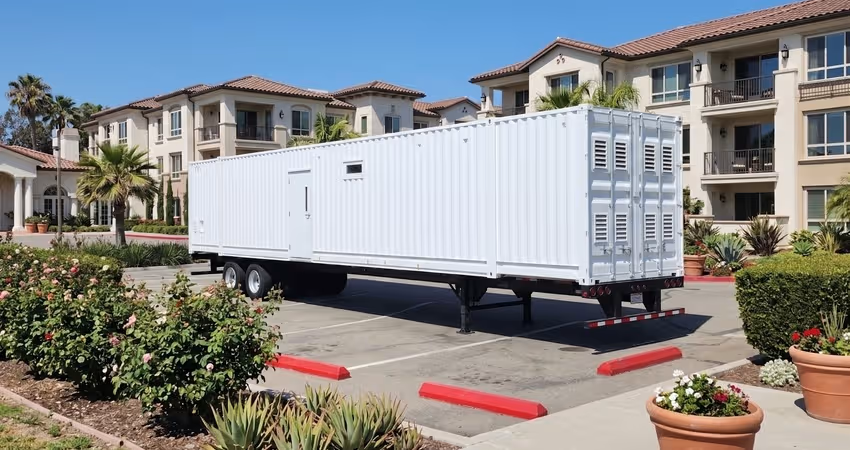
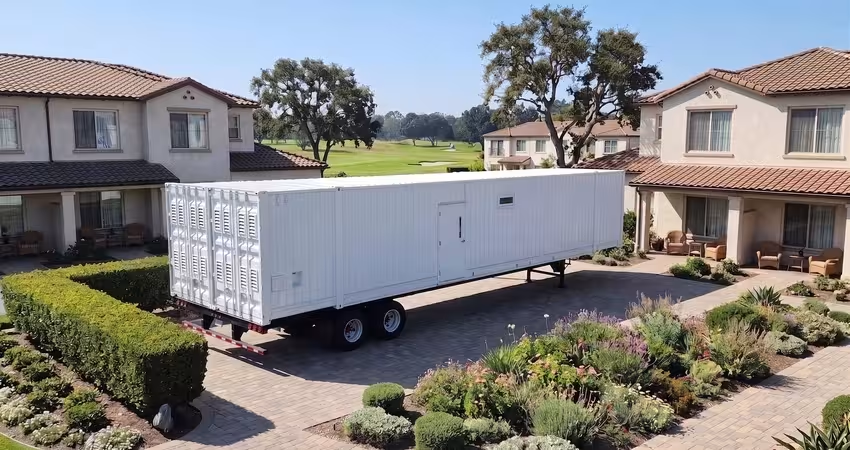
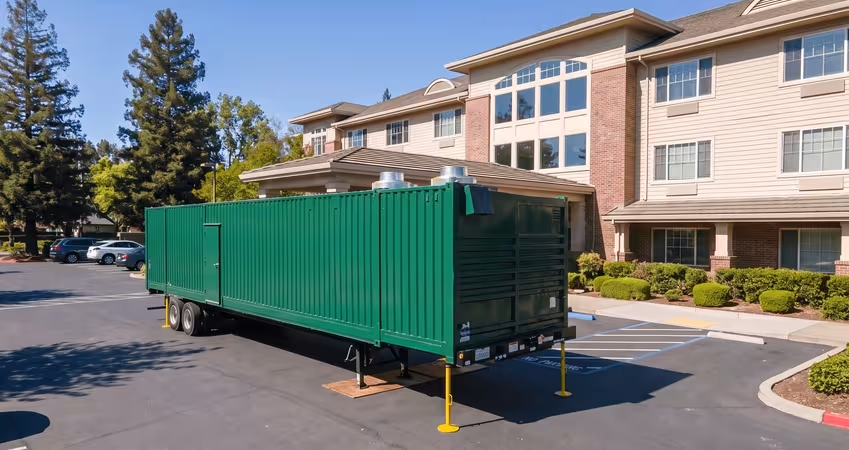
Commercial kitchen rental cost structures vary significantly based on kitchen specifications and intended use. Standard shared-use facilities typically charge $500-$1,200 daily, while fully equipped turnkey operations command $1,500-$3,500 per day. Premium purpose-built mobile kitchen solutions range from $2,000-$5,000 daily but include comprehensive service packages that eliminate additional fees.
.avif)
Kitchen capacity directly influences pricing tiers. Small-format units (300-600 sq ft) serve single operations effectively at lower daily rates. Mid-range kitchens (800-1,200 sq ft) accommodate larger teams and more complex menu requirements. Full-production facilities (1,500+ sq ft) support high-volume operations with specialized equipment configurations.
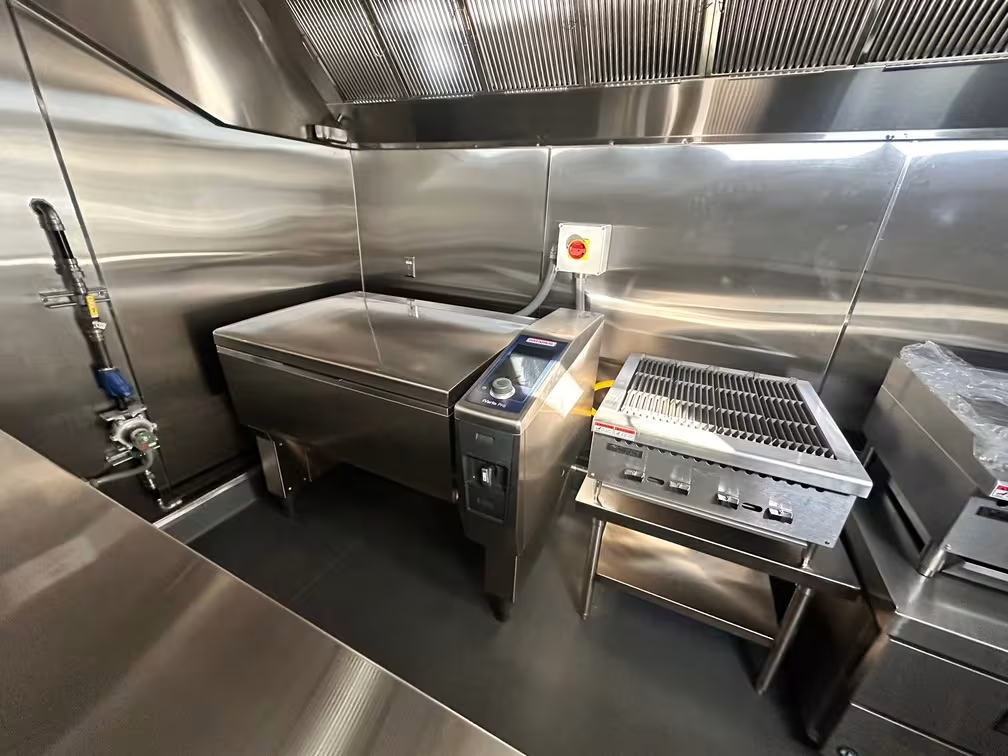
Equipment sophistication creates substantial pricing differences. Basic prep kitchens with standard appliances represent the lowest cost tier. Specialized units featuring combi ovens, blast chillers, and automated systems command premium rates. According to NAFEM commercial foodservice equipment trends, advanced kitchen technology adoption has increased rental values by 25% over the past two years.
Geographic Pricing Variations and Market Dynamics
Regional market conditions create dramatic cost variations across different areas. Metropolitan markets like New York, San Francisco, and Los Angeles typically see daily rates 60-80% higher than national averages due to real estate costs and regulatory complexity.
Secondary markets including Denver, Nashville, and Austin offer more moderate pricing while maintaining quality standards. Rural areas provide the most affordable options but may have limited availability and fewer service providers.
Note: National Restaurant Association industry research indicates that geographic pricing disparities are widening as urban real estate costs continue escalating.
Seasonal demand patterns significantly impact availability and pricing. Peak seasons for events, holidays, and tourism create premium pricing periods in many markets. Smart operators often secure rentals during off-peak periods to minimize costs.
Duration-Based Pricing Models
Rental duration dramatically affects per-day costs through volume discount structures. Short-term rentals (1-7 days) typically carry the highest daily rates due to setup and mobilization costs. Weekly rentals often provide 15-20% discounts compared to daily rates.
Monthly commitments unlock substantial savings, with discounts reaching 30-40% below daily pricing. Operators can calculate the ROI of mobile kitchen rentals by comparing extended rental discounts against operational disruption costs.
Long-term rentals (3+ months) represent the most cost-effective option for extended projects. Many providers offer customized pricing for renovation projects, seasonal operations, or expansion phases. These arrangements often include service packages and equipment upgrades at reduced incremental costs.
Tip: Always negotiate longer-term rates even if your initial timeline is uncertain, as most providers offer flexible extension options.
Additional Costs and Service Fees
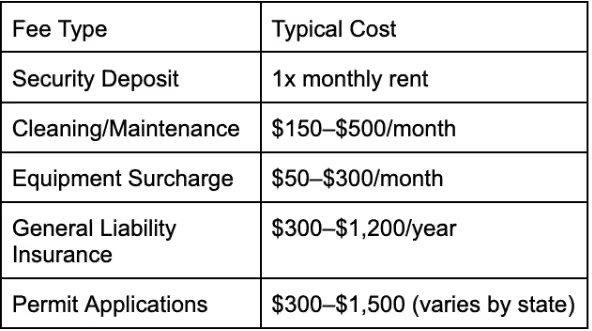
Beyond daily rental rates, several additional expenses affect total project costs. Delivery and setup fees typically range from $1,500-$5,000 depending on distance, complexity, and site requirements. The delivery and setup process involves specialized transportation and professional installation that justify these charges.
Utility connections represent another significant expense category. Electrical hookups, water connections, and waste management systems may require professional installation and permitting. These costs vary widely based on existing infrastructure and local requirements.
- Electrical service upgrades: $500-$2,500
- Water and sewer connections: $300-$1,200
- Propane supply setup: $200-$800
- Waste management contracts: $150-$400 monthly
Insurance requirements add ongoing costs but provide essential protection. Most rental agreements require general liability coverage, while some locations mandate additional policies. Insurance costs typically range from $200-$600 monthly depending on coverage levels and operational scope.

Compliance and Regulatory Factors
Health department approvals and permits create both costs and timeline considerations. FDA Food Code compliance requirements mandate specific equipment, ventilation, and operational standards that affect rental pricing.
Fire safety compliance represents a critical cost factor. NFPA 96 ventilation requirements ensure proper fire suppression and exhaust systems, adding complexity and cost to rental units. Professional installations meeting these standards command higher daily rates but provide essential safety protection.
Local permitting processes vary significantly between jurisdictions. Urban areas often require extensive documentation and approval processes, while rural locations may have simpler requirements. Understanding local regulations helps avoid unexpected delays and associated costs.
Example: A hotel renovation project requiring maintaining hotel operations during renovations must meet hospitality-specific health and safety standards that increase rental complexity and pricing.
Cost Comparison: Rental vs. Revenue Protection
Evaluating commercial kitchen rental cost requires comparing expenses against potential revenue losses during operational shutdowns. Hidden costs of kitchen shutdowns often exceed rental expenses when considering lost sales, staff retention, and customer relationships.
High-volume operations face particularly significant losses during closures. A restaurant generating $20,000 weekly revenue loses $80,000+ monthly during complete shutdowns. Even premium rental costs at $3,000 daily represent savings compared to complete operational closure.
Note: FSR Magazine operations insights indicate that maintaining partial operations during renovations typically preserves 60-80% of customer relationships compared to complete closures.
Seasonal businesses face unique cost-benefit calculations. Peak season operations may justify premium rental costs to maintain revenue during critical periods. Off-season renovations with rental support can position operators for stronger performance during high-demand periods.

Equipment Specifications Impact on Pricing
Kitchen equipment configurations significantly influence daily rental rates. Mobile kitchen equipment specifications determine functionality and operational capacity, directly affecting pricing structures.
Basic equipment packages include standard cooking appliances, refrigeration, and prep surfaces. These configurations serve fundamental food preparation needs at moderate cost levels. Enhanced packages add specialized equipment like combi ovens, blast chillers, and automated systems at premium pricing.
Ventilation systems represent a major cost component due to safety and compliance requirements. Professional-grade exhaust systems with fire suppression capabilities increase daily rates but ensure regulatory compliance and operational safety.
Tip: Evaluate equipment needs carefully to avoid paying for unused capabilities while ensuring sufficient capacity for operational requirements.
Industry-Specific Pricing Considerations
Typical mobile kitchen users span diverse industries with varying cost sensitivities and operational requirements. Healthcare facilities requiring specialized dietary compliance may need enhanced equipment configurations. Educational institutions often prioritize budget efficiency while maintaining food safety standards.
Hospitality operations demand premium service levels and equipment quality to maintain guest satisfaction standards. These requirements increase rental costs but preserve brand reputation and customer experience quality during renovations or expansions.
Catering companies face seasonal demand variations that influence rental duration and pricing negotiations. Understanding industry-specific patterns helps optimize rental timing and cost management strategies.
Example: QSR Magazine operational efficiency studies show that quick-service restaurants benefit from rental solutions that minimize service disruption over pure cost minimization.

Budgeting Strategies for Commercial Kitchen Rentals
Effective budgeting requires comprehensive cost analysis including all direct and indirect expenses. Commercial kitchen renovation costs should incorporate temporary kitchen expenses as essential project components rather than optional add-ons.
Create contingency reserves for unexpected expenses like extended rental periods, additional equipment needs, or site preparation requirements. Industry experts recommend 15-20% contingencies for rental projects due to variable factors affecting final costs.
Compare multiple provider options including service levels, equipment specifications, and total project costs. The lowest daily rate may not represent the best value when considering setup fees, service quality, and operational support.
Tip: Request detailed cost breakdowns including all fees and services to enable accurate comparisons between providers and rental options.
People Also Ask (FAQ)
What factors affect commercial kitchen rental pricing the most?
Kitchen size, equipment complexity, rental duration, and geographic location are the primary cost drivers. Premium equipment like combi ovens and specialized ventilation systems increase daily rates, while longer-term rentals typically reduce per-day costs. Understanding the ROI of mobile kitchen rentals helps justify these investments against operational disruption costs.
How much does it cost to rent a commercial kitchen for a month?
Monthly commercial kitchen rentals typically range from $8,000 to $35,000, depending on size and equipment specifications. Most providers offer significant discounts for monthly commitments compared to daily rates. The hidden costs of kitchen shutdowns often make these monthly investments financially prudent for renovation projects.
Are there hidden costs in commercial kitchen rentals?
Common additional costs include delivery and setup fees ($1,500-$5,000), utility connections, permits, insurance, and potential site preparation. Some providers bundle these services while others charge separately. Understanding the delivery and setup process helps you budget for these often-overlooked expenses.
Is it cheaper to rent or buy a commercial kitchen trailer?
Renting is typically more cost-effective for projects under 18-24 months, while purchasing makes sense for permanent or very long-term needs. Rental eliminates maintenance costs, insurance, and storage concerns. Most common users of mobile kitchens choose rental for its flexibility and lower upfront investment.
Conclusion
Understanding commercial kitchen rental cost structures enables informed decisions that balance operational needs with budget constraints. Smart operators evaluate total project costs including setup, utilities, and service fees rather than focusing solely on daily rates.
Make informed rental decisions by exploring comprehensive mobile kitchen solutions or consulting with rental specialists who can customize pricing for your specific requirements.

Testimonial

"What is standing out when you look at the mobile kitchen operation is the efficiency that we can really achieve because it's built for that."
Tell us about your kitchen needs and request a quote.
.png)
Turnkey mobile kitchen
Proudly made in-house in the USA
Commercial grade kitchen equipment
Code-compliant
Trusted by Industry Leaders