.gif)
.avif)
In California, kitchen trailer inspections can make or break your food service operation—with 73% of mobile food units failing their initial health department inspection due to preventable compliance issues. Whether you're operating a food truck, managing a temporary kitchen during renovations, or running a catering operation, understanding California's specific inspection requirements isn't just about avoiding fines—it's about protecting your business reputation and ensuring guest safety. California's complex regulatory landscape spans multiple agencies, from local health departments to fire safety officials, each with distinct requirements that can vary significantly by county. This comprehensive checklist will walk you through every critical inspection point, from equipment specifications to documentation requirements, ensuring your kitchen trailer passes inspection on the first attempt.
California's Multi-Agency Inspection Framework
California's kitchen trailer inspection california process involves coordination between three primary regulatory bodies, each enforcing different aspects of mobile food facility operations. Understanding this framework prevents costly delays and ensures comprehensive compliance.
The California Retail Food Code serves as the foundational regulation governing all mobile food operations. This comprehensive document establishes mandatory standards for construction materials, sanitation systems, and operational procedures across all 58 counties.
- County Environmental Health Departments: Issue Mobile Food Facility permits, conduct pre-operational inspections, and perform ongoing compliance monitoring
- California Department of Motor Vehicles: Verifies mechanical safety, braking systems, and roadworthiness under the California Vehicle Code
- Local Fire Marshals: Enforce fire suppression, ventilation, and LPG storage requirements per California Fire Code Section 319
Note: Each county may impose additional local ordinances beyond state minimums, making location-specific research essential before beginning operations.
Pre-Inspection Preparation Requirements
Successful kitchen trailer inspection california outcomes depend on thorough preparation before inspectors arrive. California's inspection process requires extensive documentation and system verification across multiple categories.
Documentation Package Assembly
Inspectors require a complete documentation package before beginning physical examination. Missing paperwork frequently causes immediate inspection failures regardless of equipment compliance.
- Mobile Food Facility permit application with approved construction plans
- Commissary agreement demonstrating waste disposal and cleaning arrangements
- Equipment certification documents for all NSF equipment certification standards
- Fire suppression system maintenance records and UL-300 certification tags
- Propane system inspection certificates and leak test documentation
Tip: Organize documentation in a dedicated binder with tabbed sections for each inspector category—health, fire, and mechanical—to demonstrate professionalism and expedite the review process.
System Testing and Calibration
All mechanical and safety systems must be operational and properly calibrated during inspection. Testing these systems beforehand identifies potential issues requiring correction.
Water system pressure testing ensures adequate flow rates for handwashing and warewashing sinks. Temperature monitoring devices require calibration verification using certified thermometers to demonstrate accurate cold holding (≤41°F) and hot holding (≥135°F) capabilities.
Fire suppression systems need activation testing and proper hood coverage verification. Inspectors will verify that NFPA 96 ventilation standards are met for all grease-producing cooking equipment.

Health Department Inspection Checklist
California's health department inspections focus on foodborne illness prevention through proper sanitation, temperature control, and contamination prevention measures. These inspections typically require 2-4 hours depending on trailer complexity.
Water and Plumbing Systems
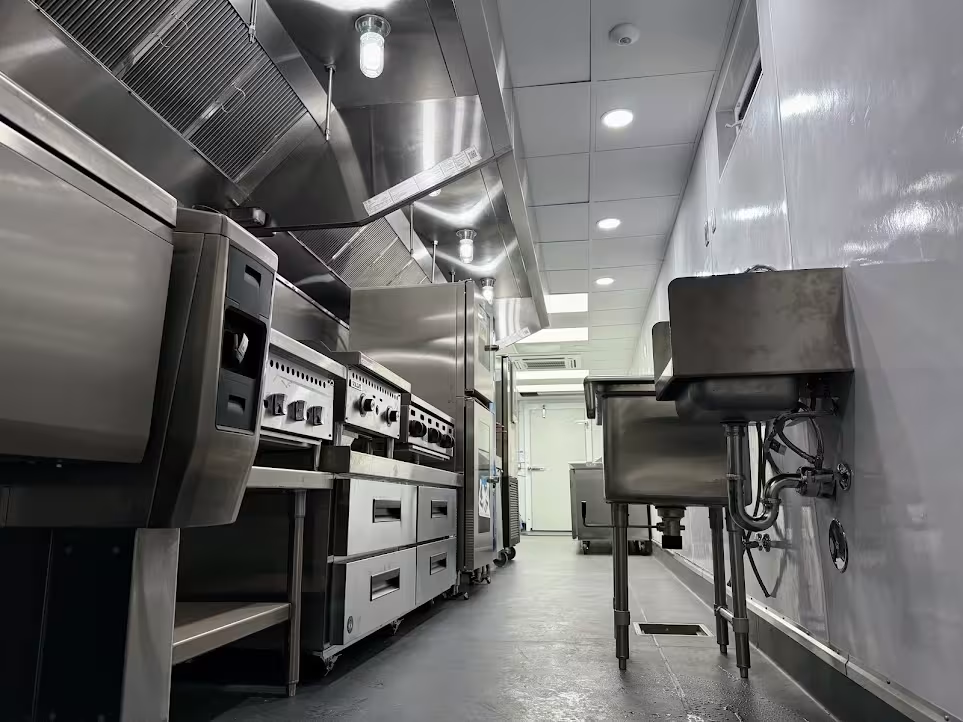
Water system compliance represents the most critical aspect of health inspections. California requires potable water systems with continuous pressure and backflow prevention devices.
- Freshwater tank capacity must support operational needs with 15% larger wastewater tank capacity
- Hot water availability at handwashing sink (minimum 100°F temperature)
- Indirect drainage connections preventing backflow contamination
- Grease trap installation when required by local ordinance
Example: A trailer operating fryers and grills in Los Angeles County requires grease trap installation, while the same equipment in rural counties may only need grease disposal agreements.
Food Contact Surface Standards
All surfaces contacting food must meet specific material and construction requirements. Non-porous, easily cleanable surfaces prevent bacterial growth and contamination.
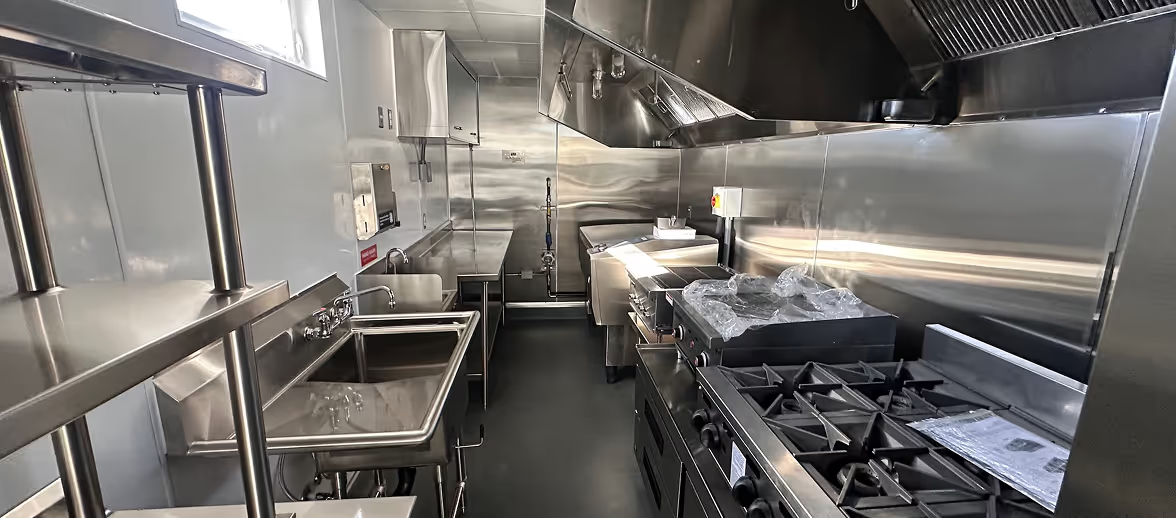
Cutting boards, prep tables, and serving areas require smooth, non-absorbent materials like stainless steel or approved plastic composites. Equipment mounting prevents crevices where bacteria can accumulate, and proper spacing allows thorough cleaning access.
Note: Inspectors use ATP testing devices to verify cleanliness levels on food contact surfaces, making thorough cleaning essential before inspection appointments.
Temperature Control Verification
Refrigeration and heating equipment must demonstrate consistent temperature maintenance throughout the inspection period. Inspectors verify both equipment performance and monitoring procedures.
Built-in thermometers require calibration certificates, and backup monitoring systems demonstrate redundancy in temperature control. Data logging capabilities show historical temperature performance and help identify potential equipment issues.
Fire Safety and Mechanical Compliance
Fire safety inspections protect both operators and the public from propane-related incidents and cooking fires. California's fire codes specifically address mobile food preparation vehicles with detailed requirements for ventilation and suppression systems.
Fire Suppression System Requirements
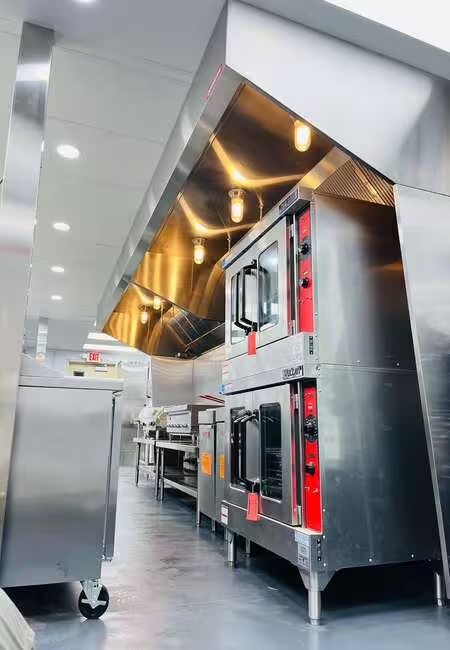
UL-300 wet chemical suppression systems are mandatory for all grease-producing cooking equipment. These systems must be professionally installed, tagged, and maintained according to manufacturer specifications.
Hood coverage calculations ensure proper suppression agent distribution over cooking surfaces. Inspectors verify that hood overhangs meet minimum requirements and that suppression nozzles align with cooking equipment placement.
Class K fire extinguishers provide backup protection and must be easily accessible from cooking areas. Monthly inspection tags demonstrate ongoing maintenance compliance.
Propane System Safety
LPG storage and distribution systems require professional installation and regular inspection. California fire codes mandate external cylinder storage with secure mounting systems.
- Propane cylinders mounted outside trailer compartments with ventilation
- Emergency shutoff valves accessible from inside cooking area
- Gas leak detection systems in enclosed spaces
- Proper appliance connections with flexible gas connectors meeting code requirements
Tip: Schedule propane system inspections annually even when not required, as proactive maintenance prevents emergency shutdowns during peak operating seasons.
Mechanical and Road Safety Standards
DMV inspections verify trailer roadworthiness and safety compliance under the California Vehicle Code. These inspections focus on braking systems, lighting, and structural integrity.
Brake systems must meet weight-class requirements with proper adjustment and maintenance. Dual safety chains provide backup coupling security, while breakaway systems protect against runaway trailers.
Lighting systems including turn signals, brake lights, and hazard flashers require functionality testing. Reflective tape placement enhances visibility during transport operations.

Compliance Solutions for California Operations
Achieving consistent inspection success requires understanding common failure points and implementing preventive measures. Purpose-built mobile kitchens eliminate many retrofit-related compliance issues through engineered design and quality construction.
Professional Design and Manufacturing
Factory-built mobile kitchens incorporate California compliance requirements during the design phase rather than attempting modifications after construction. This approach ensures proper ventilation sizing, adequate electrical capacity, and appropriate material selection.
Mobile kitchen equipment specifications address inspection requirements systematically, reducing the likelihood of expensive modifications during the permitting process.
Note: Custom-built units often require multiple inspection cycles to address design deficiencies, while purpose-built kitchens typically pass initial inspections more consistently.
Turnkey Service and Support
Comprehensive service packages handle permit coordination, delivery logistics, and setup procedures. Professional delivery and setup services ensure proper utility connections and system activation before operations begin.
Ongoing support includes maintenance scheduling, permit renewal assistance, and compliance updates as regulations change. This comprehensive approach minimizes operational disruptions and maintains consistent inspection readiness.
Renovation and Expansion Applications
Hotels, resorts, and institutional food service operations benefit from compliant mobile kitchen solutions during facility upgrades. Maintaining service during renovations requires fully compliant temporary facilities that meet the same standards as permanent installations.
Hospitality mobile kitchen solutions provide seamless service continuation while permanent facilities undergo improvements. Understanding commercial kitchen permit requirements helps facilities plan renovation timelines effectively.
Example: A resort planning kitchen renovations can maintain full dining service with a compliant mobile kitchen, avoiding guest service disruptions and revenue losses during construction periods.
Cost-Benefit Analysis of Compliance
Proper inspection preparation and compliance investment provides significant financial returns through avoided penalties, reduced downtime, and enhanced operational reliability. Mobile kitchen ROI analysis demonstrates the economic advantages of professional compliance management.
Inspection failures cost operations both direct penalties and lost revenue during shutdown periods. National Restaurant Association compliance research shows that proactive compliance management reduces total operating costs compared to reactive penalty management.
Professional compliance support eliminates the learning curve associated with California's complex regulatory environment. Common compliance mistakes to avoid include inadequate documentation, improper equipment selection, and insufficient system capacity.
Tip: Calculate compliance costs as a percentage of total revenue rather than absolute expenses—proper compliance typically represents less than 3% of gross revenue while preventing much larger penalty exposure.
People Also Ask (FAQ)
What agencies inspect kitchen trailers in California?
Kitchen trailers in California are inspected by multiple agencies including local health departments, fire departments, and building code enforcement. The California Department of Public Health oversees statewide standards, but enforcement occurs at the county level. Understanding permit requirements is crucial since each jurisdiction may have additional local ordinances beyond state minimums.
How often do California kitchen trailers need inspection?
Most California counties require initial inspection before operation begins, followed by annual renewals and periodic unannounced inspections. High-risk operations may face quarterly inspections, while seasonal operations need pre-opening inspections each year. The frequency depends on your operation type, past compliance history, and local health department policies.
What are the most common reasons kitchen trailers fail inspection in California?
The top failure points include inadequate handwashing facilities, improper food storage temperatures, missing or expired permits, and insufficient ventilation systems. Equipment placement violations and lack of required documentation also frequently cause failures. Avoiding common renovation mistakes can help prevent many of these compliance issues.
Do kitchen trailers need different permits than permanent commercial kitchens in California?
Yes, kitchen trailers require mobile food facility permits in addition to standard food service licenses. They also need vehicle registration, mobile vendor permits, and location-specific permits for each operating site. Professional delivery and setup services often include permit coordination to ensure compliance across all jurisdictions.
Conclusion
California's comprehensive inspection requirements protect public health while creating opportunities for professional food service operations. Success requires understanding multi-agency coordination, thorough preparation, and ongoing compliance management.
Explore our inspection-ready mobile kitchen solutions or schedule a consultation with our compliance specialists.


Testimonial

"What is standing out when you look at the mobile kitchen operation is the efficiency that we can really achieve because it's built for that."
Tell us about your kitchen needs and request a quote.
.png)
Turnkey mobile kitchen
Proudly made in-house in the USA
Commercial grade kitchen equipment
Code-compliant
Trusted by Industry Leaders