.gif)
%2520(1)%2520(1).avif)
Did you know that Florida's kitchen trailer inspection requirements are among the most stringent in the nation, with specific protocols that can make or break your mobile food operation? The Sunshine State's complex regulatory landscape combines state health department standards, local county requirements, and municipal codes that vary significantly across its 67 counties. For hospitality professionals managing temporary kitchen operations during renovations or expansions, understanding Florida's inspection checklist isn't just about compliance—it's about avoiding costly shutdowns, operational delays, and potential legal issues. This comprehensive guide breaks down every critical inspection requirement, from initial permitting to ongoing compliance checks, ensuring your kitchen trailer meets Florida's exacting standards from day one.

Florida's Multi-Tiered Regulatory Framework
State-Level Oversight
Florida's kitchen trailer inspection florida process operates through multiple agencies with distinct responsibilities. The Florida Department of Business and Professional Regulation manages Mobile Food Dispensing Vehicle (MFDV) licensing, while the Florida Department of Health Food Safety Division enforces sanitation protocols under Chapter 64E-11, F. A. C.
The state's approach prioritizes risk-based assessment, considering factors like menu complexity, food preparation methods, and operational environment. High-risk operations involving extensive food preparation face more frequent inspections than simple reheating operations.
Note: Florida processes over 8,000 MFDV applications annually, making streamlined compliance essential for timely approvals.
Local Authority Requirements
County fire marshals enforce the Florida Fire Prevention Code (FFPC), incorporating NFPA 96 Standard for Ventilation Control requirements for commercial cooking operations. Municipal zoning authorities control operational locations, hours, and proximity restrictions.
Each jurisdiction may impose additional requirements beyond state minimums, particularly regarding noise ordinances, waste disposal, and setback distances from permanent structures.
Essential Inspection Components
Food Safety Infrastructure
Temperature control systems form the backbone of successful inspections. NSF International Food Equipment Standards specify requirements for refrigeration units maintaining 41°F or below and hot holding equipment operating at 135°F minimum.
Critical control points include:
- Dedicated handwashing stations with hot water, soap dispensers, and single-use towels
- Three-compartment warewashing sinks with proper drainage
- Food storage systems preventing cross-contamination
- Temperature monitoring devices with calibration records
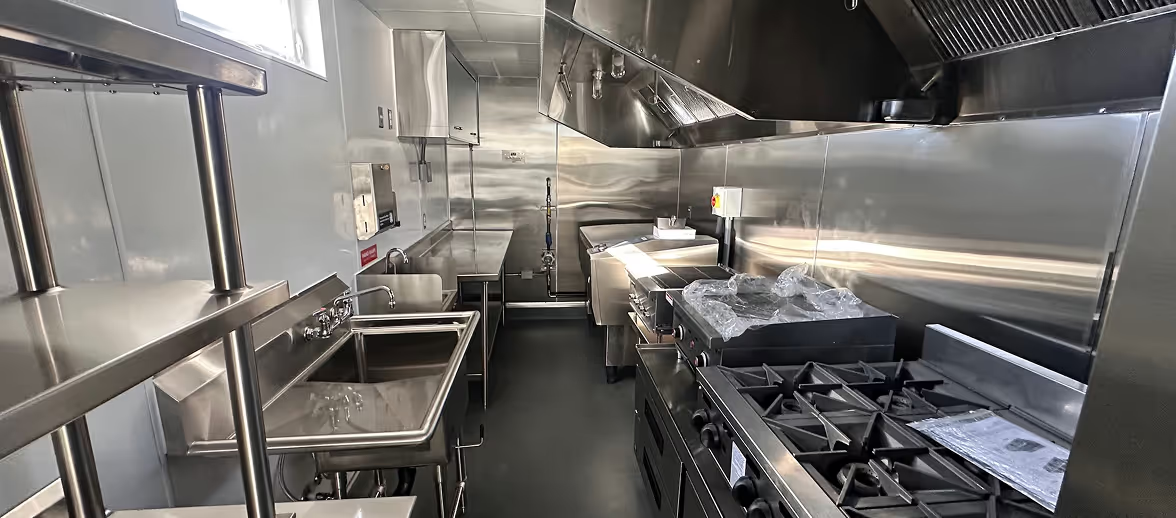
Proper mobile kitchen equipment and layout significantly reduces violation risks compared to improvised setups.
Structural and Sanitation Standards
Interior construction must meet commercial food service specifications. Floors require seamless, non-porous materials with integrated drainage systems. Wall and ceiling finishes must withstand frequent cleaning with commercial sanitizers.
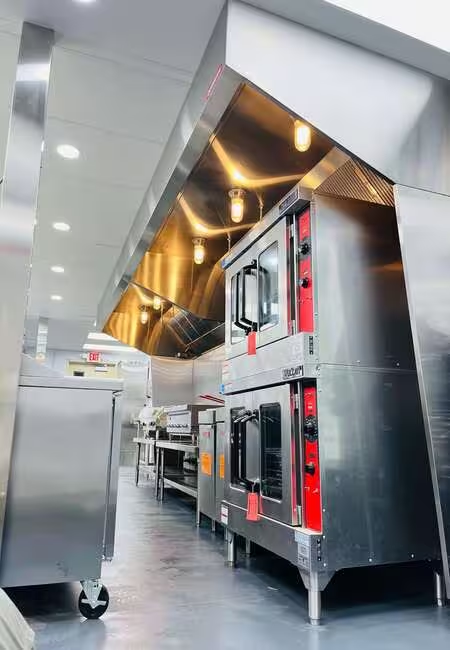
Ventilation systems need professional design matching cooking equipment output. Type I hoods with grease capture capabilities connect to UL-300 compliant fire suppression systems for operations producing grease-laden vapors.
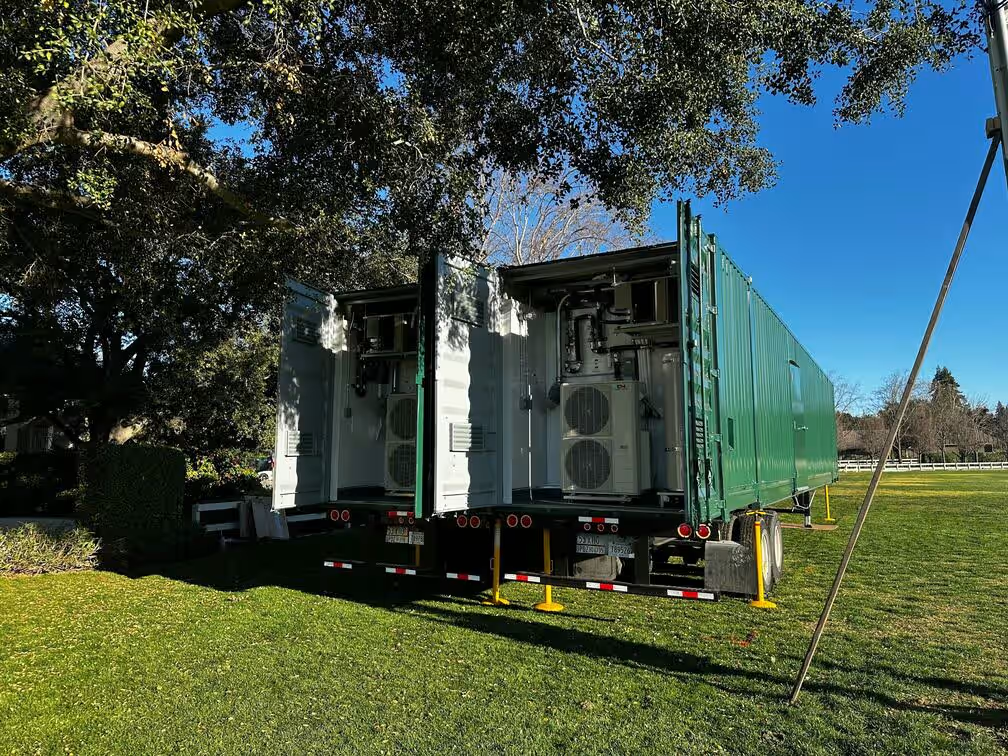
Tip: Purpose-built mobile kitchens incorporate these requirements during manufacturing, avoiding costly retrofits during inspection preparation.
Utility System Compliance
Electrical installations must comply with National Electrical Code standards, including Ground Fault Circuit Interrupter (GFCI) protection in wet areas. Plumbing systems require backflow prevention devices and properly sized waste lines.
Propane systems face stringent oversight under Florida Statutes Chapter 527. Cylinder storage, flexible connectors, and manual shutoff valves must meet current NFPA 96 Standard for Ventilation Control specifications.
Water supply connections through approved commissaries or municipal sources require documentation during plan review phases.
Documentation and Permitting Process
Plan Review Submission
The DBPR plan review process begins with Form HR-7006, including scaled drawings, equipment specifications, and operational procedures. Submissions must demonstrate compliance with both FDA Retail Food Protection Guidelines and Florida-specific requirements.
Required documentation includes:
- Detailed floor plans showing equipment placement and workflow patterns
- Mechanical and plumbing schematics with capacity calculations
- Menu analysis demonstrating food safety protocols
- Commissary agreements or water/wastewater connection approvals
The commercial kitchen permitting process typically requires 3-6 weeks for complete review and approval.

Fire Safety Certification
Local fire departments conduct separate inspections focusing on life safety systems. Hood installation, suppression system testing, and egress planning require specialized contractors familiar with mobile food service applications.
LP-gas installations need certification from licensed technicians, including pressure testing and leak detection verification. Fire extinguisher placement and accessibility receive detailed scrutiny during inspections.
Example: A properly configured mobile kitchen includes Class K extinguishers near cooking areas, automatic hood suppression systems, and clear egress paths maintaining 32-inch minimum widths.
Operational Compliance
Post-approval operations require ongoing documentation demonstrating food safety practices. Temperature logs, cleaning schedules, and employee health certifications support routine inspections.
Risk-based inspection frequencies range from quarterly for high-risk operations to annually for limited menus. Violation history, complaint investigations, and seasonal factors influence scheduling.
Professional operators maintain relationships with approved commissaries providing warewashing, storage, and waste disposal services meeting regulatory requirements.
Common Inspection Challenges
Retrofit Limitations
Converted trailers often struggle meeting commercial kitchen standards due to structural constraints. Inadequate ventilation, undersized electrical systems, and poor drainage create recurring violations.
Professional-grade equipment installation in limited spaces requires specialized expertise. Common kitchen compliance mistakes include improper clearances, inadequate utilities, and substandard construction materials.
Temperature Control Violations
Insufficient refrigeration capacity during peak demand periods creates food safety risks. Cooling procedures failing to meet time-temperature requirements result in immediate violations requiring corrective action.
Hot holding equipment lacking proper controls allows temperatures to drift below safe minimums. Digital thermometers with data logging capabilities provide verification during inspections.
Strategic Advantages of Professional Solutions
Purpose-Built Design
Mobile kitchen solutions for hospitality businesses require engineering expertise matching permanent facility standards. In-house manufacturing ensures regulatory compliance throughout the design phase.
Integrated systems eliminate compatibility issues between components. Electrical load calculations, ventilation requirements, and structural capacities receive professional engineering analysis.
Turnkey Implementation
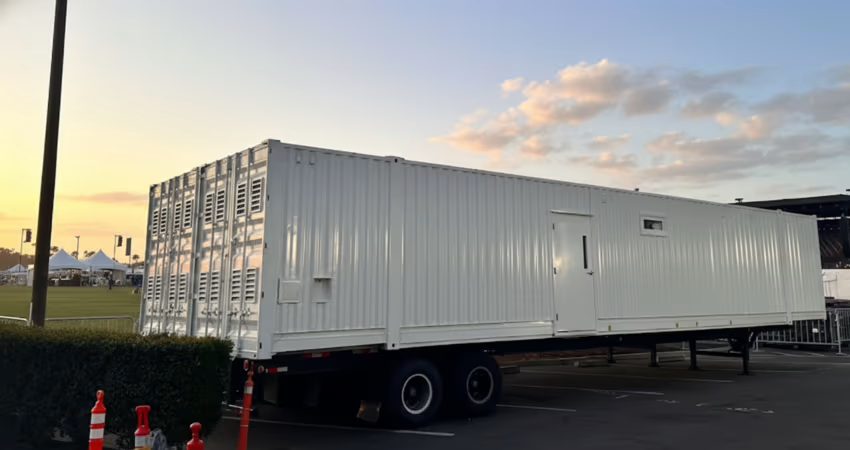
Professional mobile kitchen delivery and setup services manage permitting coordination, inspection scheduling, and regulatory compliance verification.
Who uses mobile kitchen trailers includes luxury hotels, event venues, and restaurants requiring uninterrupted service during renovations.
Established operators provide inspection-ready units eliminating delays associated with compliance corrections. Maintaining food service during renovations becomes seamless with properly configured mobile kitchens.

People Also Ask (FAQ)
What permits are required for kitchen trailers in Florida?
Florida requires multiple permits including a mobile food vendor permit from the Department of Business and Professional Regulation, local health department approval, and often county-specific permits. Each county may have additional requirements for zoning, fire safety, and waste disposal. The permitting process typically takes 2-4 weeks depending on your location and can vary significantly between counties like Miami-Dade versus rural areas.
How often do kitchen trailers need inspection in Florida?
Florida mandates initial inspections before operation begins, followed by routine inspections at least twice per year for most mobile food operations. Frequency can increase based on risk factors, previous violations, or specific county requirements. Some high-volume operations may face quarterly inspections. Properly equipped mobile kitchens with professional-grade systems typically pass inspections more consistently than retrofitted trailers.
What are the most common inspection violations for kitchen trailers in Florida?
The most frequent violations include inadequate handwashing facilities, improper food storage temperatures, insufficient ventilation systems, and non-compliant waste disposal methods. Electrical and plumbing issues are also common, particularly in retrofitted trailers that weren't purpose-built for commercial food service. Purpose-built mobile kitchens designed to commercial standards significantly reduce violation risks compared to converted trailers.
Can kitchen trailers operate during hotel or restaurant renovations in Florida?
Yes, kitchen trailers can legally operate as temporary food service solutions during renovations, provided they meet all inspection requirements and obtain proper permits. Many Florida hotels and restaurants use mobile kitchens to maintain operations during kitchen renovations. Professional mobile kitchen rentals ensure compliance while allowing businesses to continue serving guests without interruption during construction projects.
Conclusion
Florida's comprehensive inspection framework protects public health while supporting vibrant mobile food operations. Success requires understanding multi-agency requirements, maintaining professional-grade equipment, and demonstrating consistent food safety practices.
Navigate Florida's complex regulatory environment efficiently with inspection-ready mobile kitchen solutions or connect with compliance specialists who understand every requirement from DBPR licensing through fire marshal approval.


Testimonial

"What is standing out when you look at the mobile kitchen operation is the efficiency that we can really achieve because it's built for that."
Tell us about your kitchen needs and request a quote.
.png)
Turnkey mobile kitchen
Proudly made in-house in the USA
Commercial grade kitchen equipment
Code-compliant
Trusted by Industry Leaders