.gif)
Did you know that 73% of mobile kitchen deployments face permit delays that could have been avoided with proper regulatory planning? When your permanent kitchen needs renovation or expansion, a mobile kitchen permit becomes the critical gateway between operational continuity and costly downtime. Unlike food trucks that navigate street vending regulations, temporary commercial mobile kitchens must comply with the same rigorous health department standards, fire codes, and zoning requirements as permanent facilities. Understanding these regulatory requirements upfront—from health department inspections to electrical permits and fire safety compliance—ensures your mobile kitchen rental integrates seamlessly into your operation without regulatory roadblocks. This guide breaks down exactly which permits you need, when to apply, and how to navigate the approval process efficiently.

Essential Health Department Requirements
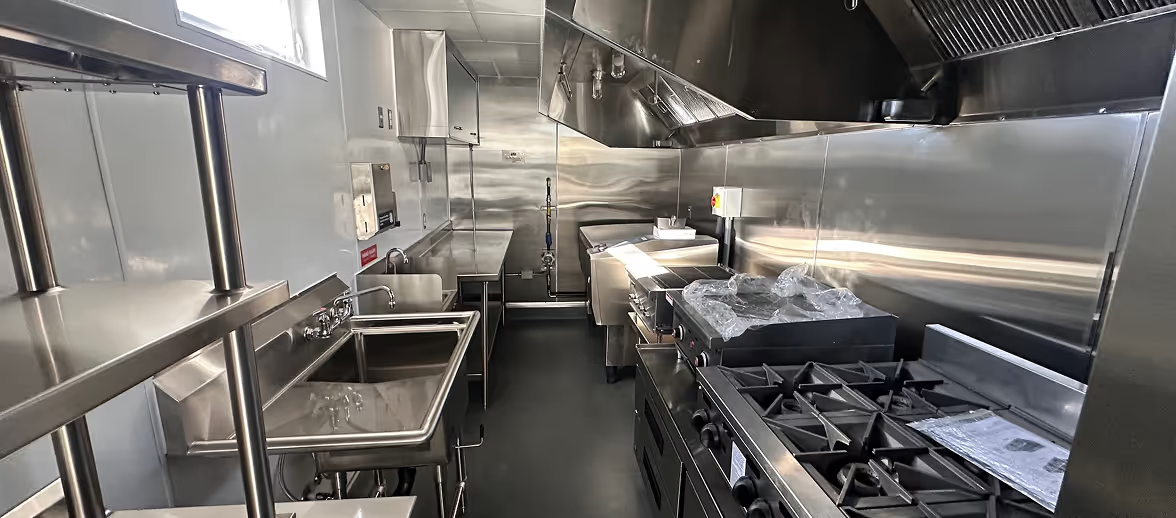
Mobile kitchens face identical food safety standards as permanent establishments under FDA Food Code guidelines. Health inspectors verify compliance with temperature control protocols, sanitation procedures, and NSF equipment certification standards before issuing operational permits.
Critical compliance areas include:
- Temperature monitoring systems: Cold storage at 41°F or below, hot holding at 135°F minimum
- Handwashing stations: Dedicated sinks with hot water, soap dispensers, and single-use towels
- Three-compartment dishwashing: Separate wash, rinse, and sanitize sections with proper chemical concentrations
- Food-grade surfaces: All prep areas must use non-porous, easily cleanable materials
- Pest exclusion measures: Sealed openings, door sweeps, and screened ventilation
Note: Many jurisdictions require commissary agreements for off-site cleaning, storage, and waste disposal before approving mobile kitchen permits.
The mobile kitchen equipment and layout significantly impacts inspection outcomes. Purpose-built units with integrated compliance features streamline the approval process compared to retrofitted trailers.
Fire Safety and Suppression System Permits
Fire departments mandate comprehensive safety evaluations covering suppression systems, ventilation compliance, and emergency protocols. NFPA 96 ventilation standards govern commercial cooking exhaust systems and automatic fire suppression installations.
Fire permit requirements encompass:
- Automatic suppression systems: Wet chemical discharge systems over cooking equipment
- Commercial ventilation: Proper airflow rates and grease capture efficiency
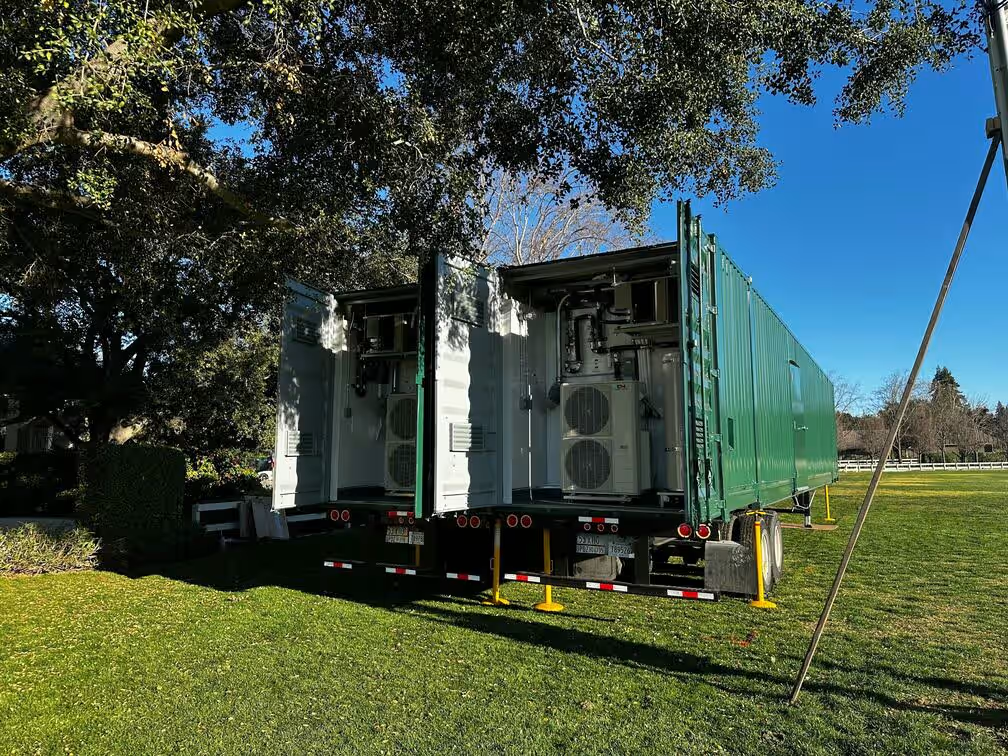
- Propane system inspections: Leak testing, proper mounting, and emergency shutoffs
- Electrical system certification: Licensed electrician installation and code compliance verification
- Emergency egress planning: Clear exit routes and accessibility compliance
Tip: Schedule fire department inspections early in your timeline, as suppression system testing often requires multiple visits for complete approval.

Zoning and Site Placement Approvals
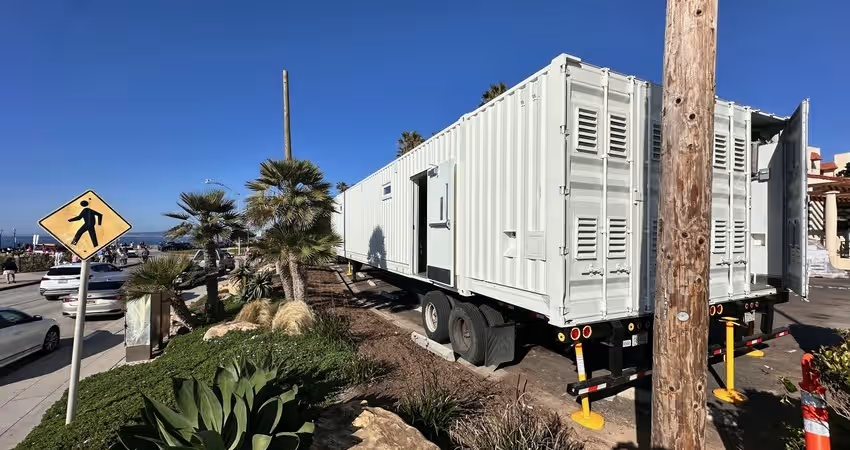
Location-specific regulations determine where mobile kitchens can legally operate, regardless of health and fire approvals. Zoning departments evaluate temporary use permits, setback requirements, and compatibility with existing land use designations.
Common zoning considerations include:
- Temporary use duration limits: Maximum operational periods before requiring permanent use permits
- Distance restrictions: Required separation from schools, hospitals, or competing establishments
- Parking and access requirements: Adequate customer parking and ADA-compliant pathways
- Noise and emission controls: Generator operation hours and exhaust system placement
The private club mobile kitchen solutions often face unique zoning challenges due to exclusive venue designations and member-only service restrictions.
Example: A resort renovation project may require conditional use permits for temporary kitchen placement in areas zoned for hospitality but not food service operations.
Electrical and Utility Connection Permits
Licensed electricians must install and inspect all electrical connections before mobile kitchen operation. Utility permits verify safe power distribution, proper grounding, and load capacity calculations for commercial cooking equipment.
Electrical compliance verification includes:
- Service panel sizing: Adequate amperage for simultaneous equipment operation
- GFCI protection: Ground fault circuit interrupters in wet locations
- Emergency disconnect switches: Accessible shutoffs for kitchen and suppression systems
- Lighting adequacy: Minimum 50 foot-candles in food preparation areas
Note: Water and sewer connections may require separate plumbing permits, particularly for long-term installations exceeding temporary service thresholds.

Permit Application Timeline and Coordination
Successful mobile kitchen permit approval requires strategic timing and parallel processing across multiple departments. The delivery and setup process must coordinate with inspection schedules to avoid operational delays.
Typical approval sequence:
- Plan review submission: Equipment specifications, menu details, and site plans
- Health department evaluation: Food safety protocols and sanitation system review
- Fire department assessment: Suppression system plans and ventilation calculations
- Zoning verification: Land use compliance and temporary permit requirements
- Final inspections: Multi-department approval before operational authorization
Executive chefs managing renovation timeline planning should allocate 3-4 weeks minimum for permit processing, with additional buffer time during peak construction seasons.
Tip: Submit applications simultaneously rather than sequentially to compress overall approval timelines and identify conflicting requirements early.
Multi-Jurisdiction Compliance Challenges
Operations spanning multiple locations face complex regulatory landscapes with varying standards between counties and municipalities. Common mobile kitchen applications often require permits in different jurisdictions for catering routes or multi-site events.
Key compliance strategies include:
- Jurisdiction-specific research: Individual permit requirements and fee structures
- Reciprocity agreements: State-level certifications accepted across municipal boundaries
- Mobile permit types: Special endorsements for itinerant food service operations
- Documentation standardization: Consistent compliance packets for streamlined approvals
Example: A hospital system renovation may require separate permits for mobile kitchens serving multiple campus locations across different city jurisdictions.
Regulatory Compliance Best Practices
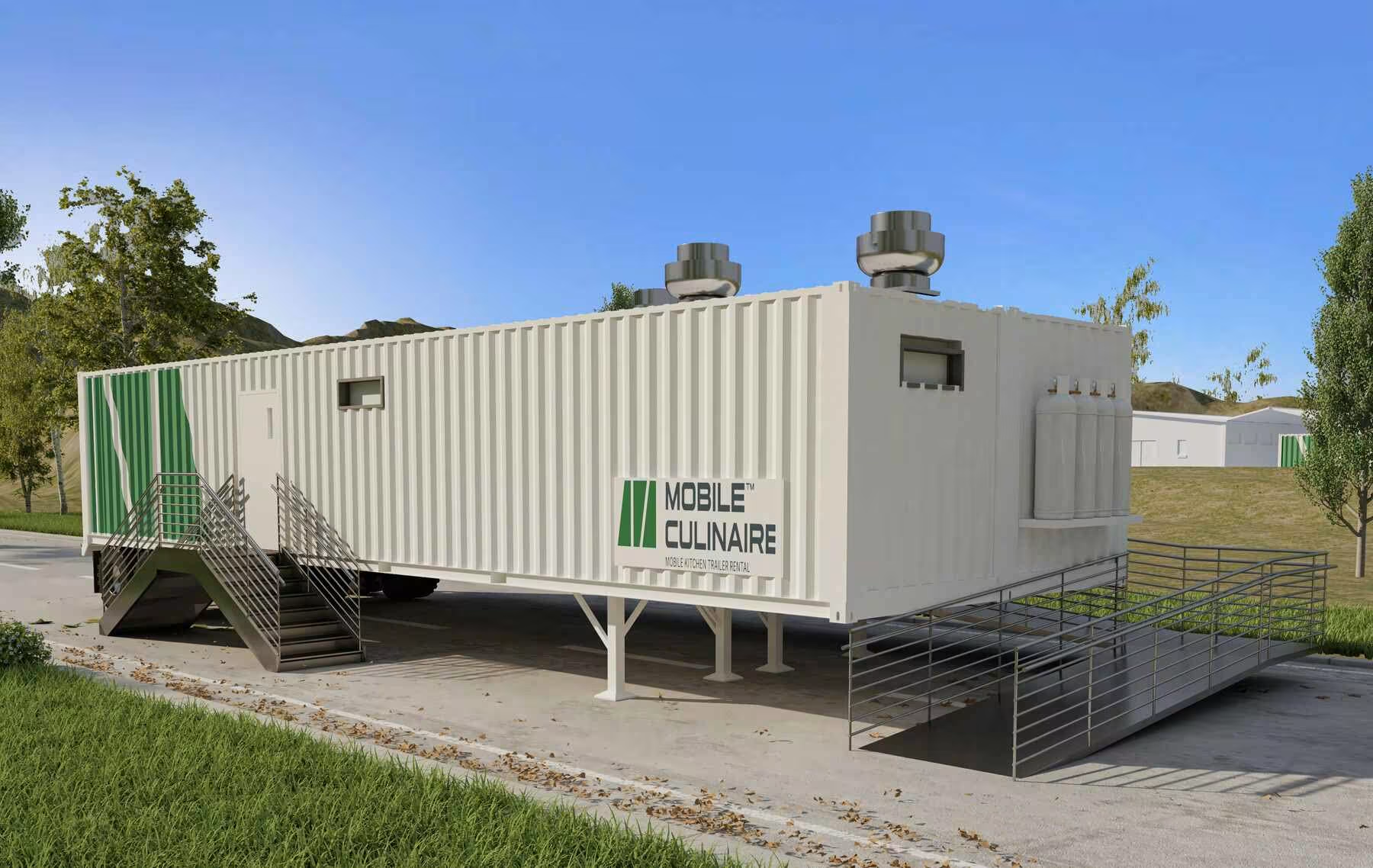
National Restaurant Association regulatory guidance emphasizes proactive compliance planning to avoid costly delays and operational disruptions. Professional-grade mobile kitchen rental solutions incorporate pre-engineered compliance features that accelerate permit approval.
Compliance optimization includes:
- Pre-certified equipment selection: NSF-approved appliances and surfaces reduce inspection complexity
- Documentation organization: Comprehensive compliance packets with certificates and operational procedures
- Professional consultation: Regulatory specialists familiar with local requirements and inspection protocols
- Contingency planning: Alternative solutions for permit delays or unexpected compliance issues
Note: CDC food safety protocols require ongoing compliance monitoring beyond initial permit approval, including temperature logs and sanitation records.
Hotels implementing hotel kitchen renovation strategies benefit from purpose-built mobile kitchens that meet hospitality-specific compliance requirements without compromising service quality.
Cost Considerations and Budget Planning
Permit fees vary significantly by jurisdiction and project scope, ranging from hundreds to thousands of dollars for comprehensive approvals. Comparing commercial kitchen renovation permits to mobile kitchen approvals reveals similar complexity but compressed timelines.
Budget considerations include:
- Application fees: Health department, fire department, and zoning permit costs
- Inspection charges: Multiple site visits and re-inspection fees for corrections
- Professional services: Consulting fees for regulatory navigation and permit preparation
- Compliance modifications: Equipment upgrades or site modifications for code compliance
Tip: Request fee schedules from each permitting department during preliminary planning to establish accurate budget projections.

People Also Ask (FAQ)
Do mobile kitchens need health department permits?
Yes, mobile kitchens must obtain health department permits and pass inspections before operating. These temporary commercial units are subject to the same food safety regulations as permanent kitchens, including HACCP compliance, proper ventilation, and sanitation requirements. The delivery and setup process typically includes coordinating these inspections as part of the installation timeline.
What fire safety permits are required for mobile kitchen trailers?
Mobile kitchens require fire department permits covering suppression systems, propane connections, electrical installations, and emergency egress plans. Fire marshals inspect suppression systems, verify proper clearances from structures, and ensure compliance with NFPA codes. These inspections are mandatory before operation and must be renewed according to local jurisdiction requirements.
How long does the mobile kitchen permit process take?
The permit approval process typically takes 2-4 weeks, depending on jurisdiction complexity and inspection scheduling. Health department reviews can take 5-10 business days, while fire department approvals often require 1-2 weeks for scheduling and completion. Planning ahead is crucial when coordinating renovation timelines to avoid operational delays.
Are zoning permits needed for temporary mobile kitchen placement?
Yes, most municipalities require zoning or land use permits for temporary mobile kitchen placement, even on private property. These permits verify compliance with setback requirements, parking regulations, and temporary use allowances. Private clubs and hospitality venues must often demonstrate that temporary placement won't violate existing zoning restrictions or impact neighboring properties.
Conclusion
Successfully navigating mobile kitchen permit requirements demands strategic planning, comprehensive documentation, and expert guidance through complex regulatory landscapes. Professional operators who prioritize compliance from project inception avoid costly delays and operational disruptions that compromise service delivery.
Streamline your permit approval process with purpose-built mobile kitchen solutions or consult our regulatory compliance specialists.

Testimonial

"What is standing out when you look at the mobile kitchen operation is the efficiency that we can really achieve because it's built for that."
Tell us about your kitchen needs and request a quote.
.png)
Turnkey mobile kitchen
Proudly made in-house in the USA
Commercial grade kitchen equipment
Code-compliant
Trusted by Industry Leaders