.gif)
When Hurricane Katrina struck in 2005, it took over 100 days to restore basic food service operations in many affected hospitals and emergency facilities—a stark reminder of how quickly disasters can cripple critical infrastructure. During natural disasters, equipment failures, or emergency situations, maintaining food service operations becomes a matter of public health and safety, not just convenience. Mobile kitchens for disaster relief provide rapid-deployment solutions that keep healthcare facilities, emergency shelters, and essential services operational when permanent kitchens are compromised. This guide examines when and why emergency responders, healthcare administrators, and facility managers turn to mobile kitchen solutions during crisis situations, covering deployment scenarios, regulatory considerations, and operational requirements for maintaining food safety during emergencies.

Critical Deployment Scenarios
Emergency response agencies deploy mobile kitchen disaster relief units across five primary scenarios. Natural disasters represent the highest-volume deployment category, with hurricanes, wildfires, earthquakes, and floods requiring immediate food service restoration. FEMA emergency food and shelter guidance identifies continuous meal service as essential infrastructure during these events.
Infrastructure failures trigger secondary deployment needs. Extended power outages lasting more than 48 hours compromise refrigeration and cooking equipment in permanent facilities. Water system failures eliminate sanitation capabilities required for safe food preparation. Equipment breakdowns in hospitals or senior care facilities create immediate vulnerabilities that organizations that rely on mobile kitchens address through emergency rental agreements.
Note: The Joint Commission emergency management standards require hospitals to maintain food service capabilities during extended emergencies, making mobile kitchen deployment a compliance necessity rather than operational preference.
Public Health Emergencies
Pandemic responses and infectious disease outbreaks demand distributed food preparation to reduce transmission risks. CDC food safety during disasters protocols emphasize controlled environments with enhanced ventilation and sanitization capabilities. Mobile units provide isolated preparation zones that prevent cross-contamination between affected and unaffected populations.
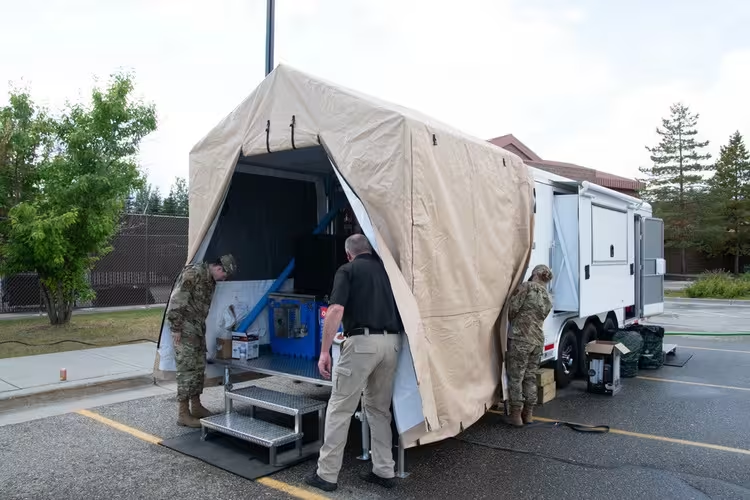
Mass casualty events overwhelm existing food service capacity at medical facilities and emergency shelters. Federal deployment protocols activate mobile kitchen resources within 24-48 hours of disaster declaration. Emergency deployment process coordination involves multiple agencies to ensure rapid operational capability.

Operational Requirements and Specifications
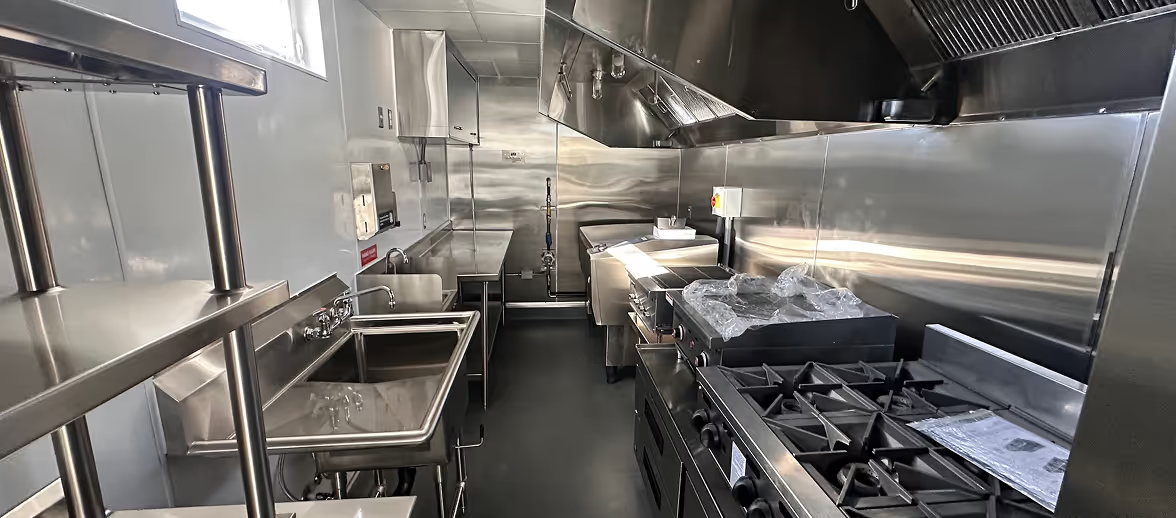
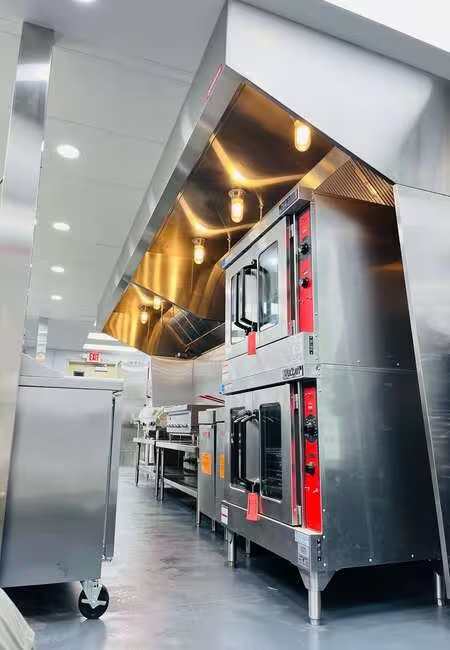
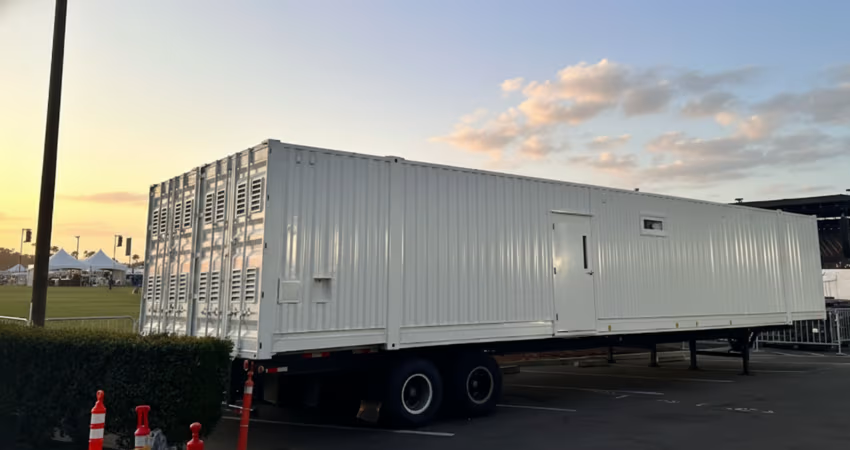
Mobile kitchen disaster relief operations demand commercial-grade equipment that functions under extreme conditions. Professional units feature 440V three-phase power systems, high-BTU gas equipment, and NSF-certified ventilation systems. Mobile kitchen equipment and capabilities include blast chillers, combination ovens, and warewashing stations that process 500-1,000+ meals daily.
Regulatory compliance remains non-negotiable during emergencies. Units must meet local health department codes, FDA food safety regulations, and ADA accessibility requirements. Professional deployments include certified operators who maintain HACCP protocols and temperature documentation throughout emergency operations. Utility connections require dedicated electrical service, propane supply, and waste management systems.
Example: During Hurricane Laura response in 2020, mobile kitchen units in Louisiana processed over 75,000 meals in the first week while maintaining zero food safety violations despite operating in damaged infrastructure zones.
Capacity Planning and Staffing
Emergency operations scale from 200-meal single-shift operations to 1,500+ meal continuous production cycles. Staffing requirements range from 3-person crews for basic service to 12-person teams for high-volume operations. Professional mobile kitchen solutions provide operational training and certified management support during deployments.
Menu planning focuses on nutritionally dense, culturally appropriate meals that accommodate dietary restrictions and medical needs. Senior populations require texture-modified foods and diabetic-friendly options. Pediatric feeding operations demand allergen-free preparation zones and smaller portion controls.

Healthcare and Senior Living Applications
Healthcare facilities represent the highest-stakes mobile kitchen deployments. Hospitals cannot suspend food service during equipment failures or infrastructure damage without compromising patient care and accreditation status. Nursing home emergency preparedness requirements mandate continuous meal service for vulnerable populations who cannot evacuate during emergencies.
Maintaining food service in senior living facilities during power outages or equipment failures prevents malnutrition and dehydration in elderly residents. Memory care units require consistent meal schedules and familiar food presentations to minimize behavioral disruption during crisis situations.
Tip: Healthcare mobile kitchen deployments should include backup power systems and redundant refrigeration to maintain pharmaceutical storage temperatures alongside food safety requirements.
Community Emergency Feeding
Municipal emergency management agencies deploy mobile kitchens for community emergency feeding during extended power outages and water system failures. American Red Cross disaster shelter operations utilize mobile units to establish feeding centers in schools, community centers, and temporary shelter facilities.
Urban deployment considerations include traffic management, waste disposal coordination, and noise ordinance compliance. Rural deployments require self-contained water and waste systems plus backup power generation for sustained operations in grid-down scenarios.
Financial Considerations and ROI
Emergency mobile kitchen rental costs range from $8,000-$25,000 monthly depending on unit size, geographic location, and deployment duration. Cost-benefit analysis of mobile kitchen rentals demonstrates significant savings compared to service interruption losses and regulatory penalties.
Healthcare facilities face $50,000-$200,000 daily revenue losses during food service shutdowns that affect patient admissions and satisfaction scores. Senior living facilities risk state licensing violations and family relocations that create long-term occupancy impacts. Insurance policies increasingly cover emergency mobile kitchen deployment costs as business interruption protection.
Note: Federal disaster declarations often activate cost-sharing programs that reduce local agency expenses for mobile kitchen deployments through FEMA reimbursement mechanisms.
Contract Structures and Terms
Emergency contracts feature expedited approval processes with 24-48 hour activation clauses. Flexible terms accommodate undefined deployment durations with monthly rate adjustments. Temporary foodservice solutions include operator training, equipment maintenance, and 24/7 technical support throughout emergency operations.
Multi-agency deployments utilize master service agreements that pre-approve mobile kitchen specifications, pricing, and deployment protocols. Pre-positioned contracts eliminate procurement delays during time-critical emergency response phases.

People Also Ask (FAQ)
How quickly can mobile kitchens be deployed for disaster relief?
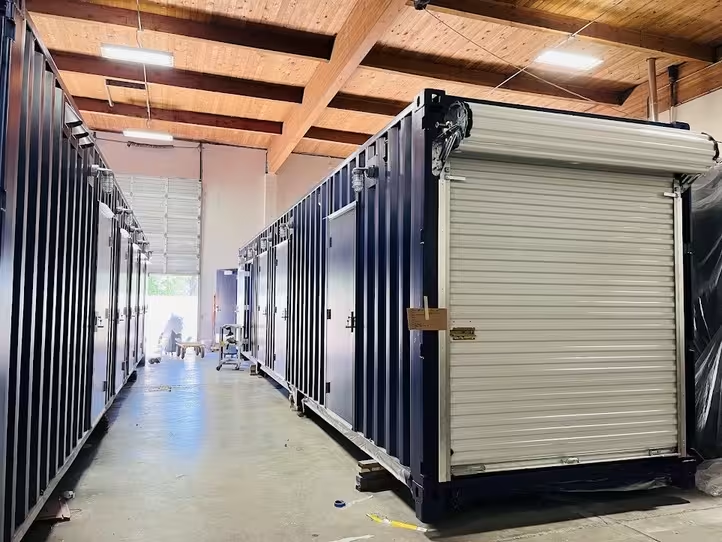
Professional mobile kitchen units can typically be deployed within 24-48 hours of initial contact, depending on geographic location and availability. The deployment process includes site assessment, utility connections, and safety inspections before operations begin. Understanding the delivery and setup process is crucial for emergency planning. Most units are fully operational within hours of arrival once proper utilities are connected.
What types of facilities use mobile kitchens during emergencies?
Hospitals, senior living facilities, emergency shelters, and government agencies are the primary users of mobile kitchens during disaster relief operations. These facilities cannot afford service interruptions that compromise patient care or public safety. Common users of mobile kitchens include healthcare systems that must maintain continuous food service for vulnerable populations. Emergency management agencies also deploy mobile units to provide community feeding during extended power outages or infrastructure damage.
Do mobile kitchens meet health department requirements during emergencies?
Yes, professional mobile kitchens are designed to meet all local health department codes and FDA food safety regulations, even during emergency deployments. Units feature commercial-grade ventilation, proper refrigeration, and sanitization systems required for safe food preparation. Emergency situations don't waive food safety requirements Mobile units undergo regular inspections and maintain all necessary permits for immediate emergency deployment.
How much do mobile kitchen rentals cost for disaster relief?
Emergency mobile kitchen rental costs vary based on unit size, deployment duration, and geographic location, typically ranging from $8,000-$25,000 per month. Many providers offer expedited emergency rates and flexible terms for disaster situations. Calculating the ROI of mobile kitchen rentals helps justify costs against operational continuity benefits. The investment often proves minimal compared to the financial and reputational damage of service interruption during emergencies.
Conclusion
Mobile kitchen disaster relief represents critical infrastructure that maintains food service continuity when permanent facilities fail. Professional deployment ensures regulatory compliance, operational safety, and nutritional security for vulnerable populations during crisis situations.
Evaluate emergency-ready mobile kitchen specifications or discuss rapid deployment capabilities with disaster preparedness specialists.


Testimonial

"What is standing out when you look at the mobile kitchen operation is the efficiency that we can really achieve because it's built for that."
Tell us about your kitchen needs and request a quote.
.png)
Turnkey mobile kitchen
Proudly made in-house in the USA
Commercial grade kitchen equipment
Code-compliant
Trusted by Industry Leaders