.gif)
%20(1).avif)
Commercial kitchen renovations can cost anywhere from $175 to $450 per square foot Beyond construction costs, factors like equipment upgrades, permit fees, labor rates, and revenue loss during closure can easily double your initial budget. For hospitality operators managing hotels, resorts, or private clubs, understanding the true cost of kitchen renovation is critical for accurate project planning and maintaining operational continuity. This comprehensive breakdown examines all cost components of a commercial kitchen renovation, from design and demolition through equipment installation and final inspections, helping you budget accurately and identify potential cost-saving strategies.
Essential Kitchen Renovation Cost Components
Understanding kitchen renovation cost requires breaking down expenses into distinct categories. Each component carries unique financial implications that affect your total project investment and operational timeline.
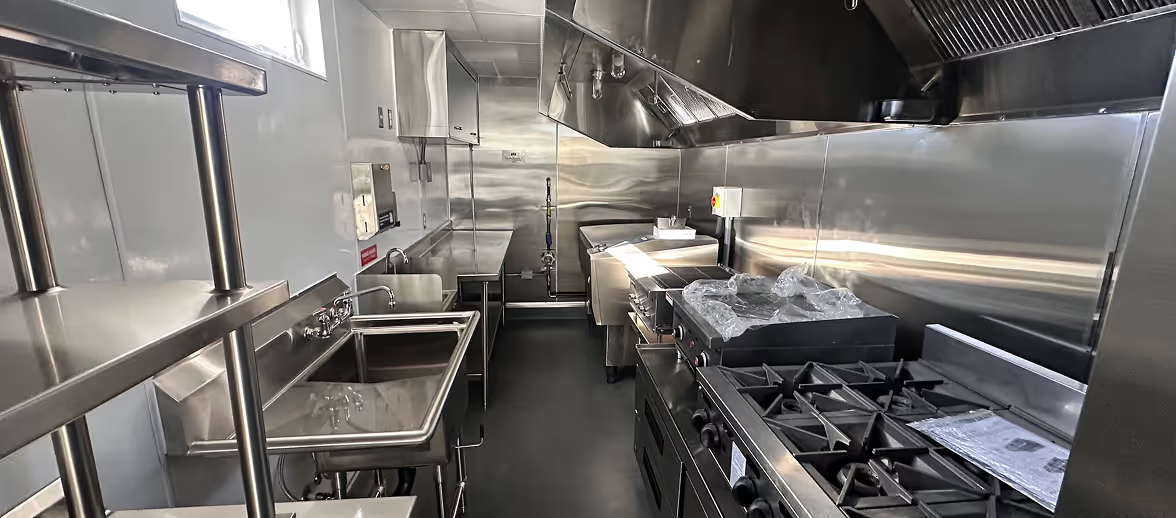
Equipment and Appliances
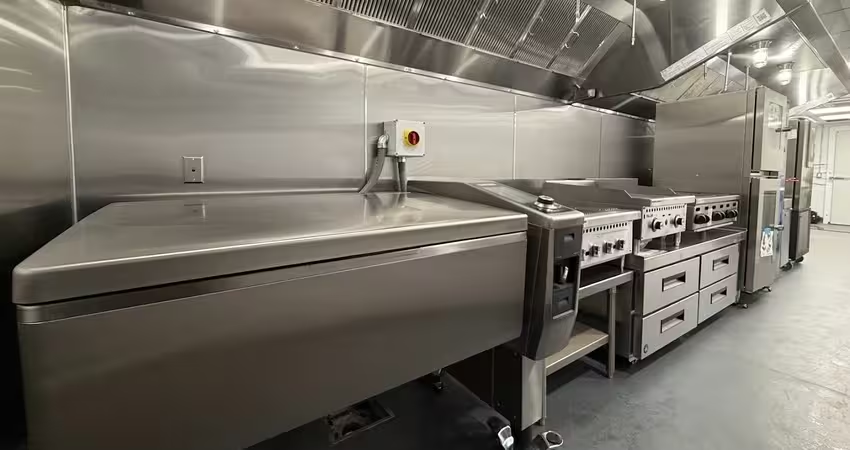
Commercial kitchen equipment represents 30-40% of renovation budgets, with costs varying by capacity and energy efficiency specifications. NSF International equipment standards require certified appliances that exceed residential-grade pricing significantly.
- Combi ovens: $15,000-$75,000
- Blast chillers: $20,000-$45,000
- Commercial dishwashers: $12,000-$35,000
- Walk-in refrigeration: $25,000-$85,000
Tip: Order major equipment 6-8 months before installation to secure current pricing and avoid project delays from extended lead times.
Construction Labor and Materials
Skilled trades account for 25-35% of renovation expenses, with rates fluctuating based on regional market conditions and specialization requirements. Metropolitan areas command $85-$125 hourly rates for certified commercial kitchen installers.
Specialty work like stainless steel fabrication, commercial flooring installation, and food service electrical systems requires premium pricing due to health code compliance demands. These specialized services add $40-$65 per square foot beyond standard construction rates.

Business Disruption and Revenue Protection
Kitchen closures create substantial financial exposure through lost food service revenue and reduced customer satisfaction. Hotels and resorts face compounded losses through cancelled events and decreased occupancy rates during renovation periods.
Calculating Lost Income Impact
Complete shutdowns eliminate all kitchen-based revenue streams while maintaining fixed operating costs like utilities, insurance, and minimum staffing levels. Fine dining establishments lose $8,000-$35,000 daily during closure periods, creating significant cash flow challenges.
Industry renovation cost data demonstrates that revenue losses frequently exceed construction budgets, particularly for high-volume operations with strong customer loyalty.
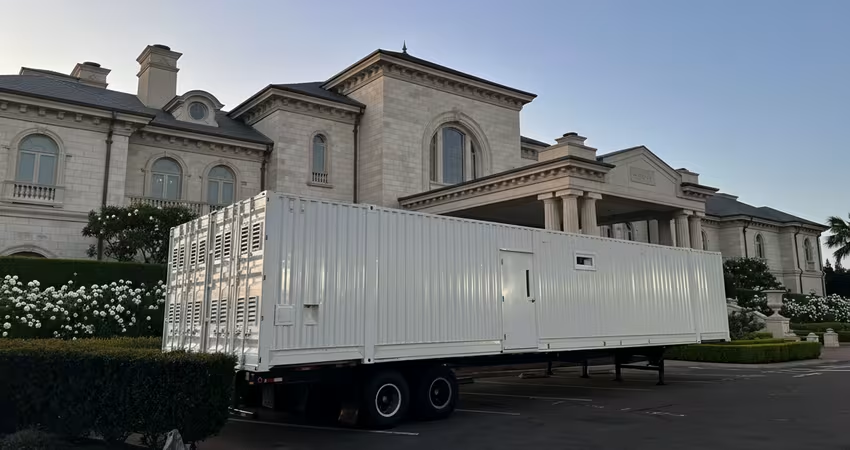
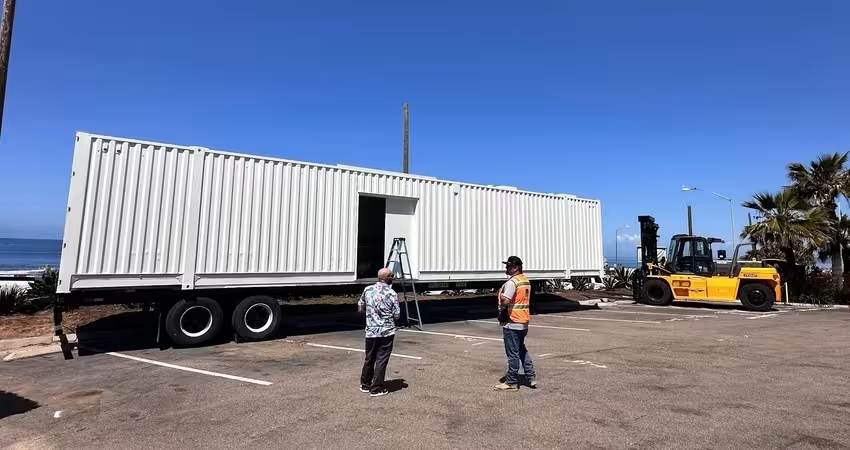
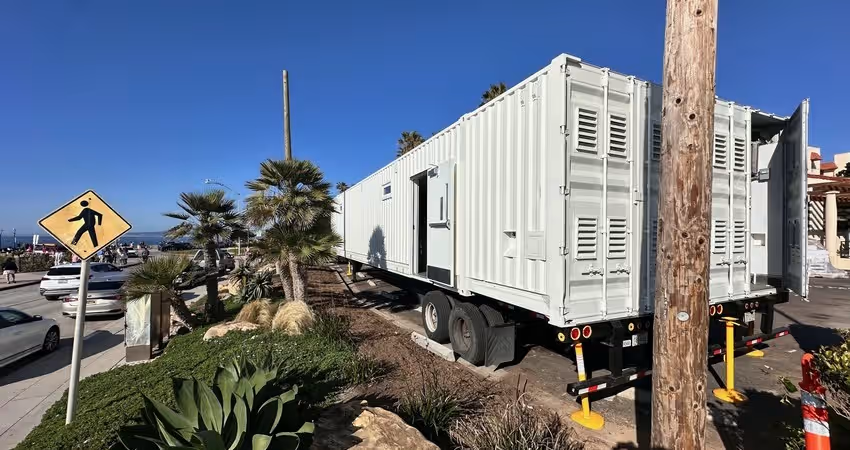
Example: A luxury hotel preserved 90% of kitchen operations using mobile kitchen rental solutions during a 14-week renovation, protecting $720,000 in food service revenue.
Operational Continuity Strategies
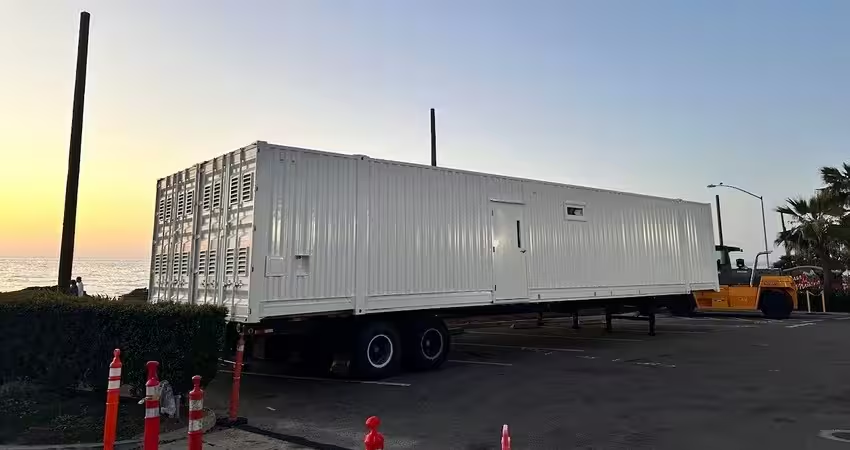
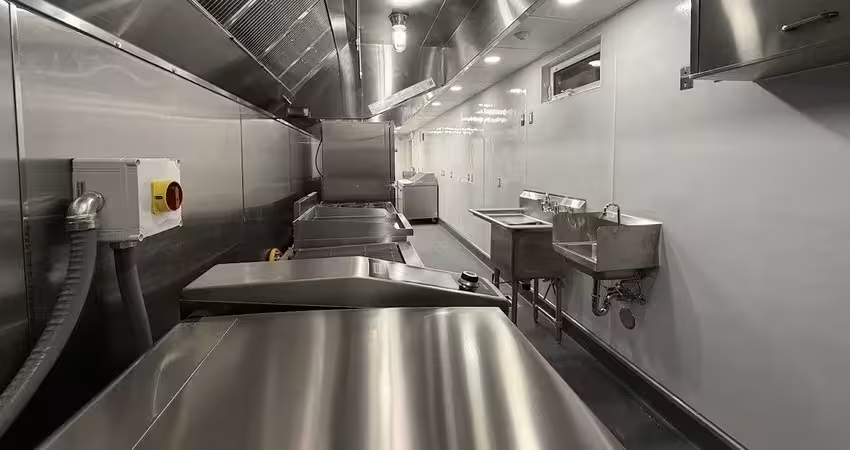
Professional temporary kitchen solutions enable uninterrupted service while contractors complete renovation work efficiently. This approach particularly benefits establishments where guest experience standards cannot be compromised during construction.
Analyzing mobile kitchen ROI analysis reveals that operational continuity investments typically pay for themselves through preserved revenue within 4-6 weeks of a standard renovation timeline.

Code Compliance and Infrastructure Upgrades
Modern building codes often require expensive upgrades during renovation projects, particularly in facilities constructed before current safety standards. FDA Food Code requirements establish baseline compliance standards affecting design and equipment specifications.
Mandatory System Improvements
Contemporary fire safety and ventilation requirements frequently exceed original building specifications, creating substantial budget impacts. Understanding required permits and fees prevents costly mid-construction discoveries and delays.
- Fire suppression upgrades: $30,000-$75,000
- Ventilation system modifications per NFPA 96 ventilation requirements: $40,000-$95,000
- Electrical panel and capacity increases: $25,000-$55,000
- Plumbing and grease management: $18,000-$42,000
Note: Professional code consultation during planning phases costs $8,000-$20,000 but prevents expensive corrections averaging $35,000-$85,000 when violations surface during construction or final inspections.
Project Scale and Budget Allocation
Different renovation approaches require tailored financial planning and operational strategies. Following a comprehensive complete renovation planning guide ensures appropriate preparation for each project scope.
Partial Equipment Replacement ($125,000-$275,000)
Selective appliance upgrades maintain existing kitchen workflows while modernizing critical operational components. These targeted projects complete within 8-12 weeks with strategic scheduling around operational peak periods.
Budget distribution emphasizes equipment costs (65-75%) with supporting installation and utility modifications. This approach suits facilities with solid infrastructure requiring focused modernization to extend service life.
Full Kitchen Transformation ($400,000-$750,000)
Complete facility redesigns involve workflow optimization, total equipment replacement, and comprehensive infrastructure upgrades. Extended timelines of 3-6 months demand robust revenue protection strategies to maintain financial stability.
Examining the hidden costs of kitchen shutdown reveals why operational continuity planning becomes critical for extended renovation projects.
Tip: Compare renovation approaches using a phased renovation cost comparison to optimize timeline efficiency against operational disruption costs.
Budget Management and Risk Control
Preventing common costly renovation mistakes protects project budgets from expensive corrections and timeline extensions. Foodservice renovation cost analysis emphasizes thorough pre-construction planning to minimize change orders.
Equipment Procurement Strategy
Current supply chain challenges create 16-24 week lead times for major commercial appliances, requiring advance ordering to prevent costly project delays and contractor standby charges. Early procurement locks in current pricing while ensuring delivery alignment with construction schedules.
Proper timing prevents storage costs and delivery complications while protecting against price escalations that average 8-15% annually on commercial kitchen equipment. Coordinate equipment orders with construction milestones to optimize cash flow and installation efficiency.
Change Order Prevention
Design modifications during active construction cost 3-5 times more than pre-construction adjustments. Comprehensive planning eliminates expensive mid-project revisions while ensuring renovation outcomes match operational requirements.
Professional kitchen workflow analysis and equipment integration studies prevent costly construction modifications. This front-loaded investment approach maintains budget integrity throughout the renovation timeline.
Note: Understanding renovation timeline and scheduling helps coordinate all project phases efficiently, minimizing costly delays and coordination issues between trades.
People Also Ask (FAQ)
What is the average cost per square foot for commercial kitchen renovation?
Commercial kitchen renovation typically costs between $175-$450 per square foot, depending on the scope of work and location. Basic renovations with minimal equipment changes fall on the lower end, while complete overhauls with high-end equipment and extensive infrastructure upgrades reach the higher range. The Complete Guide to Commercial Kitchen Renovation provides detailed cost breakdowns for different renovation scenarios.
How much does commercial kitchen equipment cost during renovation?
Equipment typically represents 30-40% of total renovation costs, ranging from $50,000 for basic setups to $500,000+ for high-volume operations. Major equipment like combi ovens, blast chillers, and dishwashing systems can cost $15,000-$75,000 each. Factor in installation, utility connections, and potential structural modifications when budgeting for equipment upgrades.
What hidden costs should I expect in a kitchen renovation?
Hidden costs often include permit fees ($5,000-$25,000), code compliance upgrades, utility infrastructure improvements, and unexpected structural issues discovered during demolition. Revenue loss during closure can be the largest hidden cost, often exceeding the renovation budget itself. The Hidden Cost of Shutting Down Your Kitchen During Renovation explores strategies to minimize operational disruption.
How long does a commercial kitchen renovation take and how does this affect costs?
Most commercial kitchen renovations take 8-16 weeks, depending on scope and complexity. Each week of closure can cost hotels and restaurants $10,000-$50,000 in lost revenue, making timeline management crucial for cost control. Commercial Kitchen Renovation Timeline provides week-by-week breakdowns to help you plan accordingly.
Conclusion
Successful kitchen renovation cost management requires comprehensive planning that addresses both construction expenses and operational continuity throughout the project. Properties that maintain service standards during renovation achieve superior financial outcomes while protecting guest satisfaction and market position.
Protect your revenue and ensure project success with purpose-built temporary kitchen solutions designed for hospitality excellence or consult with renovation specialists to develop your comprehensive budget strategy.

Testimonial

"What is standing out when you look at the mobile kitchen operation is the efficiency that we can really achieve because it's built for that."
Tell us about your kitchen needs and request a quote.
.png)
Turnkey mobile kitchen
Proudly made in-house in the USA
Commercial grade kitchen equipment
Code-compliant
Trusted by Industry Leaders