.gif)

From music festivals serving 50,000 attendees daily to intimate wedding celebrations, events face a critical challenge: how do you deliver exceptional food quality without compromising on safety or efficiency? The surge in outdoor events and festival culture has created unprecedented demand for professional-grade mobile kitchen solutions. Event organizers increasingly recognize that standard food truck setups often fall short of the volume, safety standards, and culinary sophistication today's audiences expect. Purpose-built mobile kitchens bridge this gap, offering the full capabilities of a commercial kitchen in a temporary, scalable format. This guide explores exactly when and why event professionals turn to mobile kitchen rentals, helping you determine if this solution fits your next event's unique requirements.
Understanding Mobile Kitchen Event Applications
The mobile kitchen event sector has experienced dramatic expansion as outdoor dining culture reshapes hospitality expectations. According to outdoor event industry growth data, experiential events have increased by 87% since 2020, with food quality ranking as the top attendee satisfaction factor.
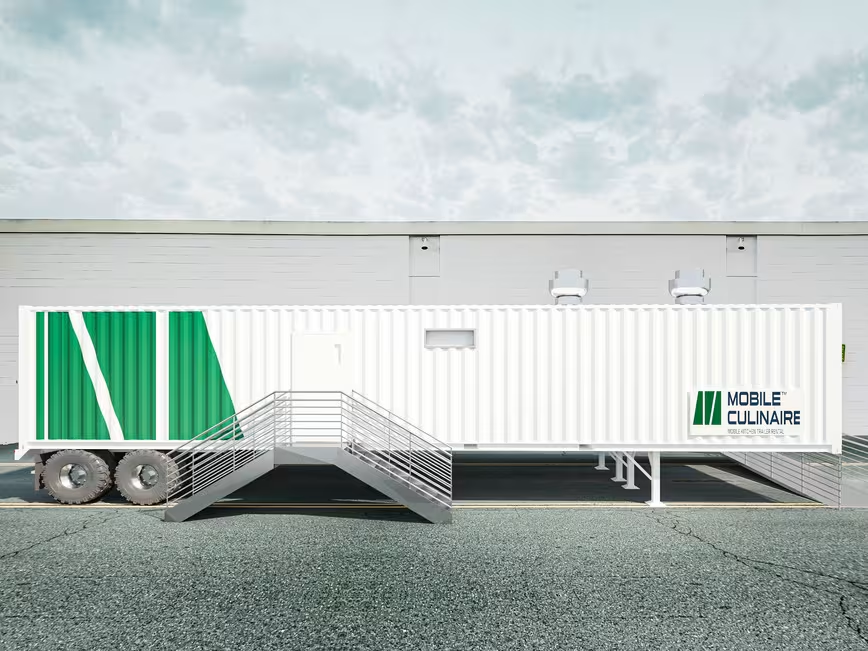
Purpose-built mobile units differ fundamentally from converted food trucks. These mobile kitchen solutions feature full commercial equipment layouts, meeting FDA Food Code requirements for professional food service operations.
Key differentiators include:
- Commercial ventilation systems compliant with NFPA 96 ventilation standards
- Multi-station cooking capabilities for simultaneous preparation
- Integrated storage and refrigeration systems
- Health department-approved layouts and equipment
Peak Rental Scenarios for Event Professionals
Festival and Concert Productions
Large-scale music festivals require consistent, high-volume food production across multiple days. Traditional catering infrastructure cannot match the operational demands of serving 10,000+ attendees daily while maintaining food safety protocols.
Tip: Book mobile kitchens 4-6 months ahead for summer festival season, as demand peaks during June through September.
Wedding and Special Celebrations
Remote venues like vineyards, beaches, and historic estates often lack adequate kitchen facilities. Mobile kitchen rentals for weddings enable luxury catering in locations where permanent construction is impossible or prohibited.
Corporate Events and Brand Activations
Product launches and experiential marketing campaigns demand controlled food environments for demonstrations, tastings, and VIP hospitality. Mobile units provide branded, professional setups that travel efficiently between venues.

Emergency and Renovation Support
Restaurants, hotels, and institutions facing unexpected closures or planned renovations utilize mobile kitchens to maintain operations. These mobile kitchen hospitality solutions prevent revenue loss during facility disruptions.
Example: A resort's main kitchen requires HVAC upgrades during peak wedding season. A 40-foot mobile unit maintains full catering capabilities while construction continues, preserving $2.3 million in booked events.
Strategic Advantages Driving Adoption
Operational Flexibility and Scale
Mobile kitchens adapt to varying event requirements through modular configurations. Single units handle intimate gatherings while multiple connected trailers support festival-scale operations. This scalability eliminates the guesswork in capacity planning.
The variety of common mobile kitchen users spans from hotel chains to independent caterers, reflecting the solution's broad applicability across food service sectors.
Compliance and Risk Management
Event organizers face significant liability exposure from food-related incidents. Mobile kitchens arrive pre-certified with NSF certification standards equipment and built-in safety systems, reducing compliance risks and insurance concerns.
Note: Health departments require temporary food service permits regardless of kitchen type, but mobile units streamline the inspection process through standardized, compliant designs.
Cost Efficiency Compared to Alternatives
Building temporary kitchen facilities requires extensive permitting, construction, and teardown costs. According to National Restaurant Association research, mobile rentals cost 60-75% less than constructing equivalent temporary infrastructure.
.avif)
Geographic Accessibility
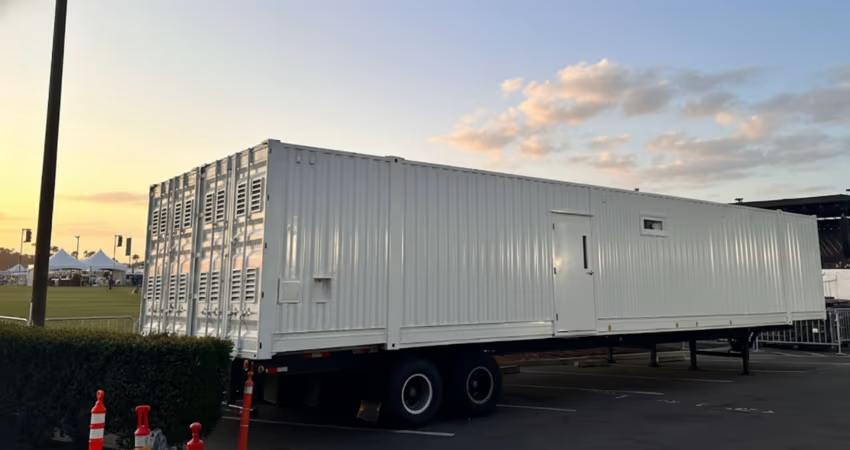
Remote locations present unique logistical challenges for traditional catering. Self-contained mobile units operate independently with onboard power, water, and waste management systems, enabling food service in previously inaccessible venues.
Equipment Capabilities and Kitchen Features
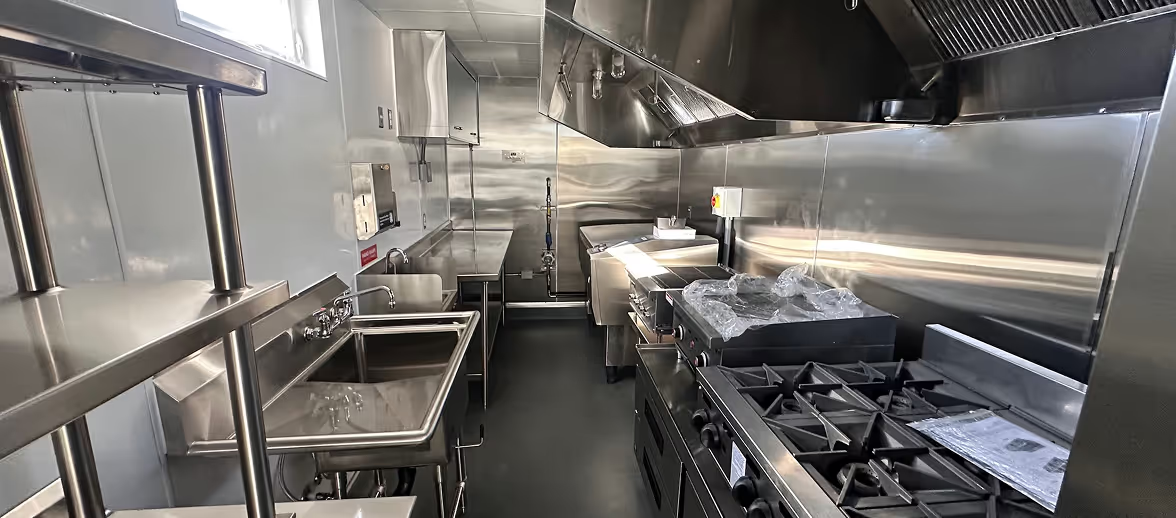
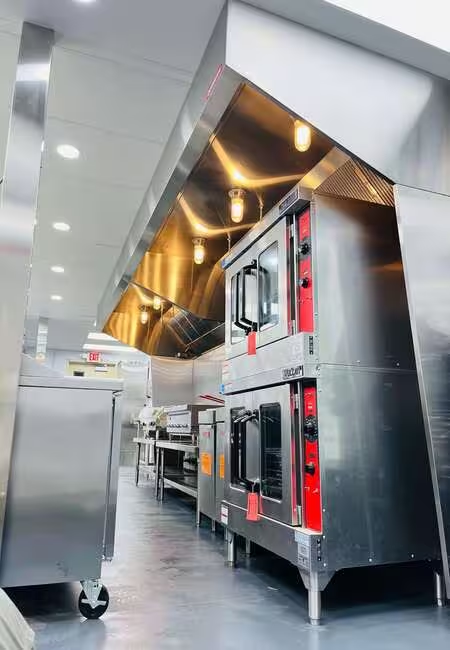
Professional mobile kitchen interior features rival permanent commercial installations. Standard equipment includes commercial convection ovens, char-broilers, fryers, refrigeration units, and prep stations designed for high-volume production.
Core equipment specifications:
- BTU ratings matching restaurant-grade appliances
- Stainless steel surfaces meeting commercial standards
- Integrated fire suppression and ventilation systems
- Multiple power and water connection options
Production Volume Capabilities
Properly equipped mobile kitchens handle substantial daily output. A 53-foot unit can produce 400-500 plated meals per service, while connected multi-unit configurations support thousands of covers daily without sacrificing quality or safety.

Selection Criteria for Event Planners
Guest Count and Service Style
Menu complexity and service format directly influence kitchen requirements. Buffet-style service demands different equipment layouts than plated fine dining or grab-and-go operations.
Capacity guidelines:
- Events under 150 guests: 32-foot units provide adequate capacity
- Medium events 150-300 guests: 40-foot configurations offer optimal efficiency
- Large productions 300+ guests: 53-foot or multi-unit setups ensure smooth operations
Site Infrastructure Assessment
Location analysis determines unit specifications and setup requirements. Urban venues typically provide utility connections, while remote sites may require self-contained systems with generators and water tanks.
Duration and Scheduling Considerations
Single-day events benefit from streamlined towable units, while multi-day productions may require expanded storage and enhanced comfort features for extended kitchen staff shifts.

Deployment Process and Timeline
Professional delivery and setup process ensures smooth event execution. Site assessment, permit coordination, and equipment testing occur before event dates, eliminating last-minute complications.
Standard deployment timeline:
- Initial consultation and site survey (4-6 weeks prior)
- Permit applications and approvals (2-4 weeks prior)
- Equipment customization and testing (1-2 weeks prior)
- On-site delivery and setup (24-48 hours prior)
Financial Planning and ROI
The ROI of mobile kitchen rentals typically outperforms alternative solutions when factoring setup time, operational efficiency, and risk mitigation. Daily rental costs range from $500-2,000 depending on unit size and included services.
Note: Peak season pricing and advance booking discounts significantly impact total project costs, making early planning financially advantageous.

People Also Ask (FAQ)
What types of events commonly use mobile kitchen rentals?
Music festivals, food festivals, outdoor weddings, corporate events, and large-scale catering operations frequently utilize mobile kitchens. These events require professional-grade cooking capabilities, high-volume food production, and strict health compliance that standard food trucks cannot provide. Mobile kitchen rentals for weddings are particularly popular for venues without adequate kitchen facilities.
How far in advance should I book a mobile kitchen for an event?
Event mobile kitchens should be booked 3-6 months in advance, especially during peak season (spring through fall). Popular dates like summer weekends and holiday periods require even earlier booking. The planning process includes site assessment, permit coordination, and custom configuration, which takes several weeks to complete properly.
What permits are required for mobile kitchens at events?
Mobile kitchens typically require temporary food service permits from local health departments, electrical permits for power connections, and site permits from event venues. Requirements vary by location and event size. Understanding permit requirements is crucial for successful event planning and avoiding compliance issues.
Can mobile kitchens handle the volume demands of large festivals?
Yes, purpose-built mobile kitchens can accommodate high-volume production through multiple cooking stations, commercial-grade equipment, and scalable configurations. Unlike retrofitted food trucks, these units feature full commercial kitchen capabilities including prep areas, storage, and multiple cooking methods to handle thousands of meals per day efficiently.
Conclusion
Mobile kitchens have evolved from emergency solutions to strategic event infrastructure, enabling exceptional food service in any location. Whether supporting festival operations, luxury weddings, or corporate activations, these purpose-built units deliver commercial kitchen capabilities with unmatched flexibility and compliance assurance.
Ready to elevate your next event's culinary experience? Explore our comprehensive fleet of mobile kitchen solutions or speak with our event specialists to design the perfect kitchen configuration for your unique requirements.


Testimonial
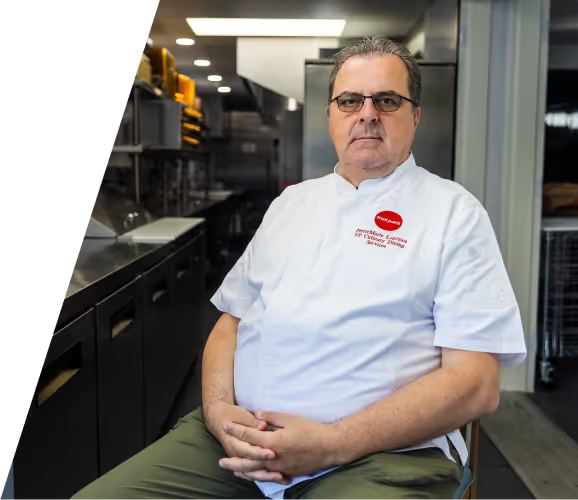
"What is standing out when you look at the mobile kitchen operation is the efficiency that we can really achieve because it's built for that."
Tell us about your kitchen needs and request a quote.
.png)
Turnkey mobile kitchen
Proudly made in-house in the USA
Commercial grade kitchen equipment
Code-compliant
Trusted by Industry Leaders