.gif)
Nearly 70% of hotel renovation projects experience significant delays, with kitchen renovations being the most disruptive to operations. For hotels and resorts, shutting down food service during a kitchen renovation can mean losing thousands in revenue daily, disappointing guests, and damaging your reputation. Mobile kitchen rentals offer a proven solution that keeps your culinary operations running seamlessly while your permanent kitchen undergoes transformation. This comprehensive guide explores how purpose-built mobile kitchens support hotels and resorts during renovations, expansions, and seasonal demands
Understanding Mobile Kitchen Rental Hotel Solutions
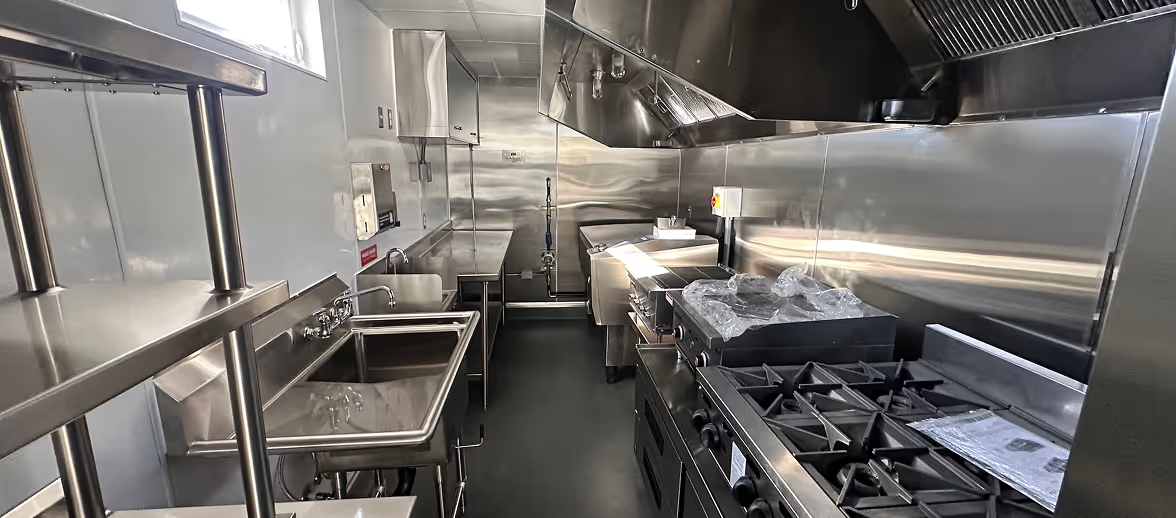
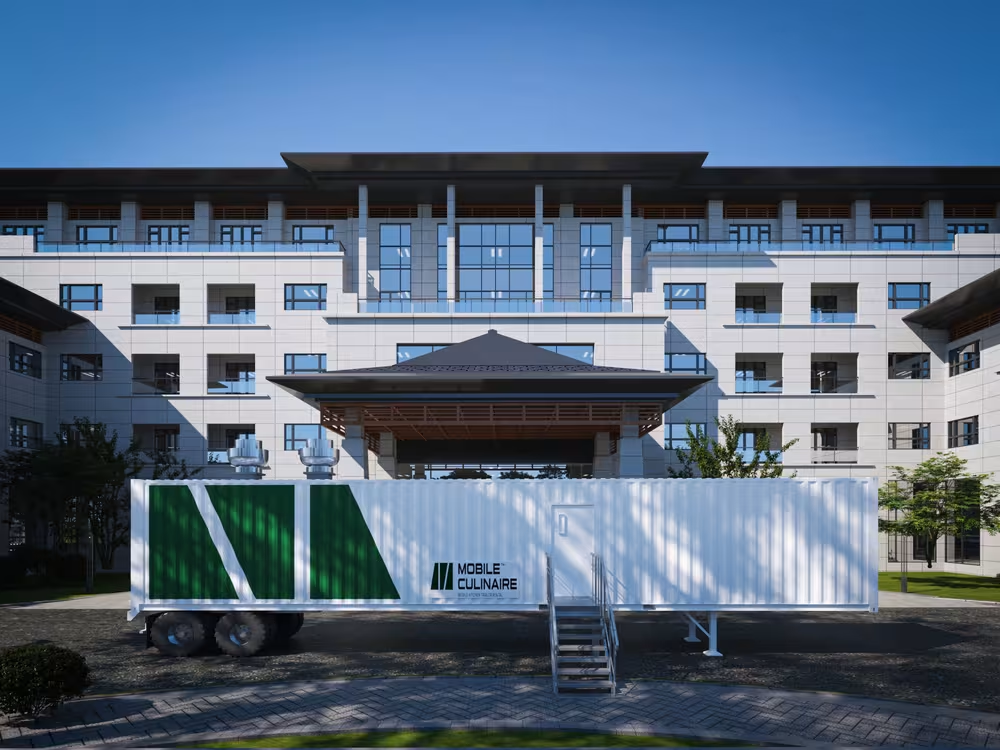
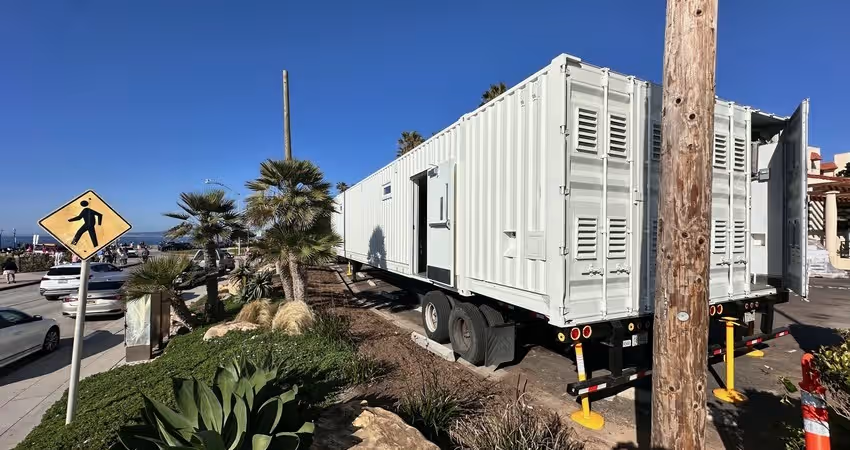
A mobile kitchen rental hotel solution delivers fully operational commercial-grade cooking facilities in a self-contained unit. These aren't converted food trucks or basic catering trailers—they're engineered from the ground up to match permanent kitchen capabilities while maintaining the flexibility hotels need during transitions.
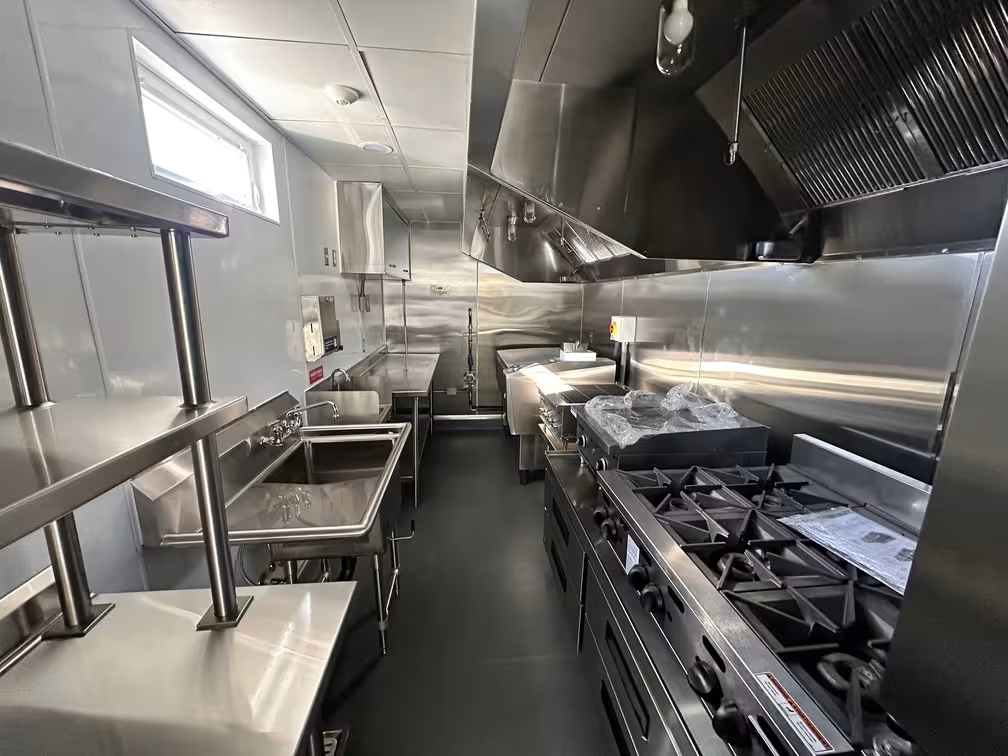
Purpose-built units feature professional equipment including convection ovens, high-BTU gas ranges, walk-in refrigeration, and commercial dishwashing systems. Every component meets commercial kitchen equipment standards required for luxury hospitality operations.
Tip: Mobile kitchens designed specifically for hospitality operations can serve 200-650 covers daily, matching the output capacity of most hotel permanent kitchens.

Strategic Advantages During Hotel Kitchen Renovations
Kitchen renovations represent one of the highest-risk operational challenges for hotels. The hidden costs of kitchen shutdowns extend far beyond construction expenses, impacting guest satisfaction scores, group booking retention, and staff morale.
Mobile kitchen rental hotel deployments eliminate these risks by maintaining full culinary operations throughout renovation timelines. Hotels avoid revenue losses averaging $15,000-50,000 daily in closed restaurant sales, catering cancellations, and guest defections to competitors.
The hotel renovation best practices emphasize operational continuity as a critical success factor. Mobile kitchens enable hotels to execute major upgrades without compromising service standards or brand reputation.
Revenue Protection and Guest Satisfaction
Maintaining food service during renovations protects multiple revenue streams while preserving guest loyalty. Hotels utilizing mobile kitchens for hospitality report minimal impact on occupancy rates and dining revenues during construction periods.
- Restaurant operations continue uninterrupted
- Room service availability maintained
- Catering and event bookings preserved
- Meeting planner relationships protected
Example: A luxury resort utilizing a mobile kitchen during a 6-month renovation maintained 94% of normal F&B revenue while competitors experienced 60-80% revenue losses during similar projects.

Professional Equipment and Mobile Kitchen Capabilities
Modern mobile kitchens feature the same professional-grade equipment found in permanent hotel kitchens. Units are designed with mobile kitchen features and equipment that enable complex menu execution and high-volume production.
Cooking and Production Equipment
- Six-burner gas ranges with griddle attachments
- Double-stack convection ovens for baking and roasting
- Commercial fryers with filtration systems
- Char-broilers for grilled specialties
- Combi ovens for steam and convection cooking
Refrigeration and Storage Systems
Temperature-controlled storage matches permanent kitchen capacity with walk-in coolers, reach-in refrigerators, and dedicated freezer compartments. All units maintain consistent temperatures required by FDA Food Code compliance standards.
Note: Mobile kitchen refrigeration systems operate independently of hotel utilities, ensuring food safety even during power outages or construction-related disruptions.
Safety and Compliance Features
Fire suppression systems, commercial ventilation, and non-slip flooring ensure compliance with NFPA 96 ventilation requirements. These systems undergo rigorous inspections before deployment to hotel properties.
Applications Beyond Kitchen Renovations
Seasonal Expansion and Event Support
Peak seasons and special events often strain hotel kitchen capacity beyond normal limits. Mobile kitchens provide scalable solutions that expand production capability without permanent infrastructure investments.
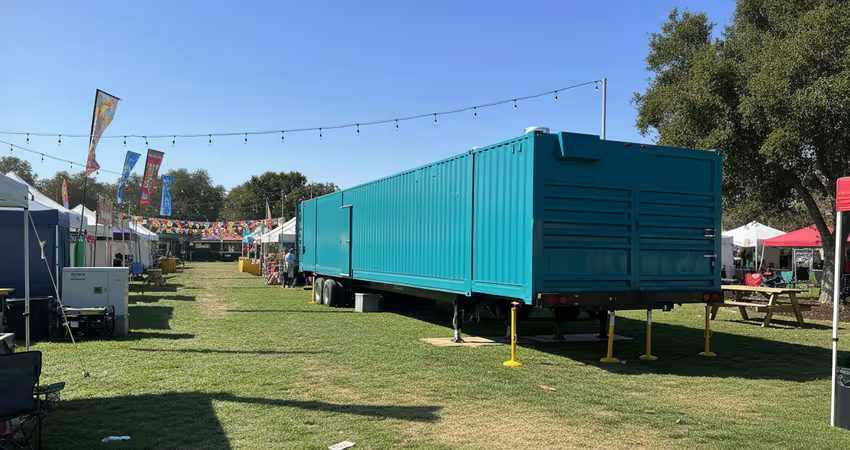
Resort properties leverage mobile kitchens for outdoor weddings, corporate retreats, and seasonal dining concepts. The flexibility enables creative menu offerings that enhance guest experiences while maintaining kitchen efficiency.
Example: A mountain resort deploys mobile kitchens during ski season to support increased occupancy, adding 40% production capacity for holiday periods without permanent kitchen expansion.
Emergency Response and Business Continuity
Equipment failures, utility disruptions, and natural disasters can shut down hotel kitchens unexpectedly. Mobile kitchen deployments restore operations quickly, minimizing guest inconvenience and revenue losses.
Emergency deployments demonstrate the importance of protecting guest experience during renovations and unexpected shutdowns. Hotels with contingency plans maintain competitive advantages during crisis situations.

Selecting the Right Mobile Kitchen Configuration
Capacity Planning and Menu Requirements
Proper sizing depends on covers per meal period, menu complexity, and service style. Hotels must assess current production volumes and growth projections when selecting mobile kitchen configurations.
National Restaurant Association industry data indicates that undersized temporary kitchens create operational bottlenecks that impact service quality and staff productivity.
Site Planning and Installation Requirements
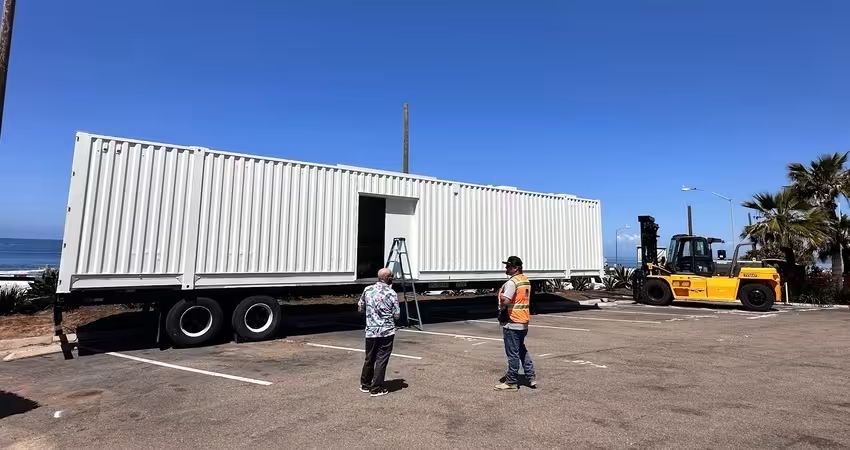
Mobile kitchen placement requires adequate space for delivery, utility connections, and staff access. The delivery and setup process includes site surveys to ensure optimal positioning and compliance with local regulations.
Tip: Hotels should identify primary and alternate placement locations before renovation planning begins, allowing flexible deployment if construction schedules change.
Integration with Existing Operations
Successful mobile kitchen deployments integrate seamlessly with existing hotel workflows. Kitchen staff adapt quickly to familiar equipment layouts and operational procedures, minimizing training requirements and productivity losses.
Proper renovation timeline planning coordinates mobile kitchen installation with construction milestones, ensuring smooth transitions between temporary and permanent facilities.

Financial Considerations and ROI Analysis
Mobile kitchen rental costs represent a fraction of potential revenue losses from closed food service operations. Hotels typically invest $8,000-25,000 monthly for mobile kitchen solutions while protecting daily revenues of $15,000-50,000.
Calculating mobile kitchen ROI demonstrates clear financial advantages, particularly for properties with high F&B revenue percentages or group business dependence.
Cost Components and Budgeting
- Monthly rental rates based on unit size and equipment
- Delivery and installation fees
- Utility connection and setup costs
- Permit and inspection expenses
- Optional services like staff training and maintenance
Note: Hotels should budget for the full deployment timeline, including setup, operation, and removal periods when calculating total project costs.

Why Hotels Choose Purpose-Built Mobile Kitchens
Professional mobile kitchen rental hotel solutions differ significantly from retrofitted trailers or food truck conversions. Purpose-built units feature commercial-grade construction, professional equipment, and hospitality-specific design elements.
Hotels must recognize signs your kitchen needs renovation early in the planning process to secure appropriate mobile kitchen solutions. Lead times for quality units can extend 4-8 weeks during peak renovation seasons.
Quality and Reliability Standards
Luxury hotels require mobile kitchens that maintain brand standards and service quality expectations. Professional units feature stainless steel construction, commercial ventilation systems, and equipment warranties that ensure consistent performance throughout rental periods.
Mobile kitchen providers specializing in hospitality understand the unique operational requirements and service standards expected by hotel guests and management teams.
People Also Ask (FAQ)
How much does it cost to rent a mobile kitchen for a hotel?
Mobile kitchen rental costs for hotels typically range from $8,000 to $25,000 per month, depending on size, equipment specifications, and rental duration. Factors affecting pricing include the number of guest rooms served, menu complexity, and additional services like delivery and setup. Calculating the ROI often shows that rental costs are significantly lower than revenue losses from shutting down food service operations.
Can mobile kitchens handle high-volume hotel food service?
Yes, purpose-built mobile kitchens are engineered to match the capacity and efficiency of permanent commercial kitchens. They feature professional-grade equipment including convection ovens, grills, fryers, and refrigeration systems capable of serving hundreds of covers daily. Unlike retrofitted trailers, these units are designed specifically for high-volume food service operations that luxury hotels and resorts demand.
How long does it take to set up a mobile kitchen at a hotel?
Professional mobile kitchen setup typically takes 1-3 days depending on the unit size and complexity of connections. The process includes positioning the unit, connecting utilities (electrical, water, gas, waste), and conducting safety inspections. The delivery and setup process is managed by experienced technicians to minimize disruption to hotel operations.
What permits are needed for mobile kitchen rentals at hotels?
Mobile kitchen installations typically require temporary use permits, health department approvals, and utility connection permits from local authorities. The specific requirements vary by jurisdiction and hotel location. Experienced mobile kitchen providers often assist with permit applications and ensure all installations meet local building codes and health regulations for commercial food service operations.
Conclusion
Mobile kitchen rental hotel solutions provide essential operational continuity during renovations, expansions, and emergency situations. These purpose-built units maintain service quality and protect revenue streams while hotels complete necessary infrastructure improvements.
Protect your hotel's food service operations during your next renovation project with professional mobile kitchen solutions or discuss your specific requirements with our hospitality specialists.

Testimonial
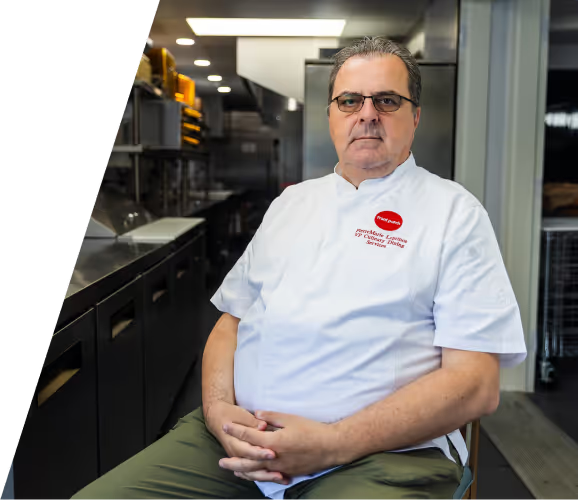
"What is standing out when you look at the mobile kitchen operation is the efficiency that we can really achieve because it's built for that."
Tell us about your kitchen needs and request a quote.
.png)
Turnkey mobile kitchen
Proudly made in-house in the USA
Commercial grade kitchen equipment
Code-compliant
Trusted by Industry Leaders