.gif)
Over 75% of commercial kitchens will require major renovations or expansions within the next decade, yet most hospitality operators face a critical dilemma: how to maintain food service operations during construction. Traditional approaches like temporary shutdowns can cost hotels up to $50,000 per day in lost revenue, while makeshift workarounds often compromise food quality and safety standards. Mobile kitchen rentals have emerged as the definitive solution, allowing restaurants, hotels, and event venues to maintain full operational capacity throughout renovation projects. This comprehensive guide will walk you through everything you need to know about mobile kitchen rentals—from understanding the different types available to calculating ROI and managing the logistics of implementation for your commercial foodservice operation.
Understanding Mobile Kitchen Solutions
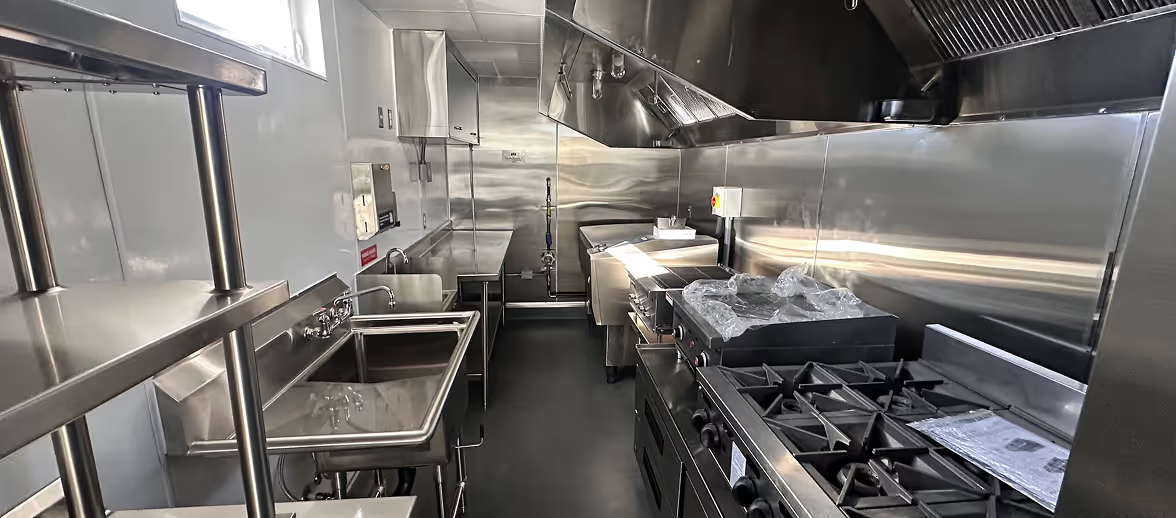
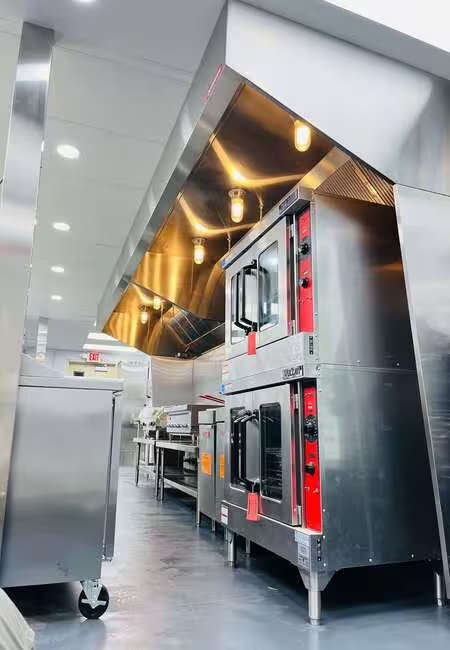
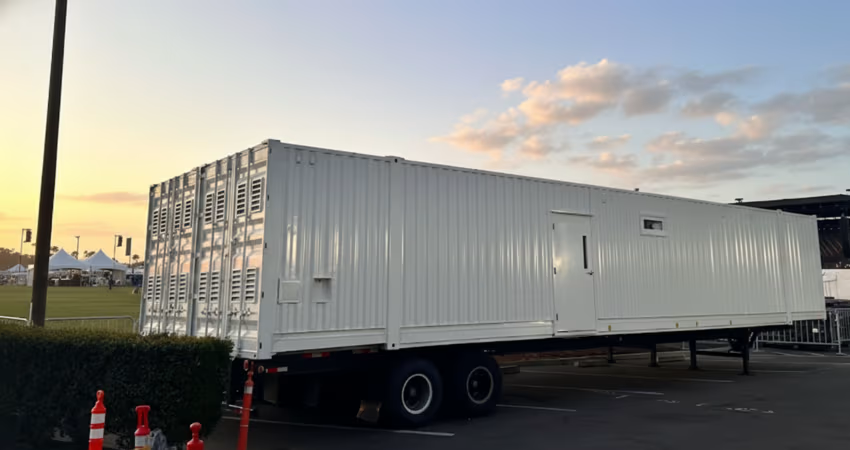
A mobile kitchen represents far more than a basic food trailer. These purpose-built commercial facilities feature professional-grade equipment, NSF-certified surfaces, and comprehensive ventilation systems that rival permanent installations. Unlike converted trailers or makeshift solutions, professional mobile kitchens undergo rigorous engineering to meet FDA Food Code requirements and local health department standards.

Modern units integrate advanced technology including digital temperature monitoring, automated fire suppression, and energy-efficient refrigeration systems. The construction process emphasizes modular design principles, allowing rapid customization for specific operational needs while maintaining structural integrity across diverse deployment environments.
Note: Professional mobile kitchens maintain the same food safety standards as permanent facilities, with stainless steel work surfaces, three-compartment sinks, and proper cold storage compartments.
When Hospitality Operations Need Temporary Kitchen Solutions
Recognizing signs your kitchen needs renovation triggers the need for comprehensive planning. Equipment failures, outdated ventilation systems, or expansion requirements create operational challenges that demand immediate solutions. Rather than accepting revenue losses, forward-thinking operators deploy mobile kitchens to maintain service continuity.
Emergency situations present unique challenges for foodservice operations. Natural disasters, equipment malfunctions, or unexpected construction delays can halt operations within hours. National Restaurant Association industry research indicates that unplanned closures cost establishments an average of $1,900 daily, with luxury properties experiencing significantly higher losses.
- Kitchen fires or flood damage requiring immediate replacement facilities
- HVAC system failures that render permanent kitchens unusable
- Structural renovations that necessitate complete kitchen relocation
- Seasonal capacity increases beyond permanent kitchen capabilities
- New location testing before permanent facility construction
Example: A five-star resort experiencing a grease fire in their main kitchen can deploy a mobile kitchen within 48 hours, maintaining guest dining services while permanent repairs proceed.

Equipment and Infrastructure Capabilities
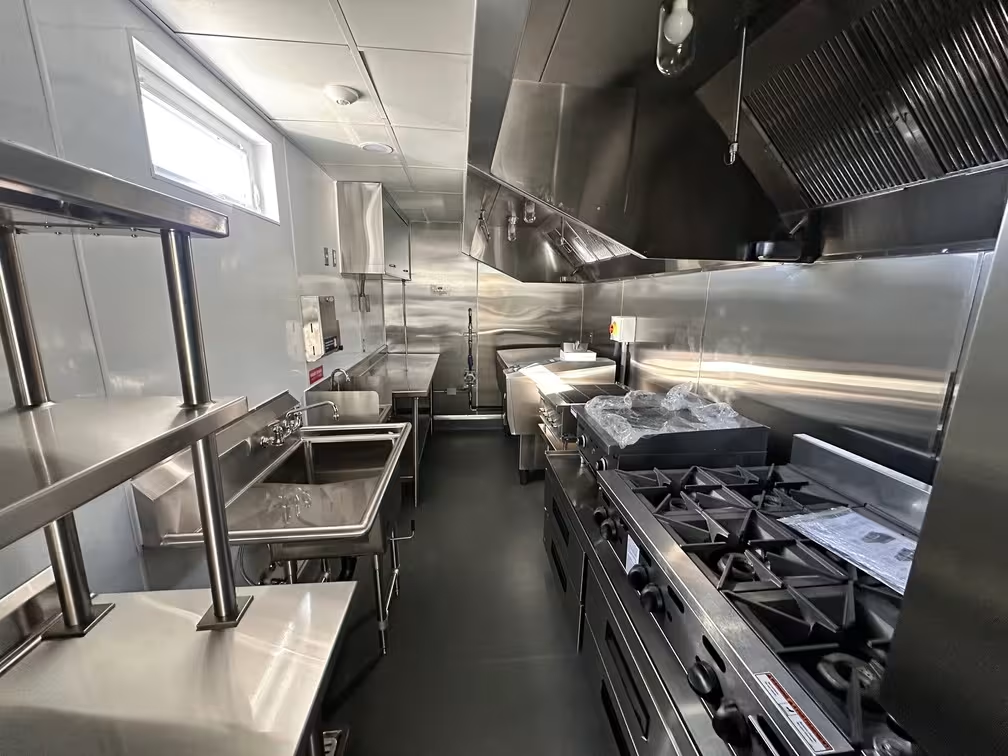
Professional mobile kitchens house commercial-grade equipment that matches permanent installation performance. Understanding what's inside a mobile kitchen reveals sophisticated engineering that supports high-volume production while maintaining strict safety protocols.
Cooking equipment includes convection ovens, combi steamers, induction cooktops, and tilt skillets designed for intensive commercial use. Refrigeration systems maintain precise temperature controls with walk-in coolers, reach-in freezers, and prep refrigeration units. NSF commercial kitchen equipment standards ensure all components meet rigorous safety and sanitation requirements.
Essential Infrastructure Components
- Advanced ventilation systems with grease extraction and fire suppression
- Comprehensive electrical distribution with 208V three-phase power capability
- Fresh water supply systems with booster pumps and filtration
- Wastewater collection with grease trap integration
- Propane distribution for cooking equipment and hot water systems
Ventilation systems comply with NFPA 96 ventilation standards, featuring Type I exhaust hoods with automatic fire suppression and makeup air systems. These components ensure safe operation while maintaining comfortable working conditions for kitchen staff.
Tip: Verify that your mobile kitchen provider includes comprehensive utility connections and testing as part of their delivery service to avoid operational delays.
Financial Considerations and ROI Analysis
Learning how to calculate the ROI of mobile kitchen rentals reveals compelling financial benefits compared to operational shutdowns. Rental costs typically range from $3,000 to $15,000 monthly, while revenue protection often exceeds these expenses within the first week of operation.
Beyond preventing revenue losses, mobile kitchens eliminate many hidden costs of kitchen shutdowns including staff redeployment, customer retention challenges, and brand reputation impacts. Operational continuity maintains customer relationships and preserves market position during renovation periods.
Cost Structure Breakdown
- Base rental fees determined by unit size and equipment specifications
- Delivery and setup charges based on distance and complexity
- Utility connection costs for electrical, water, and gas services
- Permit and inspection fees required by local jurisdictions
- Insurance coverage for equipment and operational liability
Example: A 200-seat restaurant generating $25,000 weekly revenue justifies a $8,000 monthly mobile kitchen rental that prevents complete service interruption during a six-week renovation project.
Deployment and Implementation Process
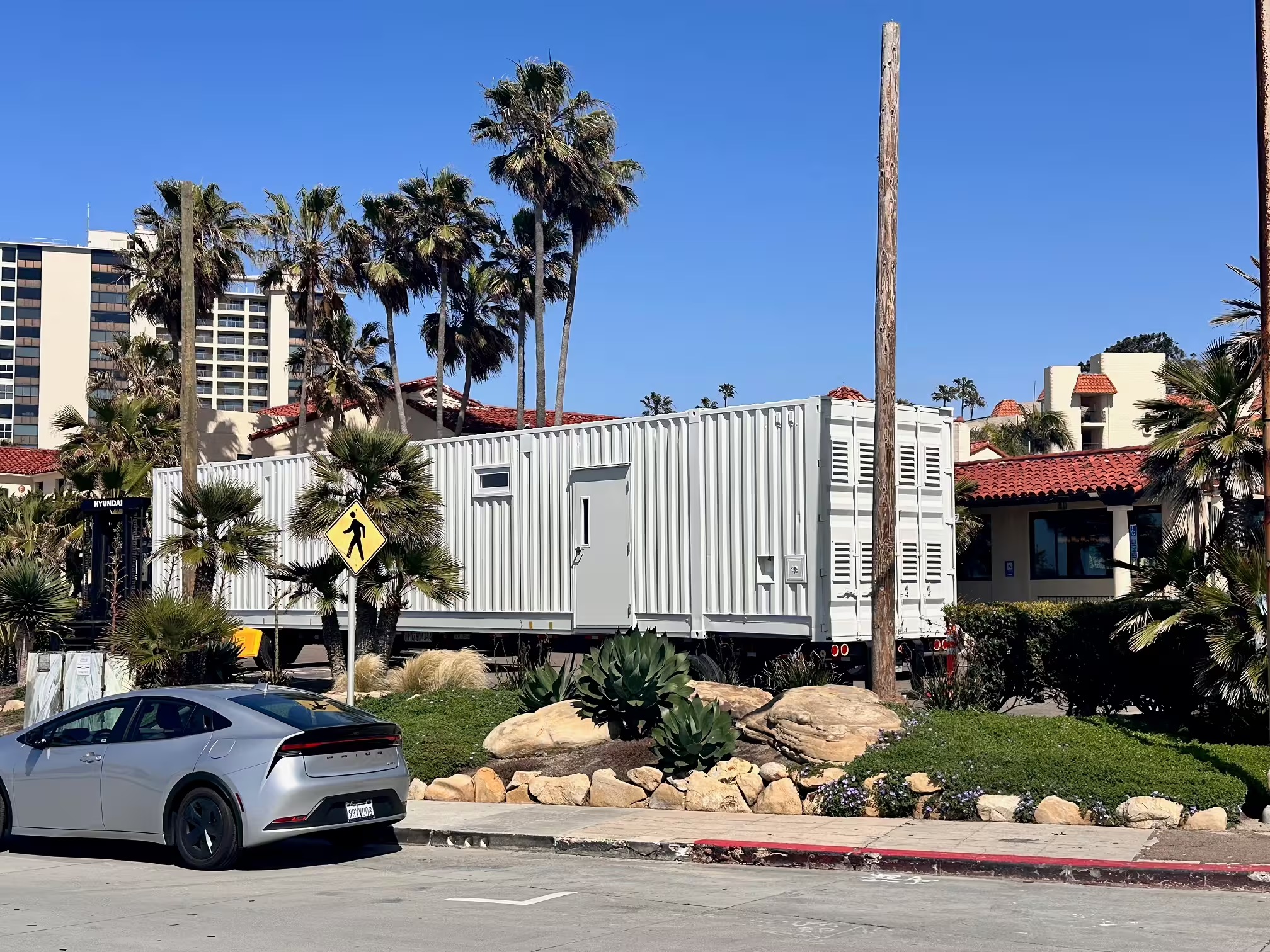
The mobile kitchen delivery and setup process requires careful coordination between multiple stakeholders. Site preparation begins weeks before delivery, including utility planning, permit acquisition, and access route confirmation.
Professional providers conduct comprehensive site assessments to identify potential challenges and develop solutions before deployment. This proactive approach minimizes setup delays and ensures immediate operational capability upon arrival. Commercial kitchen equipment insights emphasize the importance of proper installation procedures for maintaining equipment warranties and operational safety.

Pre-Deployment Checklist
- Site survey completion with utility location verification
- Permit applications submitted to appropriate local authorities
- Access routes confirmed for delivery vehicle requirements
- Staff training scheduled for equipment operation and safety procedures
- Backup power and utility contingencies established
Timeline planning should account for the commercial kitchen renovation timeline to ensure seamless transitions between temporary and permanent facilities. Professional coordination prevents operational gaps that could impact customer service or revenue generation.
Note: Allow 2-4 weeks lead time for permit approval and site preparation to avoid deployment delays during critical operational periods.
Industry Applications and User Demographics
Understanding who uses mobile kitchen rentals reveals diverse applications across hospitality, healthcare, education, and event management sectors. Each industry presents unique operational requirements that influence equipment selection and deployment strategies.
Luxury hospitality properties prioritize protecting guest experience during renovations through seamless service continuity. These establishments require mobile kitchens with sophisticated equipment and elegant presentation capabilities that maintain their premium brand standards.
Primary User Categories
- Hotels and resorts managing renovation projects or seasonal capacity expansion
- Corporate dining facilities during construction or equipment upgrades
- Healthcare institutions maintaining patient meal service during kitchen modernization
- Educational facilities serving student populations throughout infrastructure improvements
- Event venues requiring flexible catering capabilities for diverse occasions
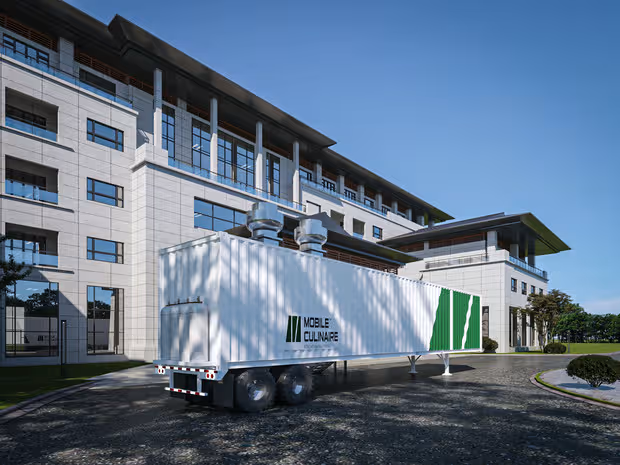
Emergency response organizations deploy mobile kitchens for disaster relief operations, providing essential nutrition services when permanent infrastructure fails. These applications demand robust construction and rapid deployment capabilities to support critical community needs during challenging circumstances.
Selecting the Right Mobile Kitchen Provider
Choosing an appropriate mobile kitchen partner requires evaluating multiple factors beyond basic rental rates. Mobile Culinaire mobile kitchen rentals exemplify the comprehensive service approach necessary for successful deployments, combining quality equipment with expert project management.
Provider evaluation should examine equipment quality, service capabilities, compliance support, and operational track record. Established companies maintain extensive fleets with standardized components, ensuring consistent performance and simplified maintenance procedures.
Key Selection Criteria
- Equipment quality and maintenance standards
- Compliance expertise and permit assistance
- Deployment speed and geographic coverage
- Technical support and emergency response capabilities
- Insurance coverage and liability protection
Tip: Request detailed equipment specifications and maintenance records to verify that mobile kitchen units meet your operational requirements and quality standards.
People Also Ask (FAQ)
What is a mobile kitchen and how does it work?
A mobile kitchen is a fully-equipped, self-contained commercial cooking facility built into a transportable unit that can be deployed to any location. These purpose-built units feature professional-grade equipment, ventilation systems, refrigeration, and all necessary utilities to function as a complete kitchen. Mobile kitchen interiors are designed to match the efficiency and capabilities of permanent commercial kitchens.
How much does it cost to rent a mobile kitchen?
Mobile kitchen rental costs typically range from $3,000 to $15,000 per month depending on size, equipment specifications, and rental duration. Factors affecting price include kitchen capacity, specialized equipment needs, delivery distance, and setup requirements. When compared to revenue losses from kitchen shutdowns, mobile kitchen ROI often pays for itself within the first month of operation.
Who typically uses mobile kitchen rentals?
Hotels, resorts, restaurants, country clubs, senior living facilities, and event venues are the primary users of mobile kitchen rentals. These establishments typically need temporary kitchen solutions during renovations, expansions, or emergency situations. Common mobile kitchen users range from luxury hospitality properties to institutional foodservice operations requiring uninterrupted meal service.
How long does mobile kitchen delivery and setup take?
Mobile kitchen delivery and setup typically takes 1-3 days depending on the complexity of the installation and site preparation requirements. The process includes site assessment, utility connections, equipment testing, and staff training. Professional delivery and setup ensures your mobile kitchen is operational quickly with minimal disruption to your existing operations.
Conclusion
Mobile kitchen rentals provide essential operational continuity for foodservice establishments facing renovations, emergencies, or capacity expansion needs. Professional-grade equipment and comprehensive support services ensure uninterrupted service while protecting revenue and maintaining quality standards.
Explore comprehensive solutions that match your operational requirements by reviewing professional mobile kitchen rental options or consulting with deployment specialists to develop your implementation strategy.


Testimonial

"What is standing out when you look at the mobile kitchen operation is the efficiency that we can really achieve because it's built for that."
Tell us about your kitchen needs and request a quote.
.png)
Turnkey mobile kitchen
Proudly made in-house in the USA
Commercial grade kitchen equipment
Code-compliant
Trusted by Industry Leaders