.gif)
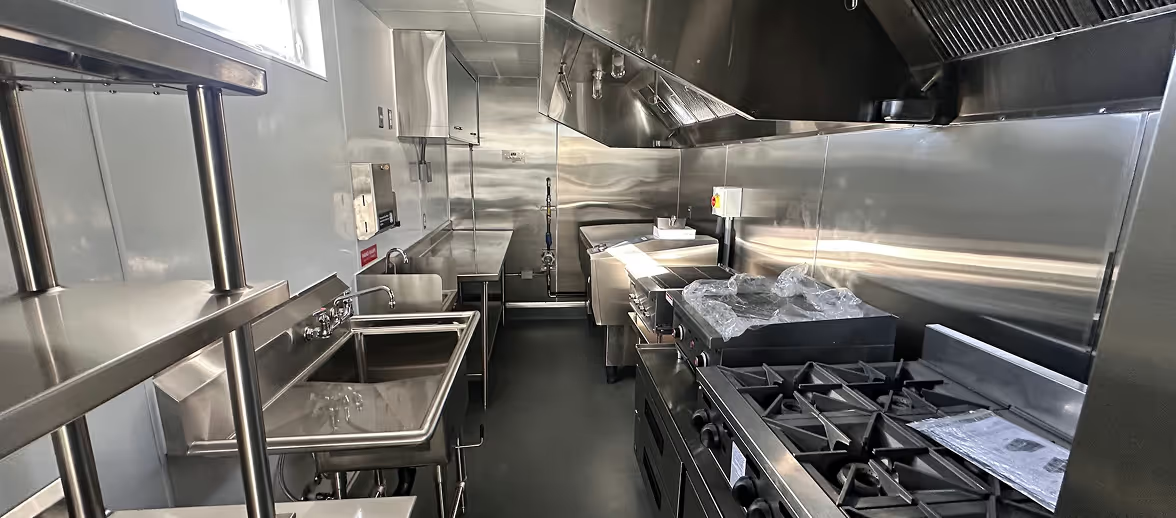
How do you maintain food service operations when your kitchen is out of commission for weeks or months? This challenge faces thousands of hospitality operators annually—from luxury hotels undergoing renovations to country clubs expanding their facilities. The solution lies in commercial kitchen rental use cases that span far beyond simple temporary replacements. From emergency disaster response to seasonal capacity expansion, mobile commercial kitchens have revolutionized how food service professionals handle operational disruptions. This guide explores real-world commercial kitchen use cases across various industries, providing practical insights to help you determine when renting a commercial kitchen makes strategic and financial sense for your operation.
Understanding Commercial Kitchen Rental Applications
Commercial kitchen use cases extend across multiple scenarios where traditional facility operations face disruption or capacity constraints. These applications serve hospitality operators who require immediate, compliant food service solutions without permanent infrastructure investments. Modern rental kitchens meet FDA Food Code compliance requirements while delivering operational flexibility impossible with conventional construction timelines.
Rental applications typically fall into planned and unplanned categories. Planned uses include renovations, seasonal expansions, and strategic capacity additions. Unplanned scenarios encompass emergency response, equipment failures, and disaster recovery situations requiring rapid deployment.

Revenue Protection During Kitchen Renovations
Hotel and resort properties face significant revenue loss when kitchen facilities undergo upgrades or expansions. A single day of closed dining operations can cost luxury properties $15,000-$50,000 in lost revenue and guest satisfaction scores. Mobile kitchen rental solutions enable continuous service delivery throughout renovation projects.
Properties utilize rental kitchens to maintain banquet operations, room service, and restaurant dining while permanent facilities receive updates. This approach preserves guest experience standards and protects revenue streams during construction phases. Hotel kitchen renovation strategies emphasize service continuity as the primary success metric.
Tip: Schedule mobile kitchen delivery 48-72 hours before renovation begins to ensure seamless operational transitions and staff familiarization with temporary equipment layouts.
Emergency Response and Disaster Recovery
Natural disasters, equipment failures, and facility damage create urgent food service needs across multiple industries. Emergency mobile kitchen applications provide immediate response capabilities for affected communities and institutions.
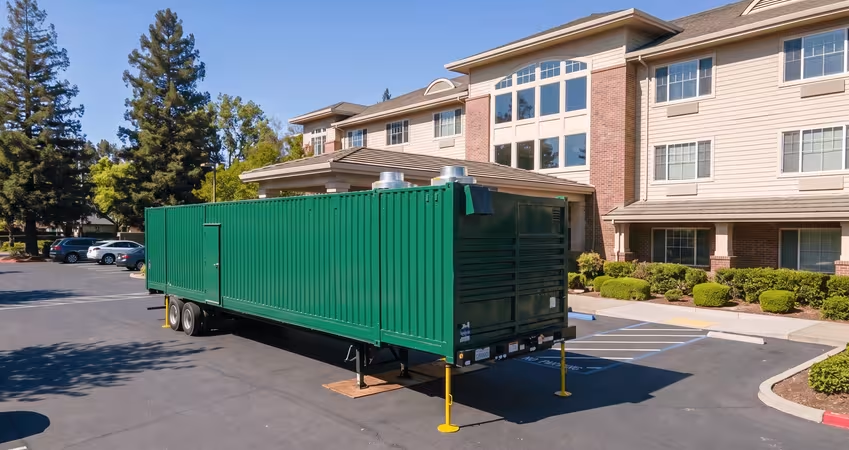
Healthcare facilities, senior living communities, and educational institutions cannot suspend meal service during facility repairs. Mobile units deliver full kitchen functionality within 24-48 hours of deployment, maintaining nutritional programs and regulatory compliance during crisis periods.
- Mass feeding operations for disaster-affected populations
- Hospital food service continuity during facility repairs
- Educational facility meal programs during infrastructure failures
- Corporate dining service restoration after equipment damage
Example: Following a major kitchen fire, a 200-bed healthcare facility maintained three daily meal services for residents using a 40-foot mobile kitchen unit, serving 600 meals daily for four months during reconstruction.

Seasonal Capacity Expansion Strategies
Resort properties, event venues, and seasonal dining establishments experience dramatic demand fluctuations throughout operating calendars. Peak seasons often require 200-400% capacity increases compared to off-season periods. Rental kitchens provide scalable solutions without permanent infrastructure investments.
Mountain resorts during ski season, beach properties in summer months, and wedding venues during peak wedding season leverage temporary kitchen capacity to handle increased guest volumes. This strategy eliminates the financial burden of oversized permanent facilities that remain underutilized during off-peak periods.
Private Club and Country Club Applications
Private clubs face unique challenges balancing member expectations with operational efficiency during facility improvements. Country club kitchen renovation guide protocols emphasize maintaining dining, event, and tournament catering services throughout renovation periods.
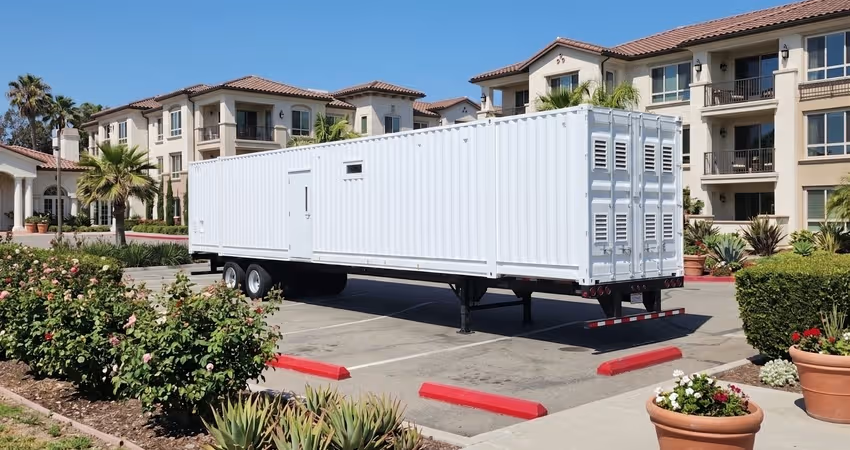
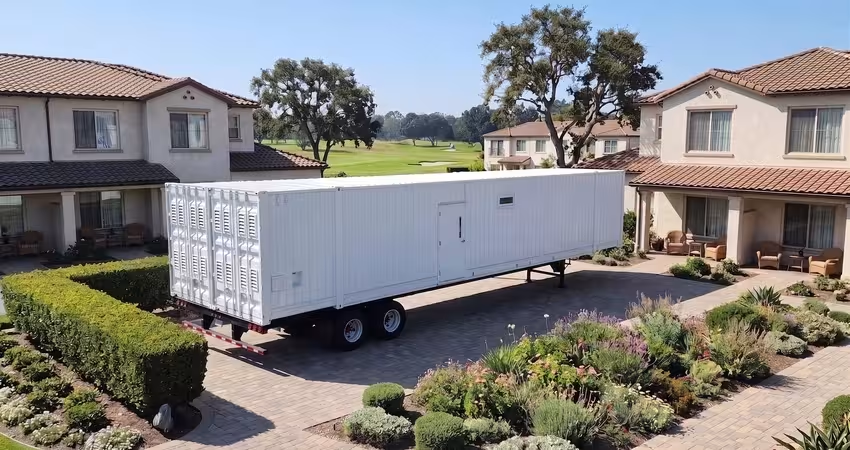
Members pay significant dues with service continuity expectations regardless of facility upgrades. Rental kitchens positioned strategically on club grounds maintain full dining operations while permanent kitchens receive necessary improvements. This approach preserves member satisfaction and club revenue during construction phases.
Note: Country club projects often require aesthetic considerations for mobile kitchen placement, with screening and landscaping elements maintaining property visual standards during rental periods.

Healthcare and Senior Living Solutions
Commercial kitchen use cases in healthcare environments require specialized compliance considerations beyond standard food service regulations. Senior living facilities, hospitals, and assisted care communities maintain strict nutritional program requirements that cannot be interrupted during facility upgrades.
Senior living renovation solutions address the unique needs of vulnerable populations requiring consistent meal service. These facilities often serve therapeutic diets, texture-modified foods, and specialized nutritional programs that demand precise preparation capabilities.
Mobile kitchens serving healthcare environments include specialized equipment configurations:
- Steam tables for therapeutic diet preparation
- Blast chillers for food safety protocols
- Specialized dishwashing systems meeting healthcare sanitation standards
- Temperature monitoring systems for regulatory compliance
Tip: Healthcare facility mobile kitchen projects require coordination with state health departments and Centers for Medicare & Medicaid Services to maintain accreditation standards during temporary operations.
Educational Institution Applications
Schools, universities, and corporate campuses operate large-scale dining programs serving hundreds to thousands of meals daily. Kitchen renovations or expansions cannot disrupt student nutrition programs or employee dining services. Rental kitchens maintain meal service continuity while permanent facilities undergo necessary improvements.
K-12 schools face additional challenges with federal nutrition program compliance and free/reduced meal service requirements. Mobile kitchens must meet NAFEM foodservice equipment guidelines and maintain program eligibility throughout rental periods.
Event and Catering Industry Uses
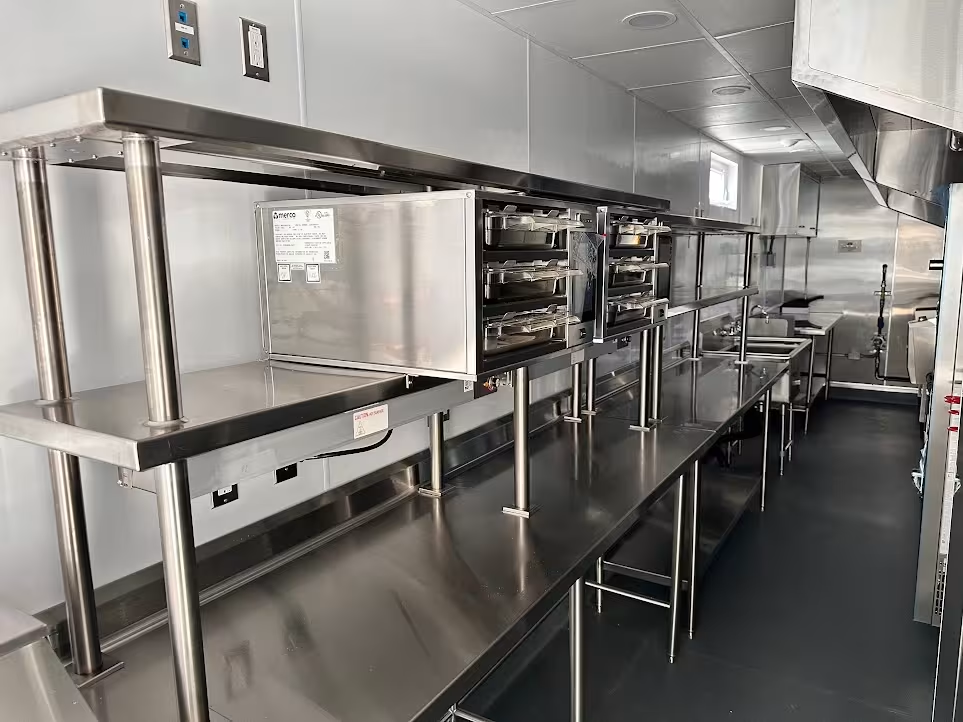
Large-scale events, festivals, and corporate gatherings require substantial food preparation capabilities often exceeding permanent venue kitchen capacity. Mobile rental kitchens provide scalable solutions for event organizers and catering companies handling high-volume food service demands.
Wedding venues, corporate retreat centers, and festival grounds utilize rental kitchens to expand service capabilities during peak event periods. This approach enables venue operators to accept larger events without permanent kitchen facility investments that may remain underutilized during slower periods.
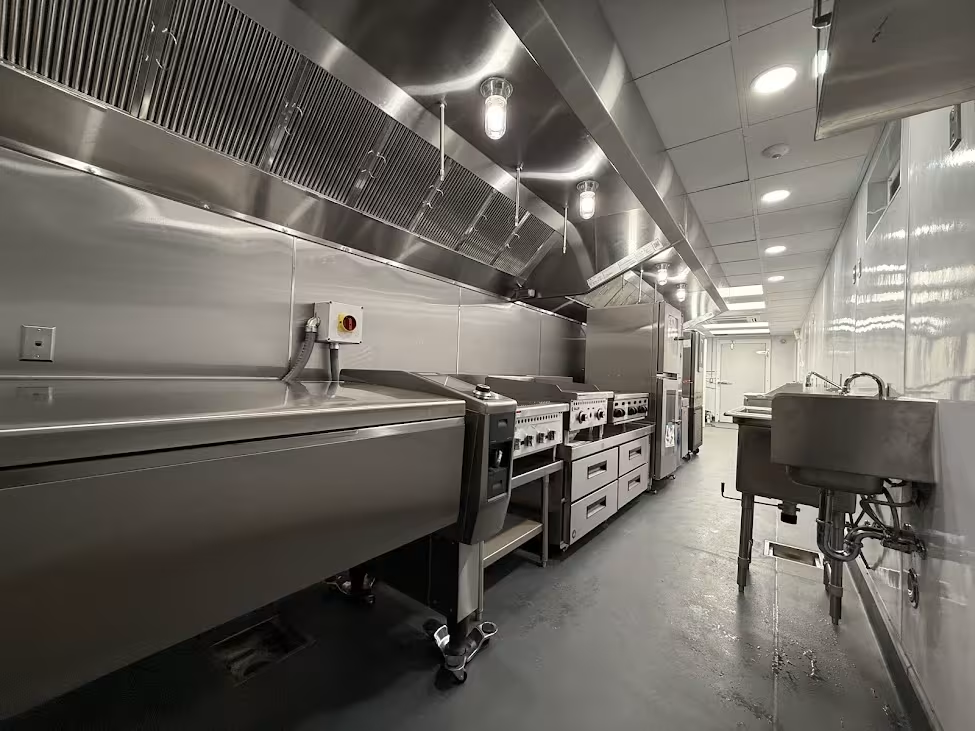
Event applications benefit from mobile kitchen capabilities and features designed for high-volume production and rapid service delivery. Multiple units can be connected to create expanded production capacity for large-scale events requiring thousands of meals.
Remote Location Food Service
Construction sites, mining operations, and remote corporate facilities often lack permanent kitchen infrastructure but require meal service for workers and staff. Mobile kitchens deliver full food service capabilities to locations where permanent construction is impractical or cost-prohibitive.
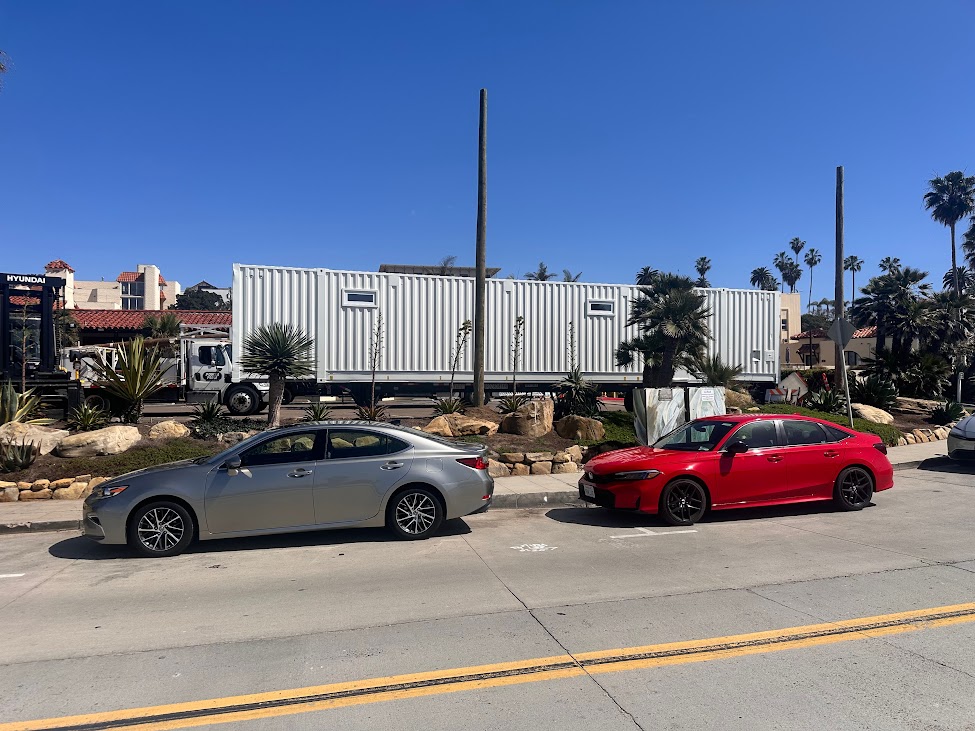
These applications require self-contained units with independent utilities or generator power capabilities. Mobile kitchen setup and delivery process considerations include site preparation, utility connections, and accessibility requirements for remote deployments.
Example: A remote corporate training facility serving 150 employees daily utilized a 48-foot mobile kitchen unit for six months while permanent facility construction was completed, maintaining full dining services throughout the project timeline.
Financial and Operational Benefits
Rental kitchen applications deliver measurable returns through revenue protection, operational continuity, and reduced capital investment requirements. Mobile kitchen ROI calculation demonstrates positive returns within weeks for most hospitality applications.
Key financial benefits include:
- Eliminated revenue loss during renovation periods
- Preserved guest satisfaction and loyalty metrics
- Reduced staff layoff costs during facility improvements
- Maintained competitive position during operational disruptions
Operational advantages encompass flexibility, speed of deployment, and compliance assurance. According to National Restaurant Association research reports, operators utilizing temporary kitchen solutions during renovations report 85% fewer guest complaints compared to facilities suspending food service entirely.
Mobile units meeting NFPA 96 commercial kitchen ventilation standards ensure immediate regulatory compliance without lengthy approval processes. This compliance reduces project delays and accelerates return to normal operations.
Note: Signs your kitchen needs renovation often appear gradually, providing operators advance planning time to secure rental kitchen solutions before disruptions occur.
Industry Best Practices and Standards
Successful rental kitchen deployments follow established protocols ensuring operational success and regulatory compliance. American Hotel & Lodging Association resources provide industry guidance for maintaining service standards during facility transitions.
Best practices include advance planning, staff training on temporary equipment, and coordination with local health departments for inspection schedules. Operators benefit from selecting rental providers with proven track records in their specific industry segment and regulatory environment.
People Also Ask (FAQ)
What are the most common commercial kitchen rental use cases?
The most frequent commercial kitchen rental applications include renovation projects, emergency situations, seasonal demand spikes, and capacity expansion needs. Hotels and resorts commonly rent mobile kitchens during kitchen renovations to maintain guest services. Private clubs, senior living facilities, and event venues also rely on rental kitchens when their permanent facilities require upgrades or repairs.
How long do most commercial kitchen rental projects last?
Commercial kitchen rental periods typically range from 4-12 weeks for most renovation projects, though some arrangements extend 6+ months for major facility overhauls or seasonal operations. The duration depends on project complexity, permitting requirements, and construction timelines. Renovation timelines vary significantly based on scope, with full kitchen rebuilds requiring longer mobile kitchen support than equipment upgrades.
Which industries benefit most from commercial kitchen rentals?
Luxury hospitality leads commercial kitchen rental demand, including 4-5 star hotels, resort properties, country clubs, and high-end event venues. Senior living communities, healthcare facilities, corporate dining operations, and institutional food service also frequently utilize rental kitchens. Common users prioritize maintaining service quality and operational continuity during facility transitions.
What happens if you don't rent a commercial kitchen during renovations?
Without rental kitchen support, food service operations face complete shutdown, resulting in lost revenue, disappointed customers, and potential permanent guest defection. Hidden shutdown costs include lost catering bookings, staff layoffs, and competitive disadvantage. Many operators underestimate the financial impact of service interruptions, making mobile kitchen rentals a strategic investment rather than an expense.
Conclusion
Commercial kitchen use cases demonstrate the strategic value of rental solutions across diverse hospitality and institutional environments. From protecting revenue during renovations to enabling emergency response capabilities, mobile kitchens deliver operational continuity when permanent facilities cannot meet service demands.
Successful implementations require advance planning, regulatory compliance, and selection of experienced rental providers who understand industry-specific requirements. Explore comprehensive mobile kitchen rental solutions designed for hospitality operations or discuss your specific application requirements with our specialists.

Testimonial

"What is standing out when you look at the mobile kitchen operation is the efficiency that we can really achieve because it's built for that."
Tell us about your kitchen needs and request a quote.
.png)
Turnkey mobile kitchen
Proudly made in-house in the USA
Commercial grade kitchen equipment
Code-compliant
Trusted by Industry Leaders